Quick answer
Replace the bulb and valve assembly when the bulb feels soft, the valve no longer holds pressure, or the gauge fails to rise smoothly during inflation. Store cuffs flat or in a dedicated basket, and wipe them with a damp cloth only when visibly soiled.
Why the bulb and valve matter more than you think
A slow leak at the valve or a cracked bulb can mimic a gauge problem. Before you blame the dial, inflate to about 200 mmHg, close the valve, and watch the needle for 10–15 seconds. A steady drop points to the valve or tubing, not the gauge.
Most aneroid sets use a standard bulb-and-valve assembly that screws or pushes onto the tubing. If your tubing is brittle or the connector is cracked, replace the tubing at the same time so the new valve seats properly.
Cuff care: what shortens an inflation bag's life
Neoprene inflation bags tolerate repeated flexing, but they degrade faster when stored compressed or exposed to heat and sunlight. Nylon cuffs resist surface wear but can stiffen in cold rooms, so let them reach room temperature before use.
Avoid folding a cuff along the same crease every time. Alternate the fold or hang the cuff loosely to spread stress across the bag and tubing.
Your aneroid parts care questions, answered
How do I know when to replace the bulb and valve?
Replace when the bulb stays deflated after squeezing, the valve knob turns too freely or too stiffly, or the needle drops steadily with the valve closed. A bulb that feels sticky or has visible cracks should also be replaced. Test with a closed-valve pressure hold before buying a new gauge.
Can I replace just the valve, or do I need the whole assembly?
Most modern aneroid sets use a combined bulb-and-valve assembly. If your set has a separate valve, match the thread and tubing diameter. When in doubt, replace the assembly—it is usually the more reliable fix. Check the connector type before ordering; a mismatched valve will leak.
How should I clean an aneroid cuff and inflation bag?
Wipe the nylon cuff with a damp cloth and mild soap, then air dry completely. Do not immerse the inflation bag or tubing. Keep the gauge dry and avoid alcohol on neoprene, which can dry it out. Never put a cuff in a washing machine or dryer.
What is the best way to store cuffs between uses?
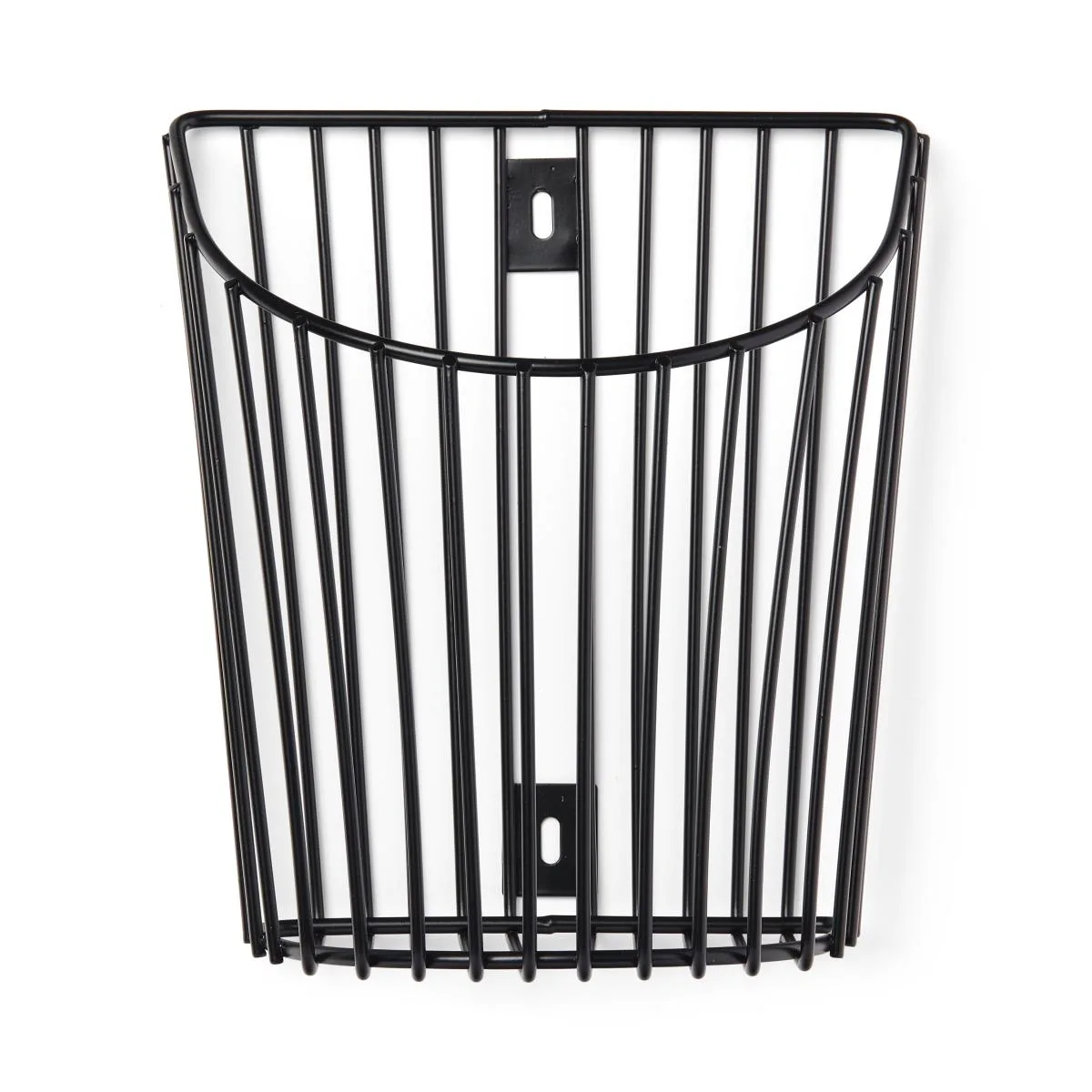
Coil the tubing loosely—no tight bends—and lay the cuff flat or place it in a basket. A wall-mounted basket keeps cuffs visible and uncrushed. Avoid hanging a cuff by its tubing, which strains the connections. Store cuffs unlatched and slightly open to protect the bag.
How often should I replace the entire cuff?
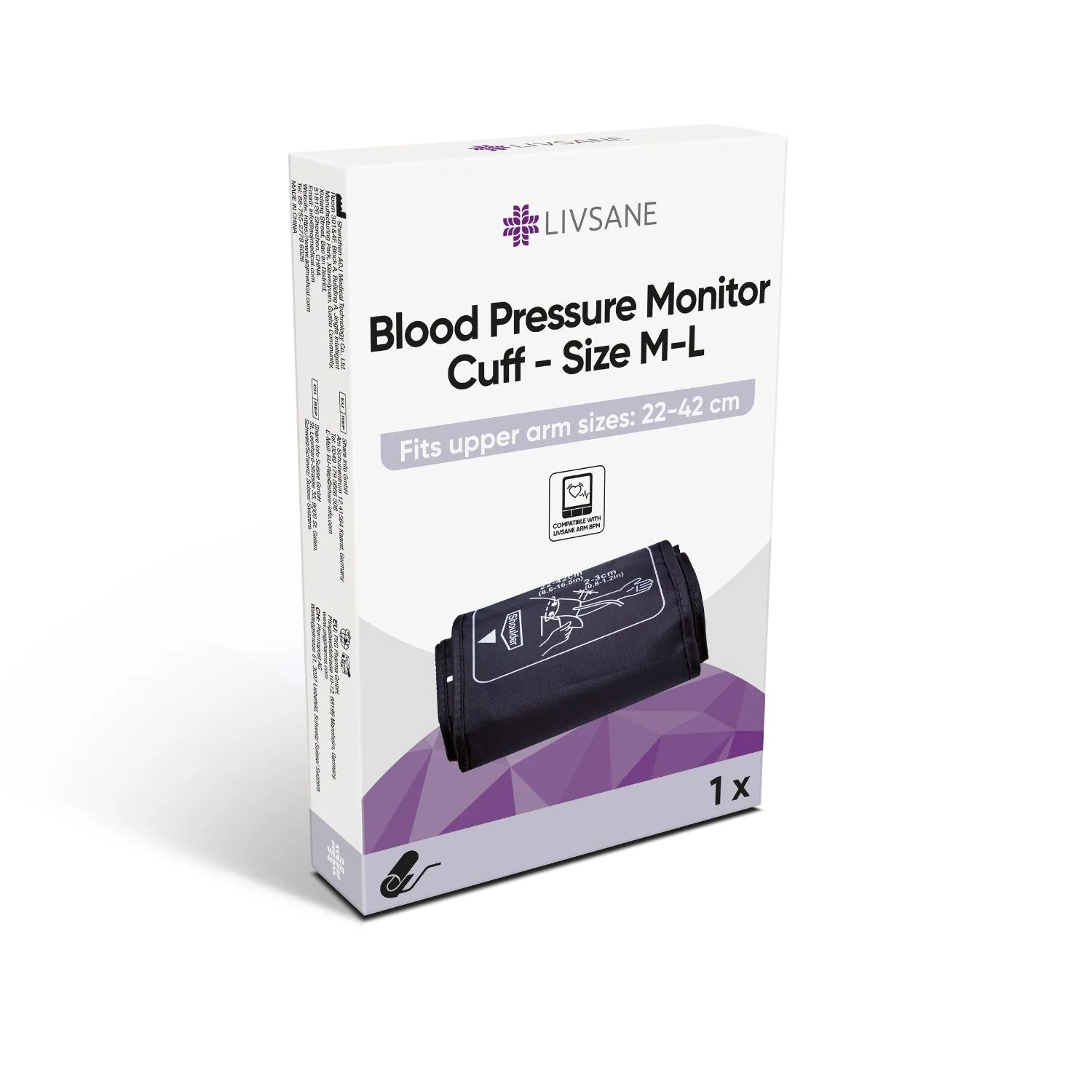
Inspect the cuff for tears, stiff fabric, or a bag that no longer inflates evenly. In heavy clinical use, plan on periodic replacement; at home, replace when the hook-and-loop closure stops holding or the bag leaks. A cuff that slips during inflation gives inaccurate readings—replace it.
Parts that solve common problems
-
Blood Pressure Gauge Bulb and Valve Assembly: Blood Pressure Gauge Bulb and Valve Assembly is a replacement bulb-and-valve unit. A fresh assembly restores smooth inflation and a reliable seal without replacing the whole gauge.
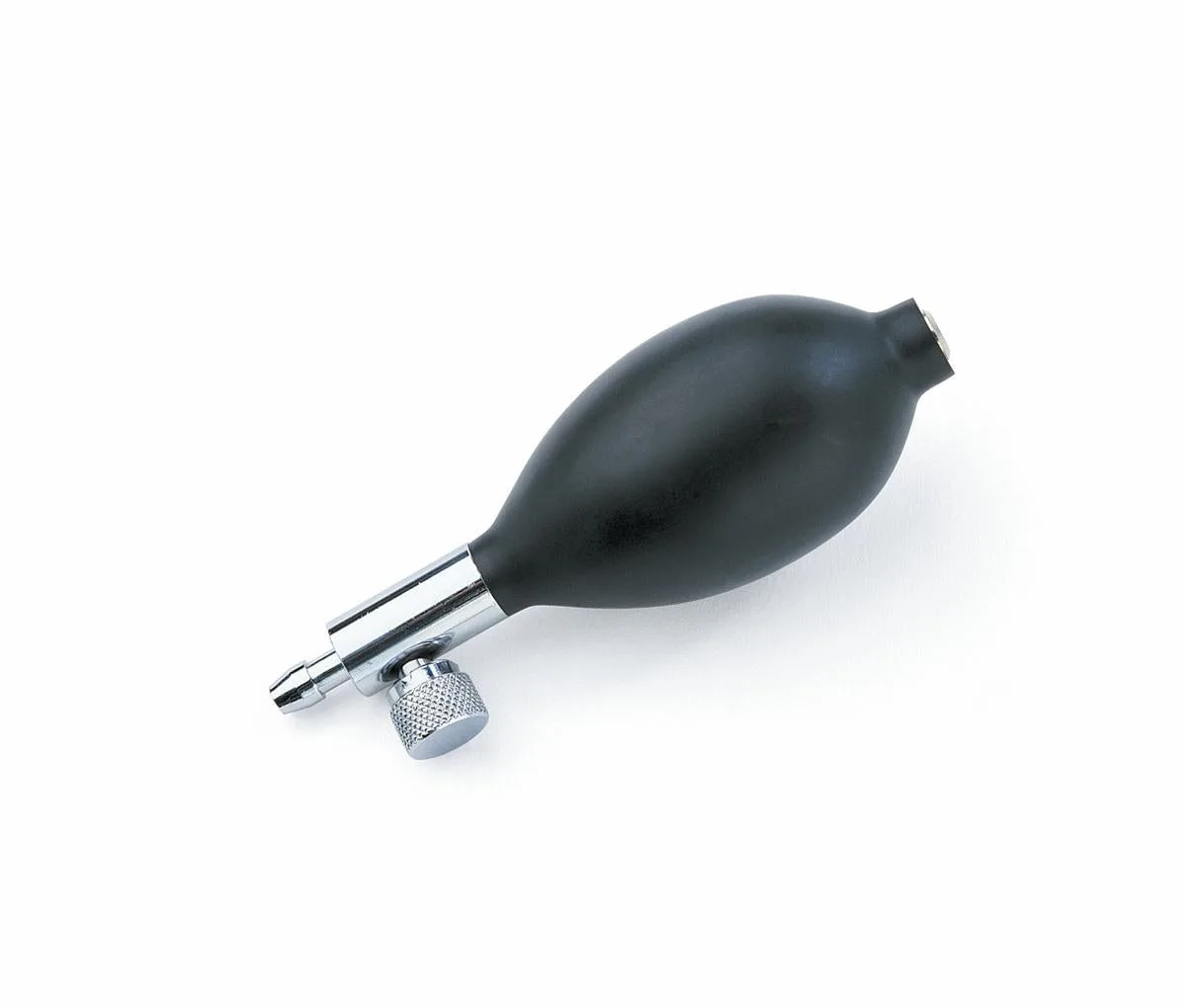
Blood Pressure Gauge Bulb and Valve Assembly
-
Medline 1-Tube Range Finder Cuffs with Neoprene Inflation Bags: Medline 1-Tube Range Finder Cuffs use neoprene inflation bags and nylon cuffs. The neoprene bag flexes with repeated inflation, while the nylon cuff is easy to wipe clean between patients.
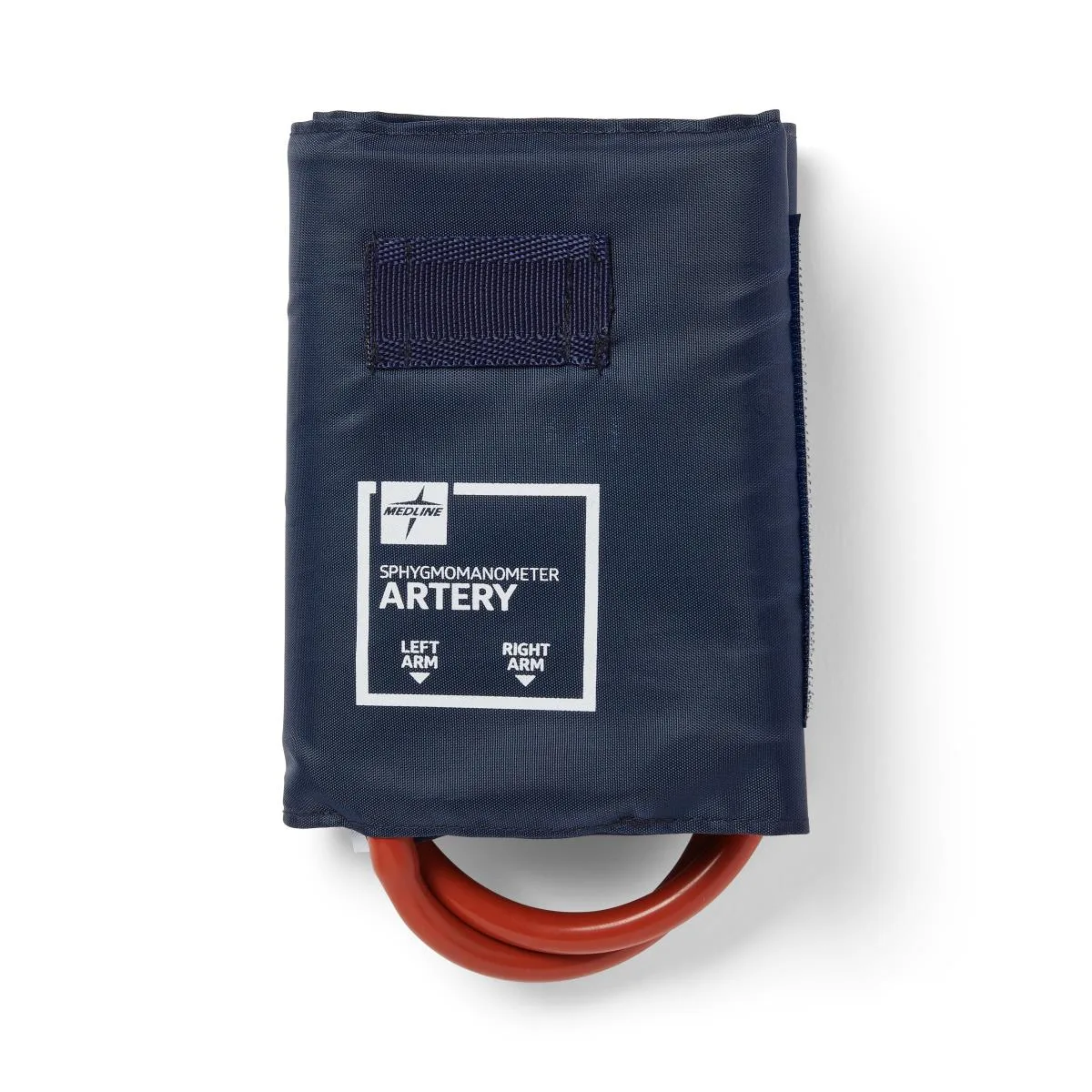
Medline 1-Tube Range Finder Cuffs with Neoprene Inflation Bags
-
Blood Pressure Cuff Basket: Blood Pressure Cuff Basket is a compact wall-mountable holder (7-1/2"H x 6-1/2"W x 4"D). Keeping cuffs off countertops and out of drawers reduces creasing and makes the right size easy to grab.