Quick Answer
Choose Angry Animals 2 when you want a playful, story-driven board game that teaches children to recognize and express anger through characters and scenarios. Choose Escape From Anger Island when you need a structured, 15-minute session focused on one specific skill. Traditional games work best when you want to build a longer therapeutic arc with teens or groups.
How Angry Animals 2 Teaches Anger Expression
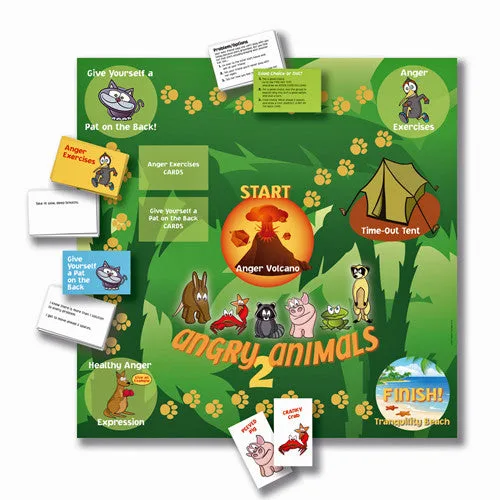
Angry Animals 2 uses a cast of animal characters—Angry Aardvark, Cranky Crab, Furious Frog, Mad Meerkat, Peeved Pig, and Raging Racoon—to help children learn healthy responses to anger. Players move from the Anger Volcano to Tranquility Beach, with occasional visits to the Time-Out Tent, answering game card questions about behavior, responsibility, sibling rivalry, conflict, and relationships. This format works well for children who respond to narrative and metaphor, because the animal characters create a safe distance from personal anger while still inviting real reflection.
safe
How Escape From Anger Island Fits Short Sessions
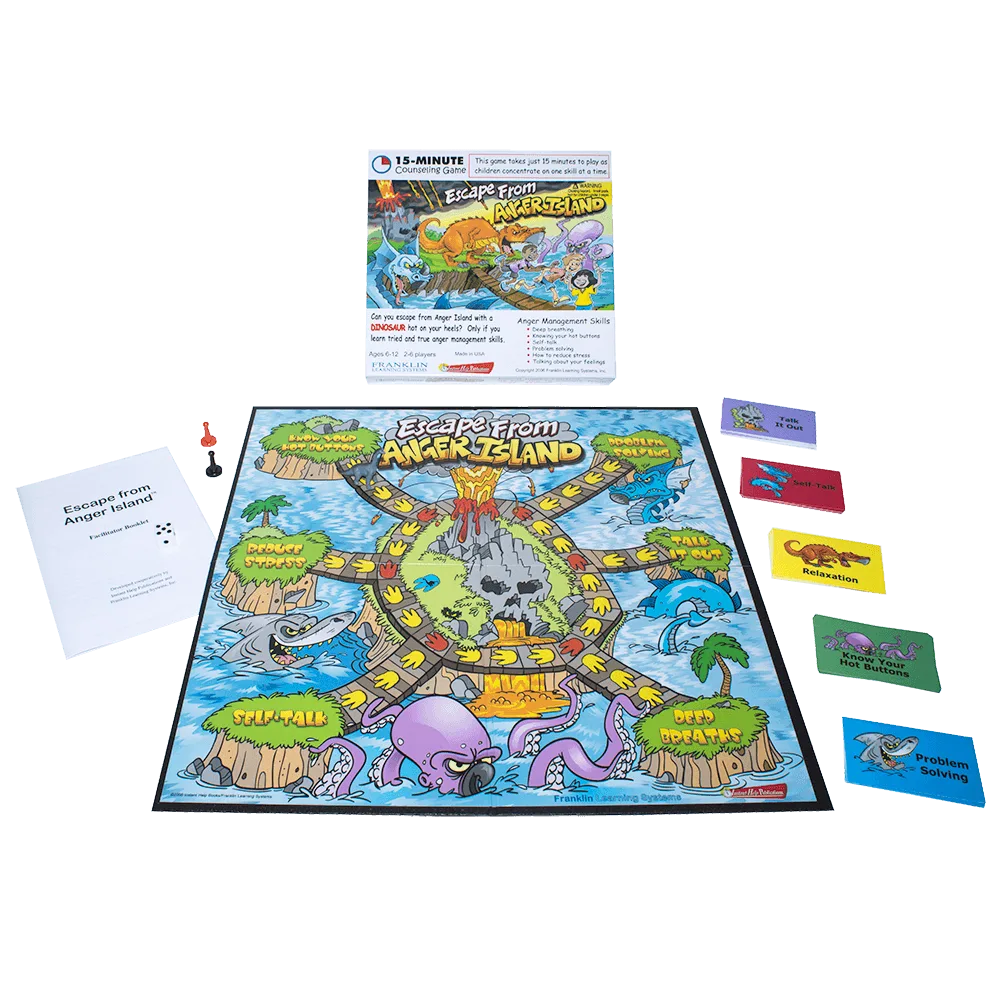
Escape From Anger Island is designed for busy counselors who need to teach anger management skills in limited time. It can be played in just 15 minutes, with one of six skills as the focus of each session. This structure suits therapists who see children for brief check-ins or who need to target a single skill without a long setup. The trade-off is that the game covers less ground per session than a longer format, so you may need multiple sessions to address the full range of anger management skills.
When Traditional Anger Management Games Make Sense
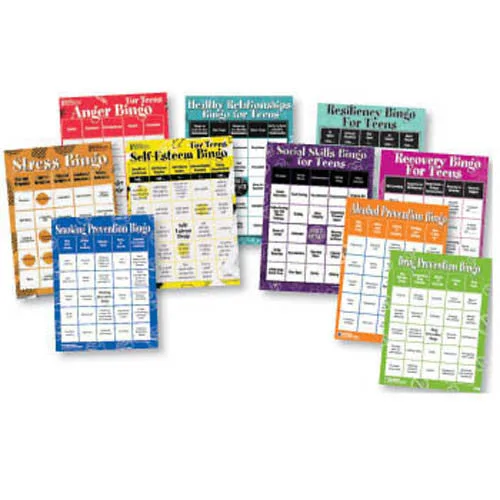
Traditional anger management games—such as Bingo Games for Teens Series Set of 10—offer a different approach. This set covers issues like alcohol prevention, smoking prevention, anger, and recovery through a familiar bingo format. It works well for teens ages 12–18 and for group settings where discussion and attitude evaluation are the goal. The trade-off is that bingo is less narrative and more discussion-based, so it may not engage younger children who need concrete characters and a story to hold their attention.
Choosing Based on Session Length and Client Age
If your sessions are short and skill-focused, Escape From Anger Island gives you a clear 15-minute structure. If you have more time and want children to explore anger through characters and scenarios, Angry Animals 2 offers a richer narrative. For teens or groups where the goal is opening discussion and evaluating attitudes, a bingo-style game like Bingo Games for Teens Series Set of 10 may be more appropriate. Consider also Bounce Back Board Game: Children's Version for ages 8–12, which builds resiliency skills such as insight, humor, and persistence—useful when anger is linked to stress and coping.
Trade-Offs at a Glance
- Narrative depth vs. session speed: Angry Animals 2 offers a story-driven journey with animal characters and scenario cards, which can take a full session or more. Escape From Anger Island delivers one skill in 15 minutes, but covers less ground per session. Choose Angry Animals 2 for depth; choose Escape From Anger Island for speed.
- Age range and format fit: Angry Animals 2 and Bounce Back are designed for children, while Bingo Games for Teens targets ages 12–18. Bingo uses a familiar game show format; the others use board game or card-based play. Match the format to your client's age and attention span.
- Skill focus vs. broad discussion: Escape From Anger Island isolates one of six skills per session. Bingo Games for Teens opens discussion on multiple issues including anger, alcohol, and relationships. Angry Animals 2 integrates anger expression into a single thematic journey. Use skill-focused games for targeted work; use discussion-based games for groups and teens.
Product Facts
- Angry Animals 2: A Board Game Teaching Healthy Expression of Anger: Angry Animals 2: A Board Game Teaching Healthy Expression of Anger by Katelyn Mariah, BFA, MA, LICSW. Characters include Angry Aardvark, Cranky Crab, Furious Frog, Mad Meerkat, Peeved Pig, and Raging Racoon. Players move from the Anger Volcano to Tranquility Beach with occasional visits to the Time-Out Tent, answering game card questions about behavior, responsibility, sibling rivalry, conflict, and relationships. The animal characters and journey structure give children a playful way to practice anger expression without feeling directly confronted. The question cards cover real-life topics that therapists can use to guide discussion.
- Escape From Anger Island: Revised: Escape From Anger Island: Revised is designed with the busy counselor in mind and can be played in just 15 minutes. There are six skills in total, and one skill is the focus of each 15-minute session. This format fits short therapy sessions or check-ins where you need to teach a single anger management skill quickly. The six-skill structure lets you plan a series of sessions that build on each other.
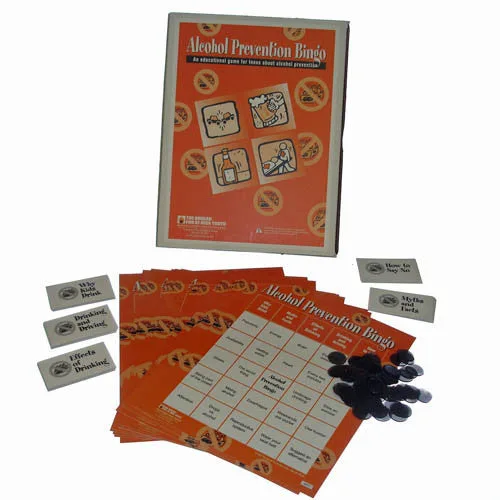
- Bingo Games for Teens Series Set of 10: Bingo Games for Teens Series Set of 10 is for ages 12–18. It explores issues of importance to teens using a fun-filled format. From alcohol prevention to building healthy relationships, these games help open discussion, build skills, and help teens evaluate their attitudes and behaviors. Set includes one each of Drug Prevention Bingo, Smoking Prevention Bingo, Alcohol Prevention Bingo, Anger Bingo Game for Teens, Recovery Bingo, and others. The bingo format is familiar and low-pressure, making it easier to engage teens in discussion about anger and other sensitive topics. The set covers multiple issues, so it can be used across different group or individual sessions.
- Bounce Back Board Game: Children's Version - Ages 8-12: Bounce Back Board Game: Children's Version - Ages 8-12. When children possess specific resiliency skills such as insight, a sense of humor, and persistence, they can cope with psychological problems that might otherwise have lifelong effects. This game challenges players to find answers to problems and reduce their stress level. The game includes cards, balls, stress magnets, and 90 question cards. For 4 players. This game addresses anger indirectly by building resiliency skills that help children cope with stress and frustration. The hands-on components and question cards make it suitable for small groups or individual sessions with a therapist.
Which Game Fits Your Practice?
Best for
- Therapists working with children who respond to animal characters and story-based play
- Counselors who need a structured 15-minute anger management activity
- Group leaders running teen discussion sessions on anger and related issues
- Practitioners building resiliency skills alongside anger management
Not for
- Therapists who need a quick, single-skill intervention and have no time for a longer narrative game
- Clients who are not comfortable with competitive or turn-based game formats
- Settings where teens may find animal-themed games too young for their age group