Quick answer
Dust animal figures every two to four weeks with a soft makeup brush or dry microfiber cloth, never a wet rag on painted surfaces. Keep them out of direct sunlight and away from heat vents, and store them padded and separated in a cool, dark box rather than loose in a bin. Those three habits prevent most paint wear, fading, and breakage.
Most damage to animal figures happens slowly, through dust that gets ground into paint, sun that bleaches a finish over months, and storage bins where figures rub against each other. None of it requires special equipment to prevent.
These are the questions readers send in most often, answered one at a time so you can jump to the one that matches your situation.
How do I dust animal figurines without rubbing off paint?
Start with a dry, soft tool: a makeup brush, a clean paintbrush, or a dry microfiber cloth. Brush downward along the figure rather than scrubbing in circles, and let the brush lift dust instead of pressing it into the surface. For textured areas like scales or fur ridges, a brush reaches into the grooves where a cloth just smears dust around.
If dust has built up in a crevice, a short burst of cool air from a camera blower or a hair dryer on its lowest, coolest setting works better than water. Avoid compressed air cans held close to the figure, since the propellant can leave a residue.
A slightly damp cloth is acceptable on unpainted bases, but keep water away from painted details, seams, and any glued joints.
- Dust every two to four weeks rather than waiting for visible buildup
- Brush in one direction along the figure, not in circles
- Never soak a painted figure or leave it wet
Can I wash a plastic animal figure with soap and water?
For most painted plastic figures, spot cleaning is safer than full washing. Dampen a cloth with lukewarm water, add a single drop of mild dish soap if needed, wring it out well, and wipe the figure. Dry immediately with a soft towel so water does not sit in seams or under the base.
Skip hot water, alcohol, acetone, and household cleaners. These can dull a matte finish, lift paint at the edges, or soften the plastic itself. If a figure is heavily soiled, clean it in stages with a damp cloth rather than submerging it.
If a figure has a hollow underside or an attached base, water can trap inside and cause odor or mold over time. That is another reason spot cleaning beats a full soak.
- Use lukewarm water and a barely damp cloth
- Dry immediately, especially around seams and bases
- Avoid alcohol, acetone, and abrasive cleaners
Why is my figurine fading, and does sunlight really cause it?
Yes, sunlight is the usual cause. Ultraviolet light breaks down pigments over time, and the effect is cumulative, so a figure that sits in a bright window for a year can look noticeably lighter than one kept on a shaded shelf. Fading is not reversible, which makes placement the real fix.
Move figures a few feet back from windows, or place them where they receive indirect light only. Sheer curtains and UV-filtering film on glass reduce exposure without blocking the view. Rotating figures so the same side does not always face the light also evens out wear.
Heat matters too. A shelf above a radiator or near a heating vent can soften plastic and stress painted joints over time.
- Keep figures out of direct sun, not just out of the brightest room
- Rotate display positions every few months
- Avoid shelves directly above heat sources
How should I store animal figures when they are not on display?
Line a sturdy box with acid-free tissue or soft cloth, then wrap each figure individually or stand them in divided compartments so they cannot touch. The goal is to stop figure-on-figure contact, which is what causes most scratches and paint chips in storage.
Choose a cool, dry, dark location: a closet shelf or an interior cabinet rather than a garage, attic, or damp basement. Temperature swings and humidity are harder on paint and adhesive than steady cool conditions.
For figures with thin legs or horns, lay them on their side with padding underneath rather than standing them upright in a loose box, where a shift can snap a delicate part.
- Wrap or divide figures so they never rub together
- Store flat and padded for thin-legged or horned models
- Keep boxes off concrete floors and away from exterior walls
Do I need a display case, or is a shelf enough?
A shelf is fine for most collections. A case mainly helps in three situations: a room with pets or heavy foot traffic, a home with frequent dust, or a collection that includes delicate pieces you rarely handle. In those cases, a case cuts both dusting frequency and accidental contact.
If you skip the case, a simple routine works well: dust on a schedule, keep figures back from window light, and handle them by the base rather than the head or tail. Handling is the most common cause of sudden damage, more than dust or light.
- Handle figures by the base, not by thin or protruding parts
- A case is optional unless dust, pets, or delicate pieces are a factor
- A consistent dusting routine matters more than the display method
How do I store figures so I can still find them later?
Label boxes by group rather than by individual figure. Categories like farm animals, dinosaurs, or wildlife keep storage practical and make it faster to pull out a set for play or display. A photo taped to the box lid is quicker than an inventory list for most households.
Keep a small handling kit with the boxes: a soft brush, a dry microfiber cloth, and a few sheets of padding. When you unpack a set, you can dust and inspect it in one pass instead of hunting for supplies.
If children use the figures regularly, a shallow open tray with dividers works better than a sealed box, since it reduces the handling and repacking that wears paint.
- Group by theme, not by individual figure
- Tape a photo to the box lid for quick identification
- Keep a brush and cloth stored with the collection
Quick care checkpoints
Dusting
Brush with a dry soft tool every two to four weeks, working with the figure's texture rather than against it. If dust smears instead of lifting, switch from cloth to brush.
Sunlight
Keep figures out of direct sun and rotate display positions periodically to even out light exposure. Fading cannot be reversed, so placement is the only real control.
Storage
Wrap or divide figures in a cool, dark, dry box so nothing touches anything else. Contact between figures causes more damage than dust ever will.
How care needs differ across figure types
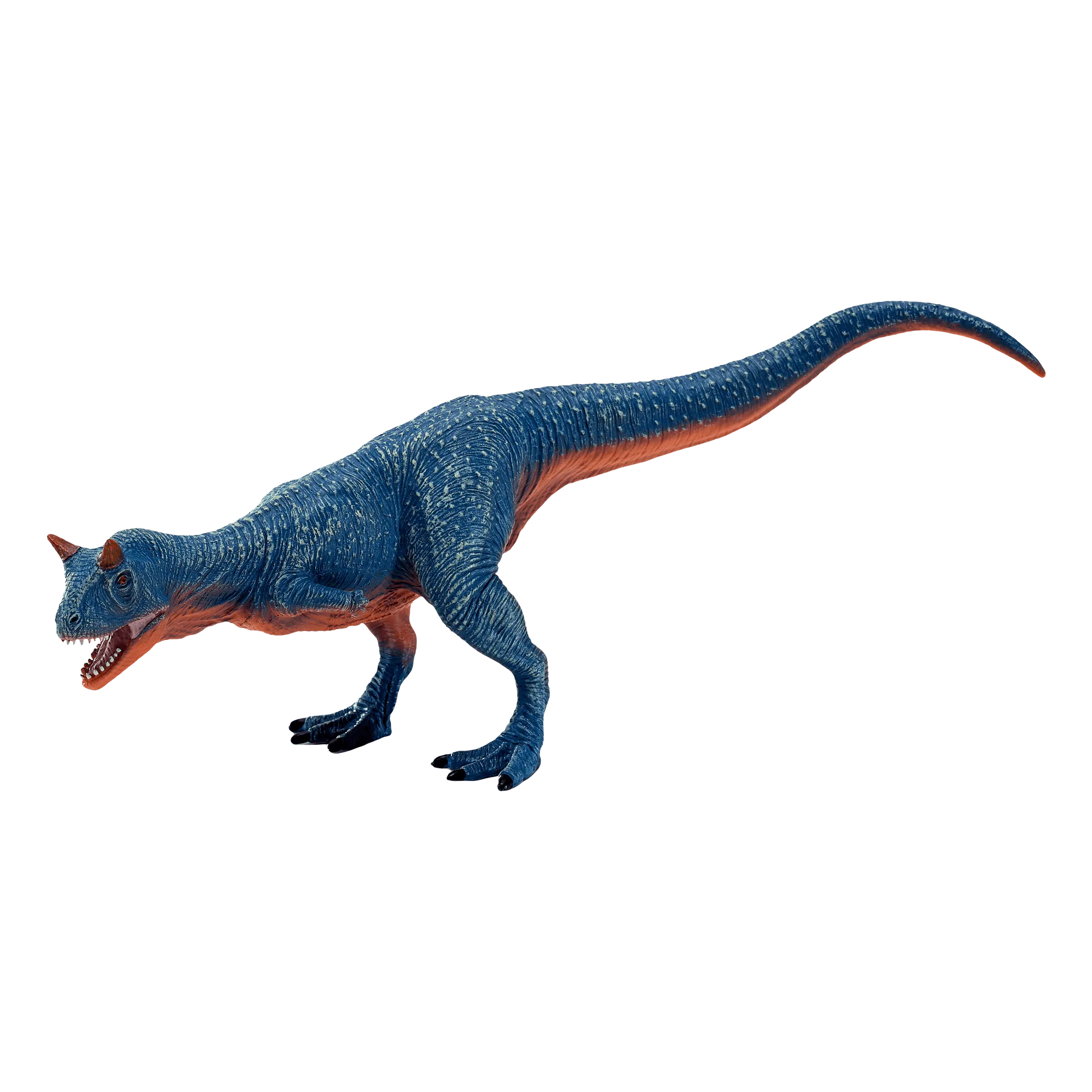
- Carnotaurus: Hand-painted figure with textured scales and distinctive horns. Textured scales and horns trap dust in the grooves and are the easiest parts to chip, so brush rather than wipe, and pad the horns during storage.
- Diplodocus: One of the longest dinosaurs, with two rows of bones on the underside of its tail for extra support and mobility. A long tail is a lever, so support the middle of the body when lifting and store it flat with padding under the tail rather than standing it upright.
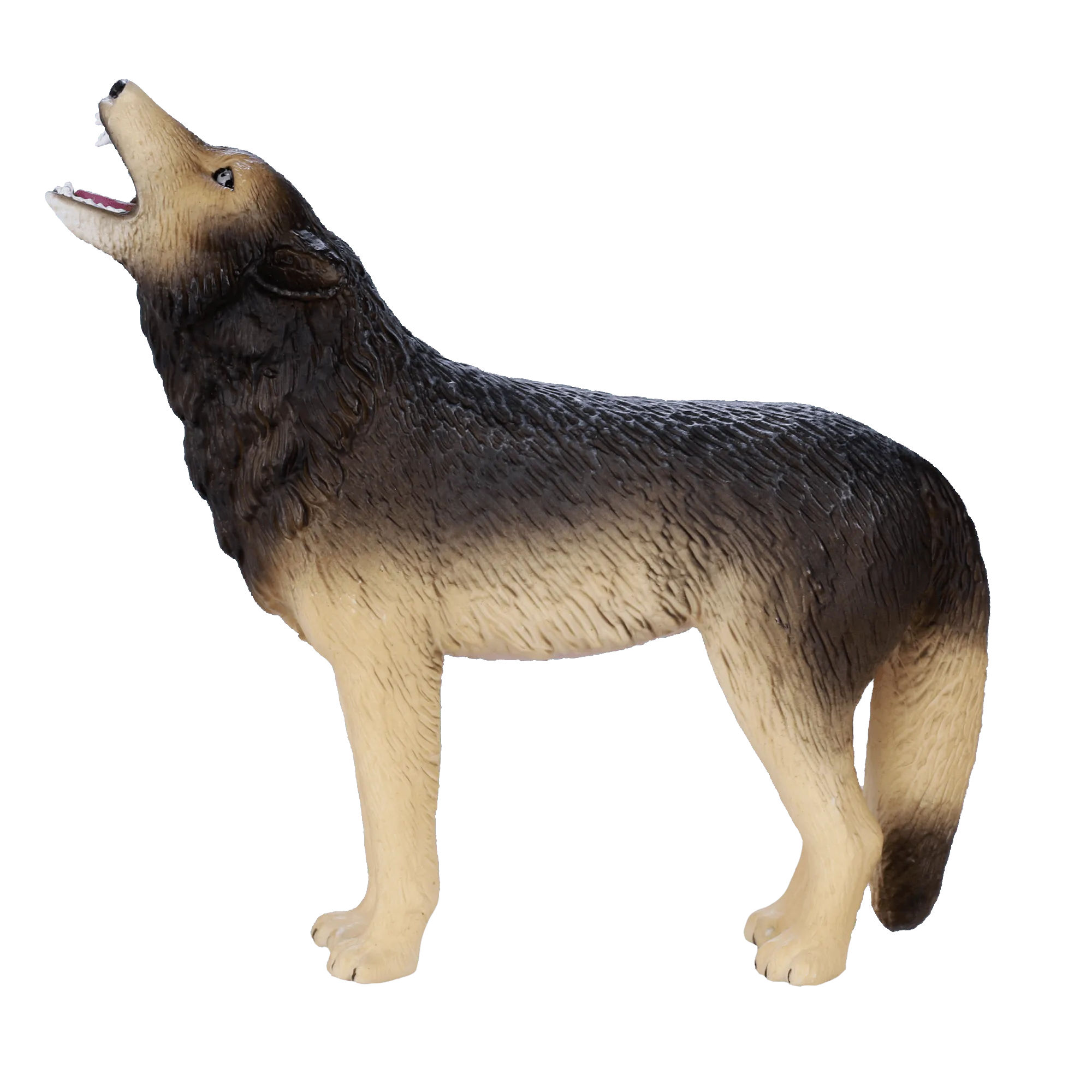
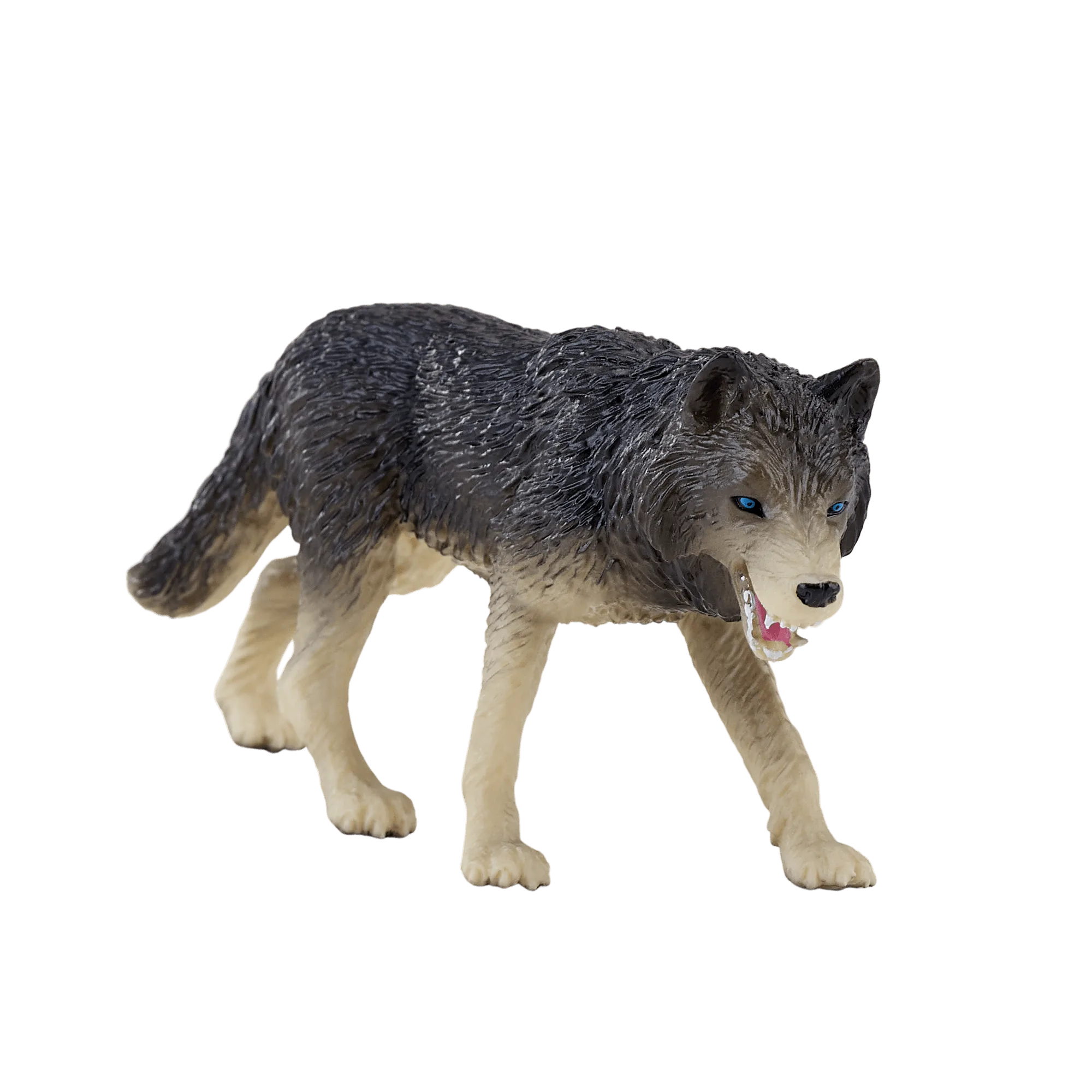
- https://mojofunmgb.com/products/timber-wolf-howling-b79bfeb2e7dd2819f40a95a4-1559139Timber Wolf Howling: The wolf is thought to be an ice age survivor, dating wolves around 300,000 years ago. A howling pose usually means a raised head and open mouth, which collect dust first; a soft brush reaches those recesses without pressing dust into the paint.
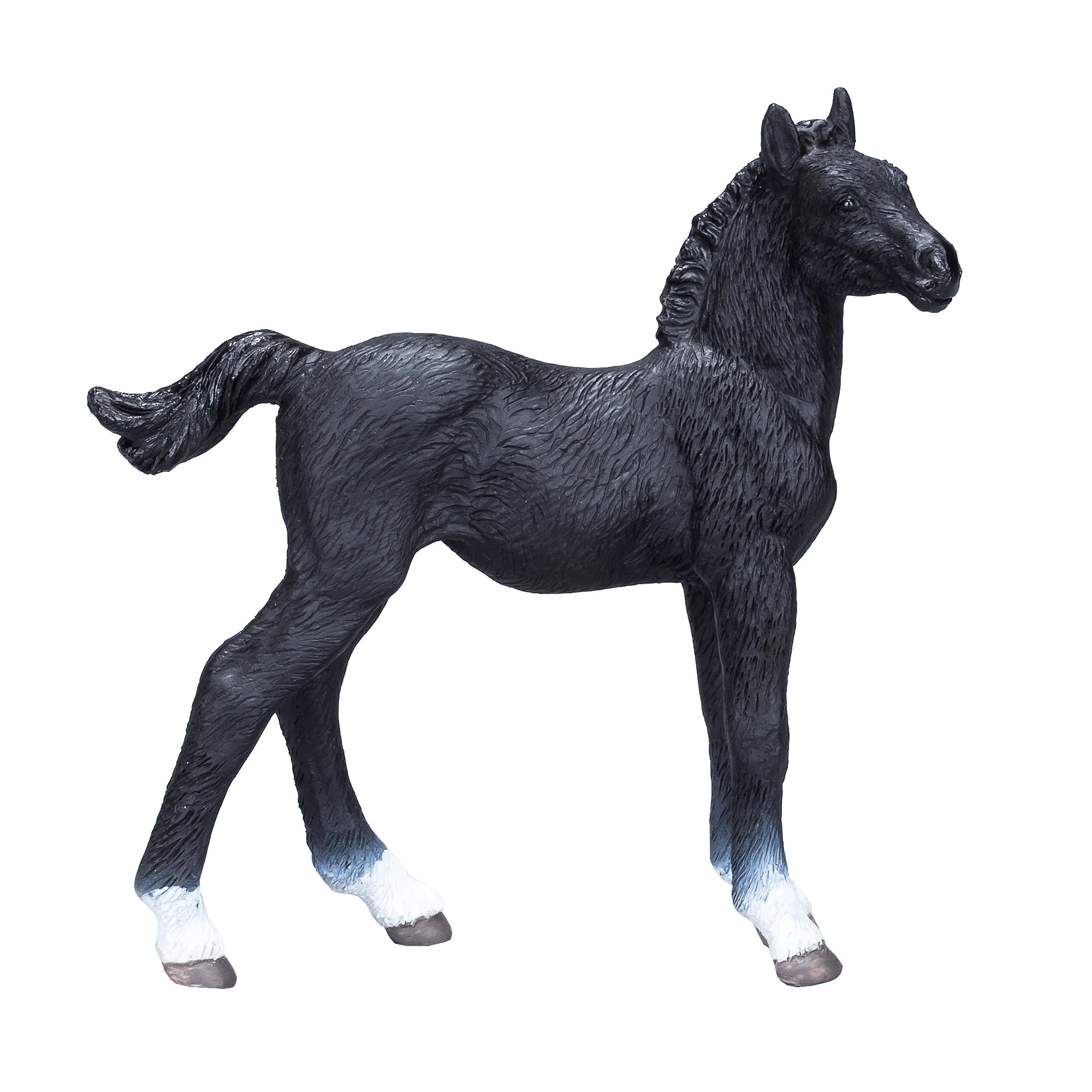
- Hanoverian Foal Black: The Hanoverian is a warmblood breed, a mix of light and heavy horse, and one of the oldest and most numerous warmbloods. Solid dark finishes show dust and lightening more readily than pale ones, so dust these on the shorter end of your schedule and keep them out of direct sun.
Good animal figure care comes down to three habits: dust gently and often, keep figures out of direct sun, and store them padded and separated. Do those consistently and most figures hold their finish for years.