Quick answer
Most claims about animal figure materials and packaging changes are half-true at best. Packaging has gotten lighter and more recyclable in many lines, and paint and finish work has improved, but the core material for most affordable figures is still a molded plastic. Don't assume a paperboard box means a compostable figure, and don't assume a low price means low detail. Judge each figure by the facts in front of you.
Every few months a new claim makes the rounds: figures are going fully biodegradable, packaging is disappearing, or cheap figures are secretly the same as premium ones. Some of these have a kernel of truth. Most get repeated far past what the evidence supports.
This is a myth-busting pass through five of the most common claims about animal figure materials, toy figure packaging changes, and animal figure manufacturing. Each one gets a clear verdict, and the reasoning stays inside what we can actually verify from product records rather than lab tests nobody ran.
Myth 1: Paperboard packaging means the figure is eco friendly
Verdict: False as a general rule. Switching a box from plastic blister to folded paperboard is a real packaging change, and it usually reduces plastic volume. But the figure inside is a separate decision. A paperboard sleeve tells you about the box, not the toy.
If eco friendly figurines matter to you, treat packaging and figure as two questions. Ask what the figure is made of, and ask what the packaging is made of. A brand can do one without the other, and many do.
- Check the figure material and the packaging material separately before assuming either is sustainable.
Myth 2: Cheaper figures use cheaper plastic, so detail suffers
Verdict: Not supported by the catalog. Price tracks size, complexity, and paint steps more than material grade. A small, single-color figure can cost a fraction of a large multi-part one even when both use the same base material.
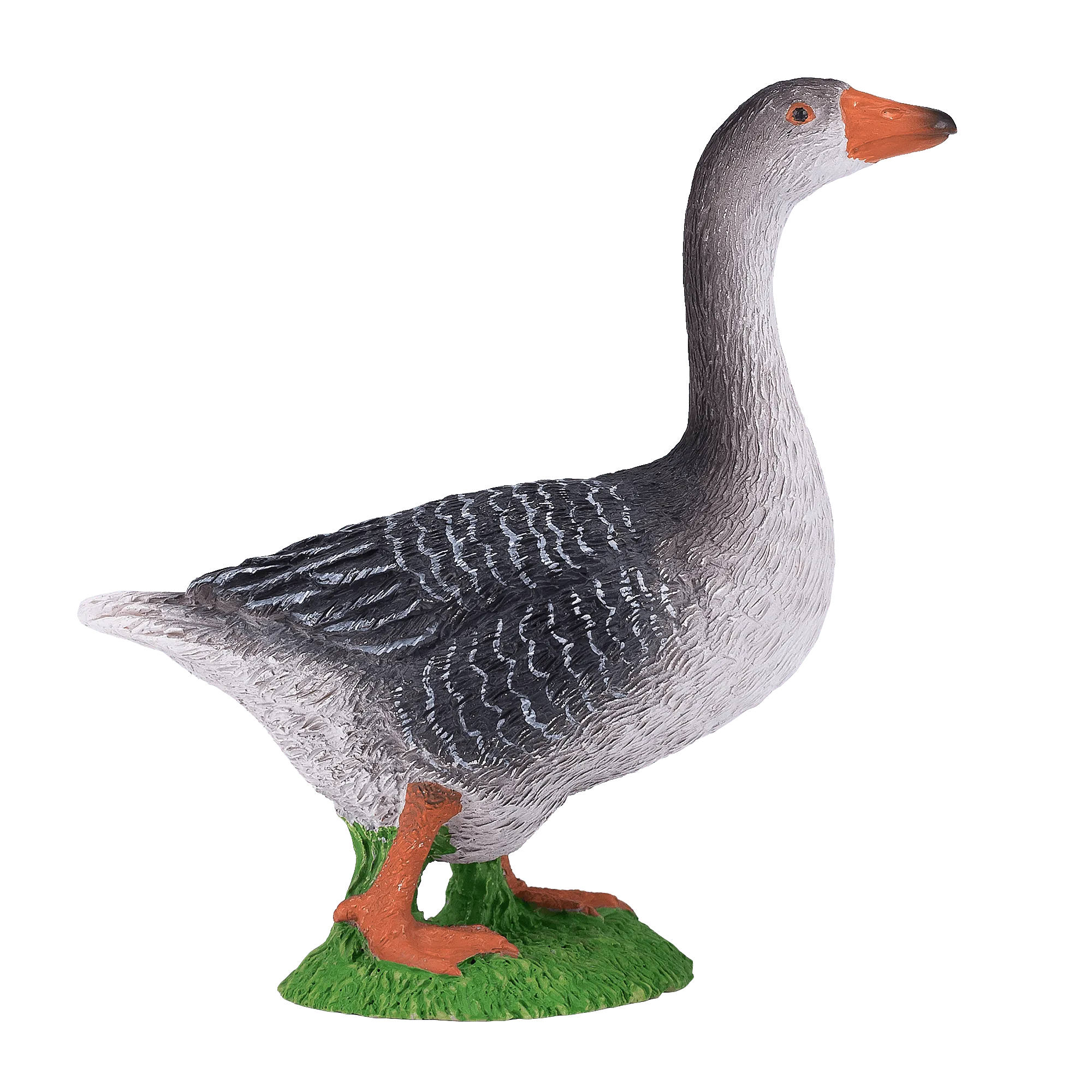
Compare a goose-white-21ddb6b0e147367889e67b5f-1558935">Goose White at USD 2.72 with a Deinonychus at USD 9.72. The Deinonychus is a larger, more complex sculpt with a retractable-claw feature described in its record. The gap reflects sculpt and part count, not a hidden downgrade in plastic.

Deinonychus
- Compare figures of similar size and part count before drawing conclusions about material quality.
Myth 3: Sustainable toy animal figures are already the norm
Verdict: Overstated. Some lines have moved toward recycled or bio-based content and lighter packaging, but the mainstream affordable figure is still molded plastic. That's not a scandal; it's what keeps a figure at a couple of dollars while holding paint detail.
What has genuinely changed is transparency. More brands now describe material and finish choices in product copy. Use that copy. If a record doesn't state a material, treat the material as unconfirmed rather than assuming the best or worst.
- When a listing doesn't name the material, don't fill in the blank yourself.
Myth 4: Packaging changes are purely a cost-cutting move
Verdict: Partly true, and that's fine. Lighter packaging lowers shipping weight and shelf waste, which lowers cost. It also happens to reduce material use. Both motives can be real at once.
For buyers, the practical effect is that more figures arrive in recyclable paperboard rather than sealed plastic. That's easier to recycle at home, but it offers less protection in transit. If a figure arrives with a bent ear or tail, packaging design is a common reason.
- Keep original packaging until you've inspected the figure, in case you need to return it.
Myth 5: Material trends change how a figure looks and ages
Verdict: True, within limits. Paint adhesion, surface finish, and how a figure handles dust and sunlight all depend on the material and coating, not just the sculpt. Two figures with identical shapes can age differently if their finishes differ.
This is why care advice matters more than material labels. Dust with a soft brush, keep figures out of direct sun, and store them so painted surfaces aren't rubbing against each other. Those habits do more for longevity than any single material upgrade.
- Dust with a soft brush and keep figures out of direct sunlight to protect painted finishes.
Verdicts at a glance
- Paperboard equals eco friendly figure: Packaging and figure material are separate choices. A paperboard box says nothing about what's inside. Verdict: False. Check both materials independently.
- Cheaper figures use worse plastic: Price tracks size, part count, and paint steps. A Goose White at USD 2.72 and a Deinonychus at USD 9.72 differ mainly in sculpt complexity. Verdict: Not supported. Compare like-for-like figures.
- Sustainable figures are already standard: Some lines use recycled or bio-based content, but the mainstream affordable figure remains molded plastic. Listings that don't state a material leave it unconfirmed. Verdict: Overstated. Read the product copy rather than assuming.
- Packaging changes are only about cost: Lighter packaging lowers shipping weight and material use at the same time. It also offers less transit protection. Verdict: Partly true. Inspect figures before discarding packaging.
- Material trends don't affect how figures age: Paint adhesion, finish, and resistance to dust and sunlight depend on material and coating, so care habits matter more than labels. Verdict: True within limits. Brush dust off and keep figures out of direct sun.
What the catalog actually shows
- Goose White: Described as an ultra-realistic toy figure with a lifelike design, priced at USD 2.72. A low price here reflects a compact, single-subject sculpt, not a compromised material. Good detail is available at entry prices.
- Deinonychus: A fast hunter whose name means terrible claw, with a large retractable hunting claw on each foot, priced at USD 9.72. The higher price tracks a larger, more complex sculpt with a described feature, which is the real driver of cost differences between figures.
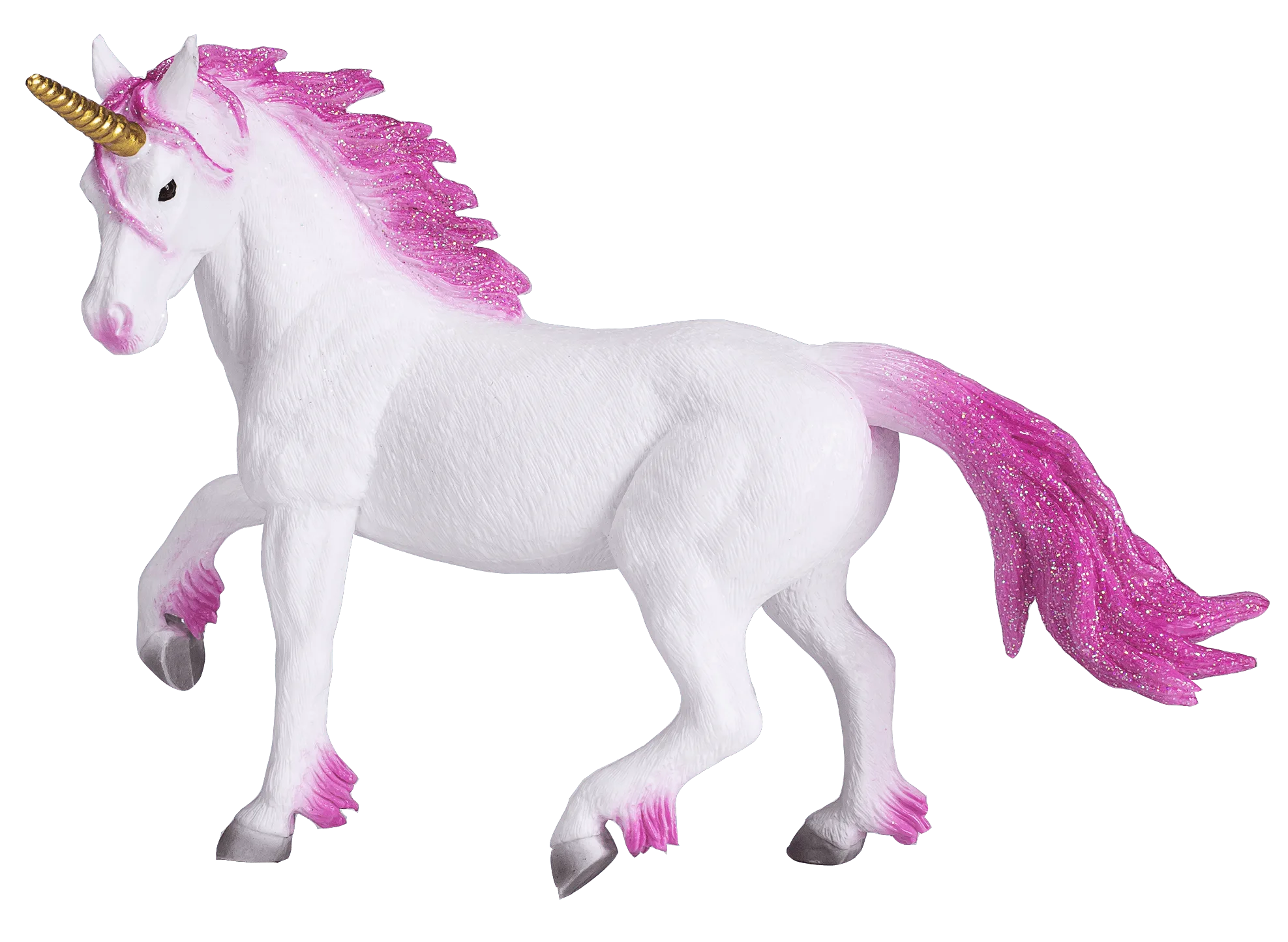
- Unicorn: The modern depiction is a white horse with a long spiraled horn, while medieval accounts described a creature the size of a donkey or goat with a deer's head and a lion's tail. Design choices like color and finish vary by intended depiction, so two figures of similar size can look and age differently based on paint work.
Treat material and packaging claims as questions, not conclusions. Check what a listing actually states, compare figures of similar size and complexity, and keep up basic care habits. That approach holds up better than any trend headline.