Quick answer
Animal figure scale is the ratio between a model's size and the real animal's size. A 1:20 scale figure is one-twentieth of life size, while a 1:12 figure is larger. Most toy animal brands do not publish a single consistent scale across their whole line, so the practical approach is to compare listed dimensions and group figures by relative size rather than trusting a ratio alone.
If you have ever lined up a tiger, a sheep, and a dinosaur on the same shelf and wondered why they look like they came from different planets, scale is the reason. Animal figure scale explained simply is the relationship between how big a model is and how big the real animal is. Get it right and your collection or play scene looks believable; ignore it and even beautifully painted figures can feel mismatched.
This guide answers the questions parents, teachers, and collectors actually ask about toy figure scale, animal model scale, and figurine scale guide basics, using real Mojo Fun USA products as examples. It also covers the honest limitation that many brands, including this one, do not print a scale ratio on every figure, so you sometimes have to work from dimensions instead.
What does a scale ratio like 1:20 actually mean?
A scale ratio compares the model to the real animal. In 1:20 scale, the figure is one-twentieth the size of the living animal in every dimension, so a 20-foot-long giant anteater would be about 12 inches in a 1:20 model. In 1:12 scale, the same animal would be roughly 20 inches, which is why smaller ratios mean bigger figures.
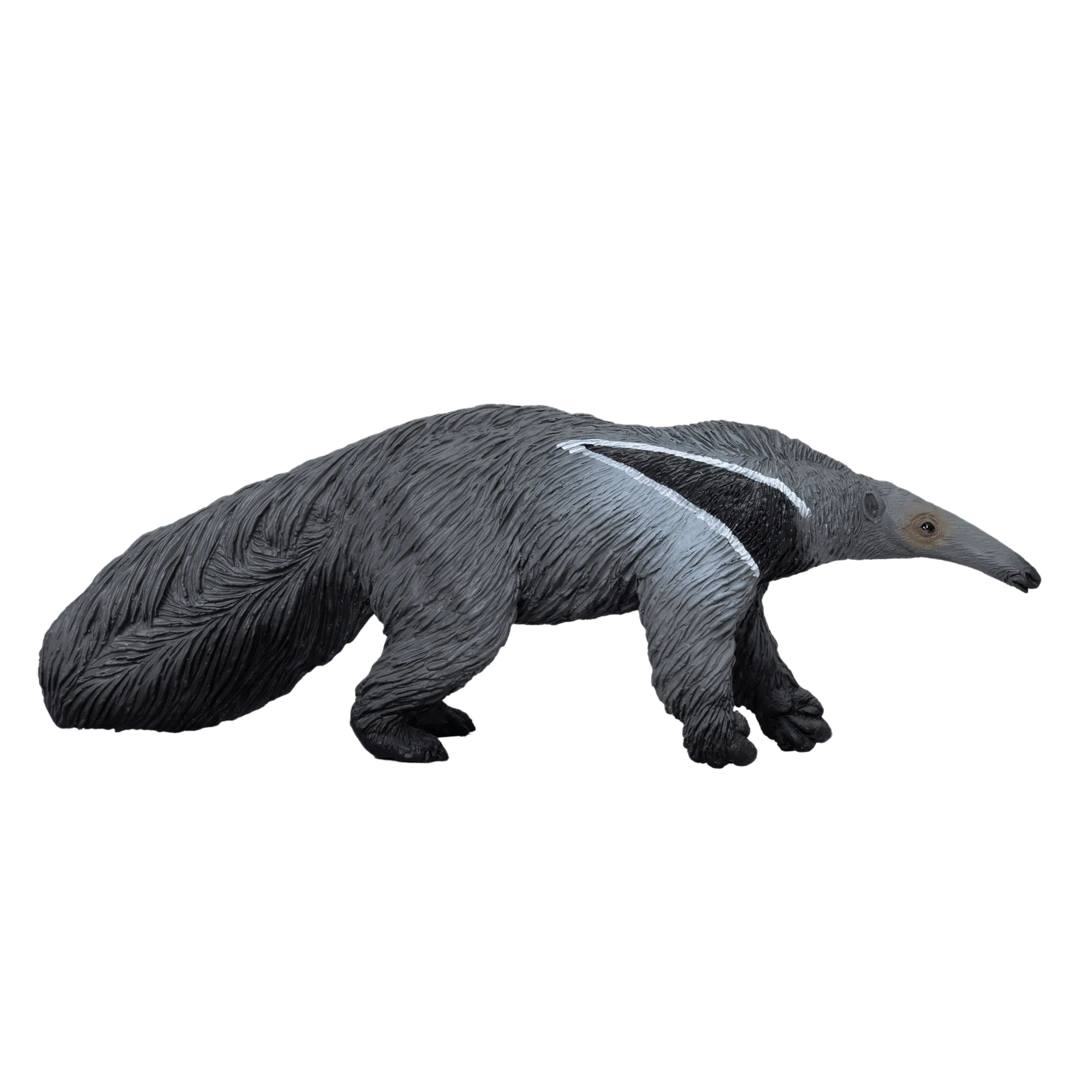
giant anteater
The confusion starts because toy animal brands rarely apply one ratio across an entire range. A company might make a small dog breed at 1:12 and a whale at 1:60 so both fit on a shelf. That is a display decision, not an error, but it means you cannot assume two figures from the same brand are in the same scale.
- Smaller second number means a larger model: 1:12 is bigger than 1:20.
- If no ratio is listed, treat the published dimensions as your scale reference.
Why do animal figures from the same brand vary in size?
Brands balance realism against practicality. A true-to-scale elephant next to a true-to-scale mouse would make the mouse nearly invisible, so manufacturers often enlarge small animals and shrink giant ones. This keeps every figure playable and shelf-friendly while still looking like the species it represents.
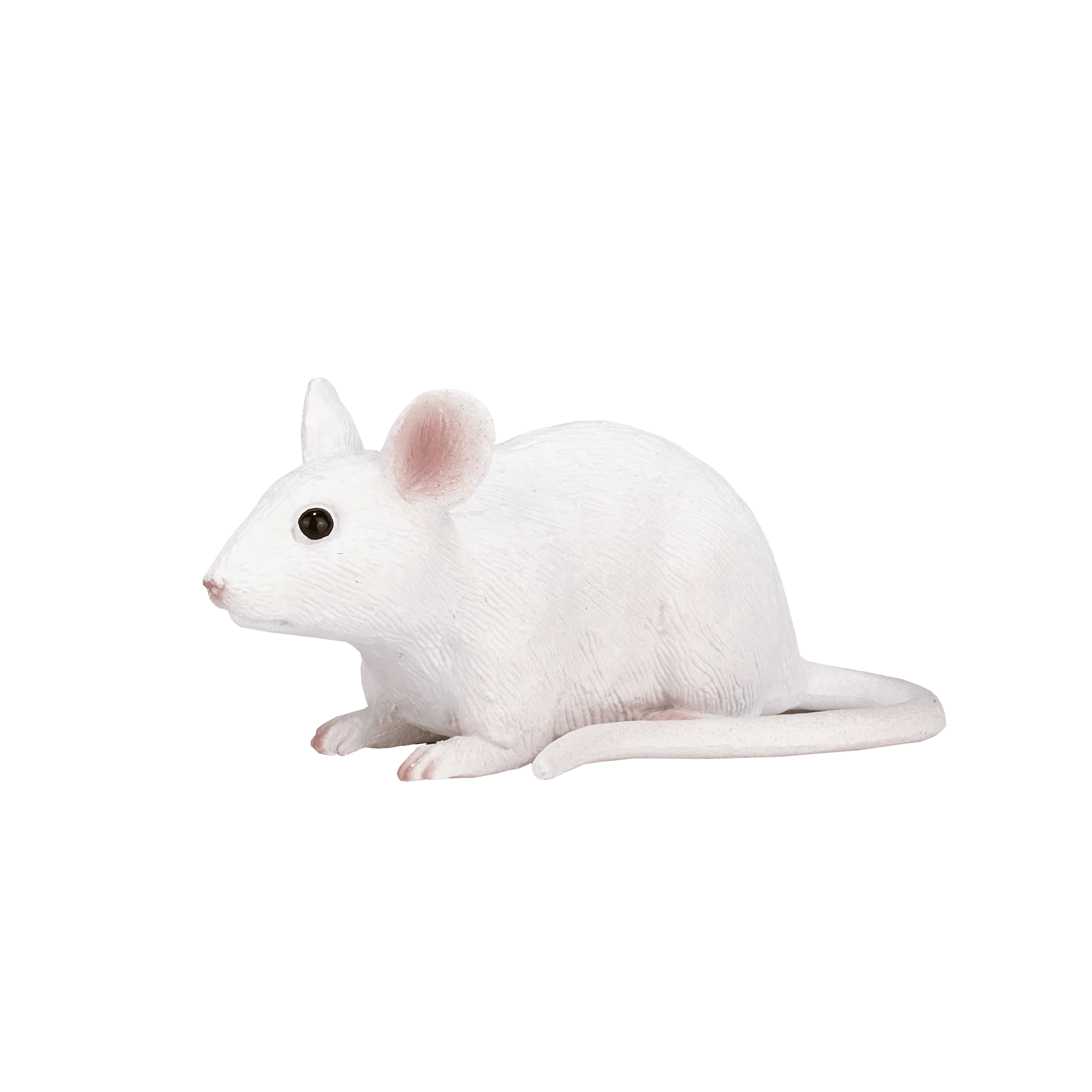
mouse
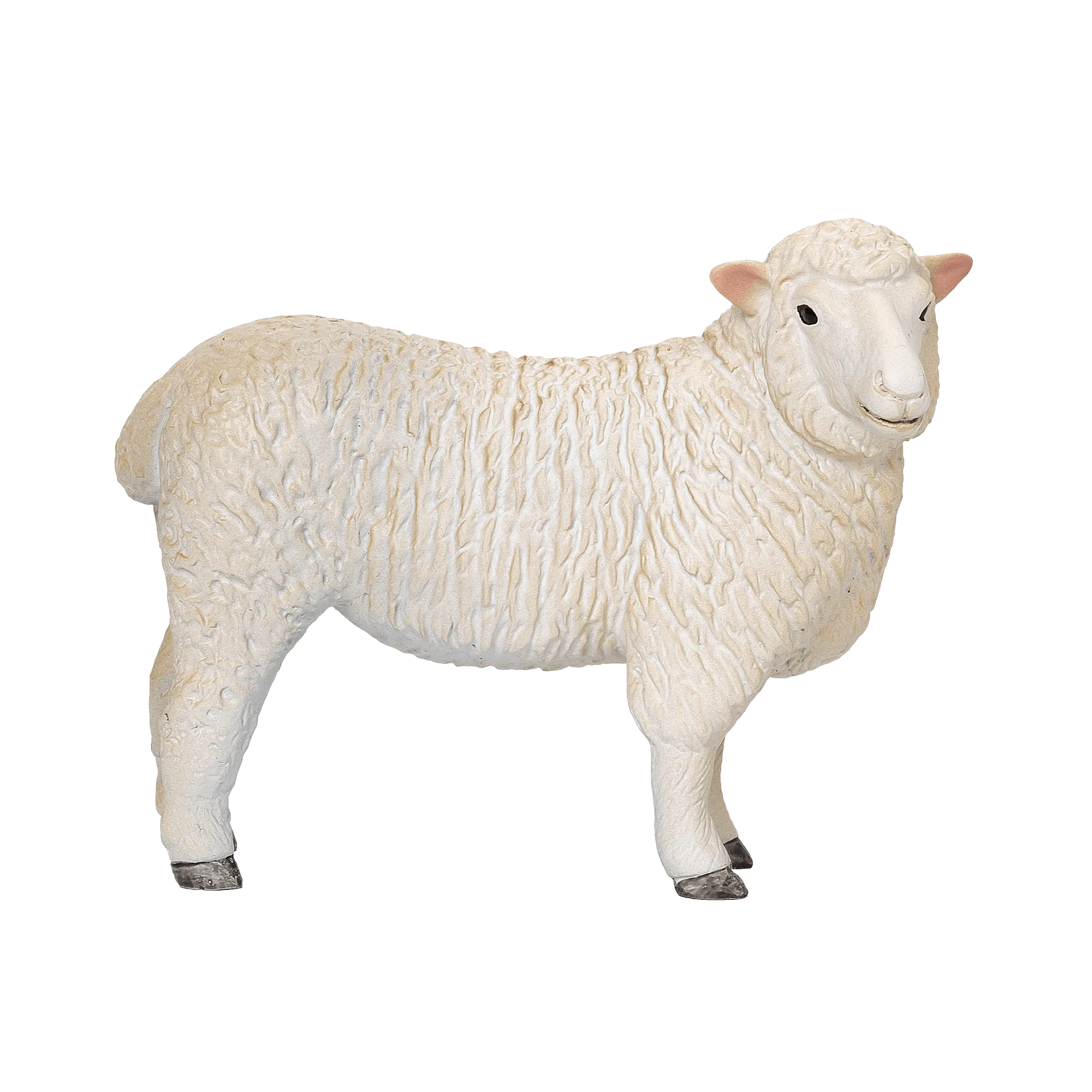
Mojo Fun USA figures follow this pattern. The Giant Anteater is described as the largest of the four anteater species, reaching eight feet from snout to tail in real life, while the Romney Sheep Ewe is a compact farm figure. Both are realistic models, but they are not sold as a matched set at one ratio.
- Expect small species to be slightly oversized and large species undersized.
- Group figures by visual size, not by brand, when building a scene.
How do I choose a scale for play versus display?
For children's play, scale matters less than durability and safe sizing. A figure that fits comfortably in a child's hand and survives being dropped is a better choice than a perfectly scaled miniature. Mojo Fun USA models are hand-painted and made from PVC, which is a practical material for both play and display.
For display, decide on a target scale before you buy. Diorama builders often standardize on 1:12, 1:18, or 1:35 so vehicles, buildings, and animals look consistent. If you mix scales on purpose, separate them into zones, such as a prehistoric shelf and a farm shelf, so the size jumps read as intentional.
- Play: prioritize size-in-hand and durability over exact ratios.
- Display: pick one target scale and buy within it where possible.
- Mixed collections: group by theme to hide scale differences.
Can I mix scales in one collection without it looking wrong?
Yes, if you give each scale its own context. A 1:12 farm scene and a 1:40 dinosaur scene can live in the same room as long as they are not blended into one lineup. Viewers read scale relative to what is next to a figure, so a sheep beside a T-Rex invites comparison, while a sheep beside a barn reads as a farm.
Another trick is to use scale-agnostic backdrops. Plain wooden shelves, neutral fabric, or single-species groupings reduce the visual cue that sizes are inconsistent. This is why many collectors organize by continent or habitat rather than by brand.
- Separate scales by shelf, theme, or habitat.
- Avoid placing a tiny species directly beside a giant one unless the size gap is the point.
What should I check before buying a figure online?
Check the listed dimensions first, since many product pages do not include a scale ratio. Compare those numbers to a figure you already own to judge whether the new one will fit your shelf or your child's hands. If dimensions are missing, treat that as a decision limitation and ask the seller before buying.
Also look at the animal's real-world size as a sanity check. A figure of a giant anteater should be noticeably longer than a figure of a sheep if both are roughly the same scale. If the numbers seem off, the figures are likely from different scale families, which is common and not a defect.
- Compare listed dimensions against a figure you already own.
- Ask for measurements if the listing omits them.
- Use real animal size as a quick reality check on relative scale.
Scale questions, answered fast
Does every animal figure have a scale ratio?
No. Many toy and collectible animal brands, including Mojo Fun USA, do not print a ratio on every figure. Use the listed dimensions and the real animal's size to estimate relative scale. Treat missing ratios as normal, not as a red flag.
Is a 1:12 figure bigger than a 1:20 figure?
Yes. The second number is the divisor, so 1:12 means one-twelfth of life size, which is larger than one-twentieth. Smaller second numbers always mean bigger models. Remember: smaller number, bigger figure.
Can I mix Mojo Fun USA figures with other brands?
You can, but check dimensions first. Different brands size the same species differently, so a Mojo Fun USA tiger and another brand's tiger may be noticeably different lengths even if both look realistic. Compare measurements, not brand names, when mixing.
What scale is best for a child's first collection?
Choose figures that fit comfortably in a child's hand and are durable enough for play. Exact scale matters less than safe sizing and sturdy construction at this stage. Prioritize playability over ratio precision for young children.
Scale in practice: real Mojo Fun USA examples
- Giant Anteater: The giant anteater is the largest of the four anteater species and can reach eight feet long from snout to tail, with no teeth and a long tongue that laps up ants and termites. Because the real animal is so long, even a reduced-scale model takes up significant shelf space, so measure before you buy if space is tight.
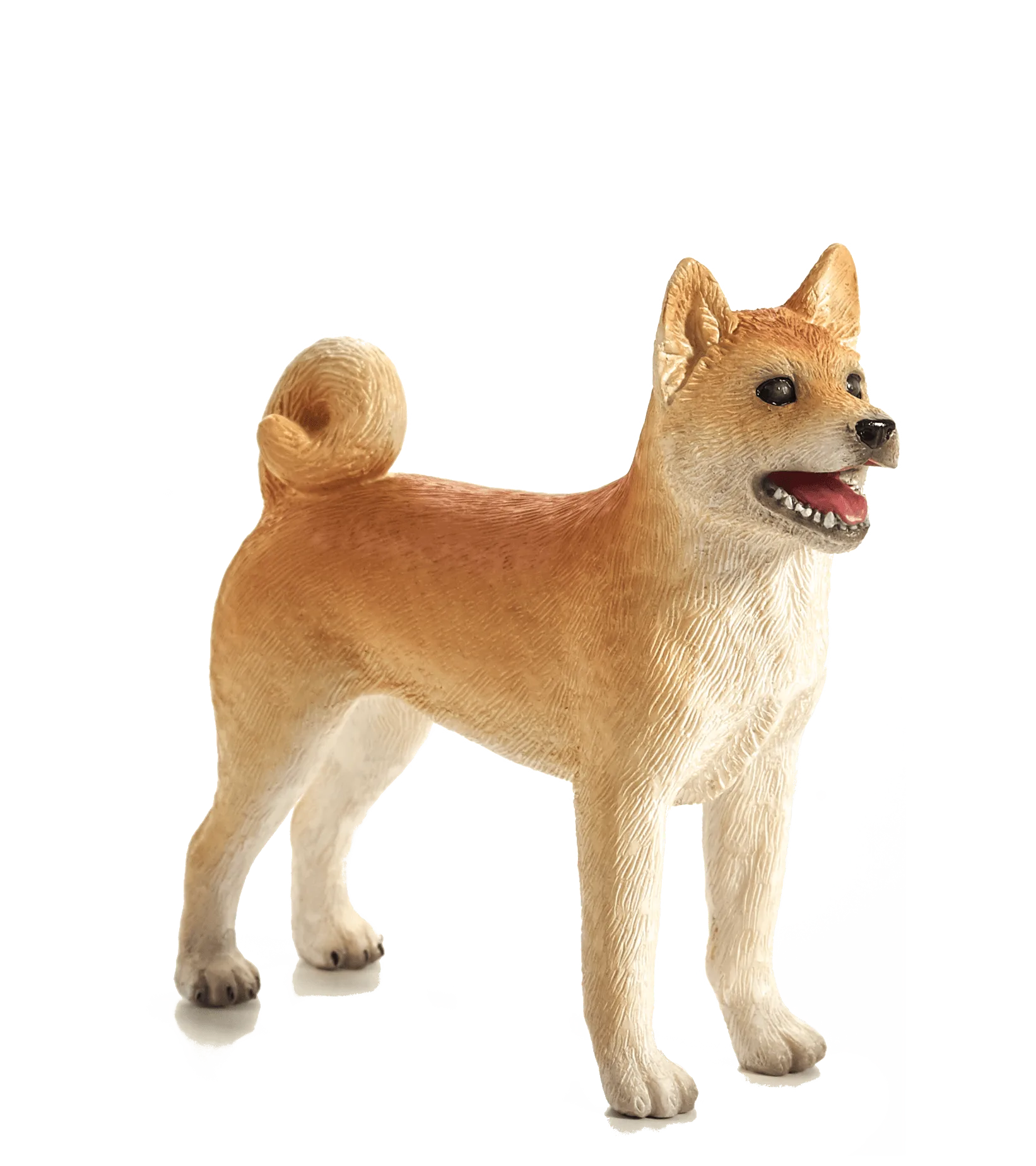
- Shiba Inu: The Shiba is one of Japan's six native breeds and the smallest of them, known for small upright ears and cat-like agility. A small real-world dog means a small model at most common scales, which makes the Shiba a good fit for crowded shelves and small hands.
- Deluxe T Rex with Articulated Jaw: Tyrannosaurus rex is one of the best-known dinosaurs thanks to its huge size, ferocious nature, and well-preserved fossils studied by paleontologists worldwide. A life-size T-Rex is impossible to model at typical figure scales, so expect this figure to be sized for play and display rather than strict ratio accuracy.
- Romney Sheep Ewe: The Romney Sheep Ewe is a plastic play figure suited to farm animal collections or range play. Farm figures are often grouped at a similar visual size regardless of species, so this ewe pairs naturally with other farm models rather than with wildlife.
Animal figure scale explained comes down to one habit: check the dimensions, compare them to the real animal, and group figures by size and theme rather than by brand. Do that and your shelf, diorama, or play bin will look intentional, whether you are lining up a Shiba Inu, a Romney Sheep Ewe, or a Deluxe T Rex with Articulated Jaw.