Quick answer
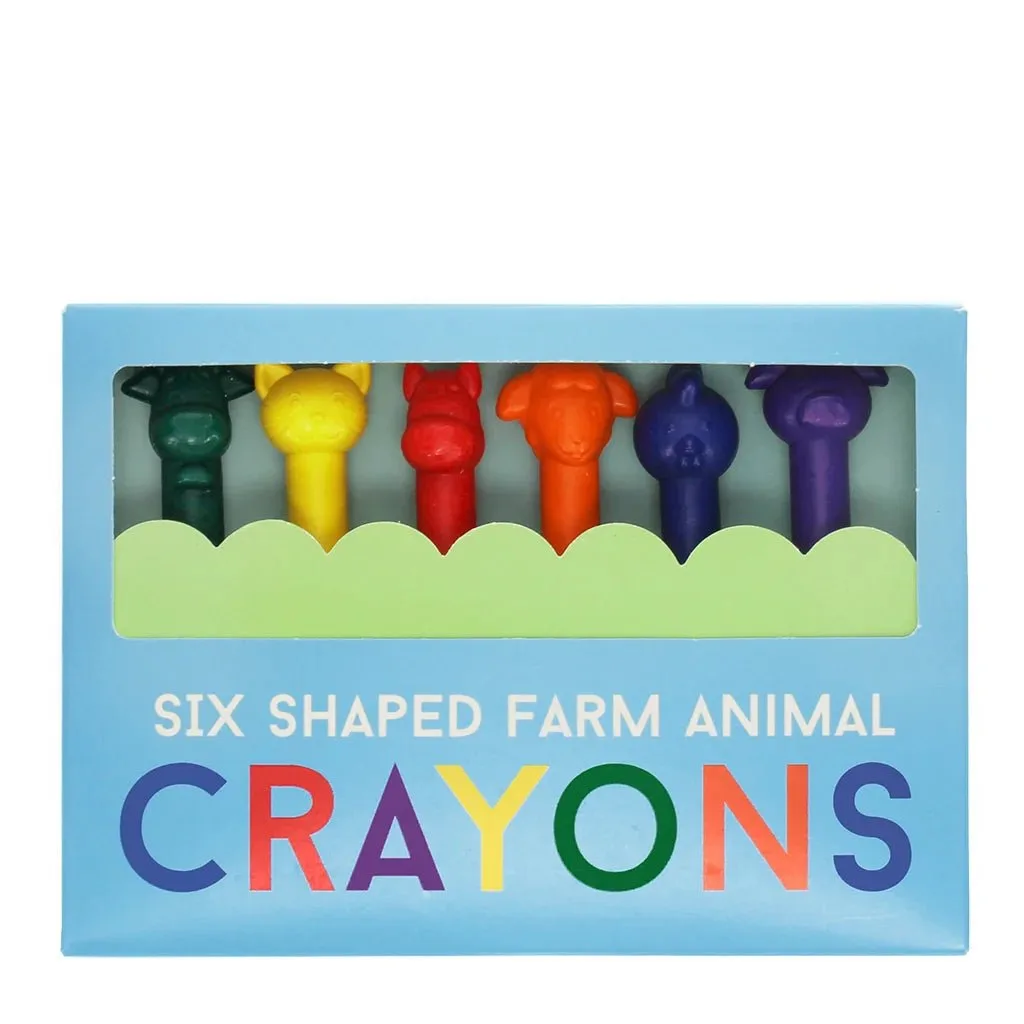
Animal Head Crayons (set of 6) work best as a first drawing tool and a story-starter, not as a precision art supply. Their chunky 10.5cm length and 1cm diameter suit small hands, and the six fixed animal-colour pairs give you a ready-made matching game. Pair them with a wipe-clean surface or an apron if your child likes to press hard and wander off the paper.
Match the craft to your child's age and grip
A crayon that is too thin gets gripped in a fist; one that is too long gets snapped. At roughly 10.5cm long and 1cm across, these crayons sit in the middle: long enough for a whole-hand grip, thick enough that a three-year-old can make a mark without pressing the tip flat. If your child is still mouthing objects, treat the animal heads as a choking-style risk and supervise closely, because the heads are decorative and not designed as teething pieces.
For ages two to four, keep the session to one or two crayons and a single large sheet. For ages five to seven, the full set becomes a sorting and naming tool as much as a drawing tool. Older children who want fine outlines will get frustrated by the wide line, so offer a standard pencil alongside these rather than replacing it.
Three low-prep craft ideas that use the animal-colour pairing
The set pairs each animal with a fixed colour: cow with green, cat with yellow, horse with red, sheep with orange, chicken with blue, and pig with purple. That fixed pairing is the whole trick. Instead of asking a child to choose a colour, you can ask them to find the animal, which removes decision fatigue and keeps the activity moving.
Try a rubbing-plate hunt: place a sheet over a textured surface such as a coin, a leaf, or a plastic tray, then ask your child to rub the matching animal crayon over it. Try a story strip: fold paper into six boxes, draw one animal in each box, and ask your child to tell you what happens next. Try a colour-sort tray: put six small toys or blocks on a tray and have your child place the matching animal crayon beside each one. Each activity takes under five minutes to set up and uses only the crayons and paper you already have.
Crayon drawing tips for children who press hard or wander
Most crayon frustration comes from paper sliding or tips flattening. Tape the paper to the table at two corners before your child starts. If the tip flattens, turn the crayon slightly rather than sharpening it, because these crayons do not come with a sharpener and the animal head makes a standard sharpener awkward to use.
Keep a damp cloth nearby for hands. Crayon marks on tables usually lift with a warm damp cloth and a little dish soap, but marks on fabric are harder, so an apron or an old shirt is the practical move for a child who likes to lean on the paper.
Decision rules for buying and using crayon craft supplies
- If your child is under three: Choose a larger, single-piece drawing tool and supervise closely; the animal heads on this set are decorative and should not be treated as teething or mouthing toys. Skip this set until mouthing stops, or use it only at a table with an adult within arm's reach.
- If your child wants outlines and detail: Use these crayons for colour blocks and background fill, and keep a standard pencil or fine-liner for outlines. Buy the set as a supplement, not as the only drawing tool for a detail-focused child.
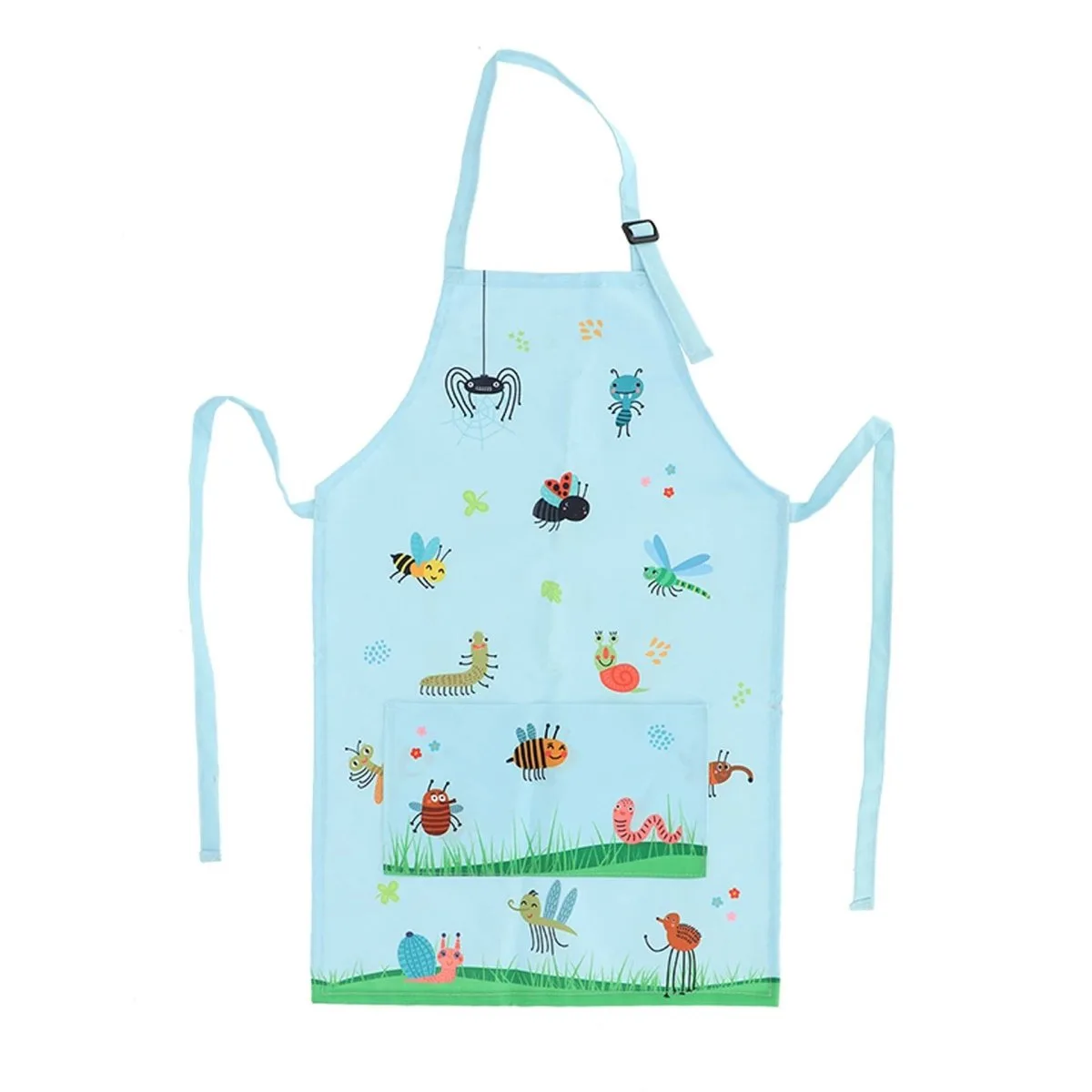
- If mess is the main worry: Add a wipe-clean apron with a pocket, such as the Kid's Insect Apron, and tape paper down before the session starts. One apron plus one taped sheet removes most of the cleanup and paper-sliding complaints.
Product facts that shape the decision
- Animal Head Crayons (set of 6): Set of six crayons, each with a distinct animal head and a fixed colour pairing (cow/green, cat/yellow, horse/red, sheep/orange, chicken/blue, pig/purple). The fixed pairs make matching and sorting games possible without extra printed cards.
- Kid's Insect Apron: Kid's Insect Apron has a back tie, adjustable neck strap, and a storage pocket, and can also be used in the kitchen. It covers the clothes during messy crayon sessions and the pocket holds crayons or paper scraps between activities.
Who this crayon set fits
Best for
- Children aged three to seven who are learning to grip and name colours
- Parents who want a low-prep table activity that doubles as a sorting game
- Gift-givers looking for a small animal-themed craft add-on
Not for
- Children who still mouth crayons or small parts
- Older children who need fine, sharp lines for detailed drawing
- Anyone expecting a sharpener or a storage tin in the set