Quick answer
Anime art sleeves and plain standard sleeves protect cards in different ways. Art sleeves add a printed layer and often a matte or foil finish, which improves grip and looks but can wear at the edges. Plain standard sleeves are simpler and usually cheaper per sleeve, but they offer no artwork. For most players, the best protection comes from matching the sleeve's printed dimensions to your card size and using an outer sleeve over art sleeves during heavy shuffling.
What actually protects a card: fit, thickness, and finish
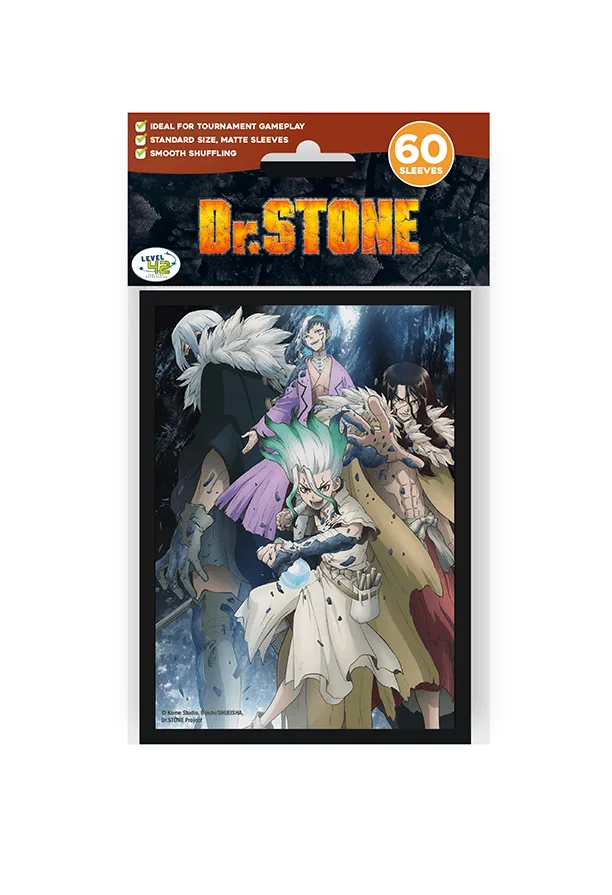
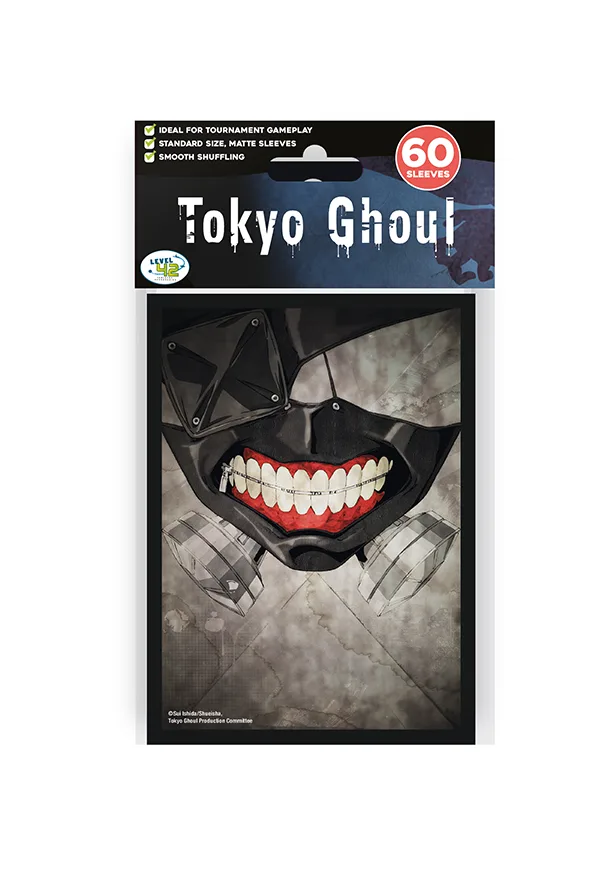
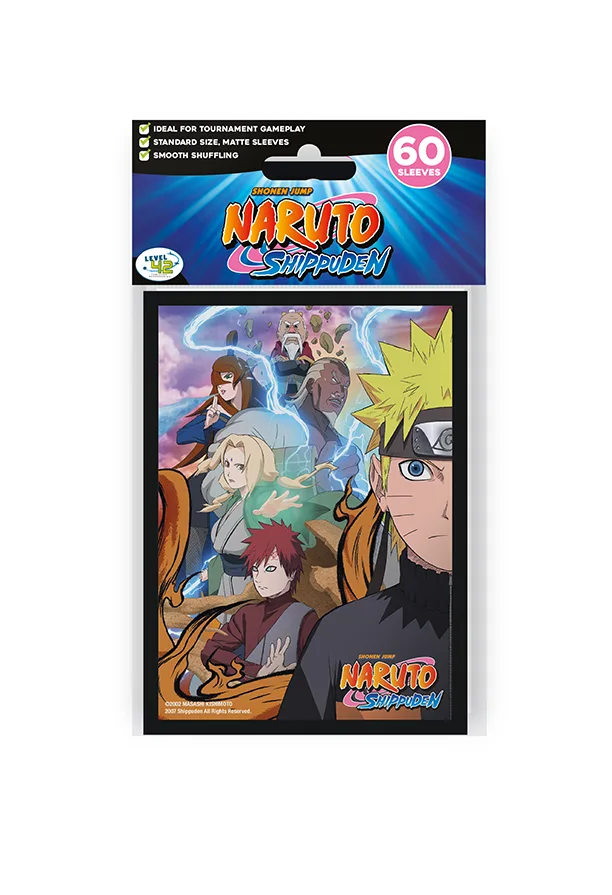
Protection starts with fit. A sleeve that is too loose lets the card slide and pick up edge nicks; one that is too tight can bow the card or split at the seam. The supplied catalog lists exact dimensions for several officially licensed options, so you can compare before buying. For example, the Dr Stone Fight Team sleeves measure 92 mm by 66 mm, while the Tokyo Ghoul The Mask and Naruto Ninja Fight sleeves measure 89 mm by 62 mm. Those few millimeters decide whether a sleeve fits a Magic-sized card or a Yu-Gi-Oh-sized card. Finish matters too: a matte finish reduces glare and improves shuffle feel, while foil details add visual pop but can sit slightly raised. Neither finish changes the base plastic's durability, so treat finish as a comfort and style choice rather than a protection upgrade.
Where art sleeves win and where they give up ground
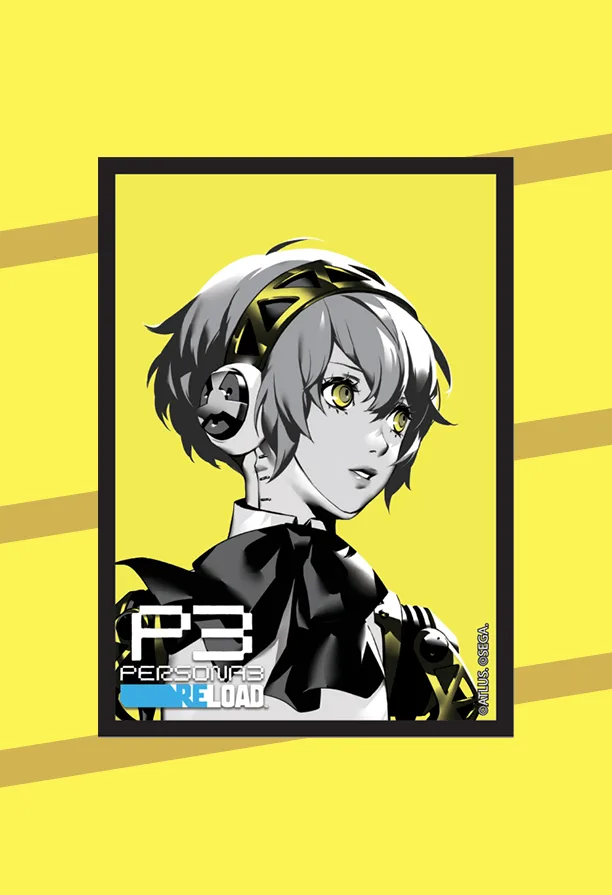
Art sleeves win on identity and table presence. The Aigis Persona 3 Reload sleeves, for instance, use a matte finish with foil details, which makes them stand out during play and gives a slightly textured grip that many players prefer for drawing and shuffling. The trade-off is that printed surfaces can show scuffs along the top edge after repeated shuffling, especially if you riffle hard. Plain standard sleeves avoid that cosmetic wear because there is no print to scratch, but they also give you no art and no foil. If you play in a sleeve-friendly environment and want your deck to look like your favorite series, art sleeves are the better choice. If you shuffle aggressively or share decks often, plain sleeves will look newer longer.
How to layer sleeves for the best of both
The most protective setup for art sleeves is double-sleeving: put the card in the art sleeve, then slide the art sleeve into a clear outer sleeve. This keeps the printed surface away from your hands and the table, which is where most edge wear happens. It also adds a second barrier against spills and grit. The cost is thickness and price: double-sleeved decks are taller, may not fit every deck box, and you pay for two sleeves per card. If you only play casually at home, single-sleeving art sleeves is fine. If you travel to tournaments or play on rough tables, the outer sleeve is worth it. Check your deck box interior height before committing.
Sleeve count and price per card
Sleeve count changes the real cost. The Dr Stone, Tokyo Ghoul, and Naruto options each come with 60 sleeves, which covers a standard 60-card deck but leaves no spares for sideboards or damaged replacements. The Aigis sleeves do not list a count in the supplied catalog facts, so check the product page before assuming you can sleeve a full deck from one pack. When comparing price, divide the catalog price by the sleeve count to get a per-card cost, then factor in whether you need one pack or two. Buying two packs of a 60-count sleeve is often cheaper than buying one oversized pack, and it gives you replacements.
Trade-offs at a glance
- Art sleeves: looks and grip: Printed art and finishes like matte or foil make decks stand out and can improve shuffle feel, but the printed surface can scuff at the top edge over time. Choose art sleeves if table presence matters and you are willing to double-sleeve for heavy play.
- Plain standard sleeves: durability and cost: No print means no print wear, and plain sleeves are usually cheaper per sleeve, but you give up artwork and some grip texture. Choose plain sleeves if you shuffle hard, share decks, or want the lowest cost per card.
- Fit is the real protection decision: A 92x66 mm sleeve fits Magic-sized cards, while an 89x62 mm sleeve fits Yu-Gi-Oh-sized cards. The wrong size protects poorly no matter how nice the art is. Measure your cards first, then pick the sleeve size that matches.
Product facts
- Officially Licensed Persona 3 Reload Standard Card Sleeves - Aigis: Officially licensed Persona 3 Reload standard card sleeves featuring Aigis, with a matte finish and foil details. The matte finish improves shuffle feel and reduces glare, while foil details add a premium look; both are cosmetic and grip benefits rather than a change in base plastic durability.
- Sleeves - Officially Licensed Dr Stone Sleeves - Fight Team: Dr Stone Fight Team sleeves measure 92 mm by 66 mm and come in a 60-count pack. The 92x66 mm size fits Magic-sized cards; the 60 count covers a standard deck but leaves no spares, so consider a second pack for replacements.
- Sleeves - Officially Licensed Tokyo Ghoul Sleeves - The Mask: Tokyo Ghoul The Mask sleeves measure 89 mm by 62 mm and come in a 60-count pack. The 89x62 mm size fits Yu-Gi-Oh-sized cards; check your card size before buying, since these will not fit Magic-sized cards well.
- Sleeves - Officially Licensed Naruto Sleeves - Ninja Fight: Naruto Ninja Fight sleeves measure 89 mm by 62 mm and come in a 60-count pack. Same Yu-Gi-Oh-sized fit as the Tokyo Ghoul sleeves, so you can mix art styles across decks that use that card size.
Which should you buy?
Best for
- Players who want their deck to match a favorite anime series and do not mind occasional edge scuffs
- Collectors displaying decks on a shelf or in a binder where visual appeal matters
- Casual players who shuffle gently and want a matte or foil finish
Not for
- Players who riffle shuffle aggressively and want sleeves to look new after dozens of games
- Anyone who needs a specific card size not covered by the listed dimensions
- Buyers who want the absolute lowest cost per sleeve and do not care about artwork