Walking into the world of anime figures can feel overwhelming. Shelves are packed with colorful characters in every pose, size, and price point. Terms like 'prize figure,' 'scale figure,' and 'PVC' get thrown around, but what do they actually mean? Understanding the different types and materials is the key to building a collection you love without overspending.
Whether you're hunting for your first figure or adding to an established shelf, this guide breaks down the basics. We'll cover the main categories, the materials used, and how to choose based on your budget and display goals. By the end, you'll know exactly what to look for when browsing a store like TOHO animation Store.
The Main Types of Anime Figures
Anime figures generally fall into a few broad categories: prize figures, scale figures, and art figures. Prize figures are designed for arcade and crane games in Japan, but they're widely sold at retail. They're affordable, often under $50, and made in large quantities. Their quality has improved dramatically in recent years, making them a fantastic entry point for new collectors.
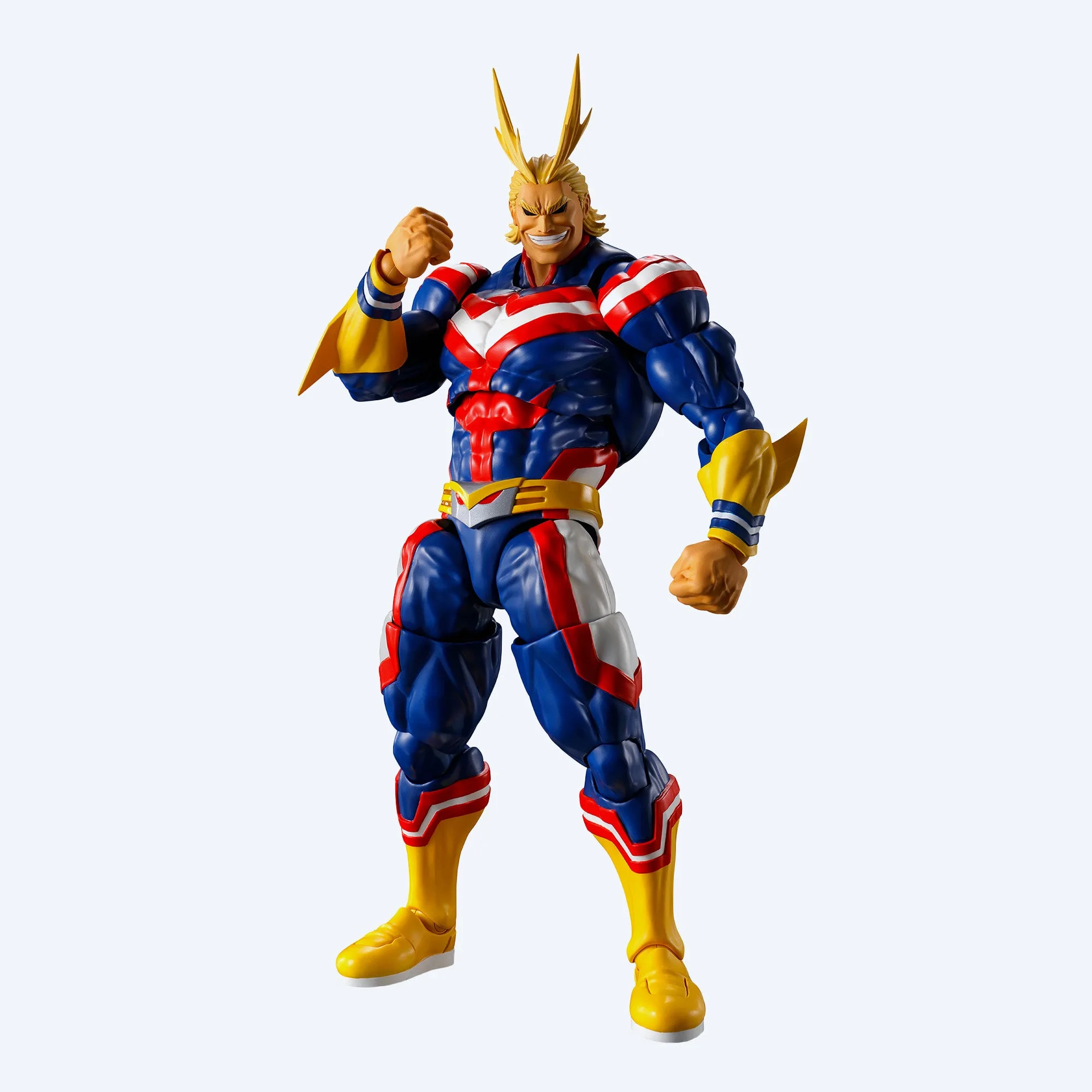
Scale figures are larger, more detailed, and produced in limited numbers. They're typically 1/7 or 1/8 scale and come with a higher price tag. Art figures, like those from the Artfx line, focus on dynamic poses and premium sculpting. They sit between prize and scale in terms of price and detail, offering a middle ground for collectors who want more than a basic figure without the full scale-figure cost.
- Prize figures: budget-friendly, often under $50, great for beginners.
- Scale figures: larger, highly detailed, and more expensive.
- Art figures: dynamic poses and premium sculpting at a mid-range price.
Understanding Figure Materials: PVC, ABS, and More
Most anime figures are made from PVC (polyvinyl chloride) or ABS (acrylonitrile butadiene styrene). PVC is soft and flexible, making it ideal for capturing fine details like hair strands and fabric folds. ABS is harder and more rigid, often used for joints, bases, and accessories. Many figures combine both materials for the best of both worlds.
When you see a product described as a 'PVC figure,' it usually means the main body is PVC. This is the standard for most prize and scale figures. Some high-end figures use other materials like polystone or cold-cast porcelain, but these are rare and expensive. For most collectors, a well-made PVC figure offers excellent durability and detail at a reasonable price.
- PVC: soft, flexible, and great for detailed sculpts.
- ABS: hard and rigid, used for supports and accessories.
- Hybrid: many figures combine PVC and ABS for stability.
Prize Figures vs. Scale Figures: Which Is Right for You?
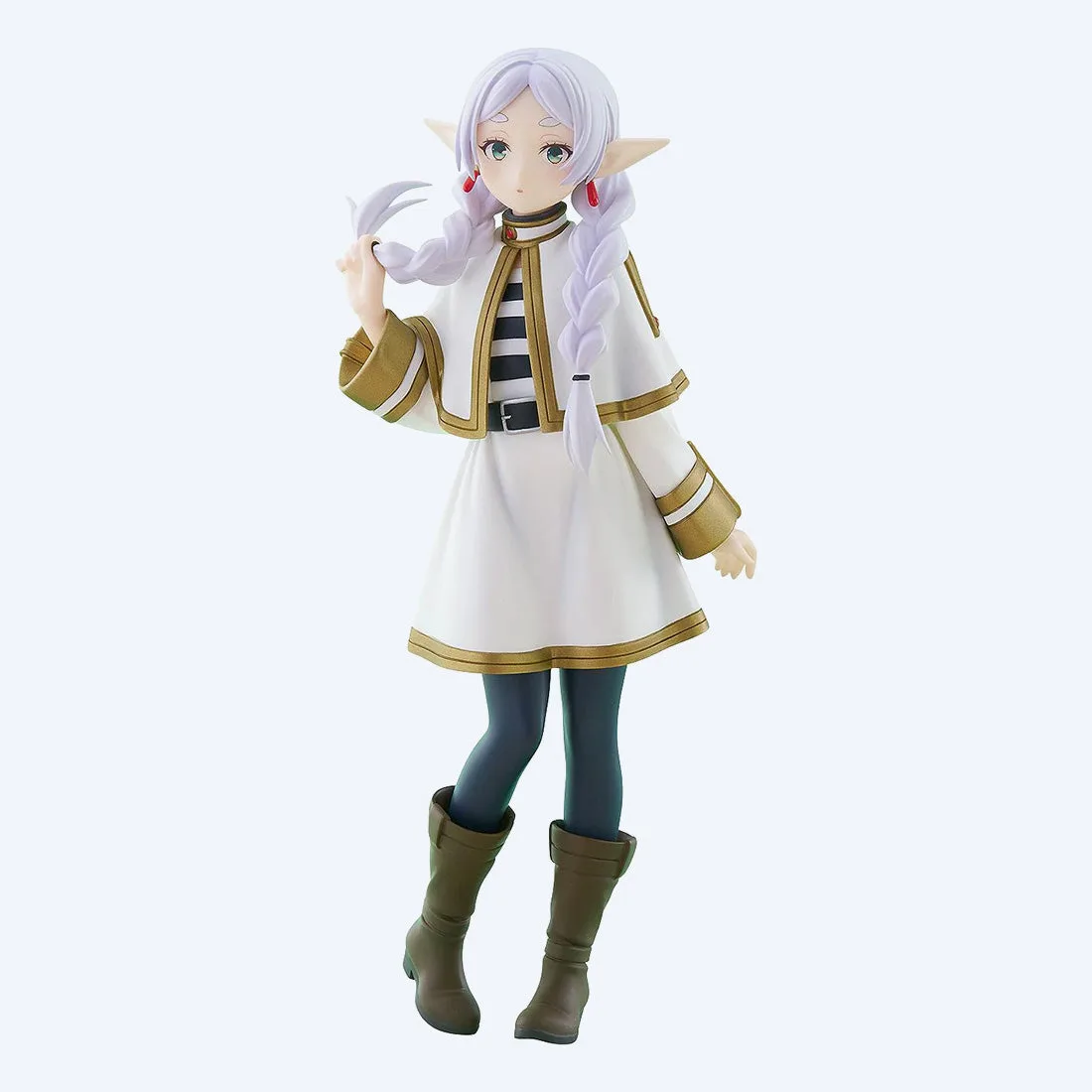
Prize figures are the most accessible. They're compact, affordable, and often based on popular scenes or outfits. For example, the Frieren: Beyond Journey's End Frieren Coreful Figure is a prize figure that captures the character in a dynamic pose without breaking the bank. It's an excellent choice for testing your interest in a series or filling out a shelf.
Scale figures, on the other hand, are investment pieces. They're larger, more detailed, and often come with elaborate bases or interchangeable parts. If you have a favorite character you absolutely love, a scale figure is worth the splurge. But for casual fans or those on a budget, prize figures offer plenty of charm and quality.
- Prize figures: great for variety and testing new series.
- Scale figures: ideal for your absolute favorite characters.
- Consider your budget and display space before choosing.
Specialty Figures: Q Posket, Pico, and More
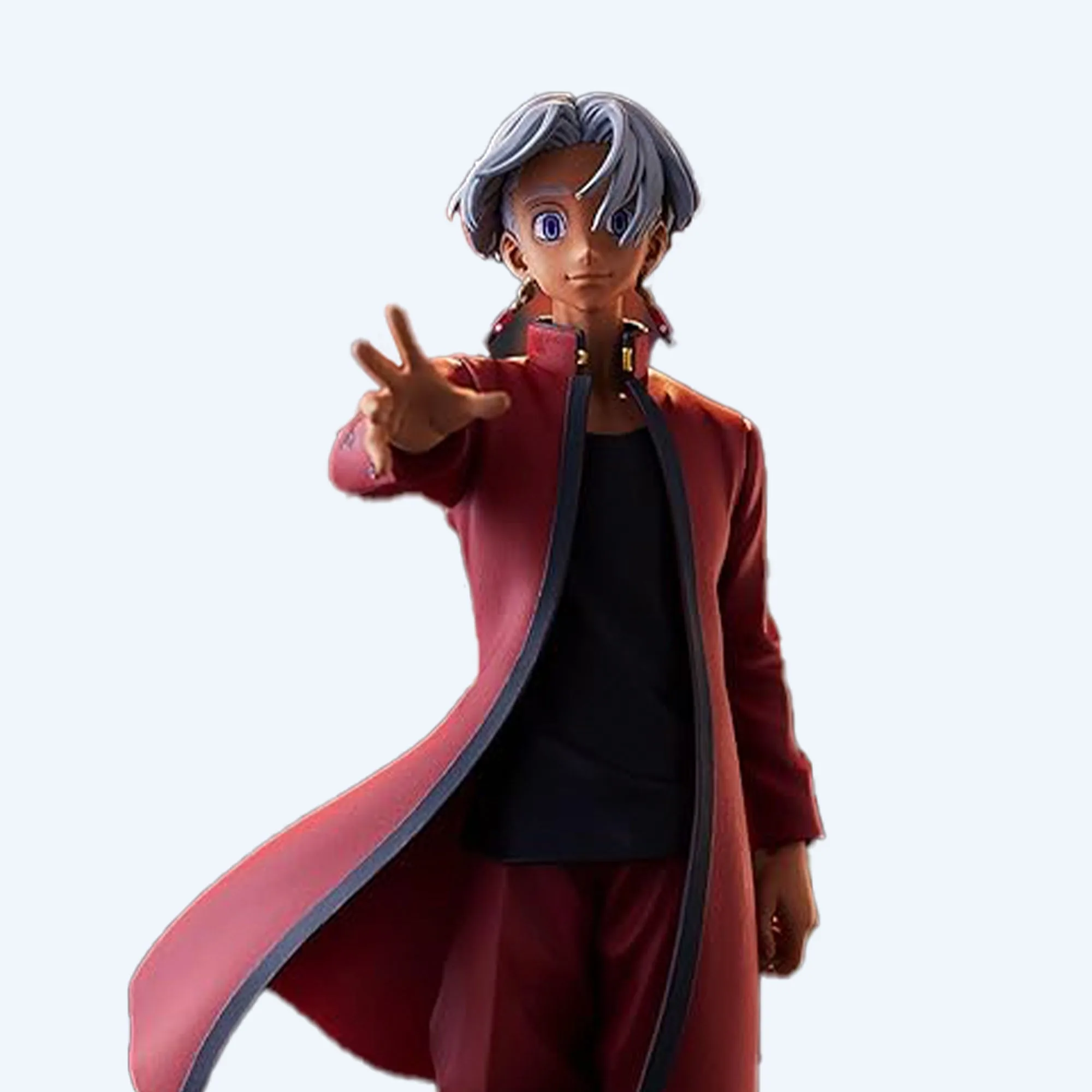
Beyond the standard categories, there are specialty lines that add unique flair to any collection. The Q Posket line by Bandai Spirits features figures with large, expressive eyes and a soft, chibi-like aesthetic. They're popular for their charm and are often more affordable than scale figures. A great example is the Yuri Briar "Spy x Family" Bandai Spirits Q Posket, which brings a beloved character to life in this distinctive style.
Another fun option is the Pico figure line, which features small, cute versions of characters. The My Hero Academia Izuku Midoriya Cheer Pico Figure is a perfect pick for fans of the series who want a compact, cheerful addition to their desk or shelf. These specialty figures are perfect for collectors who enjoy variety and don't want to commit to a large, expensive piece.
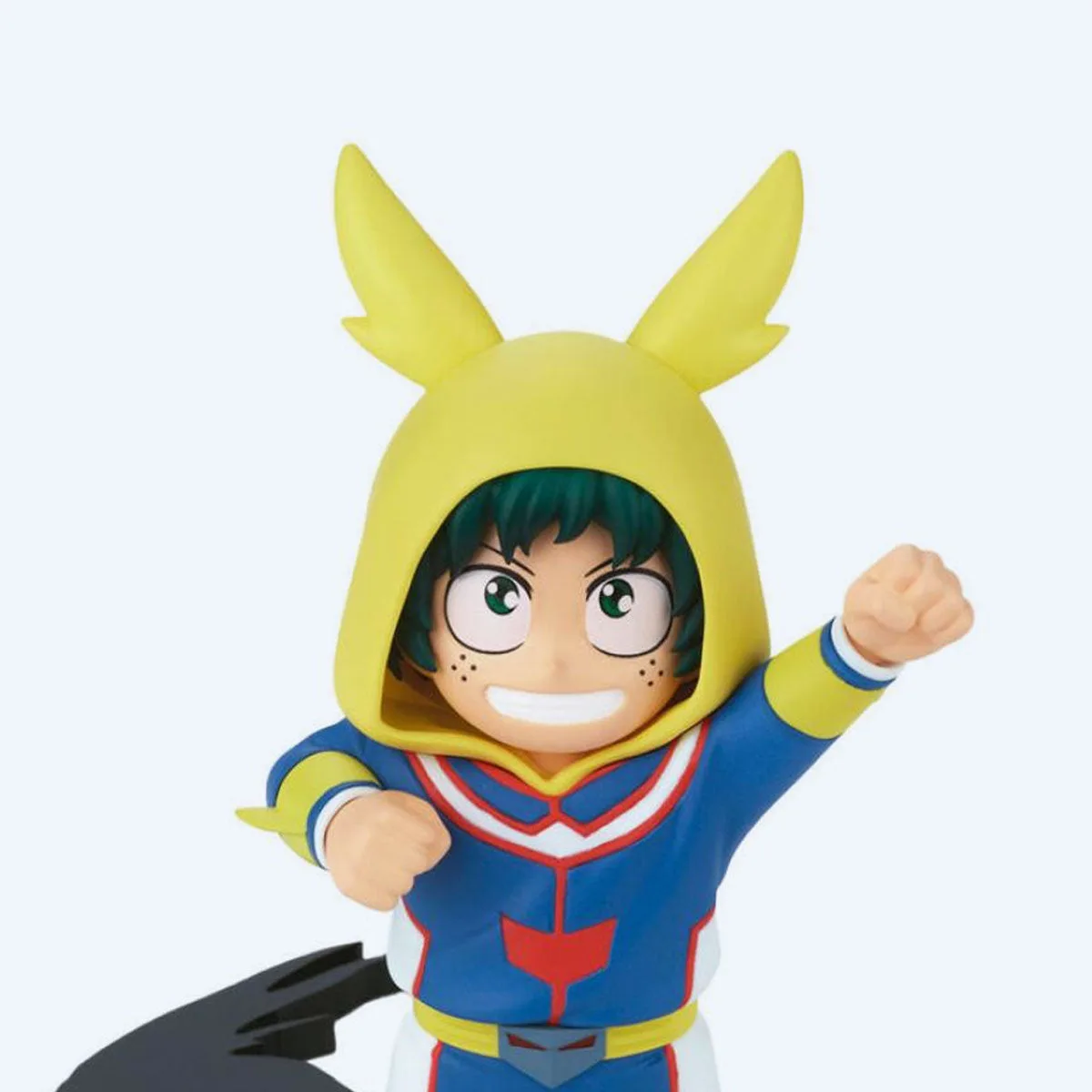
My Hero Academia Izuku Midoriya Cheer Pico Figure
- Q Posket: large eyes and a cute, stylized look.
- Pico: small, adorable figures ideal for desks.
- Both are budget-friendly and full of personality.
How to Choose the Right Figure for Your Collection
Start by thinking about your budget and available space. If you're just starting out, pick up a few prize figures to see what you like. Look for characters you love and poses that speak to you. If you're more experienced, you might prioritize scale figures or art figures for their detail and presence.
Also consider the material. PVC figures are durable and easy to clean, but they can be prone to leaning over time if not supported properly. ABS parts help prevent that. When browsing, check the product description for material details. A well-made PVC figure with ABS supports will last for years with proper care.
- Set a budget before you start browsing.
- Choose characters you genuinely love, not just popular ones.
- Check the material and construction for long-term durability.
Understanding anime figure types and materials is the first step to building a collection that brings you joy. Whether you're drawn to affordable prize figures, detailed scale figures, or charming specialty lines, there's something for every fan. Start with a piece that speaks to you, and remember to enjoy the journey. For a great starting point, check out the Frieren: Beyond Journey's End Frieren Coreful Figure at TOHO animation Store and see the quality for yourself.