Quick answer
Anodizing is not a paint or coating that chips off; it is an electrochemical conversion of the aluminum surface itself. It adds wear resistance and corrosion protection, but it can still be scratched by hard impacts or abrasive grit. Proper cleaning and avoiding harsh chemicals will keep anodized parts looking good and performing well for years.
If you have spent any time in RC crawling forums, you have probably heard claims about anodized parts: that they are indestructible, that they never fade, or that you should never use certain cleaners. Some of these myths lead to unnecessary worry or, worse, to practices that actually shorten part life.
This article tackles five common myths about anodized RC parts. We will give you a clear verdict on each, explain the reasoning using only verified product facts, and share practical care tips. Whether you run a Vanquish VS4-10 or another rig, these insights will help you get the most from your anodized components.
Myth 1: Anodizing Makes Aluminum Scratch-Proof
Verdict: False. Anodizing creates a hard, wear-resistant oxide layer that is integral to the aluminum surface, but it is not impenetrable. Sharp rocks, steel tools, or even gritty mud can scratch through the anodized layer and into the softer aluminum beneath. The depth and visibility of a scratch depend on the force and angle of impact.
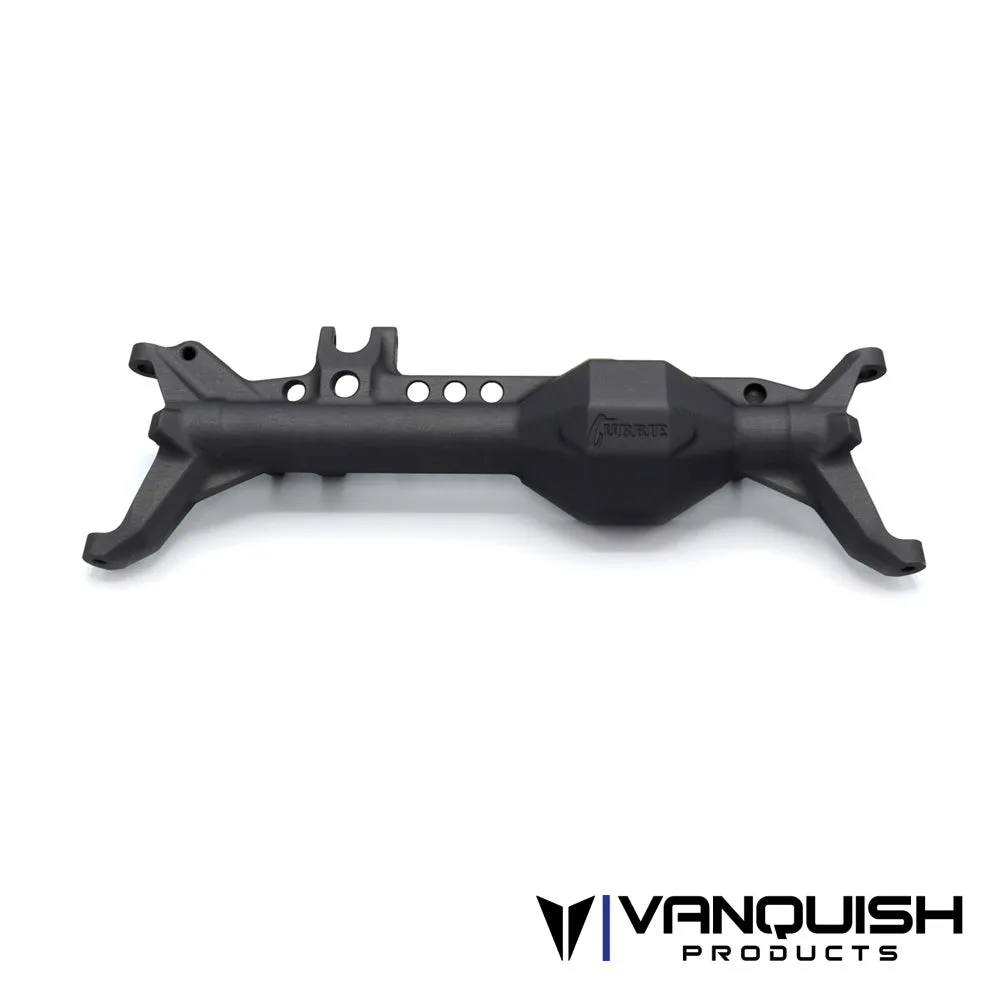
That said, anodizing does significantly improve scratch resistance compared to bare aluminum. For example, the Currie F10 Portal Aluminum Front Axle Housing is made in the USA from domestic aluminum and machined on Matsuura equipment, then black anodized. This process gives it a durable finish that stands up to typical crawling abuse, but you should still avoid dragging it across sharp edges if you want to keep it pristine.
- Use protective skid plates in high-contact areas.
- Avoid using metal tools directly on anodized surfaces during maintenance.
- Deep scratches that expose bare aluminum can be touched up with a matching anodizing pen, but this is cosmetic only.
Myth 2: Anodized Parts Never Corrode
Verdict: Mostly true, but with caveats. The anodized layer is naturally corrosion-resistant, but it can be compromised by deep scratches or prolonged exposure to certain chemicals. Once the underlying aluminum is exposed, it can oxidize, especially in wet or salty environments.
For RC crawling, corrosion is rarely a major issue unless you run in saltwater or store your rig damp. The Brass Rear Axle Cap Weights, for instance, are made of brass, not aluminum, and will patina over time. That patina is a surface oxidation that actually protects the brass, but it changes the appearance. If you want to keep them shiny, a quick polish with a non-abrasive cleaner will do the trick.
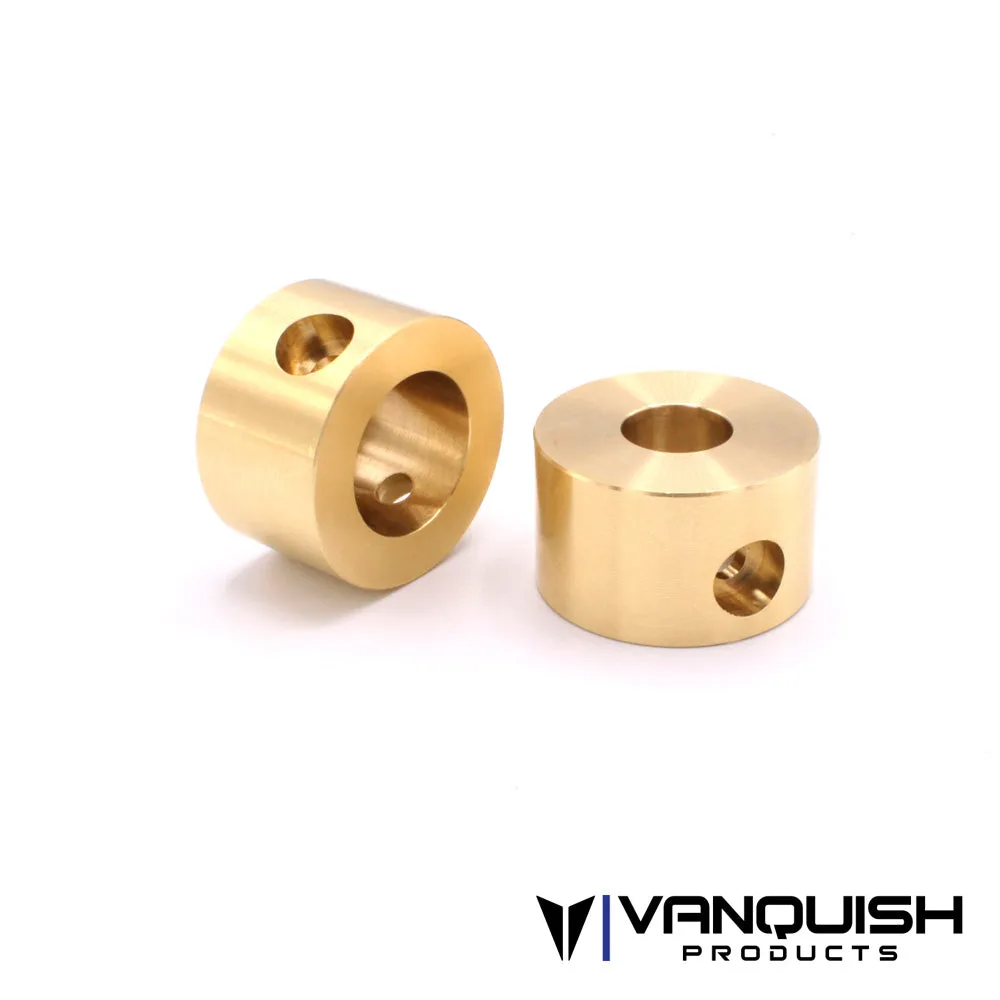
Brass Rear Axle Cap Weights
- Rinse your rig with fresh water after running in wet or muddy conditions.
- Dry thoroughly before storage to prevent water spots and oxidation.
- Apply a light coat of silicone spray to anodized surfaces for extra protection.
Myth 3: You Should Never Use Soap or Water on Anodized Parts
Verdict: False. Mild soap and water are perfectly safe for anodized parts. In fact, regular cleaning is one of the best ways to maintain their appearance and function. The key is to avoid harsh chemicals like acetone, brake cleaner, or strong acids, which can dull the finish or attack the anodized layer.
For routine cleaning, use a soft brush or cloth with a few drops of dish soap in warm water. This will remove dirt and grime without harming the anodizing. After cleaning, rinse well and dry with a microfiber towel. This simple habit will keep your anodized parts looking sharp and prevent abrasive grit from causing wear.
- Never use abrasive pads or steel wool on anodized surfaces.
- Avoid leaving parts soaking in water for extended periods.
- For stubborn grime, use a dedicated RC cleaner that is safe for anodized finishes.
Myth 4: Anodizing Adds Significant Weight
Verdict: False. Anodizing is a surface conversion process that adds negligible weight. The oxide layer is typically only a few microns thick, so it will not affect your rig's performance or center of gravity. If you are adding weight, it is because of the underlying metal, not the anodizing.
For example, the Brass Rear Axle Cap Weights add 52 grams of non-rotating mass to the rear axle housing. That weight comes from the brass material itself, not from any coating. The anodizing on aluminum parts like the Currie F10 axle housing does not measurably change its weight. So if you are tuning weight distribution, focus on the material and design, not the finish.
- Use brass or steel parts when you need to add unsprung weight.
- Anodized aluminum remains a great choice for reducing weight in critical areas.
- Do not hesitate to choose anodized parts for weight-sensitive builds.
Myth 5: Anodized Parts Require Special Lubricants
Verdict: False. Anodized surfaces are compatible with standard RC lubricants, including silicone grease, lithium grease, and dry-film lubricants. The anodized layer is hard and non-porous, so it will not react with lubricants or absorb them. You can use the same lubricants you would use on bare aluminum or steel.
However, some lubricants can attract dirt, which may increase wear over time. For exposed anodized parts like shock bodies or axle housings, a dry lubricant or a light silicone spray is often better because it does not hold grit. Always follow the lubricant manufacturer's recommendations for your specific application.
- Clean parts before applying fresh lubricant to avoid trapping abrasive particles.
- Use a dry-film lubricant on anodized surfaces that see a lot of dirt.
- Avoid over-lubricating; a thin film is usually enough.
Verdicts on anodized part myths
- Anodizing makes aluminum scratch-proof: False. Anodizing improves scratch resistance but does not make the surface immune to deep scratches from sharp rocks or tools. Verdict: Myth busted. Use skid plates and careful handling.
- Anodized parts never corrode: Mostly true, but deep scratches can expose bare aluminum, and brass parts like the Brass Rear Axle Cap Weights will patina naturally. Verdict: Partly myth. Rinse and dry after wet runs.
- You should never use soap and water: False. Mild soap and water are safe and recommended for routine cleaning; avoid harsh chemicals and abrasives. Verdict: Myth busted. Clean regularly with gentle soap.
- Anodizing adds significant weight: False. The anodized layer is microns thick and adds negligible weight. Weight comes from the base material, like the 52g brass weights. Verdict: Myth busted. Choose anodized parts for weight savings.
- Anodized parts need special lubricants: False. Standard RC lubricants are safe; choose dry-film lubricants for dirty environments to avoid attracting grit. Verdict: Myth busted. Use lubricants appropriate for the application.
Product facts that clarify the myths
- Currie F10 Portal Aluminum Front Axle Housing - Black Anodized: Made in the USA with domestic produced aluminum and machined on Matsuura equipment, then black anodized. This axle housing combines precision machining with a durable anodized finish, but it is still aluminum and can be scratched by hard impacts. Proper care preserves both looks and performance.
- Brass Rear Axle Cap Weights: Adds 52g of non-rotating mass to the rear axle housing for adjusting weight distribution and lowering center of gravity. The weight comes from brass, not from any coating. Anodizing does not add meaningful weight, so you can choose anodized parts for weight-sensitive builds without concern.
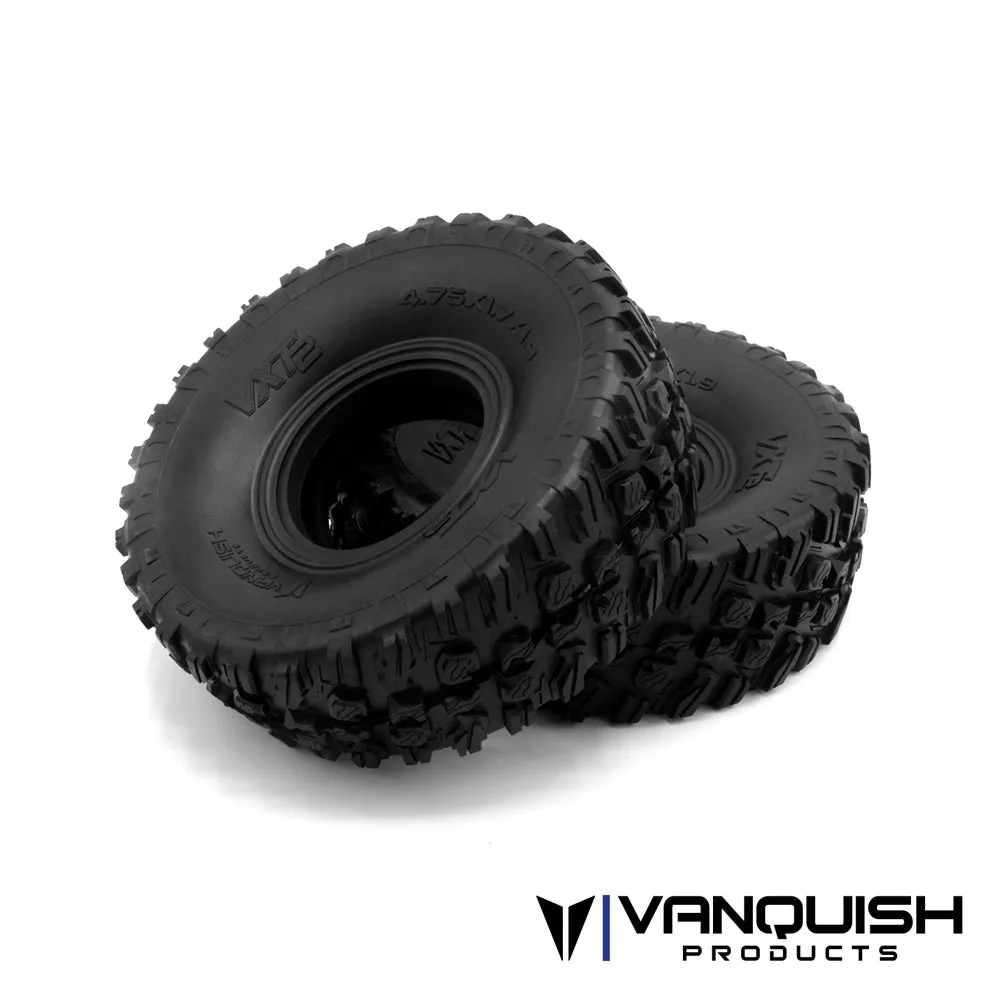
- VXT2 1.9 Tires (2) Red Compound: Extra soft Vanquish Products RED compound offers excellent performance right out of the package; 4.75” tall x 1.7" wide x 1.9" Wheel bead diameter. Tires are not anodized, but they interact with anodized wheels. Keeping tires clean and properly inflated reduces abrasive wear on wheel bead surfaces.
Anodized parts are a smart choice for RC crawling, offering a great balance of durability, corrosion resistance, and good looks. By understanding what anodizing can and cannot do, you can avoid common myths and care for your parts properly. Keep them clean, avoid harsh chemicals, and use the right lubricants, and your Vanquish anodized components will serve you well for many seasons of crawling.