Quick answer
An anorak hood typically offers more coverage than a regular hood because it is designed to fit over a helmet or be worn with a high collar, providing better protection against wind and rain. A regular hood is more streamlined and casual, better for everyday wear when maximum coverage isn't needed.
Why coverage matters for hoods
Coverage is the main difference between an anorak hood and a regular hood. An anorak hood is designed with a larger volume and often a drawstring or brim to keep rain and wind off your face. A regular hood is usually smaller, closer to the head, and less protective in wet or windy conditions.
The choice depends on your primary use. If you spend time outdoors in rain or wind, an anorak hood's extra coverage is a practical advantage. For casual daily wear, a regular hood is lighter and less bulky.
Trade-offs to consider
An anorak hood can feel oversized when not needed, and its larger shape may not fit neatly under a jacket or coat. Regular hoods are more versatile for layering but offer less protection in bad weather.
Material also affects coverage. A hood made from recycled cashmere, like the Anorak Hood from Basics in Natural and Recycled Materials, provides warmth and softness but is not waterproof. For rain, you would need a shell layer over it.
Trade-offs: Anorak Hood vs Regular Hood
- Coverage: Anorak hood: larger volume, often with drawstring or brim, covers more of the face and neck. Regular hood: smaller, closer fit, less coverage.
- Weather protection: Anorak hood: better for wind and rain due to extra coverage and adjustable features. Regular hood: less protective, suitable for mild weather.
- Comfort and style: Anorak hood: can feel bulky, more utilitarian look. Regular hood: lighter, more casual, easier to layer under outerwear. Choose an anorak hood if you prioritize weather protection. Choose a regular hood for everyday versatility.
Product facts
-
Anorak Hood: Made from 95% Recycled Cashmere and 5% Wool, knitted in France. This material offers warmth and softness, but the hood is not waterproof, so it is best for dry, cold conditions or as a mid-layer under a rain shell.
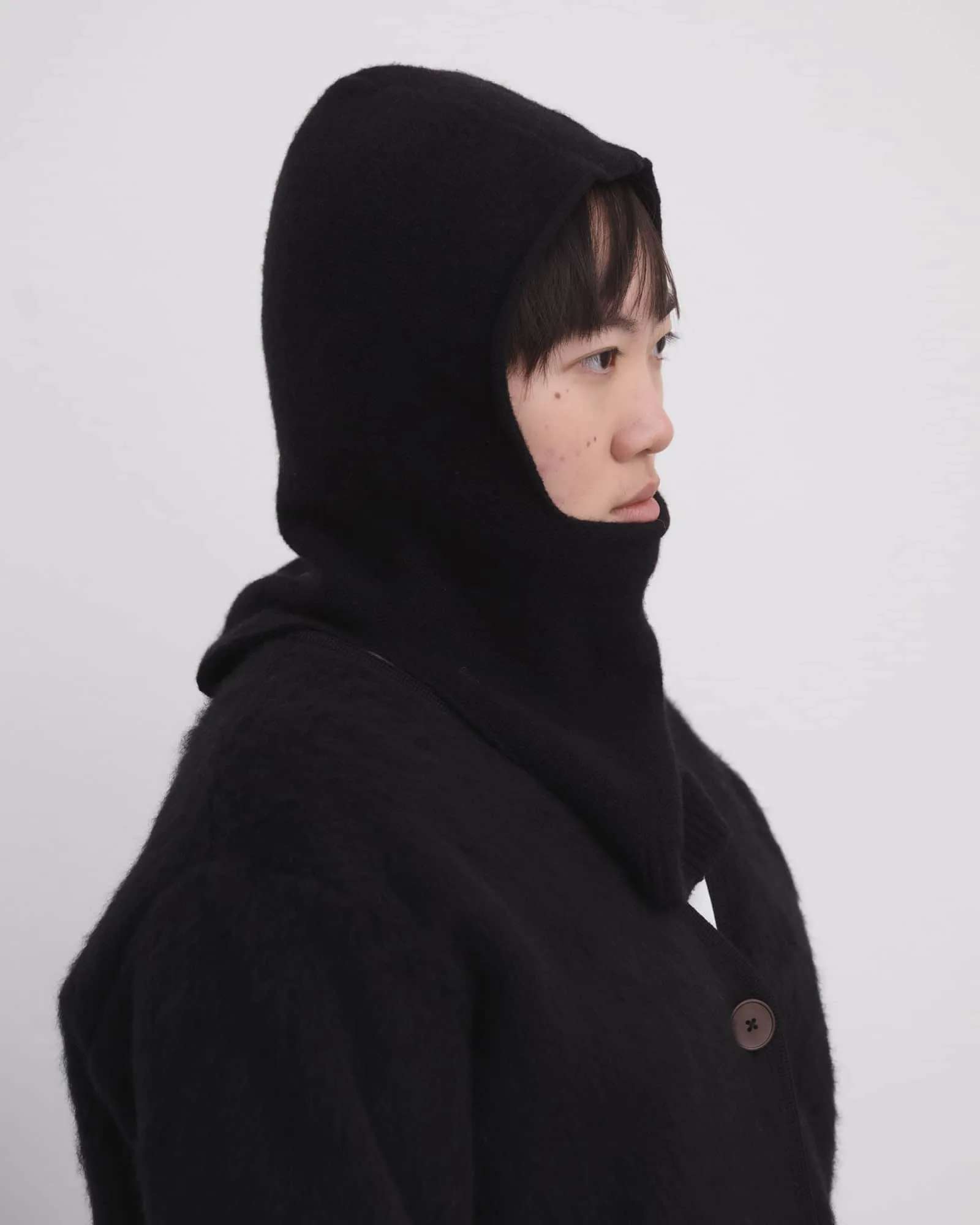
Anorak Hood
Which hood style fits you?
Best for
- Outdoor enthusiasts who need extra coverage in rain or wind
- People who wear a helmet or high collar and want a hood that fits over them
Not ideal for
- Those who prefer a sleek, low-profile hood for casual daily wear
- Anyone who needs a waterproof hood for heavy rain (consider a rain shell instead)