Quick answer
Aphakic contact lenses are high-power specialty lenses that replace the focusing power of the eye's natural lens after it has been removed. They are most helpful for people who had cataract surgery without an intraocular lens implant, or who need vision correction when glasses are too heavy or provide poor peripheral vision. A proper aphakic lens fitting with an eye care professional is essential because these lenses require precise power, diameter, and base curve measurements.
If you have had your natural lens removed and are struggling with thick glasses or poor vision, aphakic contact lenses may offer a clearer, more comfortable alternative. Unlike standard contacts, these are highly customized lenses designed to compensate for the missing lens inside your eye.
This guide explains what aphakic lenses are, who they help most, and how the fitting process works. It also covers practical trade-offs so you can decide whether to ask your eye doctor about this option.
What are aphakic contact lenses?
Aphakia means the eye has no natural lens. This can happen after cataract surgery when an intraocular lens (IOL) is not implanted, after trauma, or due to certain congenital conditions. Without a lens, the eye loses its ability to focus light properly, resulting in very high hyperopia (farsightedness).
Aphakic contact lenses are specialty lenses with high plus powers that sit directly on the eye and restore focus. They differ from standard contacts because they must be custom-ordered with precise parameters. They are available in daily, weekly, and monthly replacement schedules, and some are designed specifically for aphakic eyes.
- Aphakic lenses are not the same as standard soft contacts; they require a prescription from an eye care professional.
- They can be made in gas permeable or soft materials, depending on your eye health and lifestyle.
Who benefits most from aphakic lenses?
People who had cataract surgery without an IOL implant are the primary candidates. For them, aphakic contacts can provide better vision than thick glasses, especially for peripheral vision and depth perception. They are also useful for infants born with congenital cataracts, as contact lenses can be changed as the eye grows.
Adults who cannot tolerate glasses due to weight or cosmetic concerns may also find aphakic contacts helpful. However, they are not for everyone—those with certain eye conditions or who cannot handle lens insertion may need alternative solutions.
- Best for: post-cataract surgery patients without an IOL, congenital aphakia, and those needing high-power correction.
- Not for: people with active eye infections, severe dry eye, or those unable to manage lens care.
How aphakic lens fitting works
An aphakic lens fitting is more involved than a standard contact lens exam. Your eye care professional will measure your corneal curvature, pupil size, and refractive error. They may use trial lenses to assess fit, comfort, and vision. Because aphakic lenses are high-power, the fit must be precise to avoid complications like corneal swelling or lens dislocation.
Expect multiple visits. The process can take weeks to get the right lens. Your doctor will also evaluate tear film and eyelid health. Once fitted, you'll need regular follow-ups to ensure the lens continues to fit well, especially if your eye changes over time.
- Bring your surgical history and current glasses prescription to your fitting appointment.
- Ask about replacement schedule options (daily, weekly, monthly) to match your routine.
Aphakic vs standard contacts: key differences
Standard contact lenses correct common refractive errors like myopia, hyperopia, and astigmatism. Aphakic lenses correct the much higher power needed after lens removal. They are larger in diameter and often have steeper base curves to center properly on the eye. Standard contacts typically come in a wider range of brands and are easier to replace.
Aphakic lenses are specialty items, so they cost more and may require custom ordering. They also need more frequent professional evaluations. However, for the right person, the improvement in vision and comfort over thick glasses can be significant.
- Aphakic lenses are not interchangeable with standard contacts; never substitute without professional guidance.
- If you have an IOL, you likely need standard contacts or glasses, not aphakic lenses.
Decision rules for aphakic contact lenses
- If you had cataract surgery without an IOL: Aphakic contact lenses are likely your best option for clear vision. Ask your eye doctor for a fitting. Schedule a specialty contact lens exam.
- If you have an IOL implant: You do not need aphakic lenses. Standard contacts or glasses can correct your remaining vision. Choose standard lenses instead.
- If you have severe dry eye or cannot handle lens care: Aphakic contacts may not be suitable. Discuss glasses or other alternatives with your doctor. Consider lightweight glasses or other options.
Eyewear options at Lensabl
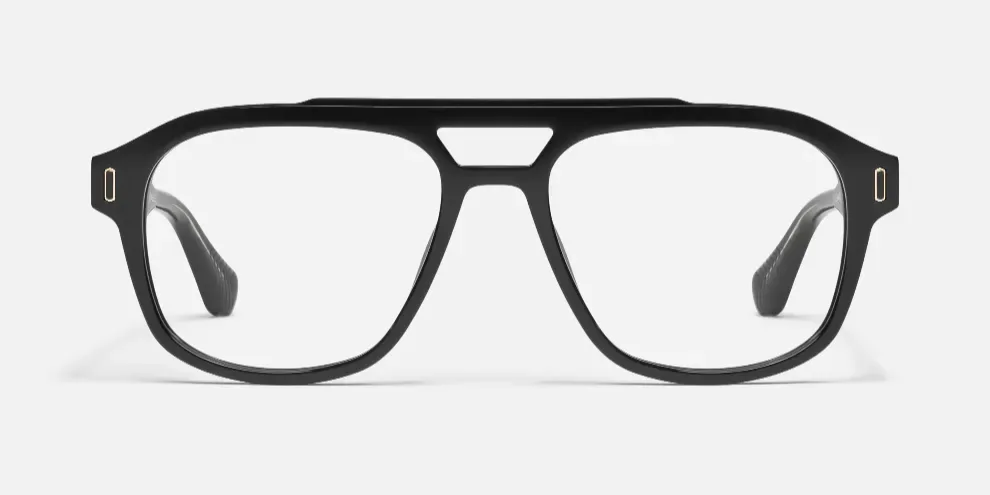
- Quay Spin Off Eyeglasses - Lensabl: Available in Black / Coffee Swirl / Dark Tortoise with custom lenses installed starting from $175. Compatible with single vision, progressive, and https://lensabler.com/products/blue-light-upgrade-standard-4276b05344d1d79b505206b7-1703402blue light lenses. If you need a backup pair of glasses for times when you cannot wear contacts, these frames offer a stylish option with lens customization.
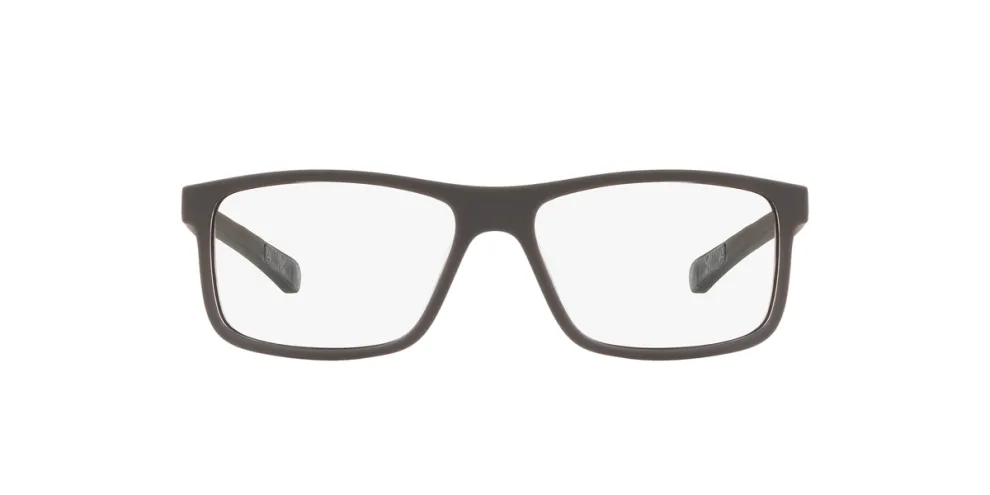
- https://lensabler.com/products/06a8004v-ocr100-4d62b232d3394b466364e7c9-1703103Ocr 100: Costa Ocr 100 with Matte Dark Gray/Matte Black frame and Clear lenses. SKU: COSTA_06A8004V_MTDGMDB. A durable frame choice for everyday wear, though it is not a substitute for aphakic contact lenses.
Is aphakic lens fitting right for you?
Best for
- People who had cataract surgery without an intraocular lens implant
- Infants and children with congenital aphakia
- Adults needing high-power correction who cannot tolerate thick glasses
Not for
- People with an intraocular lens implant
- Those with active eye infections or severe dry eye
- Individuals unable to manage daily lens insertion and care
Aphakic contact lenses can be life-changing for the right person, but they require a professional fitting and commitment to care. If you think you might benefit, talk to your eye care professional about whether aphakic lenses are a good fit for your eyes and lifestyle.