Quick answer
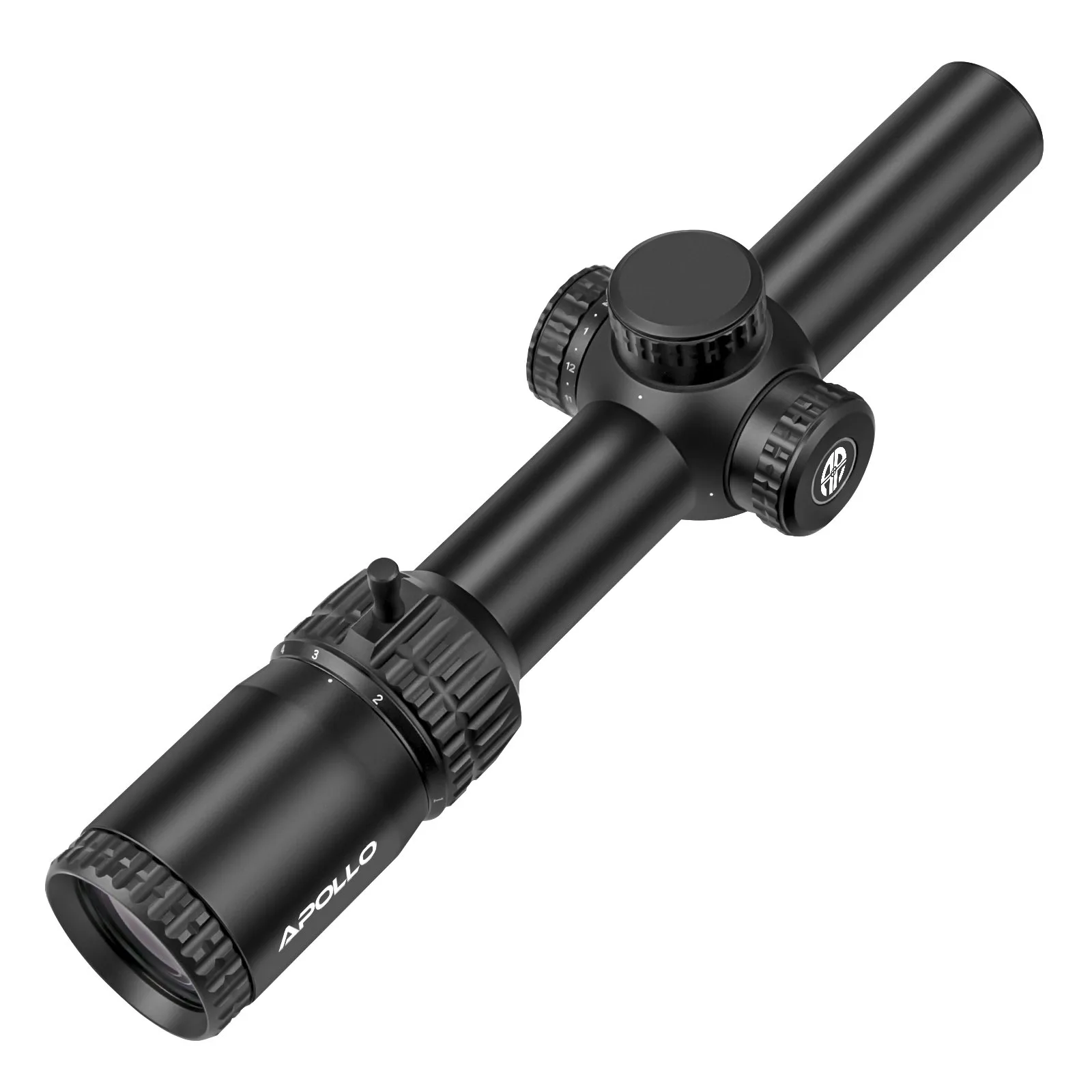
The Apollo Obsidian 1-6×24 LPVO is a premium low-power variable optic built for shooters who need speed at 1× and clarity at 6×. Use it for short-range rapid aiming (50–100 m) and mid-range precision, especially in hunting and competition where fast transitions matter. Set it up with a proper mount, zero at 100 yards, and practice magnification transitions to get the most from its illuminated etched reticle and 1/2 MOA adjustments.
Key features that shape how you use it
The Obsidian's high-clarity glass and integrated 30 mm tube deliver a distortion-free 1× image for fast target acquisition, while the illuminated etched reticle stays visible in low light. The 1/2 MOA adjustments let you fine-tune windage and elevation, and the rugged build handles recoil and field use. These features mean you can treat the Obsidian as a do-it-all optic for close to mid-range work, but you still need to match your setup and zero to your specific activity.
Use cases: where the Obsidian shines
For hunting, the 1× setting gives you a wide field of view for quick shots on moving game, while 6× provides enough magnification for precise placement at distance. In competition, the fast transitions between targets at varying distances make the Obsidian a strong choice for 2-gun or multigun stages. At the range, it's a capable optic for drills from 50 to 300 meters. However, if your primary goal is extreme long-range precision beyond 600 meters, a higher-magnification scope will serve you better.
How to set up and use the Obsidian: a step-by-step process
Follow these steps to mount, zero, and run the Obsidian effectively. Each step includes a common mistake to avoid.
Step-by-step setup and use
- Mount the scope correctly: Use a quality 30 mm mount or rings, torque to manufacturer specs, and set eye relief so you get a full sight picture at 6×. Common mistake: mounting too far forward or back, causing scope bite or shadowing. Check eye relief at both 1× and 6× before tightening everything down.
- Zero at 100 yards: Start at 1× to get on paper, then switch to 6× for precise zeroing. Use the 1/2 MOA adjustments to dial in your point of impact. Common mistake: zeroing at 1× only, which can mask parallax or adjustment errors. Confirm zero at 6×, then verify at 1× to ensure consistency.
- Practice magnification transitions: Run drills where you switch from 1× to 6× and back while acquiring targets at different distances. Common mistake: leaving the scope at 6× for close targets, which slows you down. Aim to keep the scope at 1× for moving or close targets, and dial up only when needed.
- Use the illuminated reticle wisely: Turn on illumination in low light, but keep the brightness low enough that the reticle doesn't bloom. Common mistake: max brightness in daylight, which wastes battery and can wash out the target. Adjust brightness to the ambient light for the clearest sight picture.
- Maintain and inspect regularly: Check mount torque, lens clarity, and turret function before each session. Common mistake: ignoring loose mounts, which can cause zero shift. A quick pre-shoot check prevents most field issues.
Apollo Obsidian 1-6×24 LPVO: catalog facts
- Apollo Obsidian 1-6×24 LPVO: Premium 1–6×24 low-power variable optic with high-clarity glass and a rugged integrated 30 mm tube. The 30 mm tube and glass quality support a bright, clear image, which helps with target identification at 1× and detail at 6×.
- Apollo Obsidian 1-6×24 LPVO: Designed for distortion-free speed at 1× and refined clarity at higher magnification. You can keep both eyes open at 1× for fast aiming, then zoom in for precision without losing clarity.
- Apollo Obsidian 1-6×24 LPVO: Excels in short-range rapid aiming (50–100 m) while retaining precision for mid-range engagements. This makes it suitable for close-quarters competitions and hunting in dense areas, as well as mid-range shots.
- Apollo Obsidian 1-6×24 LPVO: Illuminated etched reticle and precise 1/2 MOA adjustments. The illumination aids low-light shooting, and 1/2 MOA clicks allow fine zeroing and holdover adjustments.