Quick Answer
Appliques are fabric shapes sewn onto a base fabric for decoration, while patches are pre-made pieces often used to cover damage or add branding. If you're adding flair to a handbag or garment, appliques offer more creative freedom; if you need a quick fix or uniform identifier, patches are more practical.
When you're browsing sewing supplies, the terms 'applique' and 'patch' often pop up, but they aren't interchangeable. Both can add personality to your projects, yet they serve different purposes and require different techniques. Understanding the distinction helps you choose the right embellishment for your next bag or garment.
In this guide, we'll break down the differences, show you how to use each, and share tips for making them look professional—whether you're a beginner or a seasoned sewist.
What Is an Applique?
An applique is a decorative technique where a piece of fabric is cut into a shape and sewn onto a larger background fabric. The edges are often finished with a satin stitch or zigzag to prevent fraying and add a polished look. Appliques can be simple shapes like hearts or stars, or intricate designs like flowers and animals.
Because appliques are made from fabric, they blend seamlessly with your project. You can match colors, textures, and patterns to create a cohesive design. This makes them ideal for customizing bags, quilts, and clothing with a personal touch.
- Use a stabilizer underneath when sewing appliques on stretchy or thin fabrics.
- Cut applique shapes slightly larger than the final size to account for seam allowance.
What Is a Patch?
A patch is a pre-made piece of material, often embroidered or woven, that is attached to a garment or bag. Patches commonly have a backing—either iron-on adhesive, Velcro, or a sew-on edge. They are frequently used for uniforms, scout badges, or to cover stains or holes.
Patches are usually more rigid than appliques and often feature logos, text, or detailed imagery. They offer a quick way to add a design without cutting or finishing edges, making them a go-to for beginners or for projects that need a fast result.
- Iron-on patches still benefit from a few stitches at the corners for extra security.
- Place patches on flat areas to avoid puckering on curved seams.
Key Differences Between Appliques and Patches
The main difference lies in construction and purpose. Appliques are cut from fabric and sewn into the project, becoming part of the fabric. Patches are separate pieces with finished edges, often designed to be removed or repositioned.
Appliques offer more design flexibility since you can create any shape from any fabric. Patches, however, are convenient and durable, especially for items that need repeated washing or heavy wear. Appliques are best for permanent decoration, while patches can be temporary or interchangeable.
- Consider the end use: appliques for heirloom quilts, patches for denim jackets or work bags.
How to Sew Appliques and Patches
Sewing appliques involves pinning or basting the shape in place, then stitching around the edges with a tight zigzag or satin stitch. Use a stabilizer to prevent puckering. For patches, you can hand-stitch around the edge or use a straight stitch on a machine. If using iron-on patches, follow the manufacturer's instructions for heat and pressure.
Both techniques require a sharp needle and quality thread. For thick materials like cork fabric or faux leather, a leather needle works best. Practice on scraps first to adjust tension and stitch length.
- Always pre-wash fabric if the project will be laundered to prevent shrinkage.
Choosing the Right Embellishment for Your Project
Your choice depends on the look you want and the base material. For a soft, integrated design on a handbag or garment, appliques are superior. For a bold, ready-made statement or to cover a flaw, patches are quicker and easier.
Consider the fabric type: appliques work well on cotton, linen, and felt, while patches adhere better to denim, canvas, and leather. If you're working with cork fabric, both can be sewn, but patches might be easier due to the material's thickness.
- Test adhesion of iron-on patches on a scrap of your base fabric before committing.
Appliques vs Patches: The Tradeoffs
- Design Flexibility: Appliques win for creativity—you can cut any shape from any fabric, matching colors and patterns perfectly. Patches are limited to pre-made designs. Choose appliques for custom, one-of-a-kind projects.
- Ease of Use: Patches are easier for beginners because they come ready to attach. Appliques require precise cutting and stitching to finish edges neatly. Patches are great for quick projects or those new to sewing.
- Durability & Longevity: Patches, especially embroidered ones, are often more durable and withstand washing well. Appliques can fray if not finished properly, but with care, they last long. For heavy wear, patches offer more resilience.
Products to Enhance Your Embellishment Projects
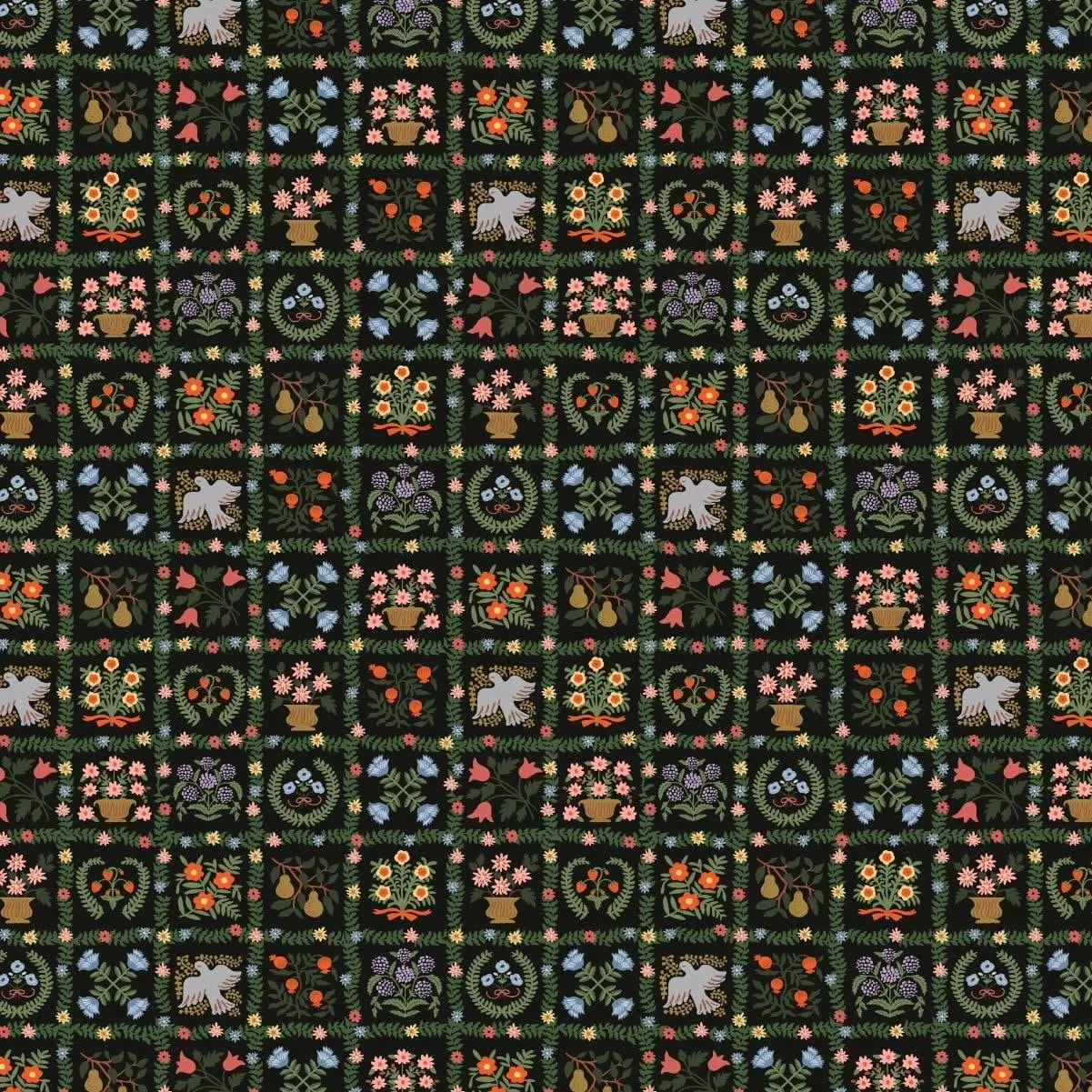
- Cotton + Steel - Rifle Paper Co. - Garden Album: This fabric features a charming folk‐art inspired layout made up of neatly arranged square tiles, each containing its own decorative illustration. Birds, blossoms, fruit, wreaths, and baskets are rendered in a stylized, handcrafted manner that gives the pattern a warm, storybook quality. Use this cotton fabric as a base for applique projects. Its detailed pattern can inspire shapes or serve as a beautiful background that complements your appliques.
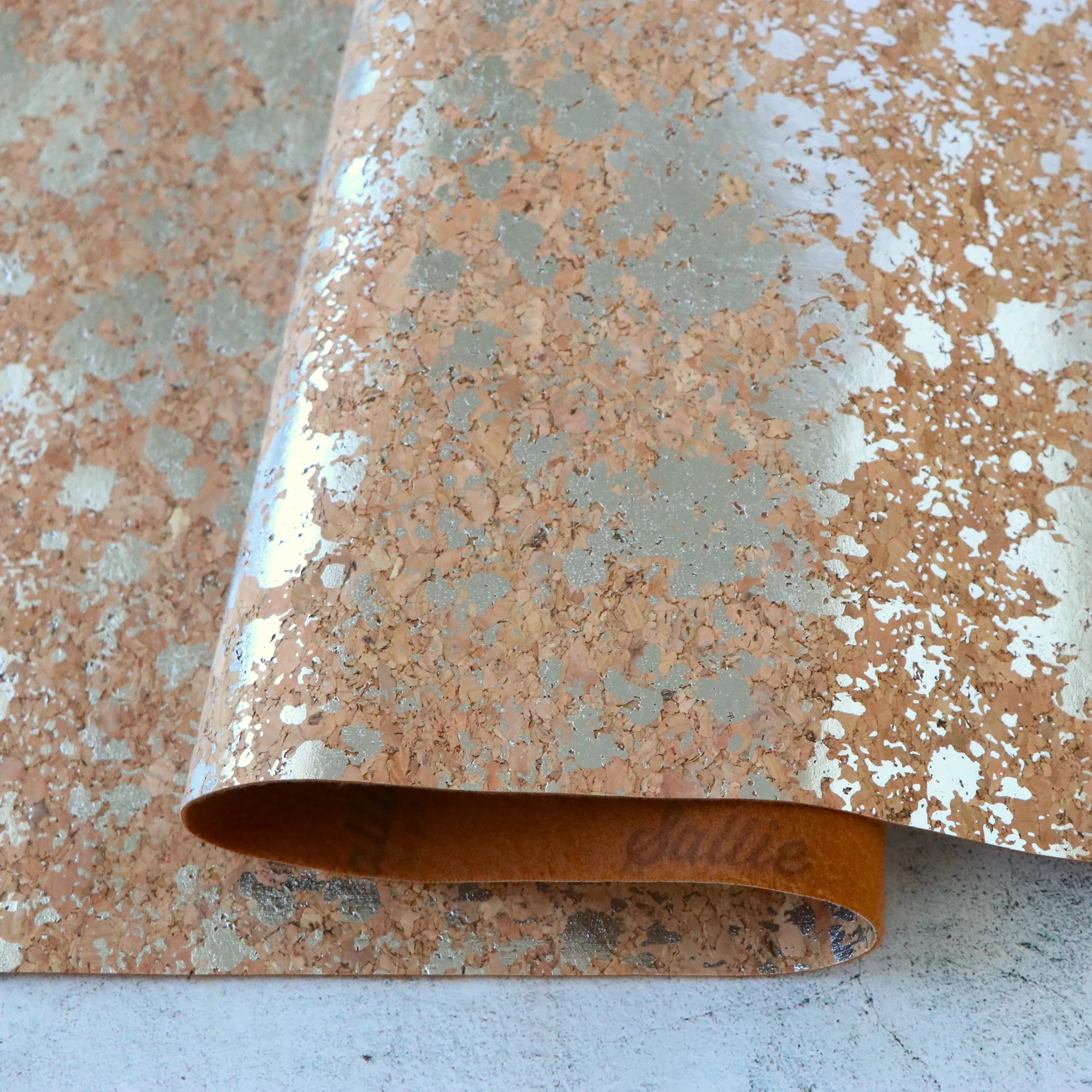
- Natural Silver Splatter Cork Fabric: This premium, cork fabric, also known as cork leather, is easy-to-sew through, pliable, and durable. Cork fabric has a similar handle to faux leather or genuine leather because it is soft, smooth, and pliable. It is not hard or brittle. Cork fabric is a sturdy base for both appliques and patches, offering an eco-friendly alternative to leather. Its pliability makes it easy to sew through, even with dense stitching.
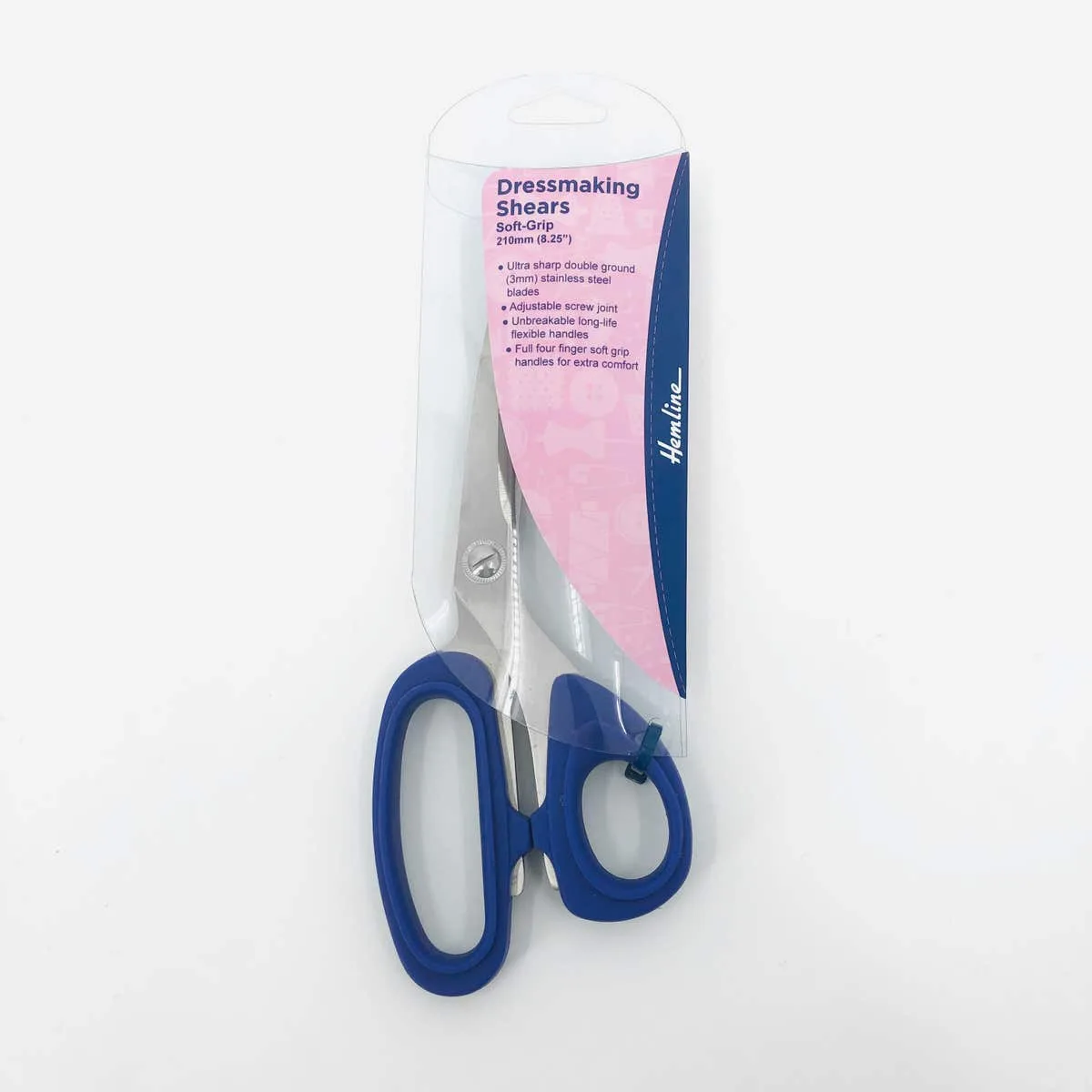
- SOFTGRIP DRESSMAKER SCISSORS / E 383 - 8-1/4 IN: The innovative TPE full soft touch handles redefine comfort, offering a luxurious feel and a secure grip for extended cutting sessions. Say goodbye to discomfort or hand fatigue as you indulge in a cutting experience that's both ergonomic and effortless. Accurate cutting is essential for appliques. These scissors provide comfort and precision, allowing you to cut intricate shapes without hand strain.
Which Should You Choose?
Best for
- Sewists who want to create custom fabric embellishments that blend seamlessly with their project.
- Projects like quilts, art bags, or garments where you want a cohesive, fabric-based decoration.
Not for
- Those needing a quick, no-fuss embellishment or a way to cover damage—patches are more practical.
- Uniforms or items requiring standardized badges, where patches are the norm.
Both appliques and patches have their place in your sewing toolkit. Consider the project's purpose, your skill level, and the desired aesthetic. Whichever you choose, you'll add a personal touch that makes your creation uniquely yours.