Quick answer
No, you don't need to wash your apron after every single bake. For light baking sessions with no visible flour, grease, or spills, airing it out and spot-cleaning is enough. Wash when you see stains, after heavy or messy baking, or if the apron smells. The right frequency depends on what you baked and how much contact the apron had with dough, flour, or oil.
There's a persistent idea among home bakers that an apron must go straight into the laundry after every batch of cookies or loaf of bread. That advice sounds hygienic, but it wears out aprons faster and wastes water and detergent. The truth is more practical: wash based on visible soil, smell, and the type of baking you did.
This article separates real apron care tips from apron cleaning myths. You'll get clear verdicts on how often to wash aprons, how to handle stain removal on aprons, and what to do when you keep several aprons in rotation. We'll also look at one specific apron from the Kneads catalog to ground the advice in an actual product.
Myth: Every bake requires a full wash
Verdict: False. A quick bake session where you're measuring dry ingredients and shaping dough may leave only a light dusting of flour on your apron. Flour brushes off once dry. Unless you've spilled oil, egg, or something sticky, a full wash after every bake is unnecessary.
What actually matters is contact with moisture and proteins. If your apron stayed dry and clean, hang it to air out. If it picked up butter, cream, or fruit juices, treat those spots promptly because they can set and become harder to remove.
- Shake flour off outside or over a bin before storing.
- Spot-clean small marks with a damp cloth instead of washing the whole apron.
- Air the apron overnight before deciding whether it needs a wash.
When you should wash your apron
Verdict: Wash when there is visible soil, a lingering smell, or after a messy session. If you've been working with high-hydration dough, melted butter, or chocolate, the apron likely needs a wash. The same goes for any apron that smells like old flour or cooking oil.
For aprons used only for light baking, a wash every few sessions is usually enough. If you bake daily, you may want two or three aprons in rotation so one can be in the wash while another is in use. That rotation also reduces wear on any single apron.
- Wash after any raw egg or raw meat contact.
- Wash if the apron feels stiff or smells stale.
- Wash before storing an apron for a long period.
Myth: Hot water and bleach are always best
Verdict: Not always. Hot water can set protein stains like egg or milk, and bleach can fade colors and weaken fabric over time. For most baking aprons, a normal wash with like colors is sufficient. Check the care label first because materials vary.
The Chefs Apron Hedley & Bennett is an indigo and cream striped denim kitchen apron with a double pocket. Denim generally handles regular washing well, but the indigo dye may bleed, especially in the first few washes. Washing it with similar dark colors or alone is a sensible precaution.
- Treat egg and dairy stains with cool water before washing.
- Turn the apron inside out to protect the outer surface.
- Avoid overloading the machine so the apron can move freely.
Stain removal on aprons: what works
Verdict: Act quickly and match the method to the stain. Flour and sugar dissolve in water. Grease needs a drop of dish soap worked into the spot before washing. Fruit and chocolate respond best to cool water and a gentle rub, not hot water.
If you're using an apron with a double pocket, check inside the pockets before washing. Crumbs, flour, or a forgotten pen can cause problems in the wash. Empty pockets and brush them out as part of your apron care tips routine.
- Blot, don't rub, fresh stains to avoid spreading them.
- Rinse from the back of the stain to push it out of the fabric.
- Air-dry rather than tumble-dry if a stain remains, so heat doesn't set it.
Bulk aprons care: keeping several in rotation
Verdict: A small rotation reduces washing frequency per apron and extends the life of each one. If you bake often or with others, having two or three aprons means you can wash one while another is clean and ready.
Store clean aprons folded or hanging, not crumpled in a drawer where they can pick up odors. A dedicated hook near your baking area makes it easy to air an apron between uses and spot when it actually needs a wash.
- Assign one apron for messy tasks and another for light baking.
- Wash similar colors together to avoid dye transfer.
- Replace aprons when the fabric is thin or the ties are frayed.
Verdicts on apron washing frequency
- Light bake, no spills: Flour dust brushes off; air the apron and spot-clean if needed. Verdict: no full wash required.
- Sticky or greasy bake: Butter, oil, egg, or chocolate contact warrants a wash. Verdict: wash after use.
- Smelly or stiff apron: Odor or stiffness means it's time to wash regardless of visible soil. Verdict: wash now.
- Bulk aprons in rotation: Keep two or three in use so each gets washed less often. Verdict: rotate to extend apron life.
Product facts that inform apron care
- Chefs Apron Hedley & Bennett: It is an indigo and cream striped denim kitchen apron with a double pocket, handmade in America. Denim is durable and handles regular washing, but the indigo dye may bleed, so wash it with similar colors or alone. The double pocket means you should empty and brush out pockets before washing.
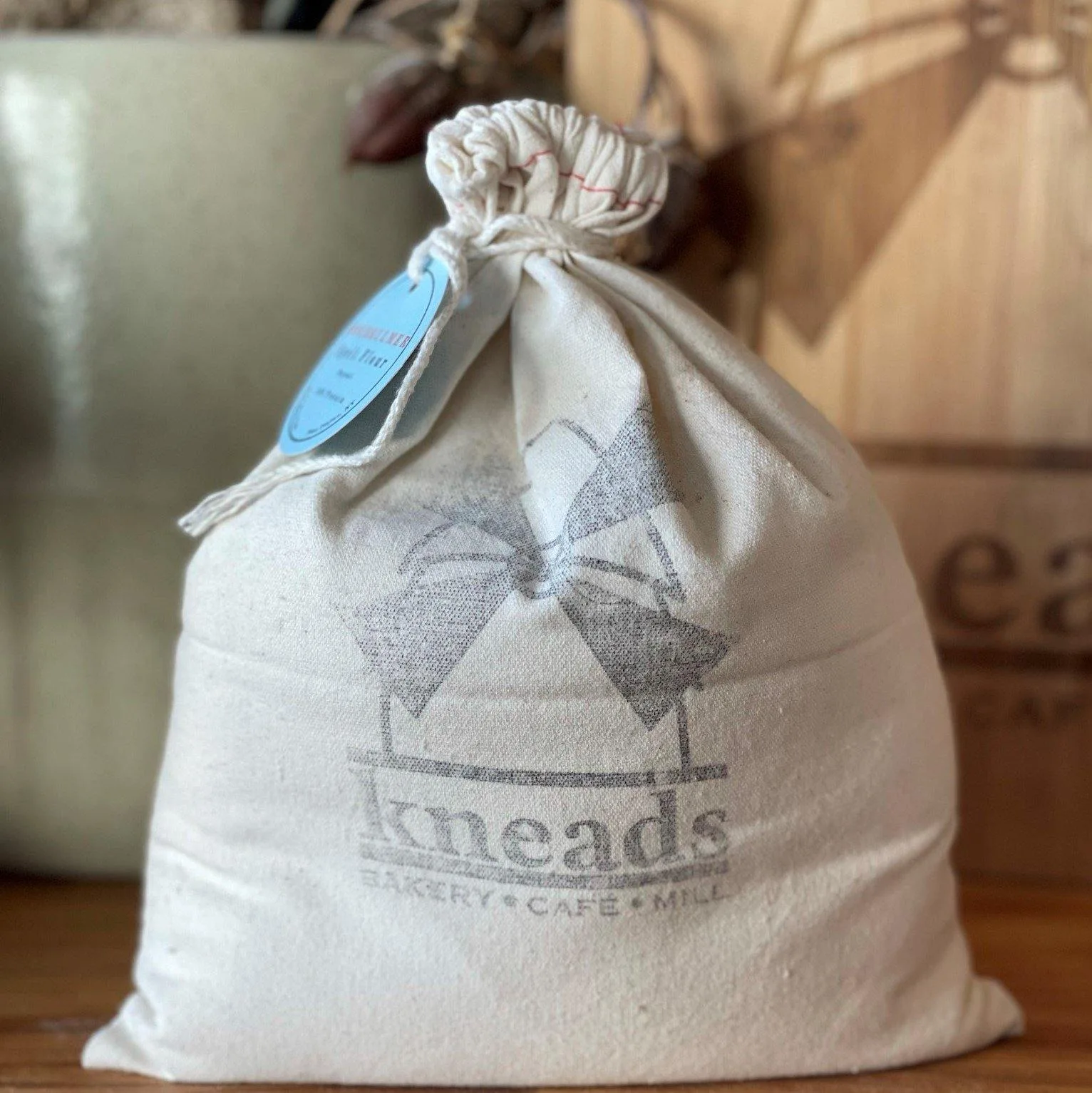
- Whole Grain Spelt Flour Retail 6pk: This is freshly milled whole grain spelt flour, milled in store on a New American Stone Mill, sold as a retail 6-pack of 2 lb (908 g) units. Whole grain flour can leave fine dust on aprons. Let it settle and brush it off before washing, because flour paste can be harder to remove once wet.
Wash your apron when it's visibly dirty, smelly, or after a messy bake, not on a rigid schedule. That approach keeps your apron clean, reduces unnecessary washing, and helps it last longer.