Quick answer
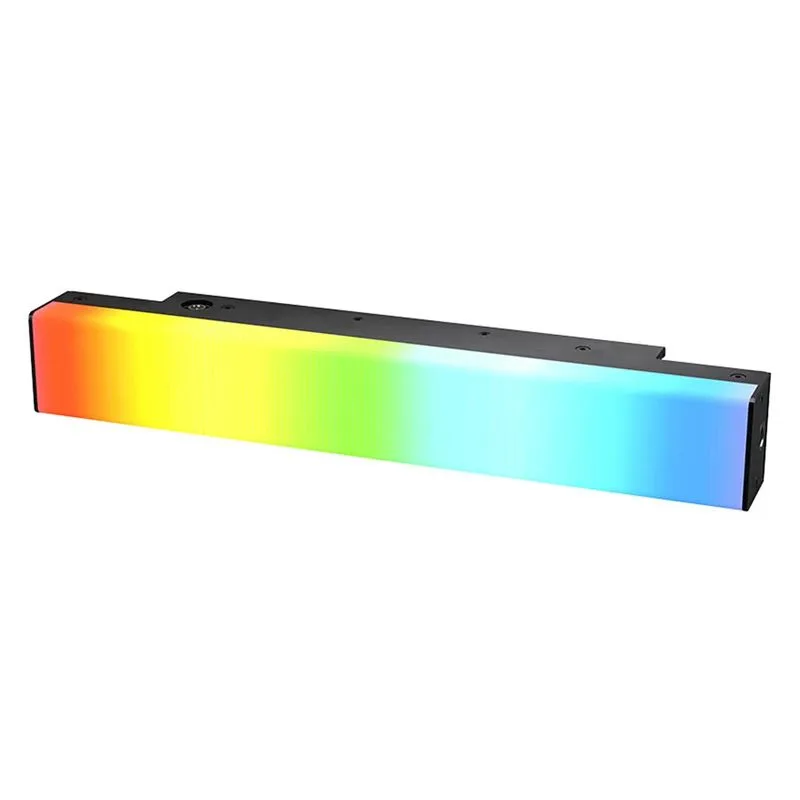
The Aputure INFINIBAR PB3 is a 1-foot, 6.5W RGBWW pixel bar with 24 individually controllable lighting zones, a 2,000K-10,000K tunable white range, and roughly 120 minutes of battery life. Buy it if you need precise color, pixel-level effects, or a compact tube light for tight spaces. Skip it if you need high output for large sets or a softbox-style key light.
What the PB3 actually gives you on set
The PB3 is a 1-foot (30cm), 6.5W RGBWW full-color LED pixel bar. Its 24 individual pixels, or lighting zones, let you create gradients, chase effects, and segmented color looks that a single-color tube cannot. The frosted diffusion layer softens the output so it reads as a linear source rather than a harsh strip, and the infinite blending design helps adjacent fixtures or zones transition smoothly.
White light is fully tunable from 2,000K to 10,000K with green/magenta adjustment, so you can match practicals, daylight, or mixed sources without gel swaps. Brightness runs from 0 to 100% in 0.1% increments, which matters when you are feathering a low-level fill or matching a dim background. Advanced HSI with white point CCT control, industry-standard xy (CIE 1931), RGB, and 300+ gel presets cover most color-matching tasks. SidusPro FX adds manual effects control for practicals and stylized shots.
INFINIBAR PB3 features that change how you work
The built-in battery is the headline feature for run-and-gun work. With approximately 120 minutes of battery life, you can rig the PB3 on a wall, inside a car, or behind a subject without running power. That changes your lighting plan: you can place the fixture first and cable later, or not at all for shorter takes.
The 24-pixel layout is the second feature that changes workflow. Instead of treating the PB3 as one light, you can treat it as 24 small lights in a row. That is useful for product turntables, background slashes, and music-video setups where the light itself is visible on camera. The trade-off is that pixel effects and color work eat time in setup and programming, so the PB3 rewards shooters who plan their looks rather than improvise every frame.
Setup and mounting: what you need beyond the bar
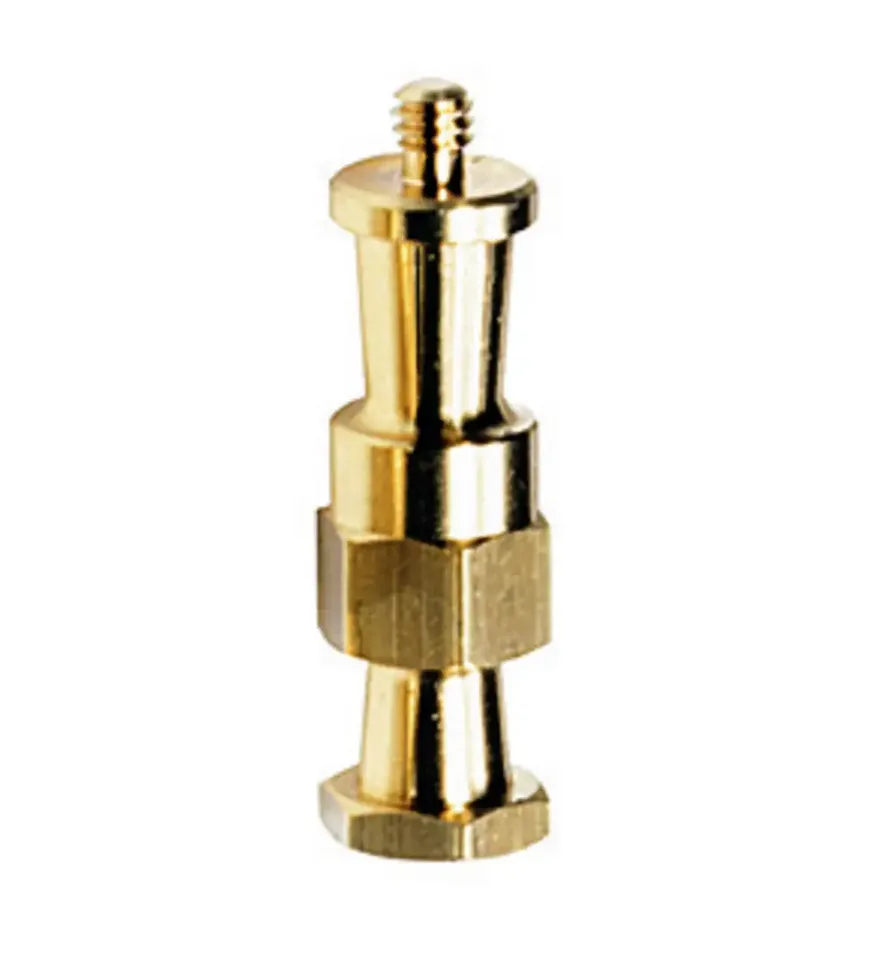
The PB3 is a compact fixture, but it still needs a support system. A 1/4"-20 thread or clamp-based mounting is typical for tube lights, and the Manfrotto 036-14 Spigot Stud is a useful bridge here: one end has a standard 1/4"-20 screw, and the other snaps into a Super Clamp socket. That lets you mount the PB3 to a shelf, door frame, or light stand without a dedicated tube holder.
If you are recording audio alongside the light, keep cable management in mind. The Rode SC7 3.5mm TRS to TRRS patch cable connects a VideoMic GO or VideoMicro to TRRS devices, which is relevant when you are shooting with a phone or tablet and want clean scratch audio. It is not a lighting accessory, but it solves the same problem the PB3 solves: keeping a compact rig simple and cable-light.
Where the PB3 fits in a lighting kit
The PB3 works best as an accent, background, or effects light. It is not a replacement for a key light on a large set, and 6.5W will not compete with a strobe or a high-output COB fixture. Think of it as a precision tool: hair lights, edge lights, practical replacements, and color washes in tight spaces.
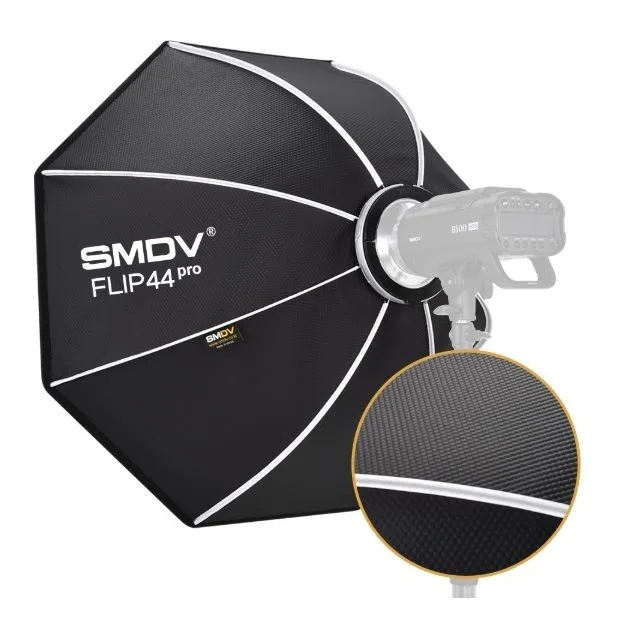
If you need a soft key or fill, a softbox is the better tool. The SMDV Speedbox Flip44 Pro Softbox is designed for strobes and LED lights and uses a practical folding system for quick assembly and disassembly, with tough, wear-resistant nylon fabric. Note that the speedring is not included, so budget for that separately. A softbox and a PB3 solve different problems: one shapes a broad source, the other adds controlled color and detail.
Decision rules: buy the PB3 or choose something else
- You need pixel-level color effects: The PB3's 24 individually controllable pixels and infinite blending design are the reason to buy it over a standard RGB tube. Buy it if your shot list includes gradients, chases, or on-camera visible color segments.
- You need a battery-powered accent light: Approximately 120 minutes of battery life means you can rig the PB3 where power is impractical. Buy it if your setups are remote, moving, or time-limited; otherwise a plug-in fixture may be cheaper.
- You need a high-output key light: At 6.5W, the PB3 is not designed to light a large scene on its own. Choose a COB fixture or a softbox like the SMDV Speedbox Flip44 Pro for key and fill work.
- You want simple mounting: The PB3 needs a clamp, stand, or 1/4"-20 adapter such as the Manfrotto 036-14 spigot stud. Budget for a mounting accessory if you do not already own a Super Clamp or tube holder.
Key product facts
- Aputure INFINIBAR PB3: 1-foot (30cm) 6.5W RGBWW full color LED pixel bar with 24 individual pixels and a frosted diffusion layer. Gives you pixel-level color control and a soft linear source in a very small footprint, which is hard to find in a single fixture.
- Aputure INFINIBAR PB3: Approximately 120 minutes of battery life and 0-100% brightness control at 0.1% increments. Lets you place the light without power for shorter shoots and fine-tune low output without flicker or stepping.
- Manfrotto 036-14 Spigot Stud Lighting 1/4'' Hex Stud For Superclamp: Manfrotto 036-14 Lighting Stud with a standard 1/4"-20 screw on one end and a Super Clamp socket on the other. A low-cost way to mount the PB3 to shelves, frames, or stands when you do not have a dedicated tube holder.
- SMDV Speedbox Flip44 Pro Softbox: SMDV Speedbox Flip44 Pro Softbox for strobes and LED lights with a practical folding system; speedring not included. A better choice when you need a broad, soft key or fill rather than a compact color accent light.
Who should buy the Aputure INFINIBAR PB3
Best for
- Solo shooters and small crews who need a compact RGB tube light for accents, backgrounds, and practicals
- Music video, product, and tabletop shoots that want pixel-level color effects on camera
- Run-and-gun setups where battery power and a 1-foot footprint matter more than raw output
Not for
- Shooters who need a high-output key light for large sets or groups
- Photographers who mainly need a broad soft source and should choose a softbox instead
- Buyers who want a single fixture to cover every lighting role without additional mounting or support gear