Quick answer
For babies working on whole-hand grasping, the Aqua Wooden Ball offers a larger, easier target. For toddlers refining the pincer grip, the Pincer Chime Ball provides a smaller, more precise challenge. Choose based on your child's current motor stage.
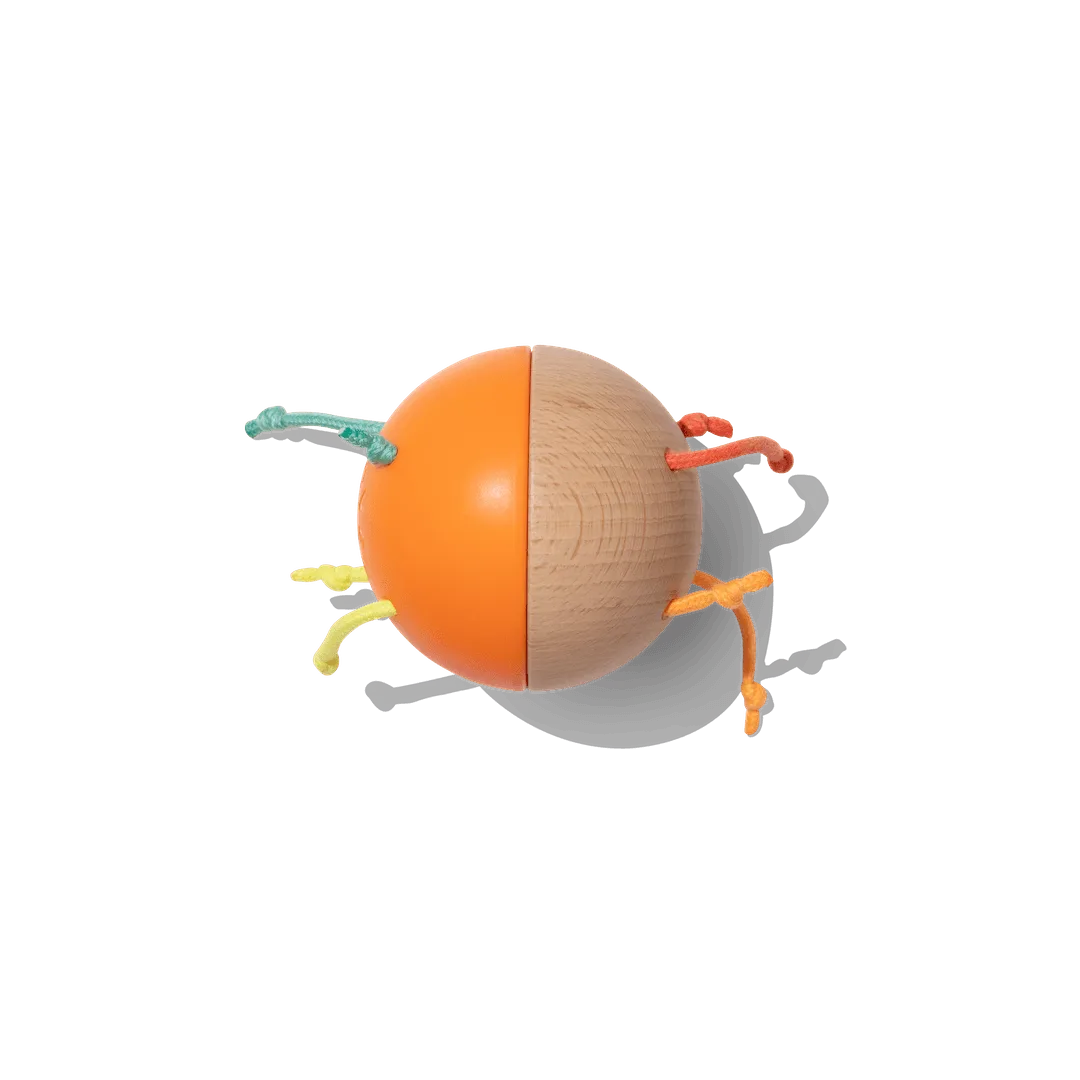
Pincer Chime Ball
When it comes to fine motor development, the right toy can make a big difference. Two popular Montessori-inspired options are the Aqua Wooden Ball and the Pincer Chime Ball. Both encourage grasping, but they target different skills and stages.
Understanding the difference helps you pick the toy that matches your baby's current abilities. Here's how they compare and which one might be the better fit for your little one.
What each toy is designed to do
The Aqua Wooden Ball is a simple, smooth wooden ball that fits comfortably in a baby's palm. It encourages whole-hand grasping and hand-eye coordination as your child reaches, grabs, and transfers the ball from hand to hand.
The Pincer Chime Ball is smaller and features a gentle chime that rewards precise finger movements. It's designed to encourage the pincer grasp—using the thumb and forefinger—which is a more advanced fine motor skill that typically emerges around 9 to 12 months.
- Match the toy to your baby's current grasping ability: whole-hand grasp first, then pincer.
Key differences at a glance
Size and weight are the most obvious differences. The Aqua Wooden Ball is larger and easier to hold, making it ideal for younger babies who are just starting to reach and grab. The Pincer Chime Ball is smaller and lighter, requiring more precise finger control.
The sensory feedback also differs. The Aqua Wooden Ball offers a solid, predictable feel, while the Pincer Chime Ball adds an auditory reward that can motivate repeated practice. This chime can be especially engaging for babies who respond well to sound.
- If your baby is still mouthing toys, ensure any ball is large enough to avoid choking hazards.
Choosing based on your child's stage
For a baby around 4 to 7 months who is developing whole-hand grasp, the Aqua Wooden Ball is a better starting point. Its size and weight make it easy to hold and explore, building confidence and foundational hand strength.
For a toddler around 9 to 15 months who is refining the pincer grasp, the Pincer Chime Ball offers the right level of challenge. The smaller size and chime encourage precise finger movements and provide immediate feedback that keeps practice fun.
- Observe how your child picks up small objects: if they use their whole hand, start with the larger ball.
Trade-offs to consider
- Aqua Wooden Ball: larger grip: Easier for younger babies to grasp with the whole hand. Builds hand strength and coordination, but does not target the pincer grip. Best for babies 4-7 months who are just learning to reach and grab.
- Pincer Chime Ball: precise grip: Smaller size and chime reward the pincer grasp. Offers more challenge, but may frustrate a baby who is not yet ready for precise finger control. Best for toddlers 9-15 months who are refining their pincer grasp.
- Sensory feedback: The Aqua Wooden Ball provides a solid, simple feel. The Pincer Chime Ball adds auditory feedback that can be motivating, but may be distracting for some children. Consider your child's sensitivity to sound when choosing.
Product facts
- The Montessori Playshelf: The Montessori Playshelf is a dedicated display and storage solution that keeps toys like the Aqua Wooden Ball and Pincer Chime Ball within easy reach, encouraging independent choice and tidy cleanup. A low, open shelf lets your child see and select their own toys, fostering independence and making fine motor practice a natural part of play.
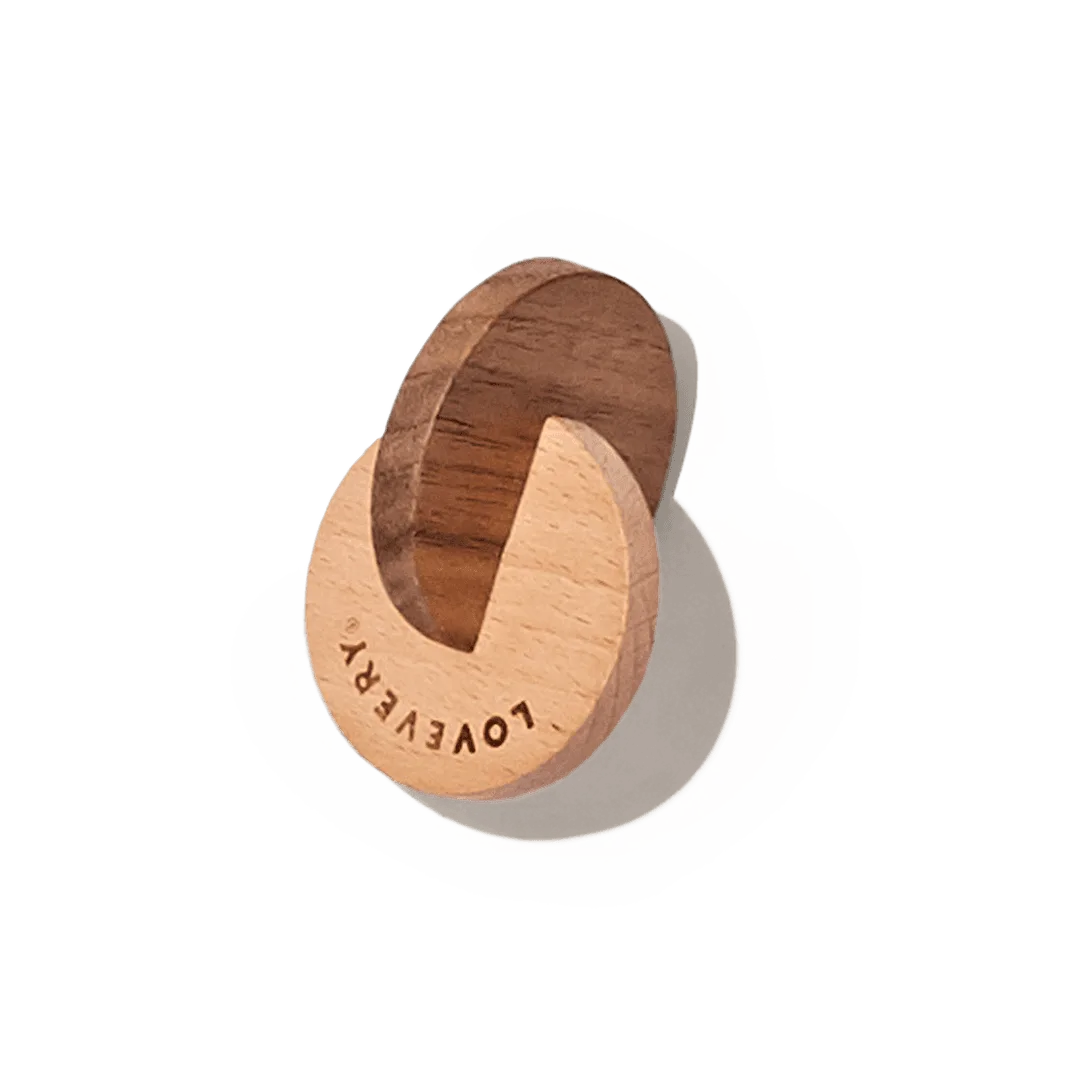
- Wooden Posting Stand: The Wooden Posting Stand is a replacement part designed for use with Lovevery play kits. This simple, sturdy piece supports fine motor skill development as children practice posting objects through the stand. Pairing the Wooden Posting Stand with a ball (like the Aqua Wooden Ball) adds a posting challenge that further refines hand-eye coordination and concentration.
Which one fits your child?
Best for
- Babies who are just starting to grasp objects with their whole hand (around 4-7 months).
- Parents who want a simple, classic Montessori toy that encourages hand-eye coordination.
Not for
- Toddlers who have already mastered the pincer grasp and need more advanced fine motor challenges.
- Babies who are not yet ready for precise finger movements and may get frustrated by a smaller toy.
Both the Aqua Wooden Ball and the Pincer Chime Ball have a place in your child's toy collection. Start with the larger ball to build a strong foundation, then introduce the smaller chime ball as your child's pincer grasp emerges. Matching the toy to your child's current stage makes practice effective and fun.