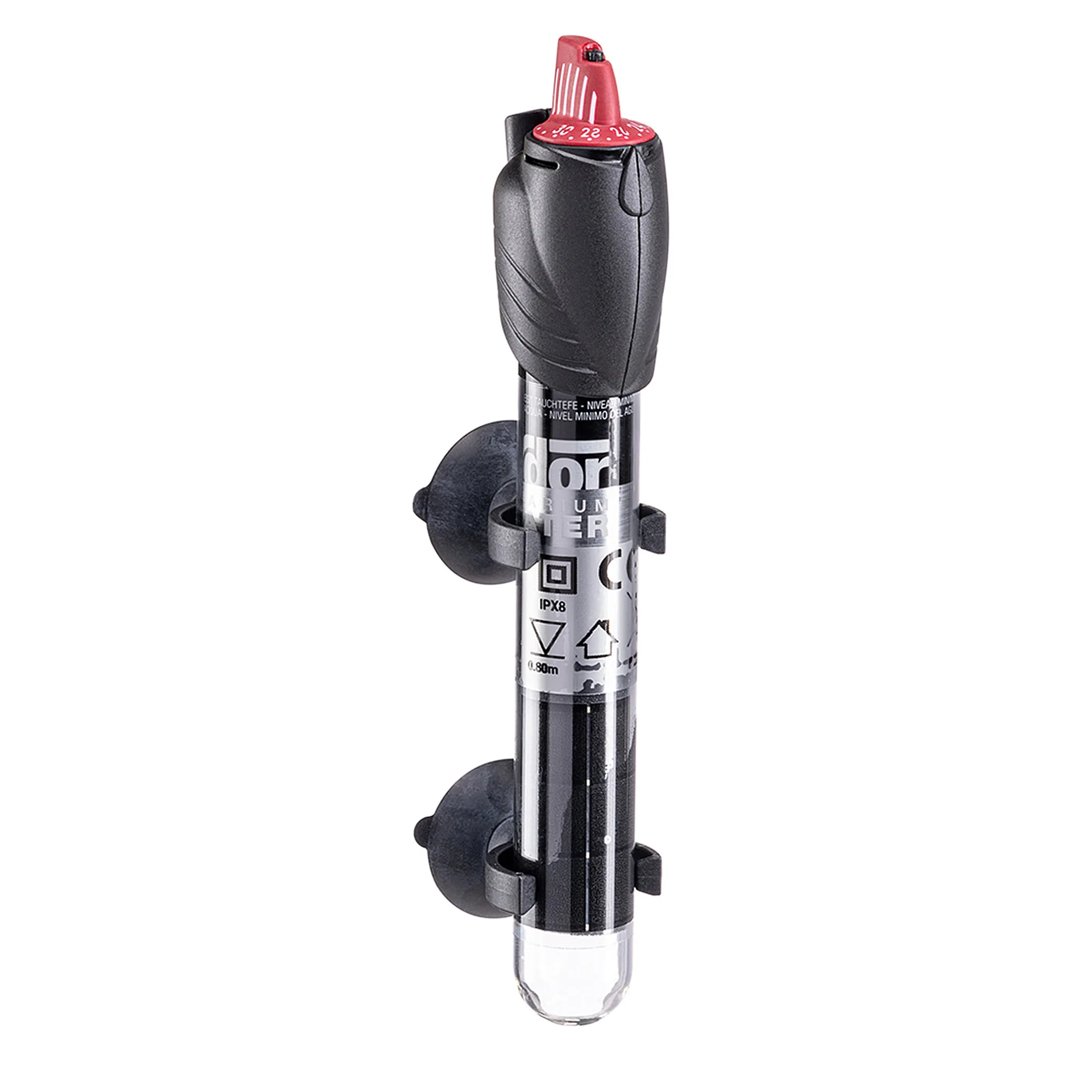
Quick Answer
For a planted tank, look for an LED light with a colour temperature around 6300K, a high CRI for natural colours, and features like a timer or dimmer to support plant growth without encouraging algae.
Spectrum and Colour Temperature Matter More Than Brightness
Plants use specific wavelengths in the blue and red ranges for photosynthesis. A light with a colour temperature of 6300K (like the Toplife LED Bar) mimics natural daylight and supports most freshwater plants. A high CRI (Color Rendering Index) above 90, as seen in the AQ-LUX FRESH lamp, ensures you see the true colours of your fish and plants, which is especially important for display tanks.
Controls: Timer and Dimmer Help Prevent Algae
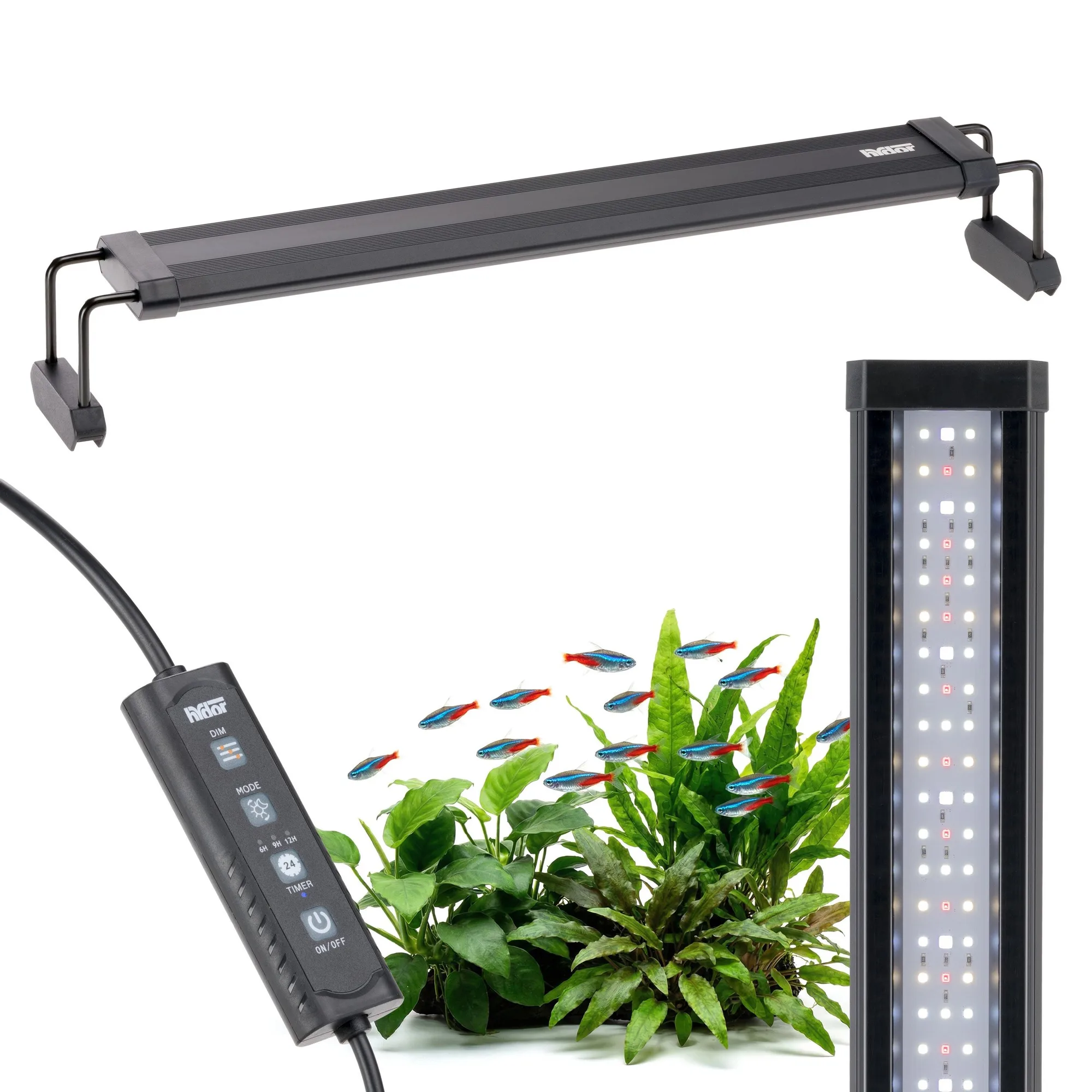
Algae thrive on inconsistent light schedules or excessive intensity. A light with a built-in timer and dimmer, such as the Hydor LED Bar Pro Toplife, lets you gradually ramp up light in the morning and fade it at night, mimicking a natural day cycle. This reduces stress on plants and helps keep algae in check.
Waterproofing and Safety Voltage Are Practical Must-Haves
Aquarium lights sit close to water, so an IP67 waterproof rating (found on the Toplife LED Bar) gives you peace of mind against splashes. Low voltage (12V) operation also adds a layer of safety, especially in households with children or pets.
How to Choose the Right Light for Your Planted Tank
-
1. Match Spectrum to Plant Needs: Choose a light with a colour temperature between 6000K and 7000K for most low-to-medium light plants. For high-light demanding plants, look for a light with strong blue and red wavelengths, often indicated by a high PAR value. If you grow only low-light plants like Anubias or Java Fern, a 6300K LED bar is sufficient. For stem plants or carpeting plants, consider a higher-output light like the AQ-LUX FRESH.
-
2. Decide on Control Features: If you want a set-and-forget solution, pick a light with a built-in timer and dimmer. If you prefer manual control or have a simple tank, a basic on/off LED bar with a separate timer plug will work. A timer prevents overexposure. A dimmer helps you adjust intensity during the acclimation period for new plants.
-
3. Check Waterproofing and Safety: Look for an IP67 rating if your tank has an open top or if splashes are common. A low-voltage (12V) power supply adds safety and is easy to replace if needed. The Toplife LED Bar is IP67 and 12V, making it a safe choice for most setups. Ensure you use the correct power supply (e.g., the Power Supply for LED Lamps) for any light that requires one.
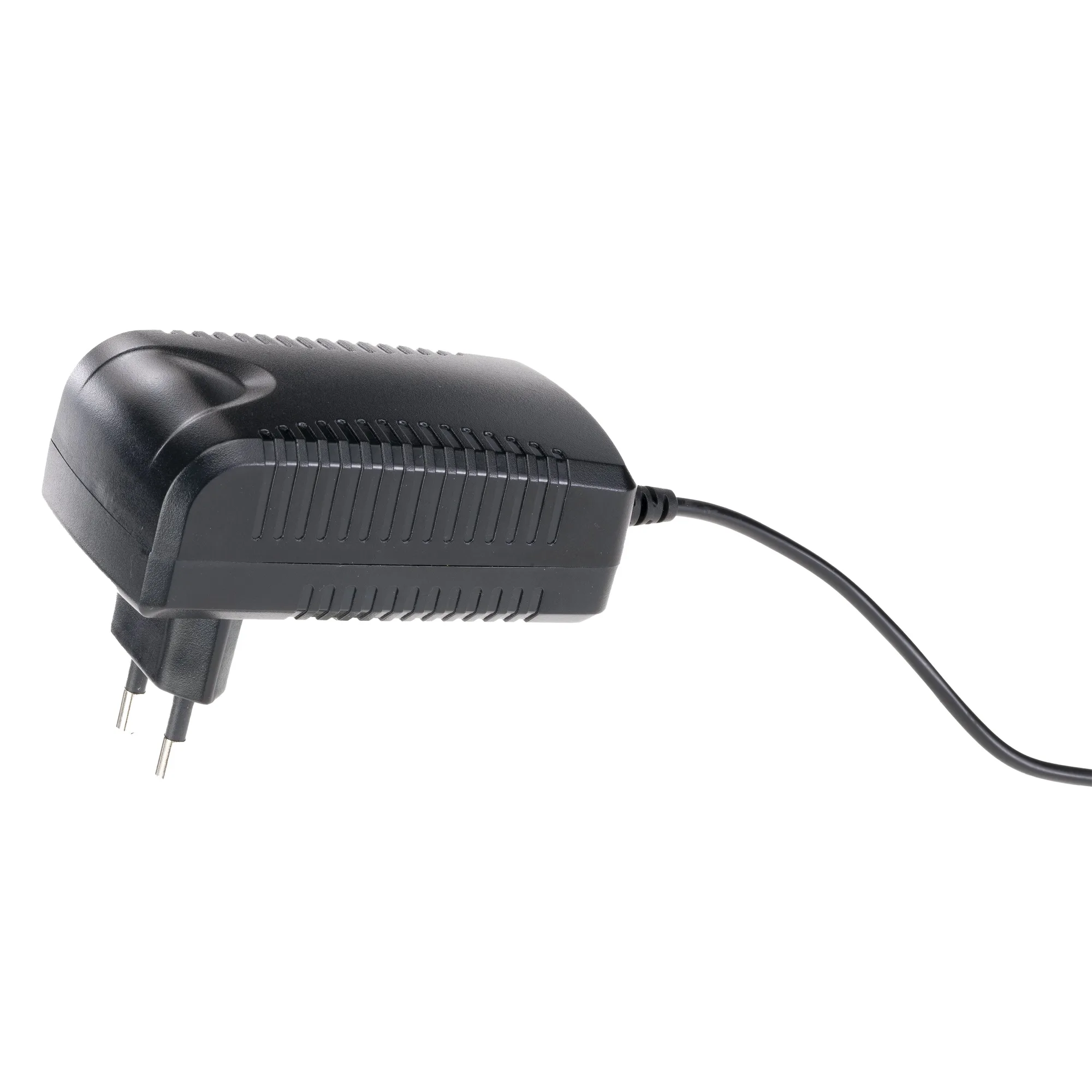
Power Supply for LED Lamps
-
4. Consider the Tank Size and Depth: For tanks deeper than 18 inches, you need a light with higher intensity or multiple units to ensure light reaches the bottom. Measure your tank's length and choose a light that covers the full span or use two bars side by side. The Hydor LED Bar Pro Toplife and Toplife LED Bar come in multiple sizes, so measure your tank length before buying.
Product Facts
-
LED BAR PRO TOPLIFE: The Hydor LED Bar Pro Toplife includes dimmer control, timer, and day-night modes. These features let you automate a natural light cycle, which supports plant growth and reduces algae risk without daily manual adjustment.
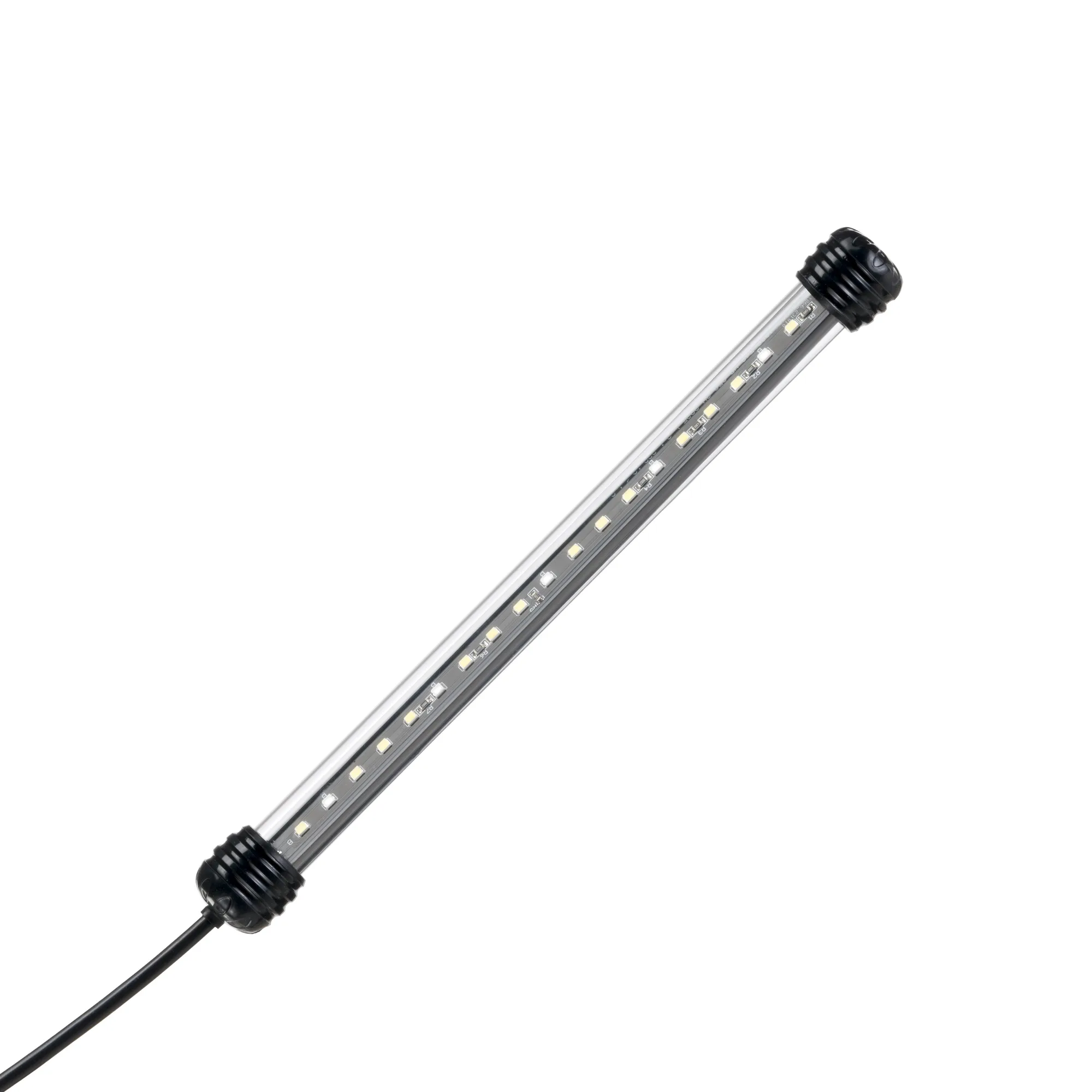
LED BAR PRO TOPLIFE
-
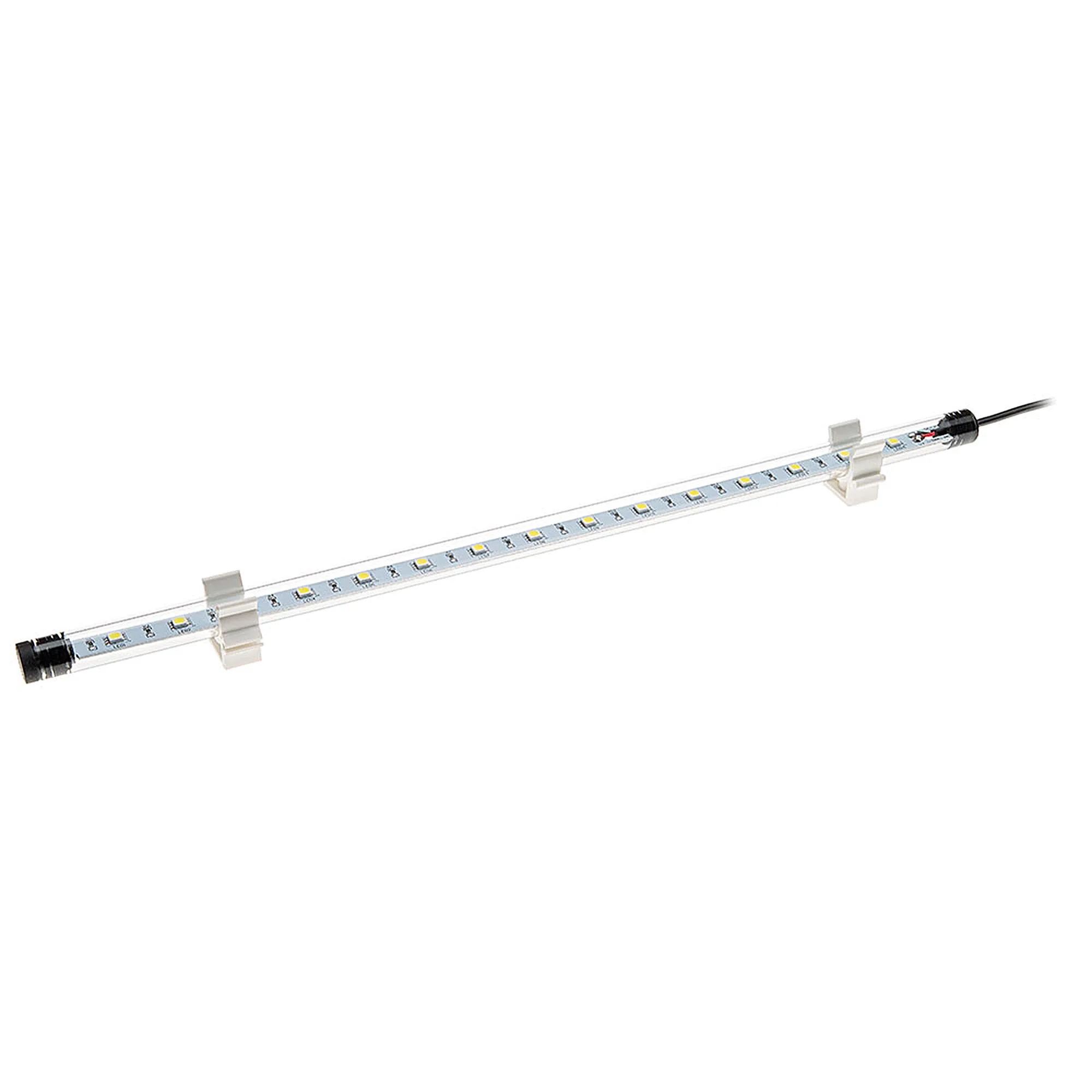
LED BAR TOPLIFE: The Toplife LED Bar offers a colour temperature of 6300K and is waterproof (IP67) with low safety voltage (12V). The 6300K spectrum suits most freshwater plants, and the IP67 rating makes it safe to use near water, even in open-top tanks.
-
AQ-LUX FRESH Lamp: The AQ-LUX FRESH lamp has a CRI >90 and uses hybrid technology for high efficiency. A CRI above 90 delivers vivid, natural colours for your fish and plants, making it ideal for display aquariums where visual quality is a priority.
Which Light Fits Your Setup?
Best For
- Planted tanks with low-to-medium light plants where ease of use and safety are priorities
- Display aquariums where colour rendering (CRI) is important for showing off fish and plants
Not For
- High-tech planted tanks with CO2 injection and demanding carpeting plants that need very high PAR output
- Saltwater or reef tanks that require specialised spectrum and intensity