Quick Answer
An Arca compatible quick shoe like the QS-65 offers multi-sided grip and faster attachment than a standard plate, especially for mirrorless cameras. Standard plates are simpler and cheaper but lack the extra grip and orientation flexibility. Choose a quick shoe if you switch between portrait and landscape often or need maximum stability.
What Makes an Arca Compatible Quick Shoe Different
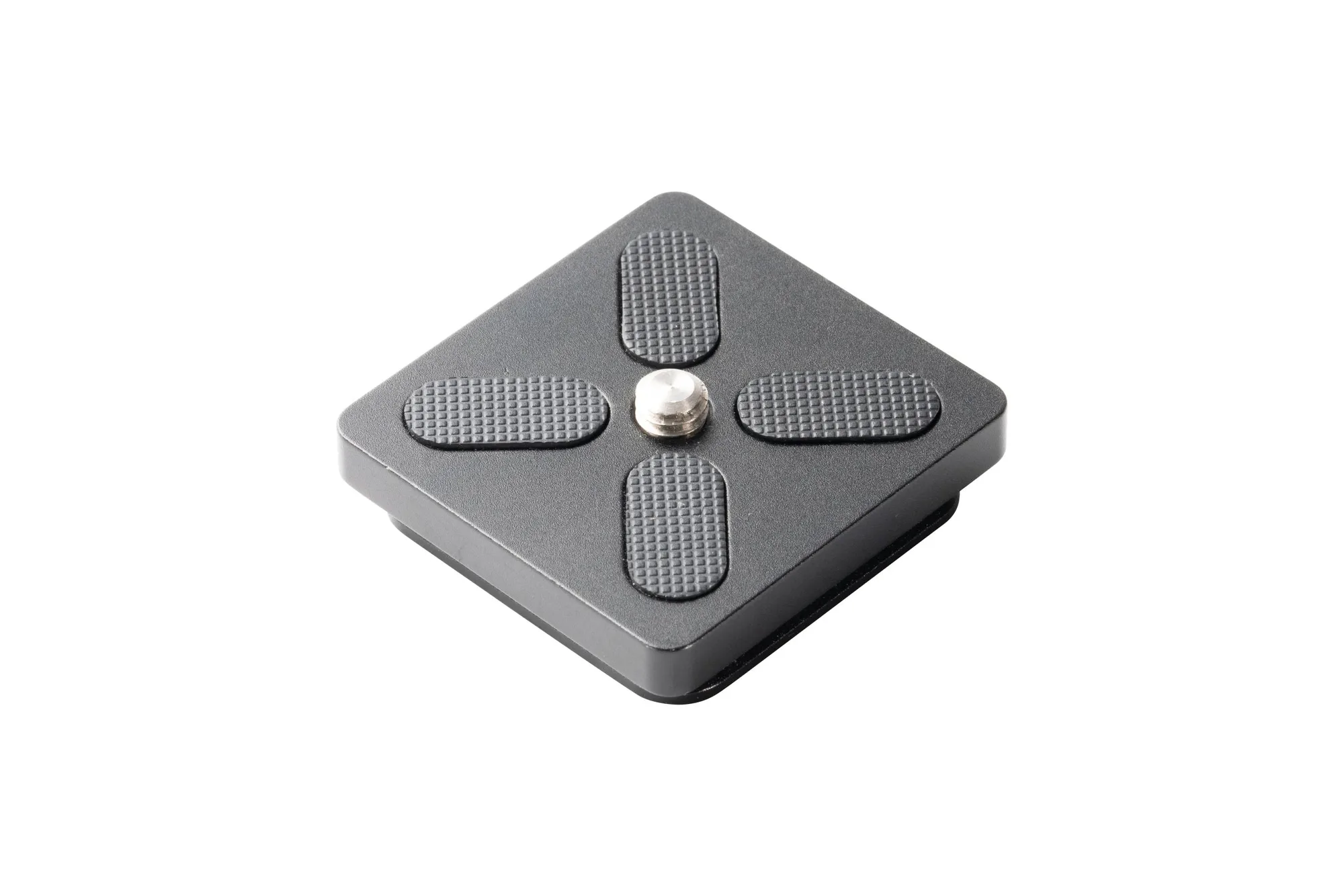
A standard quick release plate is a flat metal base with a single 1/4" screw and often one set of rubber strips. An Arca compatible quick shoe, such as the Vanguard QS-65, adds diagonal rubber strips on four sides for extra grip. This design lets you attach the shoe to the clamp at 90° angles, which is useful when you want to switch between horizontal and vertical framing without loosening the head.
The QS-65 is specifically built for mirrorless cameras, which are lighter but still need a secure lock to prevent twisting. The four-sided grip reduces the chance of the camera rotating under the plate, a common issue with standard plates on smaller bodies.
Standard Plate: Simpler, Lighter, Lower Cost
Standard quick release plates are often included with entry-level tripod heads and are fine for casual use. They typically have one or two rubber strips and a single screw. They work well with DSLRs and heavier setups where the camera weight itself helps keep things stable. However, they lack the multi-angle attachment and extra grip of a quick shoe, which can be a limitation when using a ball head for precise framing.
Matching the Plate to Your Tripod Head
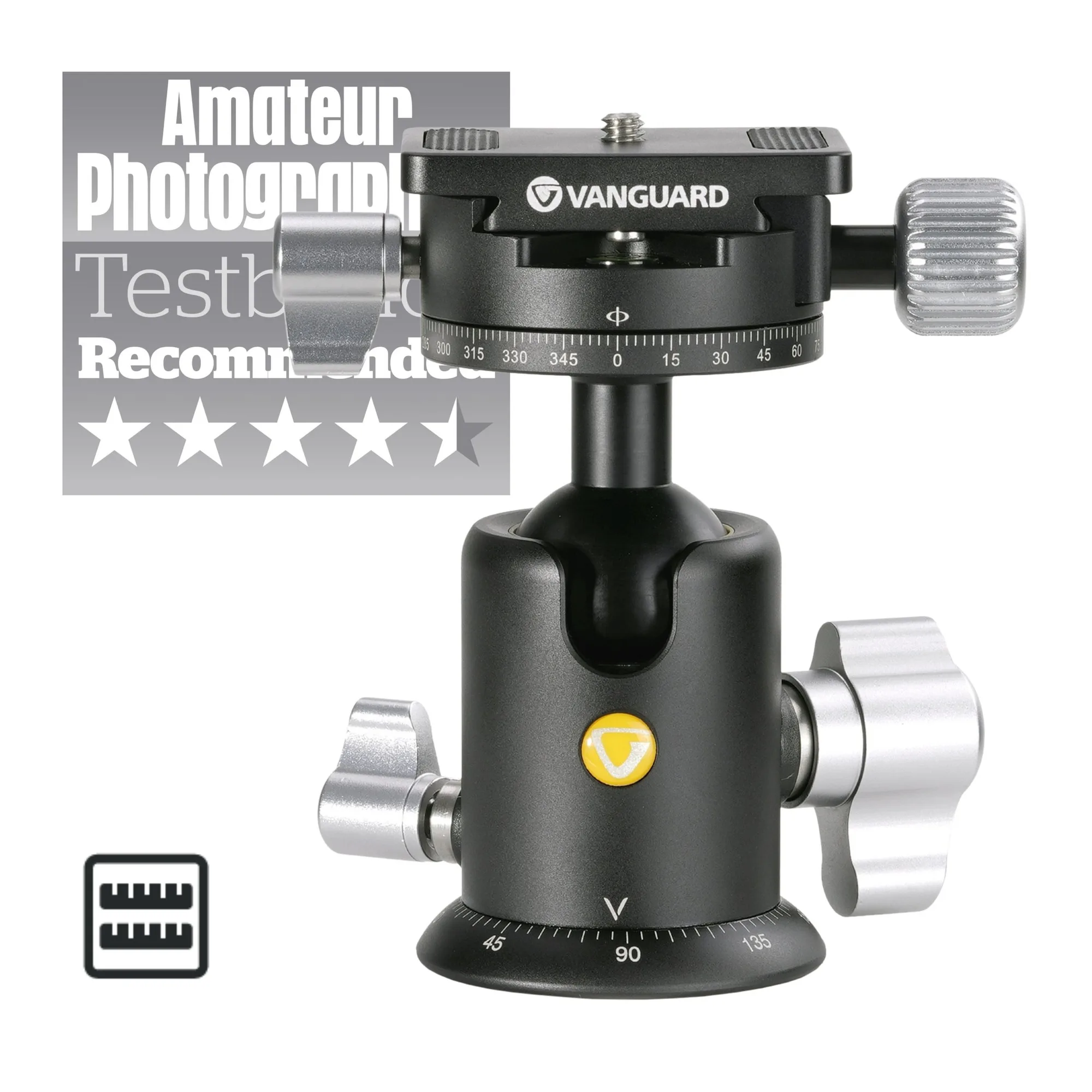
Both standard plates and quick shoes are Arca compatible, so they fit most modern ball heads. The VEO BH-160S dual-axis ball head, for example, accepts both types. The key difference is how the plate interacts with the head's clamp. A quick shoe's four-sided design allows you to attach it in multiple orientations, which pairs well with a dual-axis head for quick leveling. A standard plate only fits one way, which is fine for basic use but limits flexibility when shooting panoramas or on uneven terrain.
Tradeoffs: Quick Shoe vs Standard Plate
- Grip and stability: Quick shoe (QS-65) has four diagonal rubber strips for maximum grip. Standard plates usually have one or two strips, which may allow rotation under load. Choose quick shoe if you shoot with a mirrorless body or in windy conditions.
- Attachment flexibility: Quick shoe can be attached at 90° angles, useful for switching between horizontal and vertical framing. Standard plate attaches in one orientation only. Quick shoe is better for photographers who frequently change composition.
- Compatibility and cost: Both are Arca compatible, but standard plates are often cheaper or included with heads. Quick shoes cost a bit more but offer better performance per dollar. Standard plate is fine for budget setups or heavier DSLRs that don't need extra grip.
Product Facts at a Glance
- QS-65 4-Sided Extra-Grip Arca Compatible Quick Shoe - Mirrorless: The Vanguard QS-65 Quick Shoe is an Arca compatible quick release plate with a 1/4" camera screw and anti-slip rubber pads. It features four diagonal rubber strips for maximum grip and can be positioned at 90° angles to allow a 2-way pan-head to do its job. The four-sided grip and 90° positioning give you more stability and faster orientation changes, ideal for mirrorless cameras that need extra security.
- VEO BH-160S Arca Compatible Dual Axis Ball Head (to 15kg): The VEO BH-160S is an Arca compatible ball head that introduces a second pan axis under the quick release plate mount for maximum control in framing your shot. It allows you to level your tripod in seconds on any terrain without adjusting the legs. Pairing a quick shoe with a dual-axis head like the BH-160S lets you level and compose faster, especially when switching between portrait and landscape shots.
Which Should You Choose?
Best For
- Mirrorless camera owners who want a secure, twist-free connection
- Photographers using a dual-axis ball head like the VEO BH-160S for quick leveling and orientation changes
Not For
- Heavy DSLR setups where the camera weight already provides stability
- Budget-conscious users who only need a basic plate for occasional tripod use