Quick answer
For most adult hobbyists, a 3D wooden motorcycle puzzle is worth it if you want a quiet, screen-free build with a warm display piece and no paint or glue. A plastic model kit wins if you want maximum mechanical detail, custom finishes, and a larger aftermarket of upgrades. Wooden kits are usually simpler to finish but less forgiving of rough handling.
What you actually get in a wooden motorcycle kit
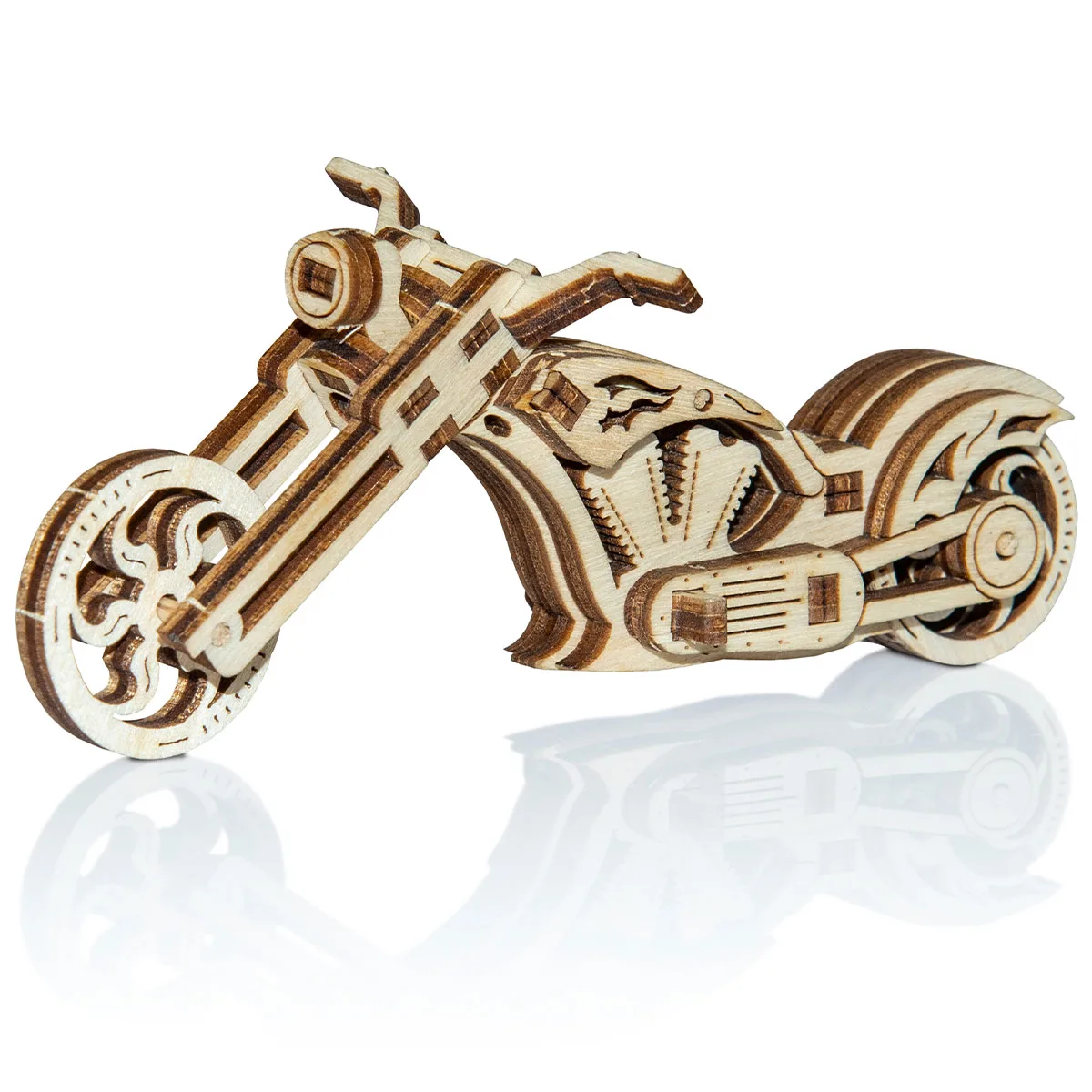
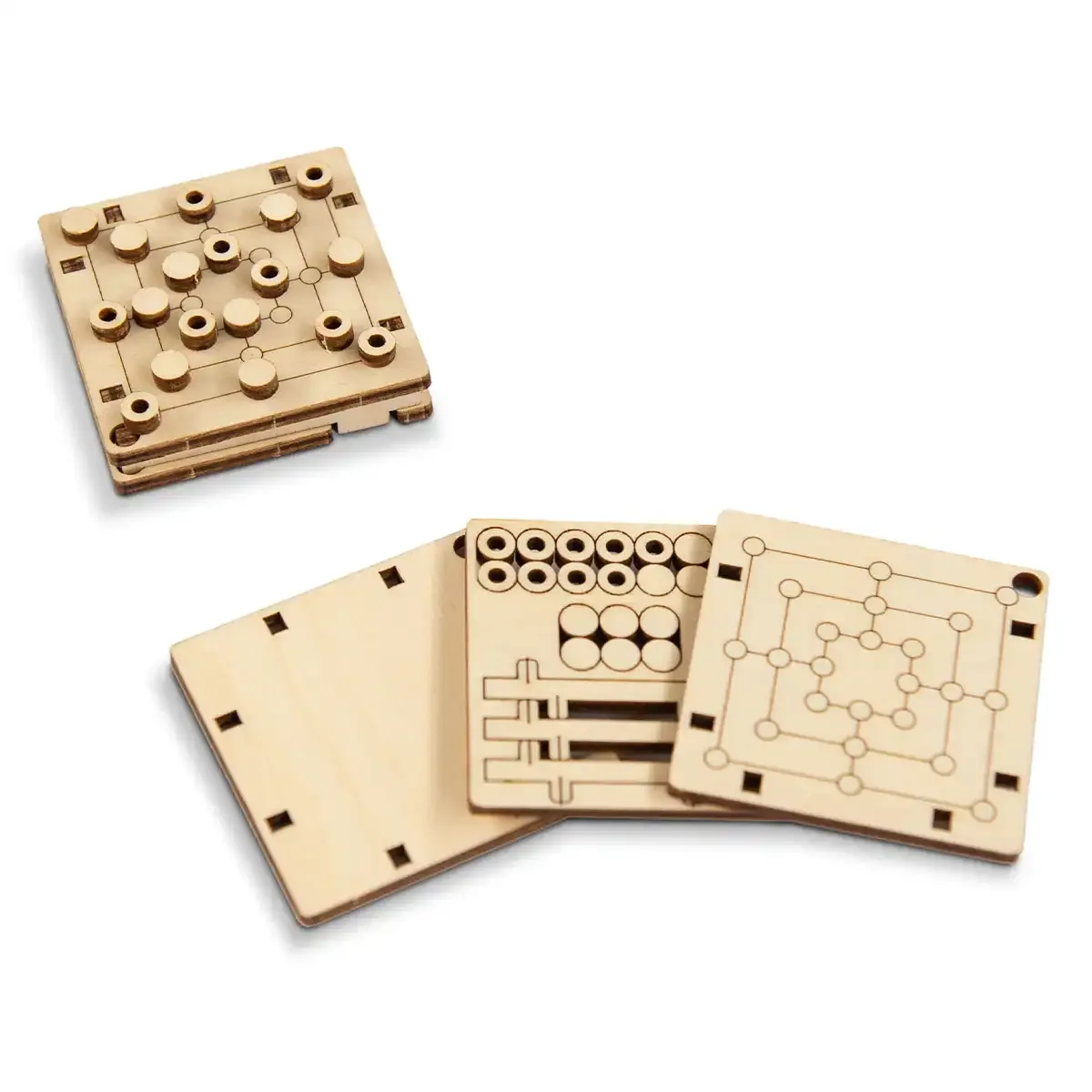
A 3D wooden motorcycle puzzle arrives as laser-cut plywood sheets. You push out the pieces, follow a diagram, and slot or pin them together. Most kits need no paint, glue, or solvents, so you can build on a kitchen table without fumes or a dedicated workspace. The trade-off is that wood has a fixed finish: you cannot easily change the color or add chrome effects the way you can with a plastic kit. If you enjoy the build more than the customization, that limitation rarely matters.
How wooden and plastic kits differ in difficulty
Difficulty is not just piece count. A plastic motorcycle kit often has 100 to 300 parts, but many are tiny and require cement, sanding, and decals. A wooden kit can have fewer parts yet feel harder because slots must align before the frame locks. Wooden parts can also snap if you force a joint, and there is no filler or putty to hide mistakes. If you have shaky hands or limited patience for fiddly alignment, start with a smaller wooden kit before committing to a large one.
Display value and long-term durability
Wooden models display well in living rooms and offices because they look like decor rather than toys. They are lighter than plastic models, so they need a stable shelf away from direct sun and drafts; humidity swings can loosen joints over time. Plastic models hold fine detail better and tolerate more handling, but they can look out of place in a warm interior. Neither is a toy, and both should be kept away from young children.
Cost per hour of hobby time
A plastic kit often costs more once you add cement, paint, and tools, but it can be rebuilt or modified. A wooden kit is usually a one-time build: once assembled, it is a display object. If you want a repeatable hobby, plastic offers more ongoing projects. If you want a single satisfying afternoon or weekend and a finished piece you can show off, wood is the better value.
Trade-offs: wooden motorcycle puzzle vs plastic model kit
- Finish and customization: Wooden kits come pre-finished in natural wood tones and need no paint. Plastic kits accept paint, decals, and aftermarket detail parts. Choose wood for a clean, no-mess finish; choose plastic if you want to customize.
- Build forgiveness: Wooden joints can crack if forced and cannot be filled easily. Plastic can be sanded, filled, and re-glued. If you make mistakes often, plastic is more forgiving.
- Display and storage: Wooden models are light and look like decor but are sensitive to humidity. Plastic models are heavier and more durable but can look toy-like. Match the material to where the finished model will live.
Wooden kits worth comparing
- Victorian Mansion 4000 Wooden Puzzle: Victorian Mansion 4000 Wooden Puzzle is a 4000-piece kit made in Poland for adults and children over 14. A very large piece count means many evenings of build time, so it suits hobbyists who want a long project rather than a quick afternoon.
- Wooden Puzzle 1000 Royal Cats: Wooden Puzzle 1000 Royal Cats is a 1010-piece wooden puzzle with 100 unique whimsy shapes featuring cats in a royal interior. The whimsy shapes add irregular pieces that keep the build interesting, making it a good middle ground between a standard jigsaw and a 3D model.
- Titanic 500 Wooden Puzzle: Titanic 500 Wooden Puzzle is a 500-piece wooden puzzle crafted in Poland. At 500 pieces it is a more approachable project for a first wooden build or a gift, with less commitment than a 4000-piece kit.
Who should buy which
Best for
- Hobbyists who want a quiet, glue-free build with a warm display piece
- Gift buyers looking for a screen-free activity for adults or teens over 14
- Anyone who prefers following a diagram over painting and decals
Not for
- Modelers who want to paint, weather, and customize every surface
- Builders who need moving pistons, rubber tires, or photo-etched detail
- Young children, since small parts and fragile joints are a hazard