Quick answer
A deluxe board game edition is worth it when the upgraded components change how the game feels in your hands or how often it hits the table. Skip the premium version if the extras are cosmetic, if you mostly play once or twice, or if the standard edition already plays the same. Judge the upgrade by tactile payoff, table presence, and how many plays you expect, not by the word deluxe alone.
What actually changes between standard and deluxe
Deluxe editions usually change one or more of four things: the material of the pieces, the number of components, the storage solution, and the visual finish. The gameplay rules themselves are typically identical, which is why the upgrade decision is really about feel and longevity rather than a different game. A useful habit is to read the component list of both versions side by side and highlight only the differences, then ask whether each difference is something you will touch or see every session.
- Material swaps: wood or molded plastic instead of cardboard or thin stock
- Component count: extra tiles, tokens, or alternate pieces that expand variety
- Storage: inserts or trays that speed setup and protect pieces
- Finish: foil, full-color printing, or sculpted details that raise table presence
The tactile test: where deluxe upgrades earn their price
The strongest case for a deluxe edition is tactile. Pieces you handle constantly, like tiles you draw and place every turn, benefit most from a material upgrade because the improvement is felt in every round. Pieces that sit on a player board and rarely move benefit least. Before buying, count how many times per game you physically touch the upgraded components; the higher that number, the easier it is to justify the premium.
When the standard edition is the smarter buy
Choose the standard edition when the deluxe extras are mostly cosmetic, when your group plays a game only a few times before moving on, or when storage space and budget are tight. A standard edition that gets played ten times is a better purchase than a deluxe edition that stays sealed. If you are unsure, buy the standard version first and treat the deluxe as a later upgrade only if the game becomes a regular in your rotation.
Reading a deluxe listing without getting fooled
The word deluxe is not standardized, so the listing details matter more than the label. Look for the exact component count, the material of each upgraded piece, and whether any gameplay content is exclusive to the premium version. If a listing says deluxe but does not specify what changed, treat that as a decision limitation and compare the standard version's component list directly. A clear component comparison is the only reliable way to price the upgrade.
Decision rules for buying a deluxe edition
- Count the touches per game: If you handle the upgraded pieces more than a few times each turn, the tactile payoff is high. If they sit untouched, the premium is hard to justify. High-touch components justify deluxe; low-touch ones rarely do.
- Check whether rules are identical: Compare the component lists of both versions. If the gameplay is the same, you are paying for feel and presentation, not for a different experience. Same rules means the upgrade is a materials decision.
- Estimate your play count: Deluxe editions pay off over many sessions. If the game is likely to be played once or twice, the standard edition delivers the same fun for less. Buy deluxe for games you expect to replay.
- Weigh storage and setup: Molded tokens and wood tiles often need better storage and can slow setup if the insert is weak. Check whether the deluxe version includes a tray or insert. A deluxe edition without good storage can become a chore.
- Set a price-per-play ceiling: Divide the price difference by the number of plays you expect. If the per-play premium feels high, wait for a sale or stay with the standard edition. Use per-play cost, not sticker price, to decide.
Deluxe editions in the catalog
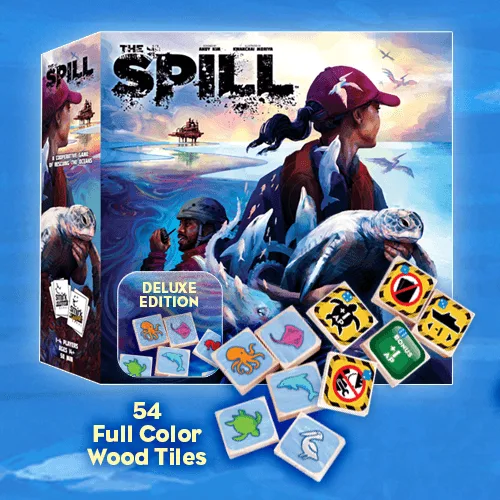
- The SPILL DELUXE edition: with full color wood tiles: The SPILL DELUXE edition comes with 56 two-sided, full-color wood tiles, including 36 Sea Life tiles and 20 Weather Effect tiles. Wood tiles are handled every turn, so the tactile upgrade is felt constantly, and the two-sided full-color printing adds visual variety across repeated plays.
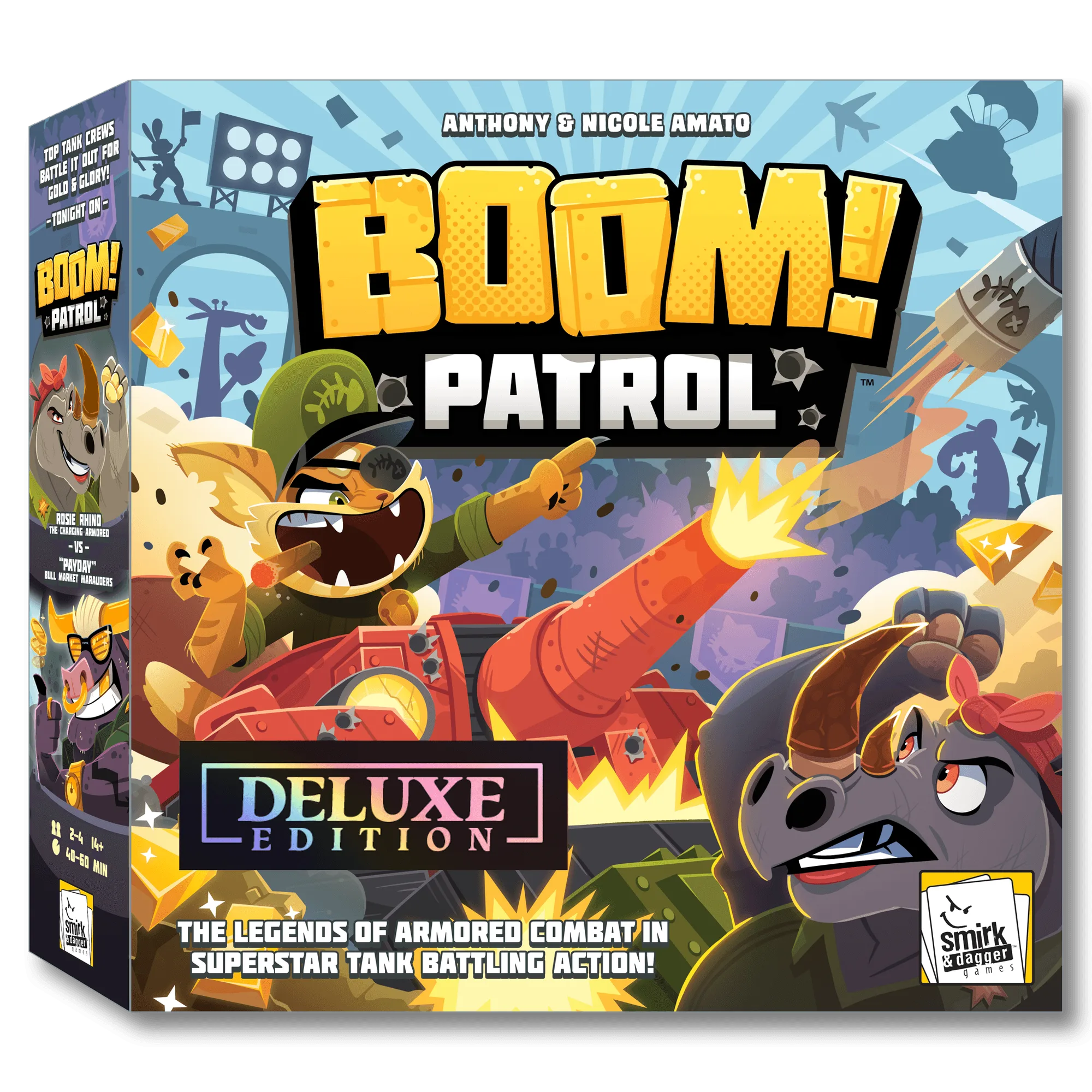
- BOOM Patrol DELUXE: BOOM Patrol DELUXE includes holofoil tanks and captains, plastic molded tokens, and more. The holofoil and molded tokens raise table presence and durability, which matters most if the game is a frequent centerpiece for a group.
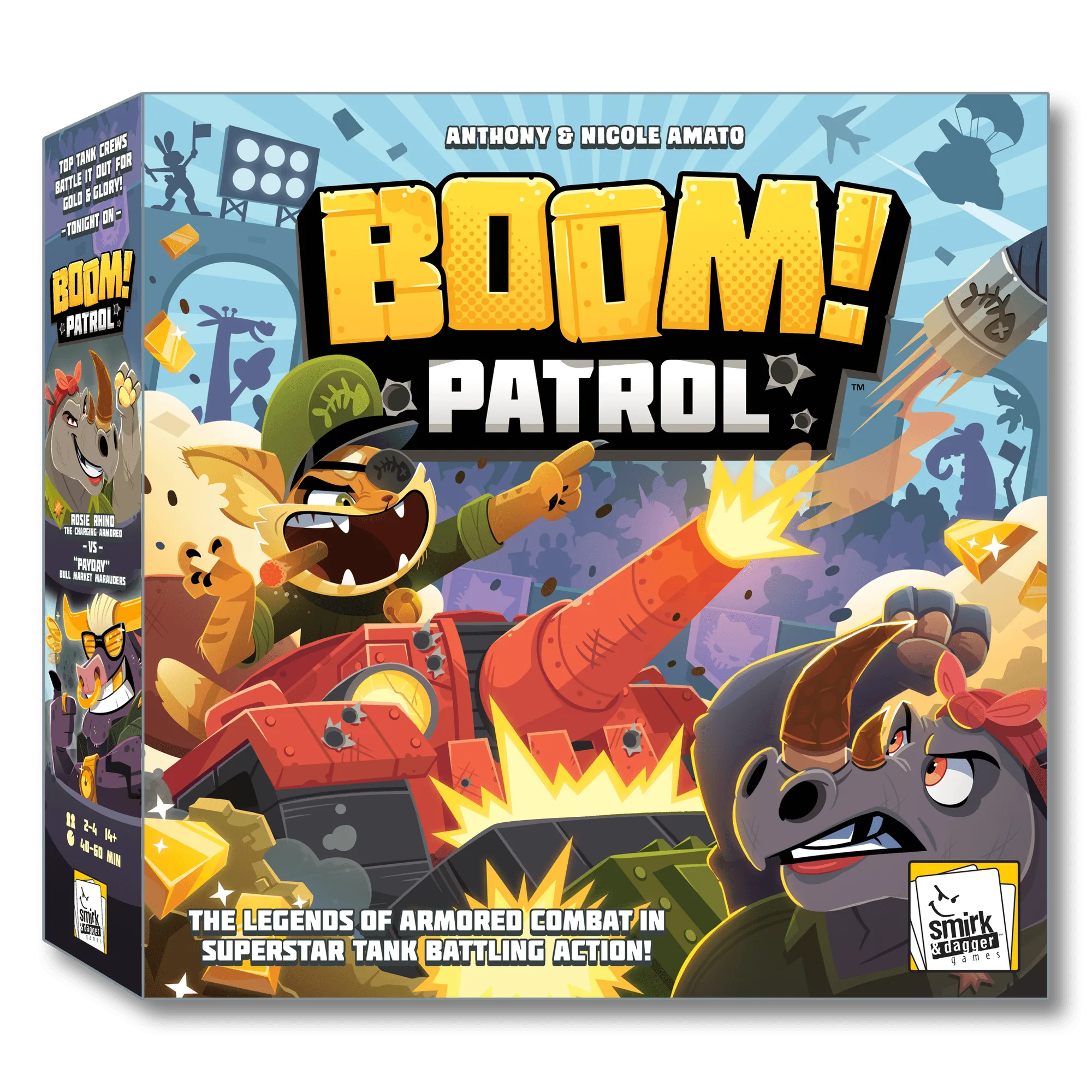
- Boom Patrol - Superstar Tank Battling Action!: The standard BOOM Patrol edition features an intuitive movement system, programmed command cards, and animal tank captains with unique abilities. Because the standard version already carries the full gameplay, the deluxe upgrade is a component and presentation decision rather than a rules decision.
Who should buy the deluxe version
Best for
- Players who expect to bring the game to the table often and want durable, tactile pieces
- Groups that value table presence and full-color components as part of the experience
- Buyers who already know they enjoy the game and want the version that will last
Not for
- First-time buyers who have not played the game and are unsure it will stick
- Shoppers on a tight budget who mainly care about the rules and replay value
- Players with limited shelf space who do not want larger or heavier components