Quick answer
Expensive animal figures are worth it when the higher price reflects a specific, useful difference you care about, such as accuracy, pose, or the story behind the animal. They are not worth it when you are only paying for a bigger box or a vague premium label. Use the figure's purpose, not its price tag, to decide.
Animal figure shoppers often see two versions of the same animal: one at a low price and one that costs noticeably more. The assumption is that the expensive one must be better, or that the cheap one must be a compromise. Neither is automatically true.
This breakdown treats common claims about expensive animal figures as claims to test. Each verdict uses only supplied catalog facts and practical buying logic, so you can decide what toy figure value means for your own shelf, classroom, or collection.
Claim: A higher price always means better quality
Verdict: false. Price and quality are related but not identical. A figure can cost more because it is larger, because it is part of a specific range, or because it represents an animal with a more complex shape. None of those automatically make it a better toy or a better model.
What matters is whether the extra cost maps to a feature you will actually use. If you need a figure that stands steadily during play, a higher price is only worth it if the pose and build support that. If you need an accurate reference for a school project, the deciding factor is whether the animal's key features are represented, not the number on the tag.
- Ask what the extra cost is buying: size, pose, accuracy, or packaging.
- If you cannot name the difference, the premium is probably not for you.
Claim: Cheap figures are always a false economy
Verdict: false. A low-priced figure can be excellent value when it matches the job. A small, simple animal that sits on a desk or fills a shoebox diorama does not need premium construction to do its job well.
The risk with cheap figures is not the price itself; it is buying without checking what you get. If the listing does not state a size, material, or pose, that absence is a decision limitation, not proof of poor quality. Buy the cheap option when the figure's role is simple, and save the premium budget for the figures you handle most.
- Match the figure to the task: display, play, teaching, or collecting.
- Treat missing specifications as unknowns, not as hidden flaws.
Claim: You should always buy the most detailed version
Verdict: only if detail serves your purpose. Detail matters when you are comparing breeds, studying anatomy, or building a realistic scene. It matters much less when the figure will be handled roughly or stored in a bin with a dozen others.
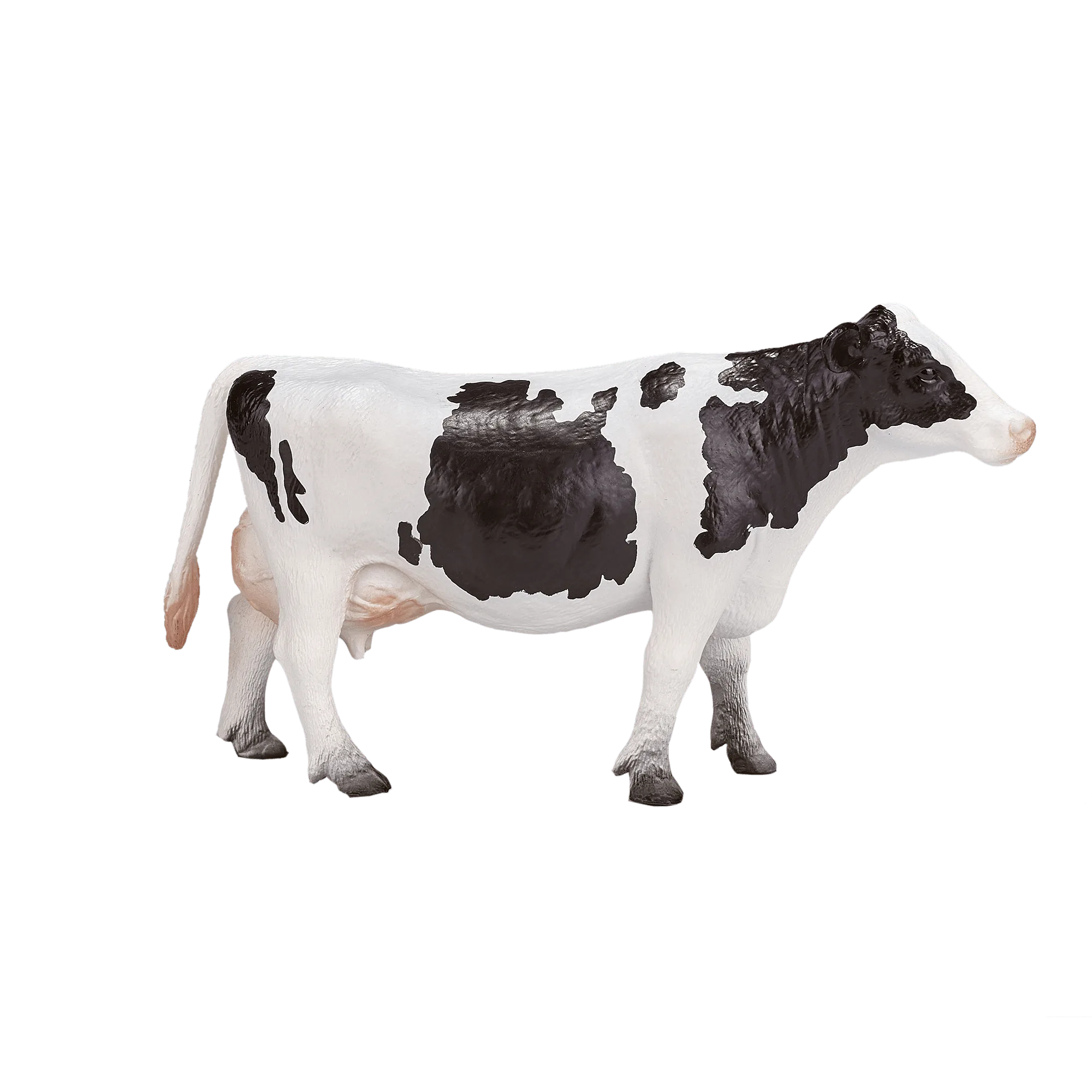
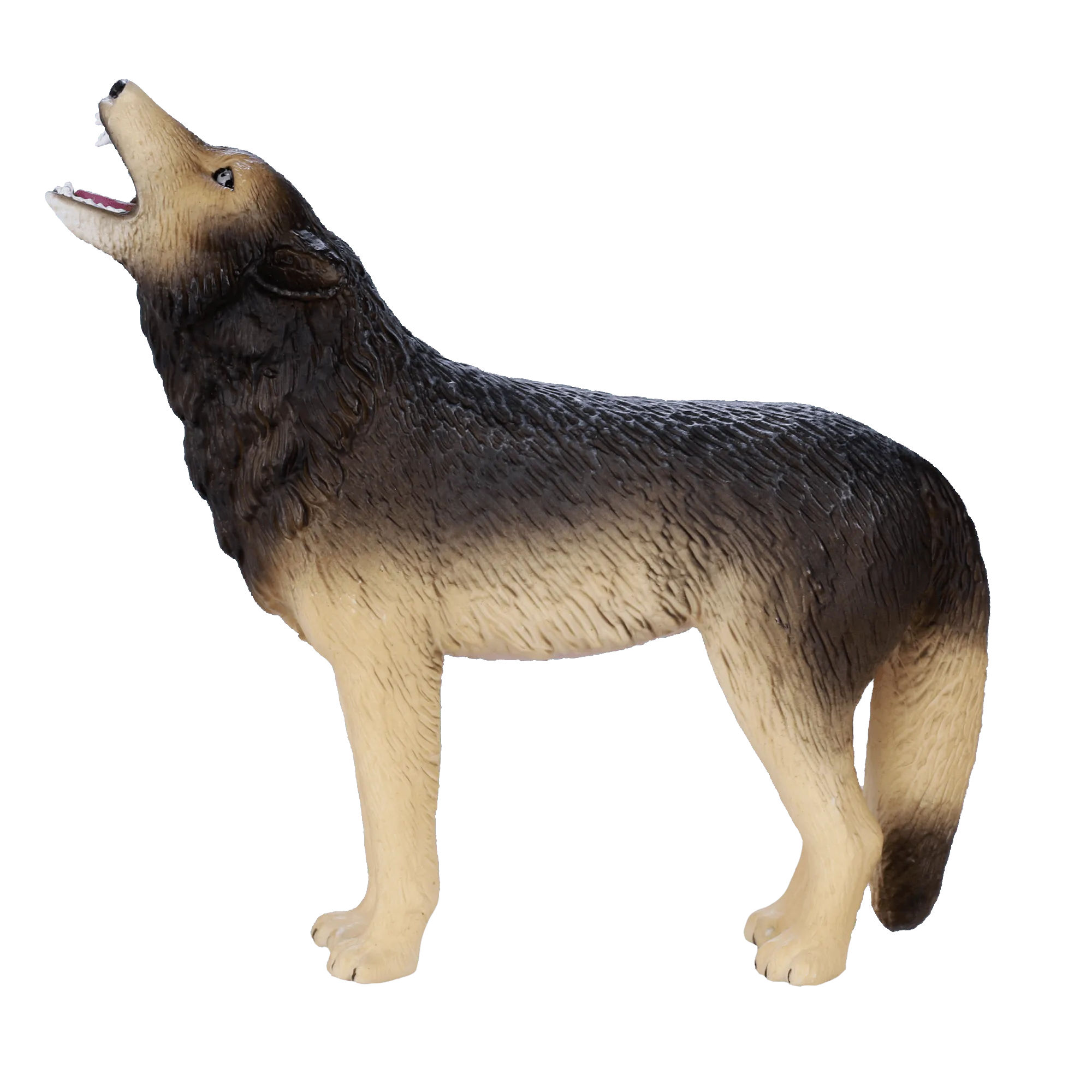
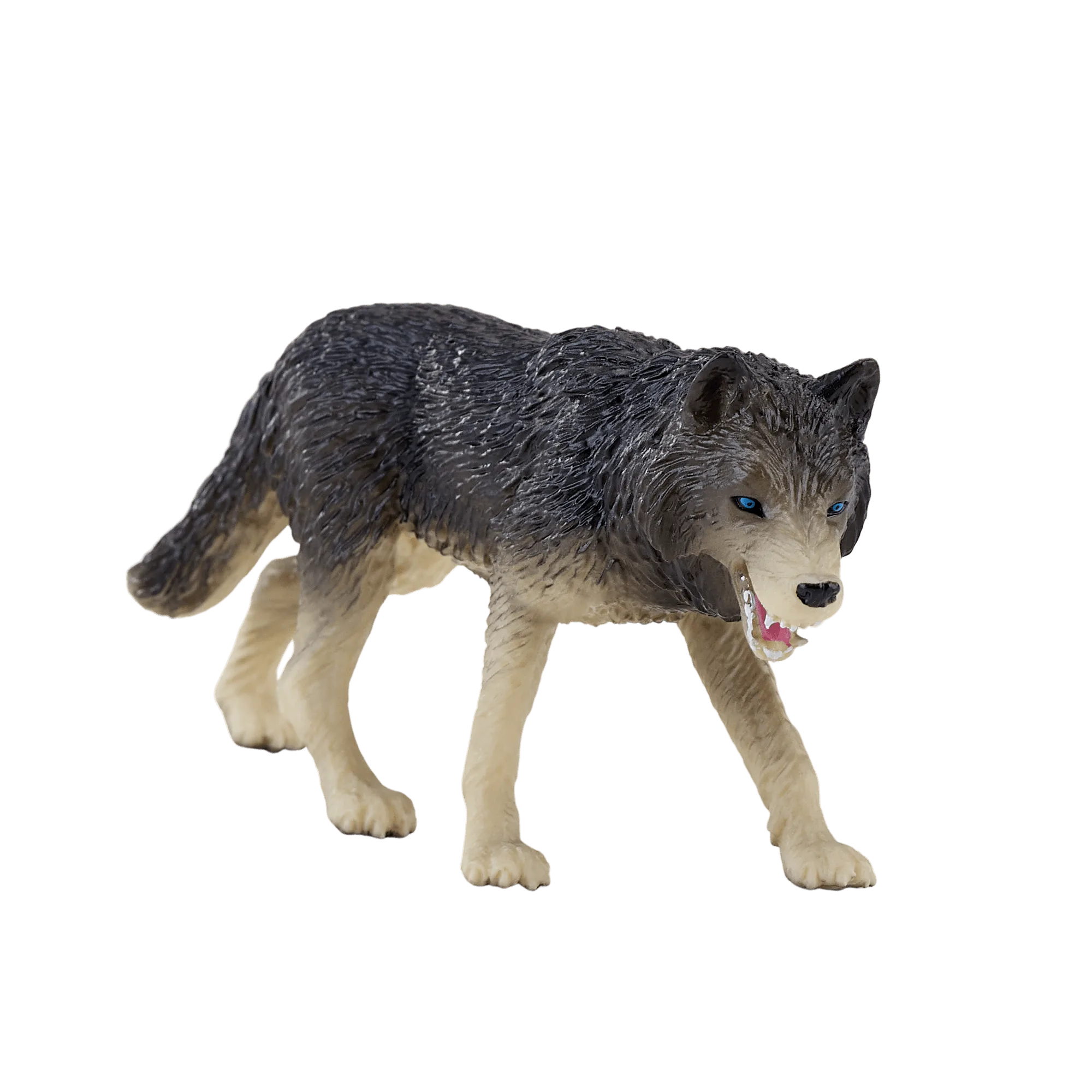
A practical test is to name the one feature you would notice if it were wrong. For a Holstein Cow, that might be the markings. For a https://mojofunmgb.com/products/timber-wolf-howling-b79bfeb2e7dd2819f40a95a4-1559139Timber Wolf Howling, it might be the raised-head pose. If a cheaper figure gets that one feature right, paying more for extra detail elsewhere may not change your experience.
- Pick the single feature that matters most for your use.
- Let that feature, not the price, decide which version you buy.
Claim: Premium figures are only for serious collectors
Verdict: false. Premium figures can make sense for teachers, parents, and casual buyers too, as long as the figure is used often enough to justify the cost. A figure that is handled daily, packed for lessons, or photographed repeatedly earns its price through repeated use.
The reverse is also true: a collector who only displays a figure behind glass may get the same satisfaction from a simpler model. The question is not who you are, but how much the figure will be used and how closely it will be examined.
- Estimate how often the figure will be handled before paying more.
- High-use figures justify a higher price more easily than shelf-only pieces.
Verdicts at a glance
- Expensive figures are always better: Price reflects size, pose, range, and packaging as much as quality. A higher price only helps if it buys a feature you will use. Verdict: false. Buy the feature, not the price.
- Cheap figures are always a compromise: Low-priced figures work well for simple roles like desk display, small dioramas, or spare pieces. Missing specifications are unknowns, not proof of poor quality. Verdict: false. Match the figure to the job.
- Premium figures are only for collectors: Teachers, parents, and photographers can justify a higher price when a figure is handled or examined often. Shelf-only pieces may not need it. Verdict: false. Use frequency decides.
- More detail is always worth more money: Detail pays off when you compare breeds, study anatomy, or build realistic scenes. For rough play or bulk storage, extra detail adds little. Verdict: depends on use. Name the one feature that matters, then buy that.
Catalog facts that show price vs value
- Holstein Cow: The average Holstein cow produces around 23,000 pounds of milk, or 2,674 gallons, of milk each lactation. With a standard lactation lasting 305 days, that comes out to 75 pounds, or almost 9 gallons of milk per cow per day. If you are buying this figure for a farm lesson, the real-world fact gives the model a teaching job. That makes the figure more valuable than a generic cow shape, even before you compare prices.
- Timber Wolf Howling: The wolf is thought to be an ice age survivor, dating wolves around 300,000 years ago. The wolf is accepted to be the ancestor of the domestic dog as the wolf is thought to have selectively bred in order to breed appealing traits typical of puppies and to eliminate the not so appealing traits of adult wolves. A howling pose plus a dog-ancestry story turns this figure into a conversation piece. If you want that story on your shelf or in a lesson, the figure earns more of its cost than a plain wolf model would.
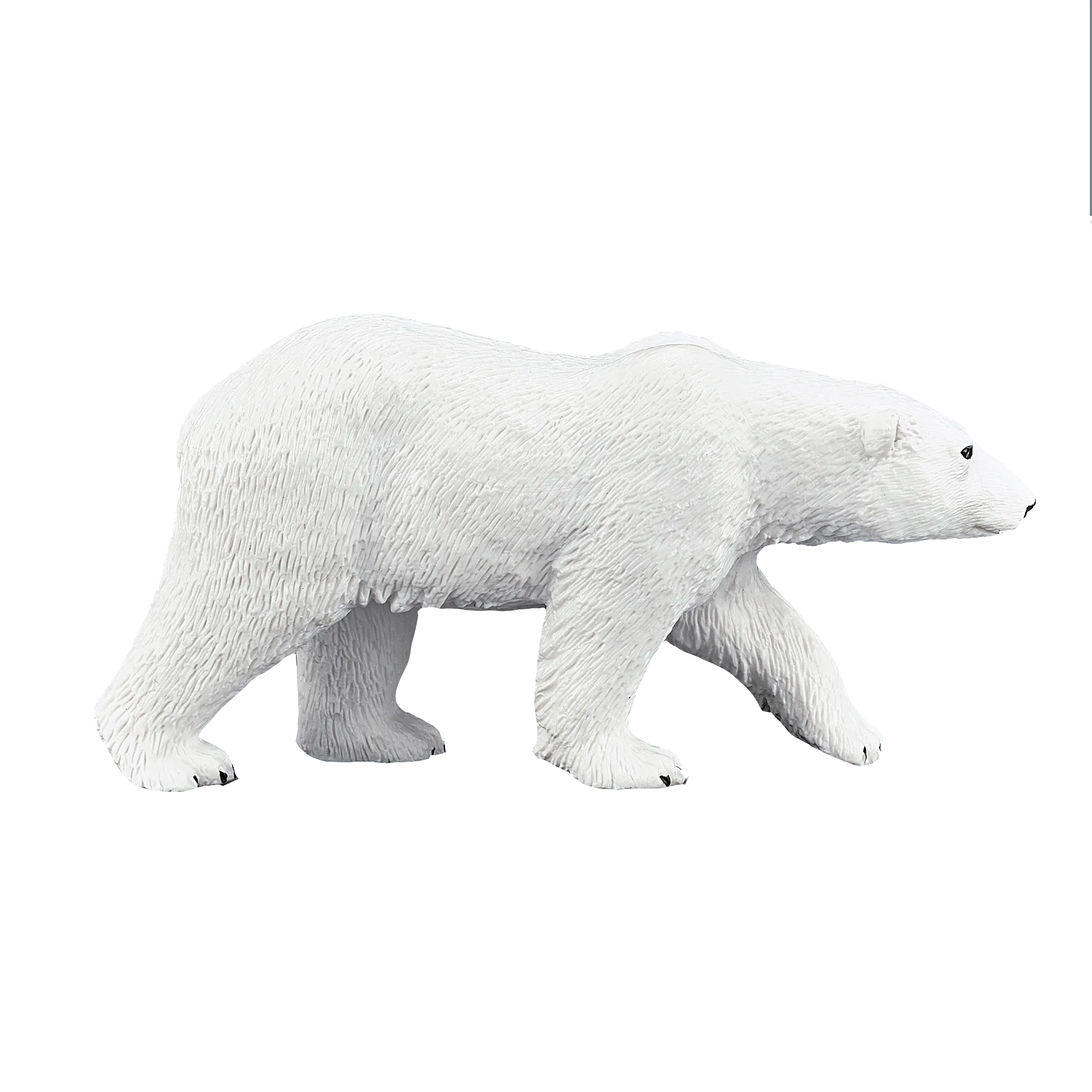
- https://mojofunmgb.com/products/polar-bear-cub-sitting-7789f0b2dfb81a88ecd1a78c-1559171Polar bear cub Sitting: The Polar Bear is a large species of bear that is found inhabiting the ice fields in the Arctic Ocean. It is the biggest species of bear in the world (with the exception of the KodiakBrown Bears found in Alaska which can reach similar sizes) with males often weighing-in at around 600kg. A cub figure represents a specific life stage, not just a species. If your display or lesson is about growth and habitat, that specificity is the value you are paying for.
Expensive animal figures are worth it when the price buys a difference you can name and will use. Check the pose, the animal's story, and how often the figure will be handled, then let those answers set your budget instead of the label on the box.