Quick Answer
Expensive magic tricks can be worth the price when they offer unique methods, durable materials, or professional-grade performance potential. However, cost alone doesn't guarantee a better effect—focus on the value a trick brings to your repertoire and your skill level.
When you're building a magic collection, it's tempting to assume that a higher price tag means a better trick. But the reality is more nuanced. Some expensive tricks justify their cost through superior craftsmanship or exclusive methods, while others simply carry a premium for branding or packaging.
In this FAQ-style guide, we'll break down what you're really paying for, how to evaluate a trick's value, and when it's wise to invest more or save your money.
What Makes a Magic Trick Expensive?
Several factors drive up the price of a magic trick. Physical props with intricate gimmicks or custom manufacturing cost more to produce than downloadable PDFs or simple card tricks. Brand reputation and the creator's popularity also play a role—well-known magicians like Daniel Madison or Peter Turner can command higher prices because of their track record.
Additionally, the format matters. A full course with hours of video instruction, like 'How to Read Minds 2,' includes multiple props and extensive teaching, which justifies a higher price point compared to a single downloadable effect. Limited availability or 'collector' status can also inflate prices, but that doesn't always translate to practical value for the average performer.

How to Read Minds 2
- Check what's included: video lessons, physical props, gimmicks, or just a PDF.
- Research the creator's reputation and whether their material is known for being practical.
- Consider how often you'll realistically perform the effect.
How to Evaluate the Value of a Magic Trick
Value isn't just about price—it's about the impact the trick has on your audience and how often you can use it. A trick that gets huge reactions but is too angle-sensitive or complex to perform regularly might not be worth the investment. Conversely, a simple, sturdy effect that you can pull out anytime can be invaluable.
Look for tricks that match your performance style and skill level. If you're a beginner, a complex mentalism routine might be overwhelming, whereas a straightforward card effect like 'Fade' can build confidence and deliver strong reactions. Also, consider the longevity: a well-made prop that lasts for years offers more value than a cheap gimmick that breaks after a few uses.

Fade
- Ask yourself: Will I actually perform this?
- Compare the cost per performance—a $50 trick used 100 times is cheaper than a $10 trick used once.
- Read reviews from other magicians to gauge real-world practicality.
When Is It Worth Paying More?
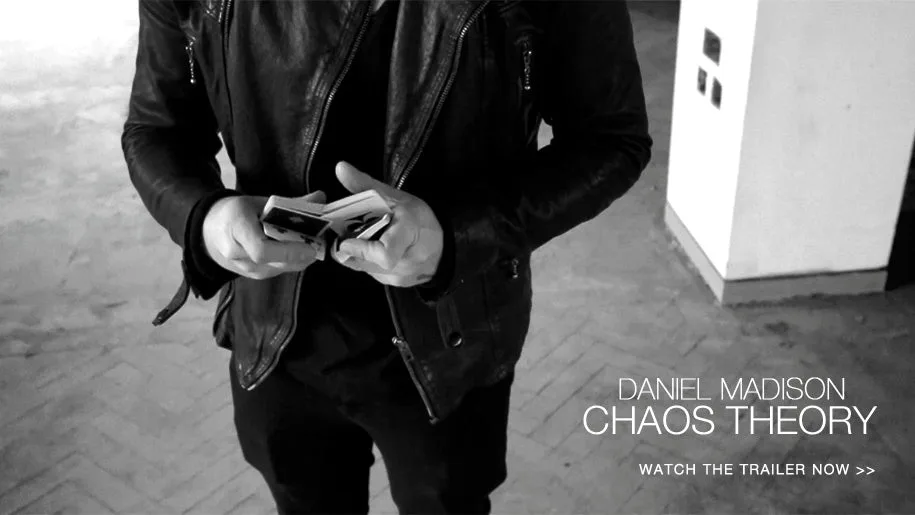
There are clear situations where spending more makes sense. If a trick offers a unique method that you can't find elsewhere, like 'Chaos Theory' by Daniel Madison, the premium can be justified. Similarly, comprehensive courses that teach multiple effects and include physical props, such as 'How to Read Minds 2,' provide substantial educational value that can improve your entire performance.
Also, investing in professional-grade equipment can be worth it if you perform regularly. High-quality props are more durable and often look better in front of an audience, which can elevate your reputation. However, always balance cost against your actual needs—don't buy a $100 trick if a $20 alternative achieves a similar effect.
- Unique methods or gimmicks that aren't available elsewhere.
- Comprehensive teaching with multiple effects and bonuses.
- Durable materials for frequent use.
When Should You Save Your Money?
There are times when a cheaper option is smarter. If you're new to magic, start with affordable downloads or tricks to build your foundation without a huge financial commitment. Also, be wary of tricks that rely heavily on gimmicks that can be easily replicated or that have limited performance angles—these might not be worth the premium.
Additionally, if a trick is too similar to something you already own, you can skip it. For example, if you already have a solid 3-Card Monte routine, buying another one might not add enough value. Always evaluate what a new trick brings to your repertoire before pulling out your wallet.
- Stick to budget-friendly options when learning the basics.
- Avoid duplicates of effects you already perform well.
- Be cautious of tricks with limited real-world applicability.
Quick Checklist: Is This Trick Worth It?
What's the cost per use?
Estimate how often you'll perform the trick. Divide the price by the expected number of performances to get a rough cost per use. Lower cost per use means better value.
Does it fit your style?
Consider whether the effect matches your persona and the type of magic you enjoy performing. A trick you love will be practiced and performed more. Choose tricks you're excited to learn.
Is the teaching quality high?
Check if the product includes clear, thorough instruction. A trick with poor teaching can be frustrating and less effective. Good teaching is worth extra cost.
Are there hidden limitations?
Research angles, reset time, and required skill level. Some tricks need specific conditions that may not suit your usual performance environment. Avoid tricks that are impractical for your settings.
Real Examples: Value at Different Price Points
- Fade: Fade is Chris Mayhew's in-the-hands three card monte, that uses 3 cards and the rest of the deck. If the 3 Card Monte and Colour Changing Deck had a child, they would name it Fade. At a budget-friendly price, this download offers a practical, visual effect that's easy to perform with regular cards, making it a great low-risk entry point.
- Chaos Theory: From the warped mind of Daniel Madison comes Chaos Theory. They think of any card. No force, No B.S. You shuffle the cards face up and face down then reveal their THOUGHT OF CARD is the only face up card in the deck. This affordable download provides a powerful, self-working style effect that's ideal for performers wanting a strong, direct mentalism piece without a large investment.
- How to Read Minds 2: The long-awaited sequel to the best-selling 'How to Read Minds' is here... Over 20 effects taught Over 9 hours of mentalism tuition by #1 mentalist, Peter Turner. Includes the legendary RISE gimmick. This higher-priced course offers extensive training and multiple props, making it a worthwhile investment for serious students of mentalism who want comprehensive education.
Ultimately, the worth of a magic trick depends on how it fits into your performance repertoire and personal goals. By focusing on practical value, teaching quality, and your own needs, you can make smart purchases—whether you're investing in a comprehensive course or experimenting with a budget download. Happy performing!