Quick answer
High-top sneakers are not inherently bad for your feet. Ankle coverage changes how a shoe fits and feels, but whether a high-top helps or hurts depends on sizing, the shape of your foot, how you use the shoe, and its condition. A well-fitting high-top in good condition is a reasonable everyday choice; a poorly sized or worn-out pair can cause discomfort regardless of height.
High-top sneakers carry a reputation they don't fully deserve. Some people avoid them because they've heard high-tops weaken ankles, flatten arches, or cause foot pain, while others wear them specifically for the extra coverage around the ankle. Both camps are working from the same assumption: that collar height alone determines foot health.
It doesn't. Collar height is one variable among several, and it's rarely the deciding one. Fit, materials, cushioning, and condition do more to shape how a sneaker feels over a full day than whether the collar sits above or below your ankle bone. This article walks through the most common high top sneaker myths, gives each a clear verdict, and explains what actually matters when you're choosing a pair.
Myth: High-tops weaken your ankles
The claim is that ankle coverage does the stabilizing work for you, so your ankle muscles get lazy. That logic sounds tidy, but it assumes a sneaker collar functions like a brace. It doesn't. A padded collar sits against the ankle; it doesn't lock the joint or take over the work of the muscles and ligaments around it. Walking in high-tops still requires your ankle to manage balance, direction changes, and uneven ground.
What a high-top does change is how the shoe contacts your ankle. If the collar is too tall, too stiff, or laced tightly across the front of the ankle, you may feel pressure or restricted movement, which people sometimes misread as weakness. That's a fit problem, not a foot-strength problem. If the collar sits comfortably and you can flex your foot naturally, the height itself isn't working against you.
- Check ankle mobility in the shoe before you buy: rise onto your toes and flex your foot forward. If the collar digs in or stops the motion, size or lacing is the issue.
- Loosen the top eyelets if the collar presses on your ankle bone.
Myth: High-tops are automatically more supportive
This is the flip side of the first myth, and it's just as misleading. A high collar doesn't guarantee support. Support comes from the midsole, the heel counter, the insole, and how securely the shoe holds your foot. A flimsy high-top with a soft heel can offer less stability than a well-built low-top.
When you're evaluating a pair, look at what's actually under and around your foot rather than at the collar height. A structured heel counter, a midsole that doesn't collapse under thumb pressure, and a snug midfoot all contribute more to a stable ride than extra fabric around the ankle. If a high-top feels supportive, it's usually because those elements are doing their job.
- Press the heel counter with your thumb. If it folds easily, the shoe won't hold your heel well, high-top or not.
- Check the midsole for compression lines or flattening, especially on pre-owned pairs.
Myth: High-tops are only for basketball or skating
High-tops started in sport, but they've been a general wardrobe staple for decades. They work for walking, commuting, casual wear, and standing for long stretches, provided the fit and cushioning suit your day. The silhouette doesn't restrict them to a court.
That said, use matters. If you're doing a lot of lateral movement or playing a sport with sharp direction changes, the shoe's construction and intended purpose matter far more than collar height. For everyday wear, a high-top that fits well and has a supportive sole is simply a sneaker with more ankle coverage.
- Match the shoe to the activity, not the collar height.
- For long days on your feet, prioritize cushioning and a roomy toe box over silhouette.
Myth: If high-tops hurt, your feet are the problem
Discomfort is information, not a personal failing. If a high-top rubs your ankle, pinches your toes, or leaves your arch aching, the shoe is likely the wrong size, width, or shape for your foot. High-tops have more material around the ankle, so fit issues that would be minor in a low-top can become noticeable pressure points.
The fix is usually straightforward: adjust lacing, try a different size, or choose a model with a softer collar. If a pair is used, check the condition of the collar padding and insole, since compressed foam and worn lining change how the shoe sits on your foot. A shoe that fit someone else well may not fit you the same way.
- Try high-tops on later in the day when feet are slightly larger.
- Wear the socks you plan to use most often when checking fit.
High-top myths: verdicts
- High-tops weaken your ankles: A padded collar doesn't replace ankle muscle work. Discomfort usually comes from a collar that's too tall, too stiff, or laced too tightly, not from the height itself. Verdict: myth. Fix the fit, not the shoe height.
- High-tops are always more supportive: Support lives in the midsole, heel counter, and insole. A soft high-top can be less stable than a well-built low-top. Verdict: myth. Judge the construction, not the collar.
- High-tops are only for sport: They work for walking, commuting, and casual wear as long as fit and cushioning suit your day. Match the shoe to the activity. Verdict: myth. Use case matters more than silhouette.
- Pain means your feet are the problem: Rubbing, pinching, or arch ache usually points to the wrong size, width, or shape. Check lacing, sizing, and condition before blaming your feet. Verdict: myth. Adjust the shoe first.
What real listings tell you about fit and condition
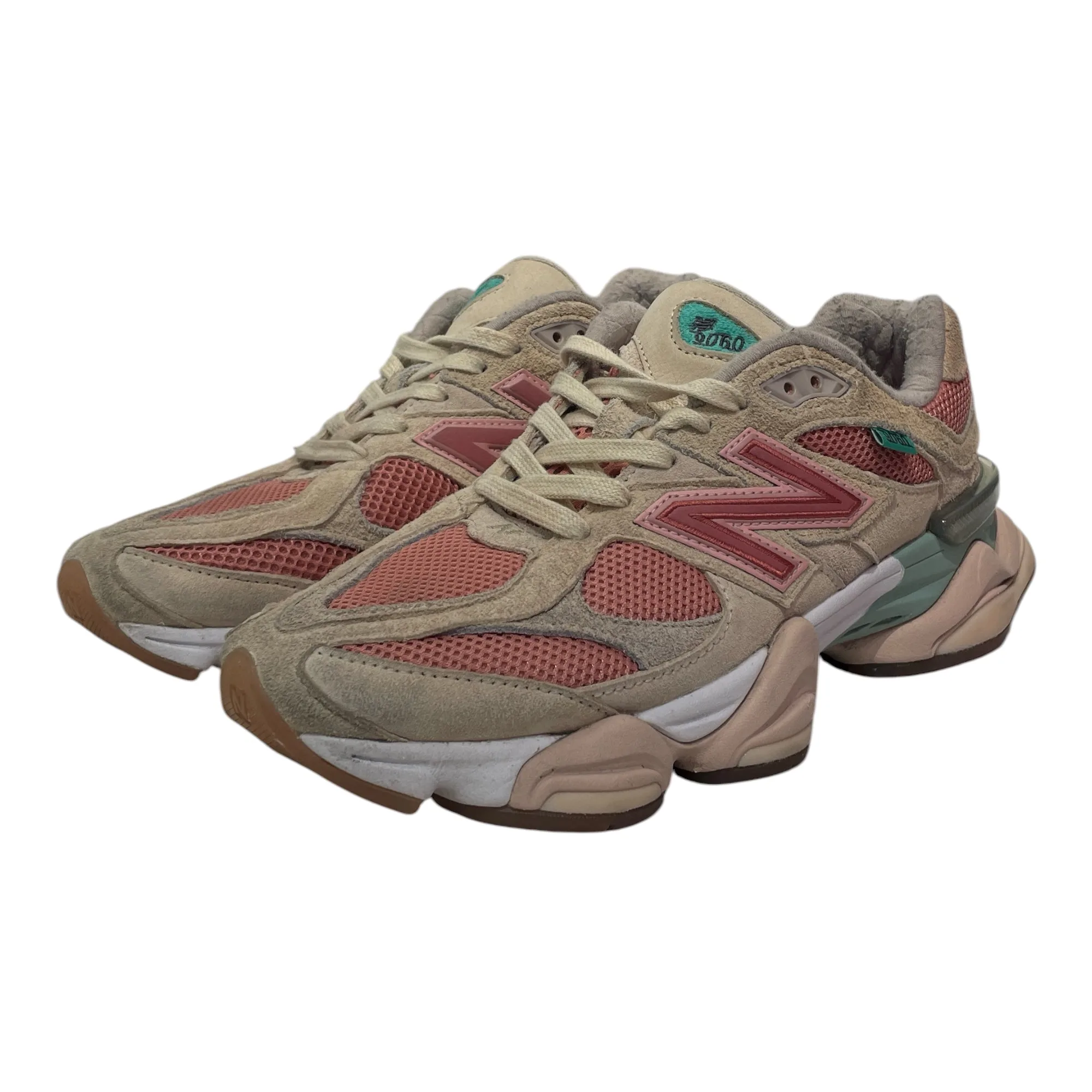
- NEW BALANCE/Low-Sneakers/US 9.5/Suede/CRM/: Size US 9 1/2, cream suede, catalog price USD 74.95 compared with a catalog comparison price of USD 149.90. A low-top in a specific size shows how the same brand and material can sit lower on the ankle. If you're comparing high-tops against low-tops, this is a useful reference point for how much collar height actually changes your experience.
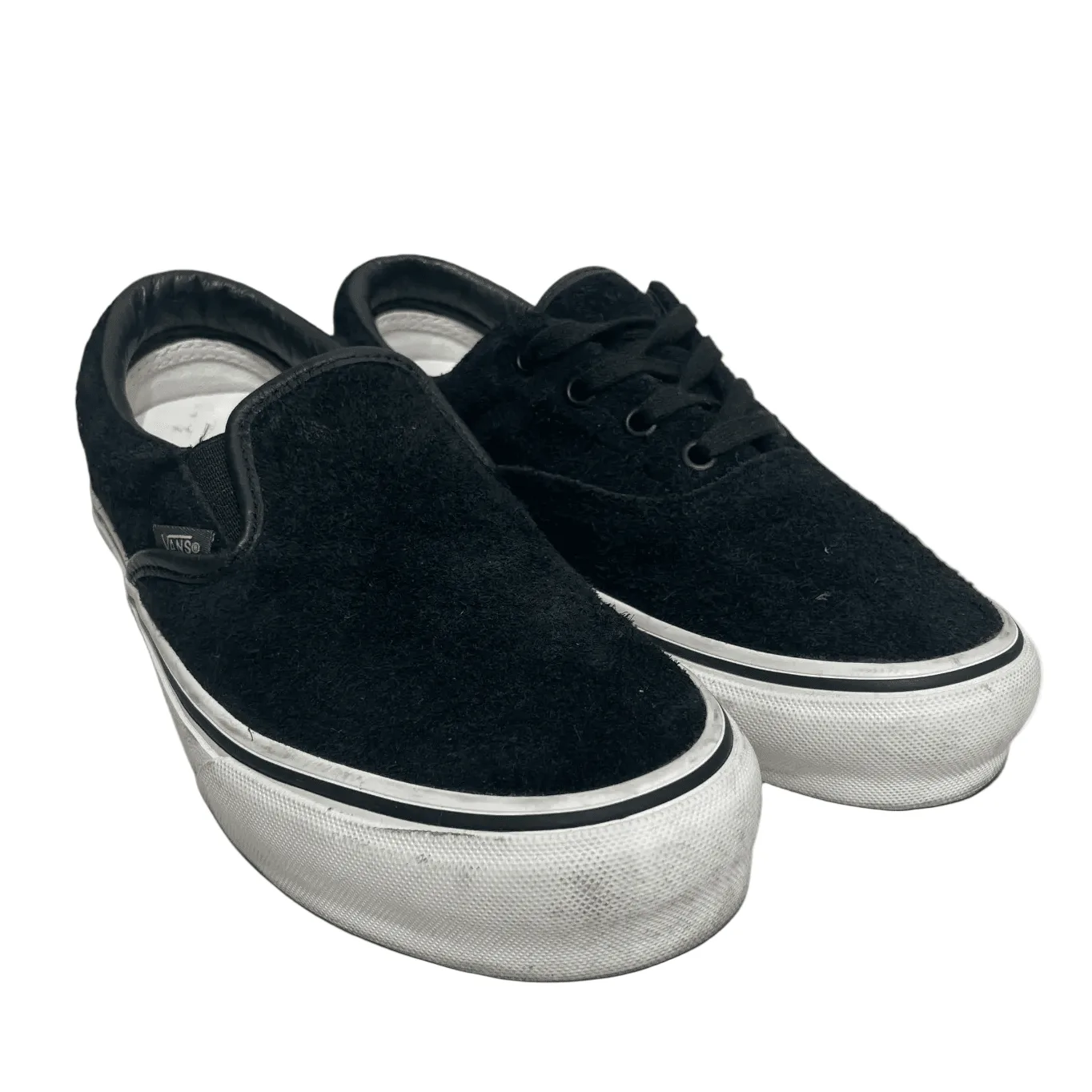
- VANS VAULT/Needles/Low-Sneakers/US 6/Suede/BLK/mix match: Size 6, black suede, listed condition Very_Good, catalog price USD 114.95 compared with a catalog comparison price of USD 229.90. Suede collars and linings can soften or mat over time. A stated condition of Very_Good tells you the upper and lining are likely still holding their shape, which matters for ankle comfort on any sneaker.
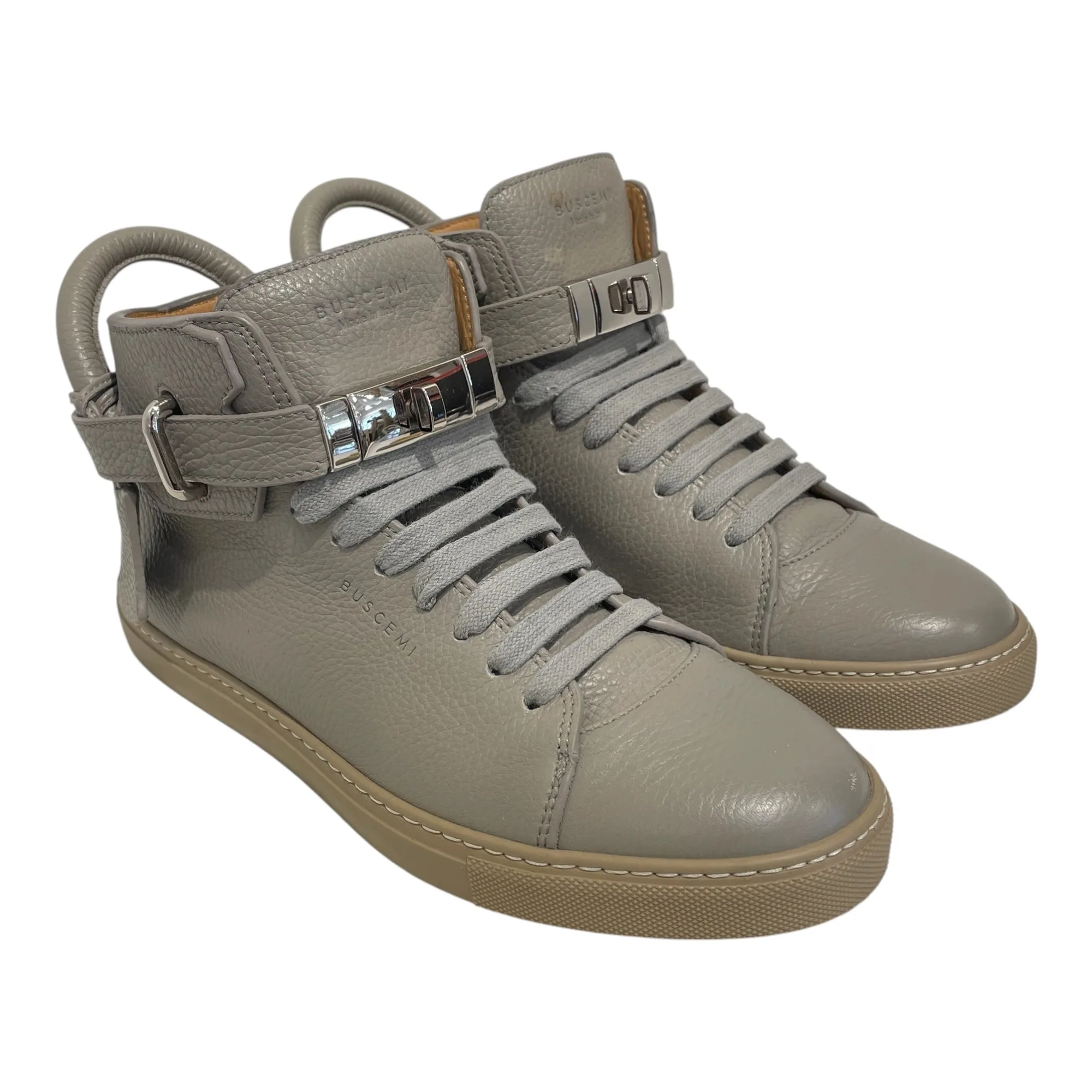
- BUSCEMI/Hi-Sneakers/EU 41/Leather/GRY/1100S16-GRP-8: EU 41, gray leather, listed condition Used Very Good, catalog price USD 49.95 compared with a catalog comparison price of USD 99.90. This is an actual high-top listing, so it's the closest reference for the article's topic. Leather uppers hold structure differently than suede or mesh, and the stated condition helps you judge whether the collar and heel counter still have life left.
High-tops aren't bad for your feet by default. They're a shoe shape with tradeoffs, and the tradeoffs show up in fit and condition more than in collar height. Get the size right, check the heel counter and midsole, and pay attention to how the collar sits on your ankle. Do that, and the high-top versus low-top question becomes a style preference rather than a foot-health decision.