Quick answer
A mini carry-on is worth it only when you're packing for a short trip and want to skip the overhead bin. If you need to pack for a week, check a bag, or carry a laptop and work gear, a mini carry-on usually isn't the right call. The honest test is simple: if your packing list fits in a compact underseat bag, it's worth it; if you're already planning to expand it, choose a different bag.
The myth: smaller always means easier travel
The common claim is that a mini carry-on makes every trip simpler because it's small and light. That's only half true. A smaller bag is easier to lift, easier to slide under a seat, and easier to keep with you, but it also forces harder packing decisions. The bag doesn't remove the tradeoff; it moves the tradeoff from the overhead bin to your packing list.
That's why the useful question isn't 'is smaller better?' It's 'does my trip fit the smaller bag?' A mini carry-on for short trips works when your essentials are genuinely compact. It stops working the moment you start treating it as a bag you'll grow into mid-trip.
Where a mini carry-on genuinely wins
A mini carry-on earns its place on overnight trips, weekend trips, and short work trips where you want to move through the airport without waiting at the carousel or fighting for bin space. It also helps when you're traveling on a carrier or route where overhead space is tight and you'd rather not gate-check.
The practical advantage is access. A bag that stays with you is easier to manage than a bag you have to retrieve. If your trip is short enough that a compact bag holds everything, that access is a real benefit, not a marketing claim.
- Overnight or two-day trips with a tight packing list
- Routes where you want to avoid the overhead bin entirely
- Travelers who prefer to keep one bag within reach
Where the mini carry-on story falls apart
The myth breaks down when the trip is longer than the bag. If you're packing for an extended vacation or an international trip, a compact bag usually can't hold what you need, and forcing it creates the worst outcome: a bag that's technically small but functionally overstuffed.
It also falls apart if you need to carry a laptop, work gear, or a separate personal item. At that point you're managing two bags instead of one, which is more work, not less. And if you plan to check a bag anyway, the mini carry-on isn't saving you anything; it's just an extra item to track.
Mini carry-on vs backpack: pick by how you move
This is the comparison that decides most purchases. A mini carry-on is better when you want wheeled handling and don't want weight on your shoulders. A backpack is better when you'll be walking, using stairs, or navigating crowded transit where wheels are awkward.
The deciding factor isn't capacity alone; it's the kind of movement your trip requires. If you're rolling from a car to a terminal to a hotel, a mini carry-on is the smoother choice. If your day involves standing on trains, climbing stairs, or walking long distances, a backpack usually wins.
- Choose a mini carry-on for wheeled, terminal-to-hotel trips
- Choose a backpack for stairs, transit, and long walks
- Don't buy both for the same short trip unless you have a clear split of duties
How to test whether a mini carry-on fits your trip
Before you buy, lay out everything you'd pack for your typical short trip. If it fits in a compact bag with room to close comfortably, a mini carry-on is worth it. If you're relying on expansion or compression to make it work, you're buying the wrong size.
Then check how you'll carry it. If you need a laptop sleeve, a luggage sleeve, or a bag that expands during the day, look at a tote or backpack designed for that instead of forcing a mini carry-on to do a job it wasn't built for.
Verdicts on common mini carry-on claims
- Claim: a mini carry-on works for any trip: A mini carry-on is built for short trips where your packing list is genuinely compact. It isn't designed to replace a large suitcase for extended vacations or international travel. Verdict: false for long trips. True only for short ones.
- Claim: smaller always means less hassle: Smaller means easier lifting and easier underseat access, but it also means tighter packing. The hassle doesn't disappear; it moves to what you can bring. Verdict: partly true. The tradeoff changes shape, it doesn't vanish.
- Claim: a mini carry-on replaces a backpack: A backpack is better when you'll be walking, using stairs, or navigating transit. A mini carry-on is better when you'll be rolling between terminals and hotels. Verdict: false as a blanket rule. Choose by how you move, not by size alone.
- Claim: you should buy a mini carry-on first: Buy it only if your typical short trip fits it comfortably. If you need a laptop sleeve, a luggage sleeve, or an expandable bag for your day, start with a tote or backpack instead. Verdict: buy after you've tested your packing list, not before.
Product facts that matter for this decision
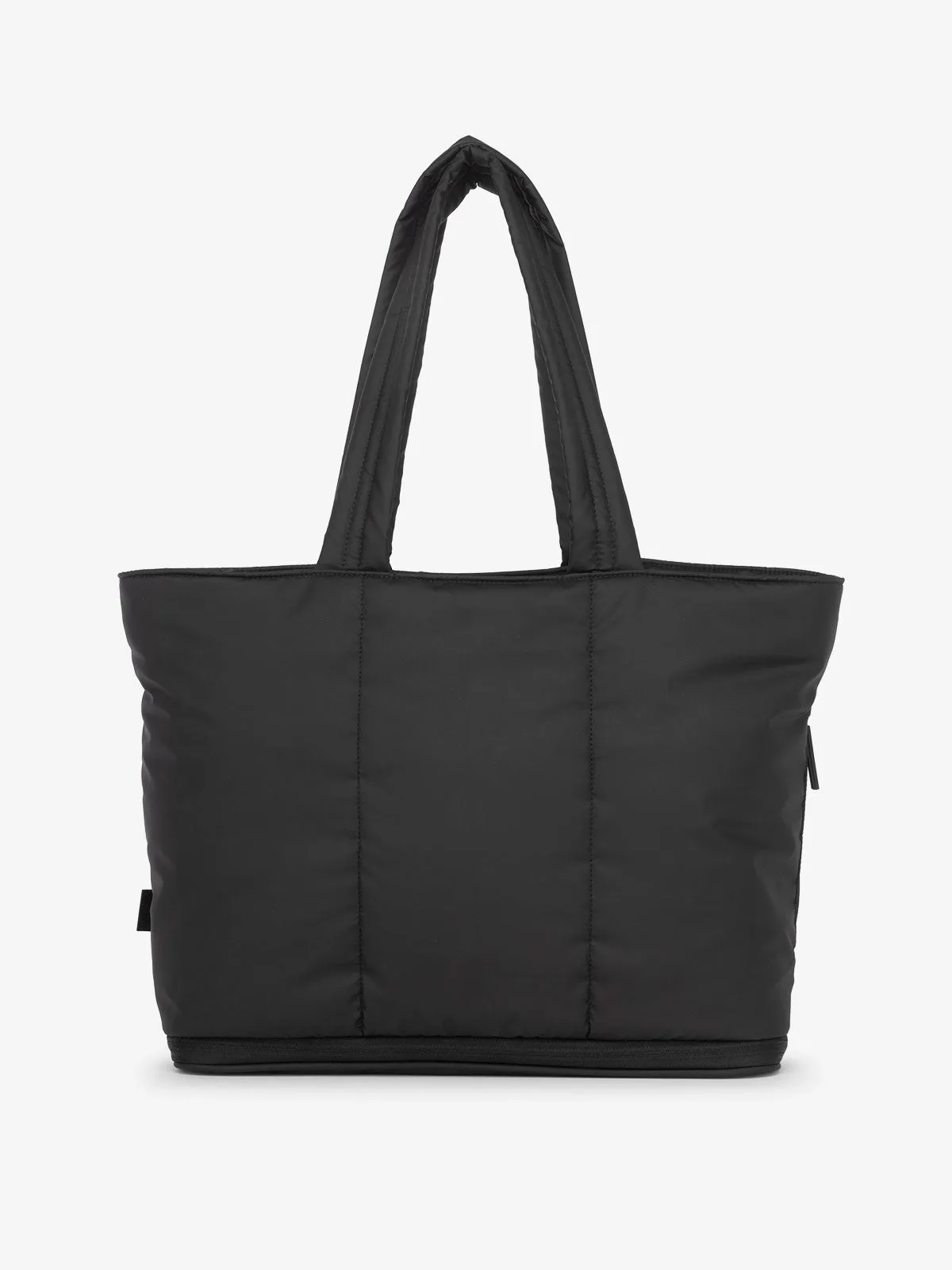
- Luka Expandable Laptop Tote: The Luka Expandable Laptop Tote is a lightweight laptop tote with an expandable bottom, padded laptop sleeve, and luggage sleeve, designed for workdays, commuting, and travel. If your short trip includes a laptop or you need a bag that adapts during the day, this tote covers the laptop-carrying job a mini carry-on can't.
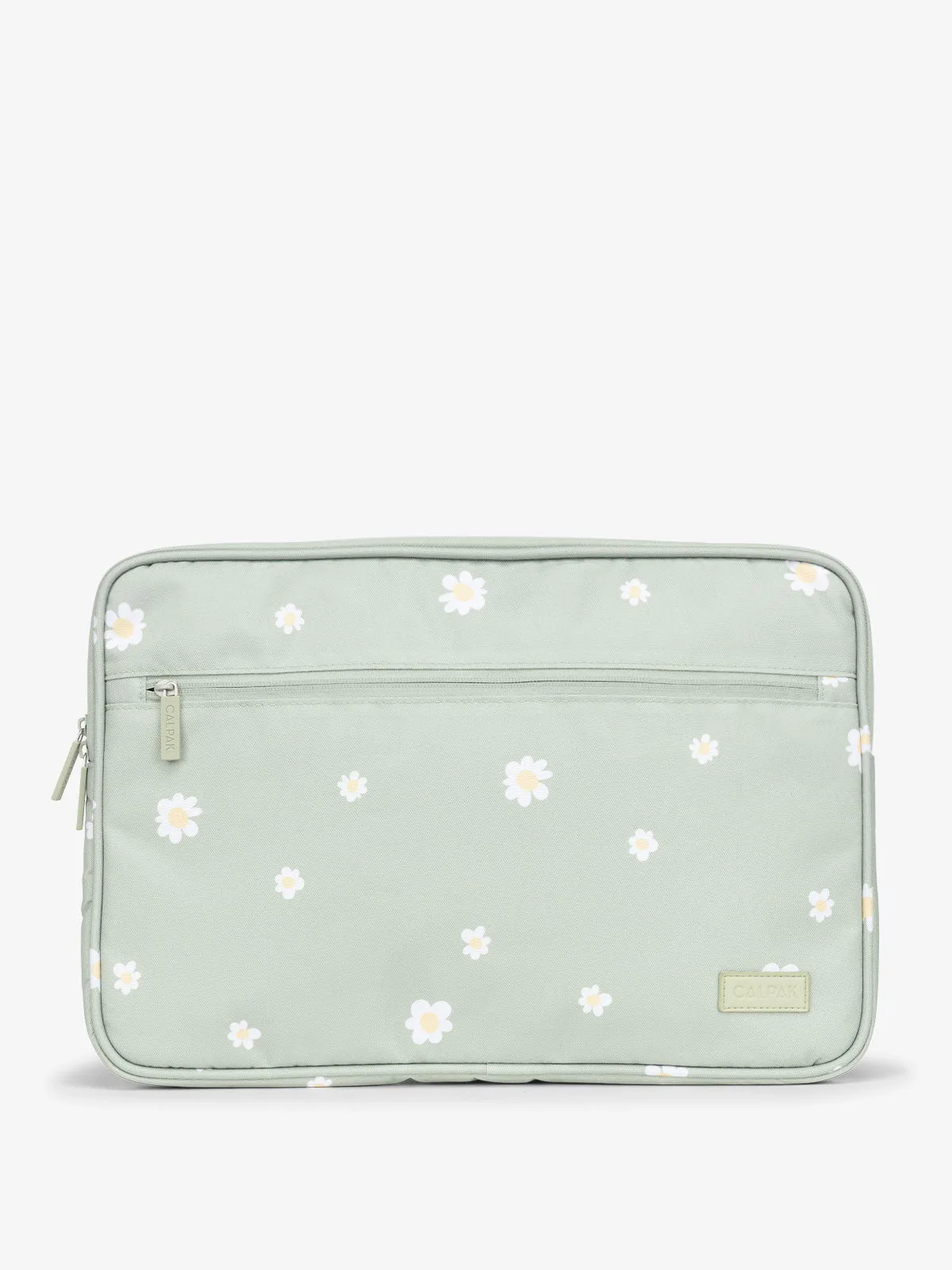
padded laptop sleeve
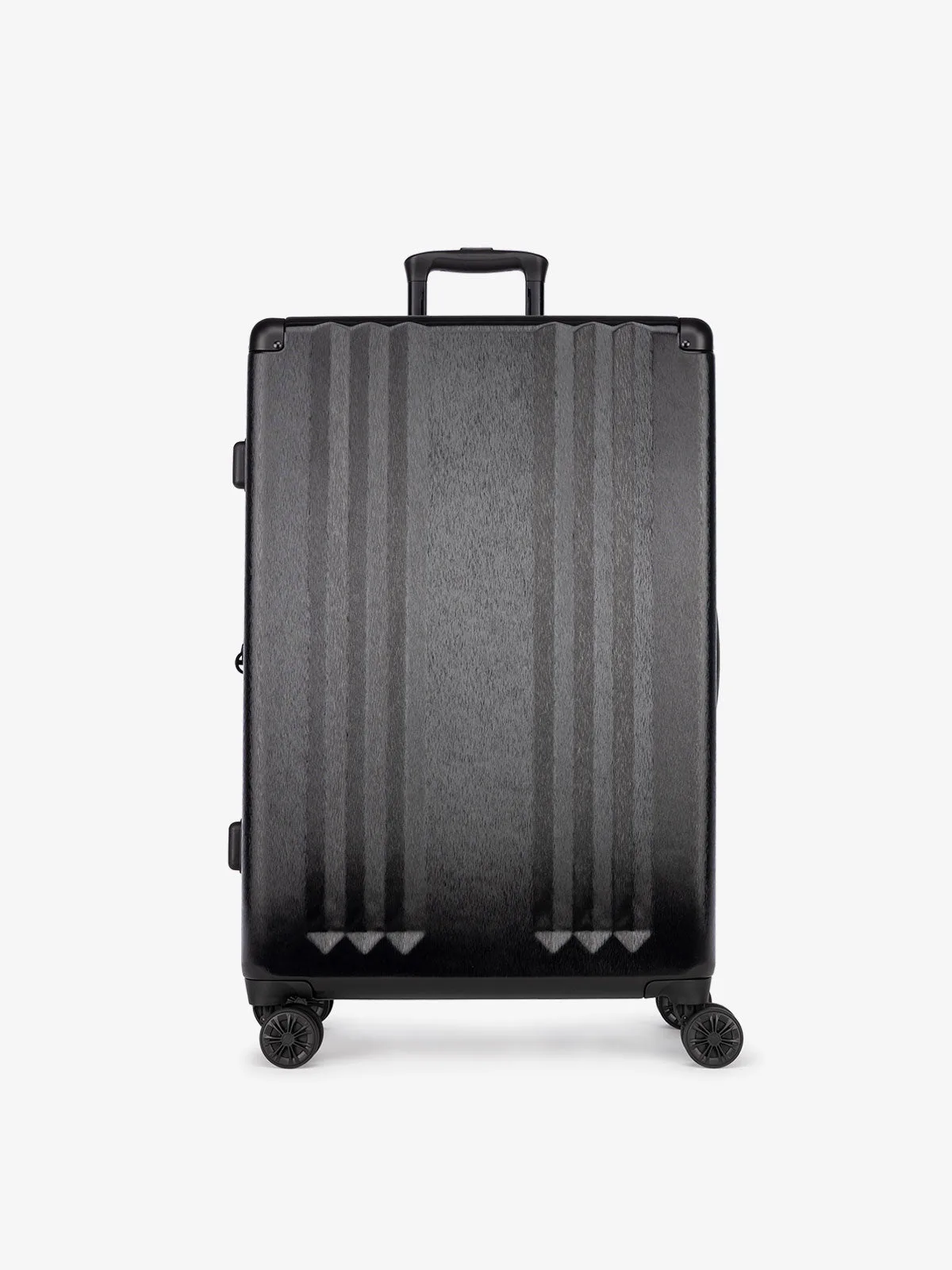
- Ambeur Large Luggage: The Ambeur Large Luggage is an expandable large suitcase with smooth spinner wheels and a TSA-approved lock, best for extended vacations and international travel. For longer trips, a large expandable suitcase is the honest alternative to forcing a mini carry-on to hold more than it should.
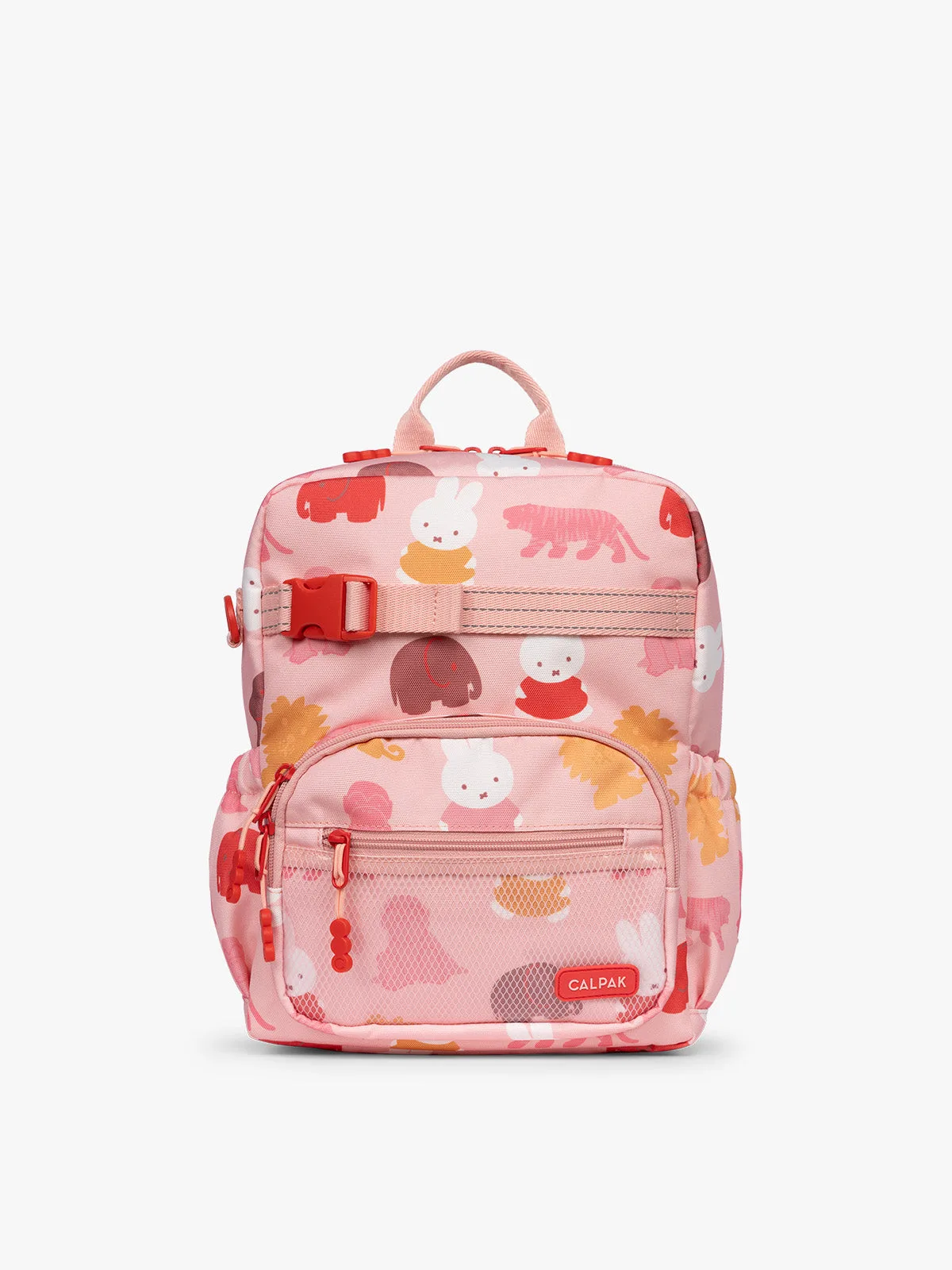
- Miffy Kids Small Backpack: The Miffy Kids Small Backpack is a kids backpack for ages 3-5, lightweight with padded straps, designed for first school days, playdates, and everyday adventures. If you're shopping for a child, a small backpack sized for little ones is more practical than a mini carry-on they'd have to wheel and manage themselves.