Quick Answer
Mini cookies are not automatically healthier than regular cookies just because they're small. What matters is what's inside: a mini cookie made with zero grams of sugar and one gram of net carbs can fit a low-sugar or gluten-free eating plan, while a mini cookie made with the same ingredients as a full-size one is simply a smaller version of the same treat. Check the label, not the size.
The Size Trap: Why Smaller Doesn't Always Mean Better
A mini cookie is only as healthy as its recipe. If a regular cookie and a mini cookie share the same ingredients—white flour, sugar, butter—the mini version just gives you less of the same thing. That can help with portion control, but it doesn't change the nutritional quality of the snack itself.
The real difference comes when a brand reformulates the cookie, not just shrinks it. For example, HighKey's Mini Cookies: Chocolate Chip (3 Pack) are made with zero grams of sugar and only one gram of net carbs per serving. That's a different product from a standard mini cookie, not just a smaller one. When you're comparing mini cookies vs regular cookies, read the nutrition panel first. If the sugar and carb numbers look the same, the size difference is the only thing that changed.
Portion Control: The One Real Advantage of Mini Cookies
The strongest argument for mini cookies is psychological and practical: they slow you down. A full-size cookie can disappear in four bites. A handful of minis takes longer to eat, which gives your body time to register fullness. For anyone who struggles to stop at one regular cookie, minis can be a useful tool for portion control.
But portion control only works if you actually stick to a serving. A bag of mini cookies is not a single serving unless the label says so. If you eat the whole bag, you've erased the advantage. The fix is simple: pour a serving into a bowl, put the bag away, and eat from the bowl. That habit matters more than the cookie's size.
Gluten-Free and Low-Sugar: Where Mini Cookies Actually Shine
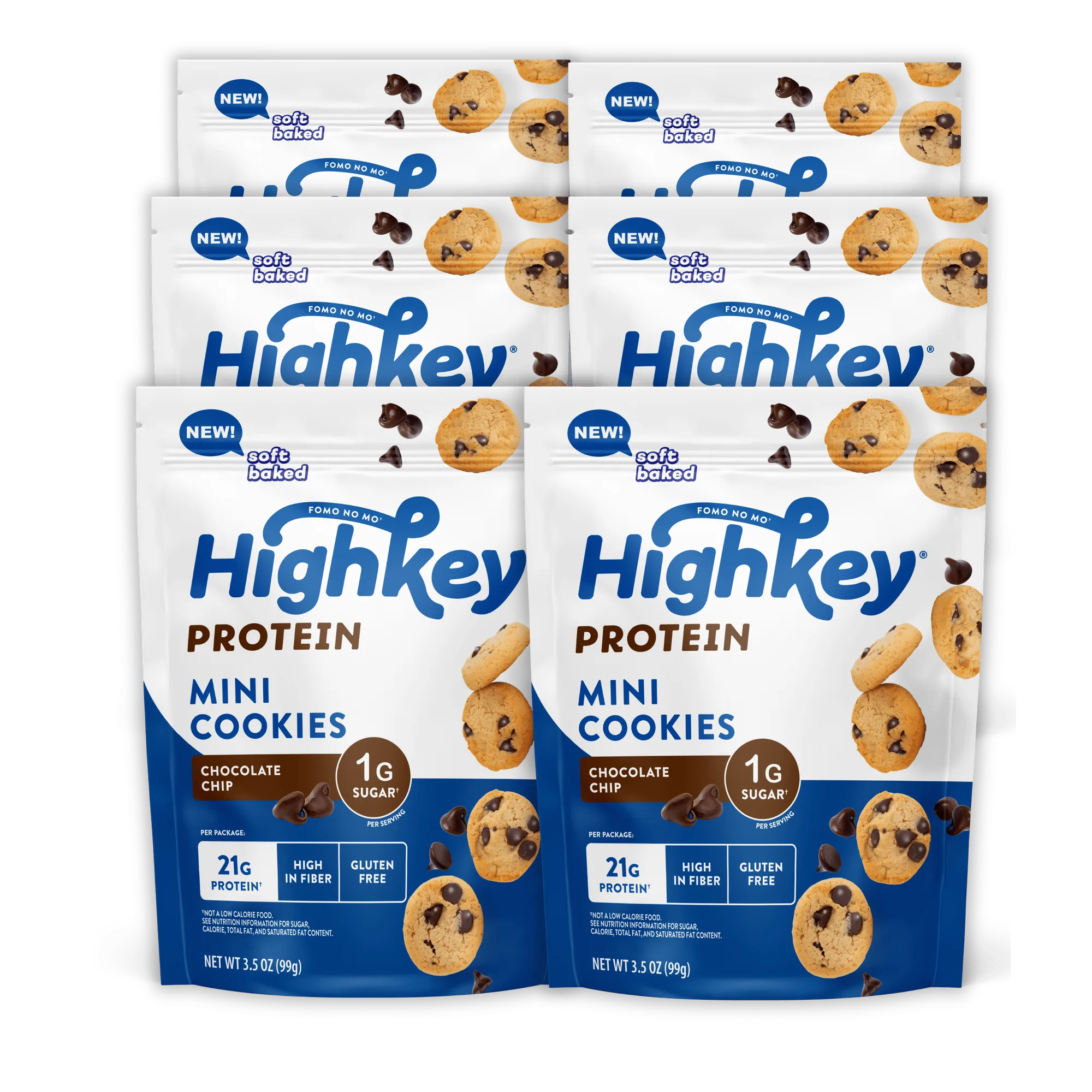
Some mini cookies are designed for specific dietary needs. HighKey's Protein Mini-Cookies: Chocolate Chip (6 Pack) use almond butter as a base ingredient and are marketed as a protein cookie that tastes like a cookie. If you're looking for gluten-free mini cookies or a low-sugar mini cookie, the ingredient list is where you'll find the truth—not the word 'mini' on the front of the bag.
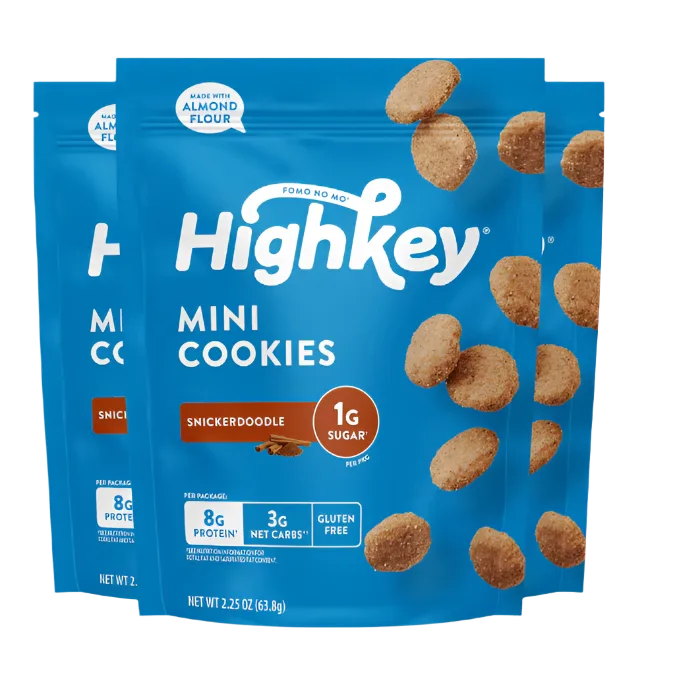
The same goes for the Mini Cookies: Holiday Variety (3 Pack), which includes Peppermint Twist, Snickerdoodle, and Ginger Spice flavors. These are positioned as festive treats without the sugar overload, which makes them a reasonable option if you want seasonal flavor without a blood-sugar spike. But if you eat three servings, you're back to square one. The health halo only holds if the rest of your day supports it.
Healthy Cookie Myths That Need to Go
Myth one: 'Mini means low-calorie.' A mini cookie can still be calorie-dense if it's made with lots of fat and sugar. Myth two: 'Gluten-free means healthy.' Gluten-free products can be highly processed and just as sugary as their wheat-based counterparts. Myth three: 'Protein cookies are meal replacements.' A protein mini cookie is a snack, not a balanced meal. It can help bridge a gap between meals, but it won't replace vegetables, fiber, and whole foods.
The honest takeaway: mini cookies are a tool, not a miracle. They can support a low-sugar or gluten-free lifestyle when the recipe is right, and they can help with portion control when you use them deliberately. But they won't undo a diet built on regular cookies and soda. Use them as a smarter snack, not a free pass.
Verdicts on Common Mini Cookie Claims
- Claim: Mini cookies are automatically healthier than regular cookies.: False. Size alone doesn't change nutrition. A mini cookie with the same recipe as a regular cookie is just a smaller version of the same treat. Verdict: Check the label, not the size.
- Claim: Mini cookies help with portion control.: True, but only if you stick to a serving. Eating the whole bag defeats the purpose. Pour a serving into a bowl and put the bag away. Verdict: Useful tool, but requires discipline.
- Claim: Gluten-free mini cookies are always healthier.: False. Gluten-free doesn't mean low-sugar or low-calorie. Some gluten-free cookies are highly processed. Look for specific claims like 0g sugar and 1g net carbs. Verdict: Read the nutrition panel, not the gluten-free label alone.
- Claim: Low-sugar mini cookies can fit a healthy diet.: True, when they replace higher-sugar snacks and are eaten in reasonable amounts. They're a snack, not a meal replacement. Verdict: Yes, as part of a balanced diet.
Mini Cookies Worth Checking Out
- Protein Mini-Cookies: Chocolate Chip (6 Pack - 3.5 oz bags): Protein Mini-Cookies: Chocolate Chip (6 Pack - 3.5 oz bags) are made with almond butter and no added sugar, and are described as a protein cookie that tastes like a cookie. If you want a low-sugar mini cookie with protein and without gluten, this is a practical option to compare against regular cookies.
- Mini Cookies: Chocolate Chip (3 Pack - 2.25 oz bags): Mini Cookies: Chocolate Chip (3 Pack - 2.25 oz bags) have 0 grams of sugar and 1 gram of net carbs per serving, and are described as tasting like a childhood snack without the added junk. These are a strong choice for portion control cookies when you want the taste of a classic chocolate chip cookie without the sugar.
- Mini Cookies: Holiday Variety (3 Pack - 2 oz bags): Mini Cookies: Holiday Variety (3 Pack - 2 oz bags) includes Peppermint Twist, Snickerdoodle, and Ginger Spice flavors, positioned as festive treats without the sugar overload. A good option for seasonal snacking when you want variety without derailing a low-sugar eating plan.