Quick answer
Montessori toys are worth the price when they match your child's current stage and get used daily for months or years. They are not worth it if you buy a large set at once, if the material feels flimsy, or if the toy does one narrow trick. Focus on open-ended use, safe materials, and a clear place in your home.
Montessori
You have seen the price tags: a wooden geoboard for $23.98, a baby play mat for $59.98. Are Montessori toys worth it, or are you paying for a label? The honest answer is that value depends on how the toy is made, how long it stays useful, and whether it fits your child right now.
This buying guide gives you concrete decision rules for judging Montessori toy value. You will learn why Montessori toys cost more, how to spot quality without a lab test, and how to build a collection affordably. We use real examples from the Montessori Toys - by Montessori Generation catalog to show what to look for.
Why Montessori toys cost more
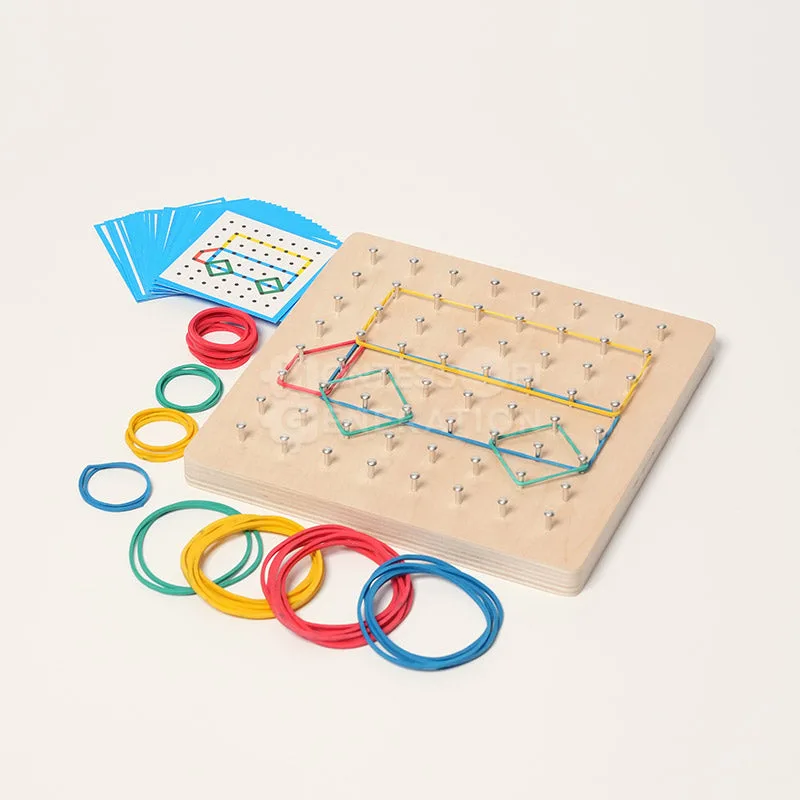
Montessori toys often cost more because of materials and construction. Wood, cotton, and non-toxic finishes cost more than thin plastic, and small-batch production adds cost. A toy like the Montessori Wooden Geoboard uses high-quality, eco-friendly wood and includes a bag with rubber bands, cards, and a marker. That single purchase supports many activities, which spreads the cost over years of use.
Montessori Wooden Geoboard
Another reason is design intent. Montessori toys are usually open-ended, meaning your child can use them in many ways instead of following one scripted outcome. The Montessori Magnetic Set includes 36 magnetic pieces and an instruction leaflet, but the pieces can become animals, buildings, or patterns. More possible uses per toy means fewer toys needed, which can lower the total cost of your collection.
- Compare cost per month of use, not just the sticker price.
- Check whether the toy includes accessories that extend play, like cards or refills.
- A higher price is only justified if the toy matches your child's stage.
How to judge Montessori toy quality
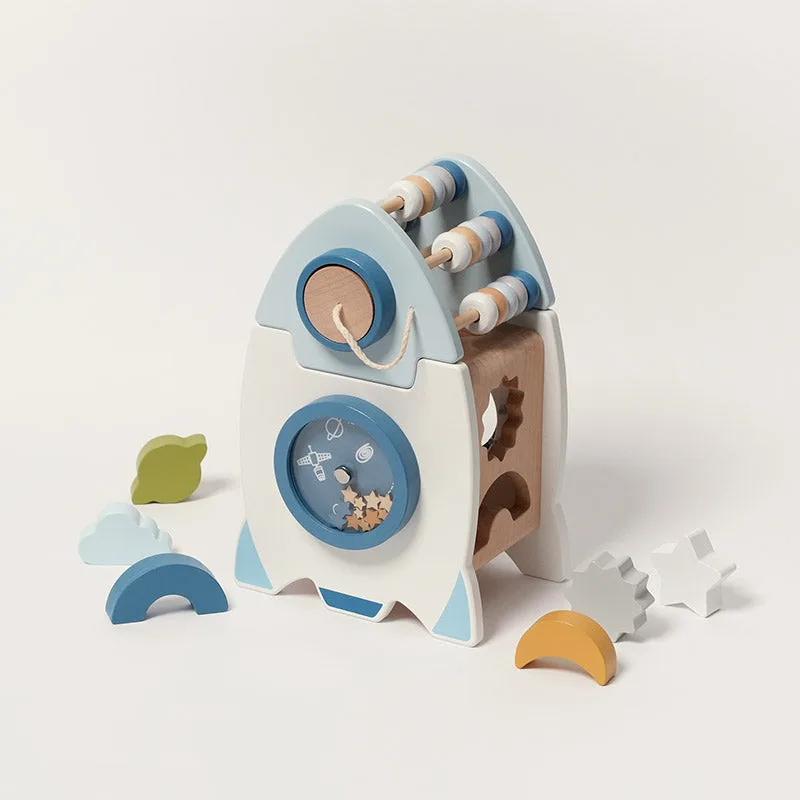
Quality shows up in details you can check before buying. Look for smooth edges, non-toxic finishes, and materials that hold up to daily handling. The Montessori Learning Rocket is made from high-quality eco-friendly wood with non-toxic paint and is designed to grow with your child, which means the same toy can serve different skills over time. That longevity is a core part of Montessori toy value.
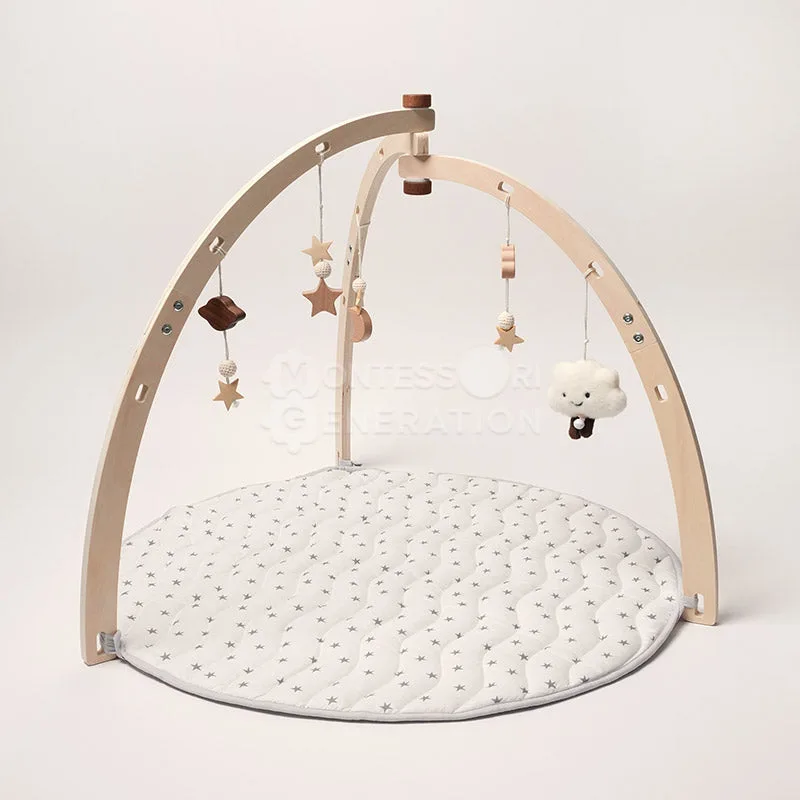
Also check care instructions, because easy care extends lifespan. The Montessori Baby Play Mat has a washable mat and a wooden arch; you can clean it with a dry or damp cloth and avoid prolonged contact with liquids. A toy that is hard to clean often gets retired early, which wastes money. Simple care routines keep toys in rotation longer.
- Look for specific material claims, not vague 'natural' wording.
- Prefer toys with replaceable or refillable parts.
- Read the care instructions before buying; if they are unrealistic for your home, skip it.
The real cost of a toy collection
Montessori toy cost is not just the sum of purchases. It is also the space, cleaning, and mental load of managing many items. A smaller set of high-use toys often costs less over a year than a large bin of cheap toys that break or get ignored. The Montessori Reusable Guided Workbooks (6 Pack) includes six workbooks, three magic ink pens, fifteen ink refills, three pen training grips, ten sticker sheets, and a color storage box. That is a full early-writing station in one purchase.
When you calculate value, divide the price by the number of months you expect daily or weekly use. A $39.98 workbook set used for a year costs about $3.33 per month. A $23.98 geoboard used for two years costs about $1 per month. These numbers make it easier to compare a Montessori toy with a cheaper alternative that may last only a few weeks.
- Estimate realistic use: daily, weekly, or occasional.
- Factor in replacement cost for consumables like refills or rubber bands.
- Choose toys that serve more than one age or skill stage when possible.
Affordable Montessori toys: where to save and where to spend
You can build a Montessori-friendly home without buying everything at once. Save on toys that are simple by design, like a mobile or a basic wooden puzzle. The Montessori Ocean Life Mobile is $22.48 and is made from eco-friendly wood and soft felt, with a clear purpose: gentle visual stimulation for babies. It is spot clean only, which is fine for a hanging toy that does not get handled much.
Spend more on items that take heavy daily use or that support many skills. A play mat or a learning rocket that a toddler uses every day is a better place for your budget than a decorative shelf. The Montessori Baby Play Mat is $59.98 and includes a soft mat plus a wooden foldable arch with mobiles, so it covers movement, tummy time, and visual tracking in one setup.
- Start with one high-use item instead of a full themed set.
- Buy consumables like refills only when you know your child uses the main toy.
- Watch for catalog comparison prices, but judge value by use, not discount alone.
Decision rules for your next Montessori toy purchase
- Match the age range first: Check the stated age on the product. A toy marked 3+ like the Montessori Wooden Geoboard will frustrate a 1-year-old, while a 0+ mobile like the Montessori Ocean Life Mobile will not challenge a preschooler. If the age range does not fit your child today, skip it even if the price is good.
- Count the included accessories: Accessories often determine real value. The Montessori Reusable Guided Workbooks (6 Pack) includes pens, 15 refills, grips, stickers, and a storage box. A cheaper workbook set without refills may cost more over a year. Add up what you would need to buy separately before comparing prices.
- Check the care routine: If a toy needs special cleaning you will not do, it will sit unused. The Montessori Baby Play Mat has a washable mat, while the Montessori Ocean Life Mobile is spot clean only. Choose based on your real routine. A toy you can maintain easily is worth more than a delicate one you avoid.
- Estimate cost per month: Divide the price by the months you expect regular use. A $23.98 geoboard used for 24 months is about $1 per month. A $59.98 play mat used for 18 months is about $3.33 per month. Use this number to compare a Montessori toy with a cheaper option that may last only weeks.
Product facts that affect value
- Montessori Wooden Geoboard: Age 3+, includes (1) geoboard, (1) bag with rubber bands and cards, (1) marker; size 7.0" x 7.0" x 1.0"; material: high-quality, eco-friendly wood; price USD 23.98. One purchase supports many math and fine-motor activities, and the included cards and bands mean no extra starter costs.
- Montessori Reusable Guided Workbooks (6 Pack): Age 3+, contains 6 reusable groove-guided workbooks, 3 magic ink pens, 15 ink refills, 3 pen training grips, 10 sticker sheets, and a color storage box; price USD 39.98. The refills and reusable pages extend use over time, which lowers the cost per month compared with one-time workbooks.
- Montessori Baby Play Mat: Age 0+, contains (1) soft mat and (1) wooden foldable arch with mobiles; size 31.9" x 31.9" x 24.8"; mat is washable; price USD 59.98. A washable mat and foldable arch cover multiple baby stages, so it can replace several separate purchases.
Who should buy Montessori toys
Best for
- Parents who want open-ended toys that grow with their child and reduce total toy count.
- Families who value natural materials and are willing to follow simple care routines.
- Caregivers building a focused play space for one or two children.
Not for
- Shoppers looking for screen-based entertainment or battery-powered effects.
- Families who prefer a large volume of inexpensive toys replaced frequently.
- Anyone unwilling to match the toy to the child's current developmental stage.
Montessori toys are worth the price when they fit your child now, include useful accessories, and survive daily use. Use the decision rules above to judge value per month, not per sticker. Start with one high-use item, care for it well, and let your child show you what to add next.