Quick answer
Pig ears can be a safe and enjoyable chew for many dogs when sourced responsibly and given under supervision. However, they are high in fat and can pose a choking hazard, so they're not suitable for all dogs. Always monitor your dog and choose high-quality treats from trusted brands.
Pig ears are a popular dog treat, but they come with a lot of conflicting advice. Are they safe? Are they healthy? Should you give them to your puppy? In this article, we'll separate fact from fiction and give you clear verdicts on common myths about pig ears for dogs.
Our goal is to help you make an informed decision about whether pig ears are the right treat for your furry friend. We'll cover the benefits, risks, and how they compare to other dog treats on the market.
Myth 1: Pig Ears Are Unsafe for All Dogs
Many dog owners believe that pig ears are inherently dangerous and should be avoided. The truth is that pig ears can be a safe treat for many dogs when given appropriately. They are a natural source of protein and provide a satisfying chew that can help with dental health by reducing plaque and tartar buildup.
However, safety depends on several factors: the quality of the treat, your dog's size, chewing habits, and any underlying health conditions. For example, dogs with pancreatitis or those prone to obesity should avoid high-fat treats like pig ears. Always supervise your dog when giving any chew treat, and remove it if it becomes small enough to swallow whole.
- Choose pig ears from reputable sources that ensure proper processing and handling.
- Monitor your dog during chewing sessions to prevent choking or intestinal blockages.
- Consult your veterinarian if you're unsure about your dog's ability to safely enjoy pig ears.
Myth 2: Pig Ears Are a Healthy Treat for Every Dog
While pig ears are not inherently unhealthy, they are high in fat and calories. For dogs that are overweight or have sensitive stomachs, regular consumption can lead to weight gain or digestive upset. They should be considered an occasional treat, not a daily staple.
If you're looking for a lower-fat alternative, consider other chew options like bully sticks or dental chews. But if your dog is healthy and active, pig ears can be a great reward for training or simply a way to keep them occupied.
- Limit pig ear treats to one or two per week for most dogs.
- Adjust your dog's daily food intake to account for the extra calories.
- Watch for signs of digestive issues, such as vomiting or diarrhea, after giving pig ears.
Myth 3: Pig Ears Are Only for Adult Dogs
Some people believe that pig ears are unsafe for puppies, but this is not entirely true. Puppies can enjoy pig ears, but they should be given with extra caution. Puppies have more sensitive digestive systems, so it's best to introduce pig ears gradually and in small pieces.
Additionally, puppies may be more aggressive chewers, increasing the risk of choking. Always supervise your puppy closely and choose appropriately sized treats. If you're concerned, consult your vet before offering pig ears to your puppy.
- For puppies, offer small pieces and supervise closely.
- Consider softer alternatives for very young puppies.
- If your puppy has a sensitive stomach, start with a tiny amount and watch for any adverse reactions.
Myth vs. Fact: Verdicts on Pig Ears
- Myth: Pig ears are dangerous for all dogs: False. Pig ears can be safe for many dogs when given responsibly and under supervision. Verdict: Myth Busted
- Myth: Pig ears are a healthy daily treat: False. Due to high fat content, they should be given occasionally, not daily. Verdict: Myth Busted
- Myth: Pig ears are only for adult dogs: False. Puppies can enjoy them with caution and supervision. Verdict: Myth Busted
Products to Enhance Your Dog's Treat Experience
- K9 Pro Dog Treat Pouch: The purpose of a treat pouch is to be able to carry treats, keep your hands free and be able to access those treats fast and repeatedly. When giving your dog pig ears as a reward, a convenient treat pouch ensures you have treats on hand for training sessions without fumbling.
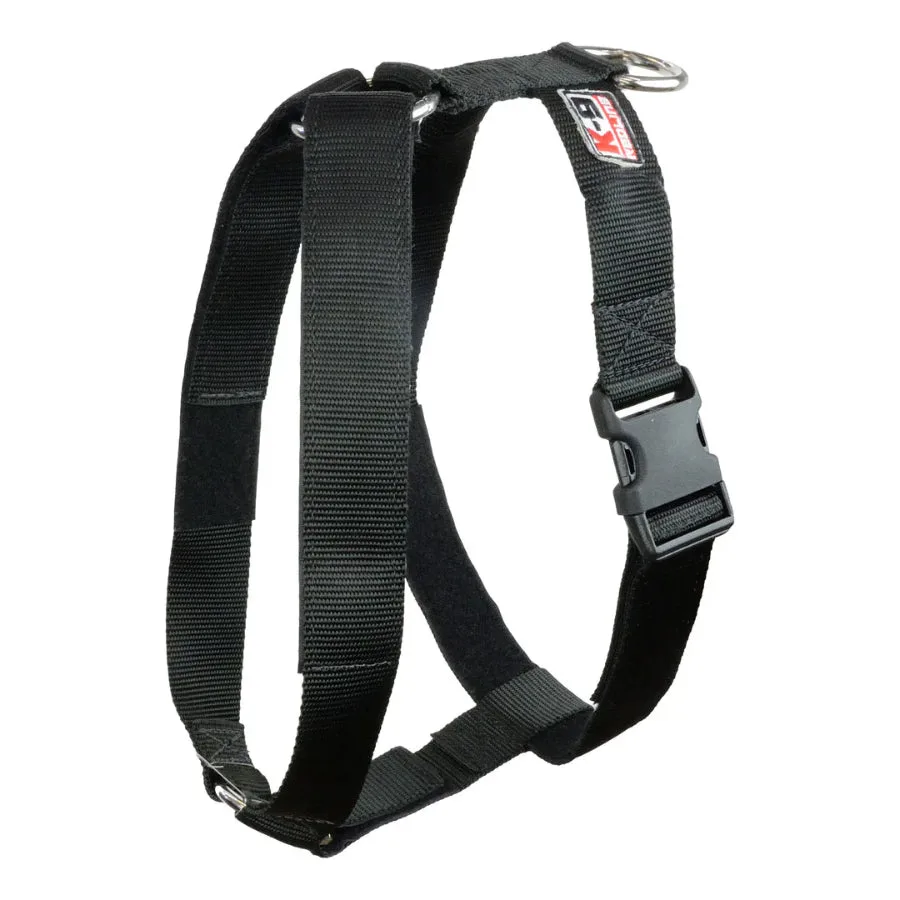
- Redline K9 Hero Harness: This quality nylon harness is great for all harness beneficial activities. It is super comfortable and distributes load very well. A comfortable harness is essential for walks and training, which go hand-in-hand with positive reinforcement using treats like pig ears.
In conclusion, pig ears can be a safe and enjoyable treat for many dogs when chosen wisely and used in moderation. Always prioritize your dog's health and safety by supervising chew sessions and consulting your vet if you have concerns. For convenient treat carrying during training, consider the K9 Pro Dog Treat Pouch.