Quick Answer
A reversible dog harness is worth it if you want two looks from one piece of gear and your dog walks comfortably in a structured, well-fitted harness. Skip it if you need maximum breathability, a single bombproof color, or the simplest possible fit. For most everyday walkers, the deciding factor is whether the harness itself fits and controls pulling—not whether it flips.
What a Reversible Harness Actually Changes
A reversible harness swaps its outer fabric to show a second color or pattern. The structure underneath—straps, D-rings, buckles, and padding—stays the same. That means you get two visual options without buying two harnesses, but you don't get two different fits or two different levels of control.
This is why reversibility is a styling feature, not a safety feature. If a harness pulls, rubs, or slips on your dog, flipping it inside out won't fix any of that.
The Real Pros of Going Reversible
The clearest win is variety without extra clutter. One harness can match a holiday bandana, a hiking outfit, or a plain everyday look. That matters if you like changing your dog's gear but don't want a drawer full of harnesses.
Reversible designs also tend to be thoughtfully constructed because the manufacturer has to finish both sides cleanly. Seams and edges usually get extra attention, which can mean a more polished feel than a single-layer harness at the same price.
The Cons You Should Weigh First
Reversible fabric is often a laminated or bonded double layer. That construction can be warmer and slightly stiffer than a single-layer mesh harness, which matters for flat-faced dogs, heavy-coated breeds, or hot-weather walks.
You also give up some simplicity. Reversing a harness means unbuckling, flipping, and rethreading straps, and on some designs the fit shifts slightly after the flip. If you want to grab one harness and go without thinking about it, a standard single-sided harness is easier.
Finally, the second side is usually the less durable print or the lighter color. If your dog rolls in mud or swims, one side will show wear faster than the other.
Reversible vs. Regular: Which Should You Choose?
Choose reversible if you enjoy switching up your dog's look, your climate is mild, and you've already confirmed the harness fits your dog's chest and neck measurements. Choose a regular single-sided harness if you prioritize breathability, a lower price for the same structure, or the easiest possible on-and-off routine.
If pulling is your main problem, neither option matters until you pick a harness built for it. A no-pull harness with front and back attachment points does more for your walks than any reversible fabric.
How to Tell If a Reversible Harness Is Well Made
Check the seams on both sides—they should be flat and tight, not bulky or twisted. Look at how the straps thread through the buckles; if reversing the harness requires fully disassembling it, you probably won't do it often. And confirm the D-rings are attached to the structural webbing, not just the outer reversible layer.
Reversible Harness FAQ
Is a reversible harness as safe as a regular harness?
Safety comes from the harness structure—strap width, D-ring attachment, and fit—not from reversibility. A well-built reversible harness can be just as safe, but check that the D-rings connect to the structural webbing rather than only the outer fabric. Inspect the D-ring attachment point before you buy.
Do reversible harnesses fit differently after flipping?
They can. Because the two sides are different fabric layers, the strap path may shift slightly when you reverse the harness. Always re-check the chest and neck fit after flipping, especially the first few times. Refit after every flip, not just the first one.
Are reversible harnesses good for strong pullers?
Reversibility doesn't add pulling control. A strong puller needs a harness designed for it, like one with front and back D-rings and sturdy materials. If your dog pulls hard, prioritize that over the reversible feature. Control first, style second.
Can I use a reversible harness for swimming or muddy walks?
You can, but the lighter or printed side will show dirt, fading, and wear faster. If your dog swims or rolls in mud often, a single-color harness is easier to keep looking new. Save the reversible harness for dry, everyday walks.
Is a reversible harness worth the extra cost?
Only if you'll actually use both sides. If you find one look you love and never flip it, you paid extra for a feature you don't use. A single-sided harness at the same quality level is usually the better value. Be honest about whether you'll reverse it more than once.
A No-Pull Alternative Worth Considering
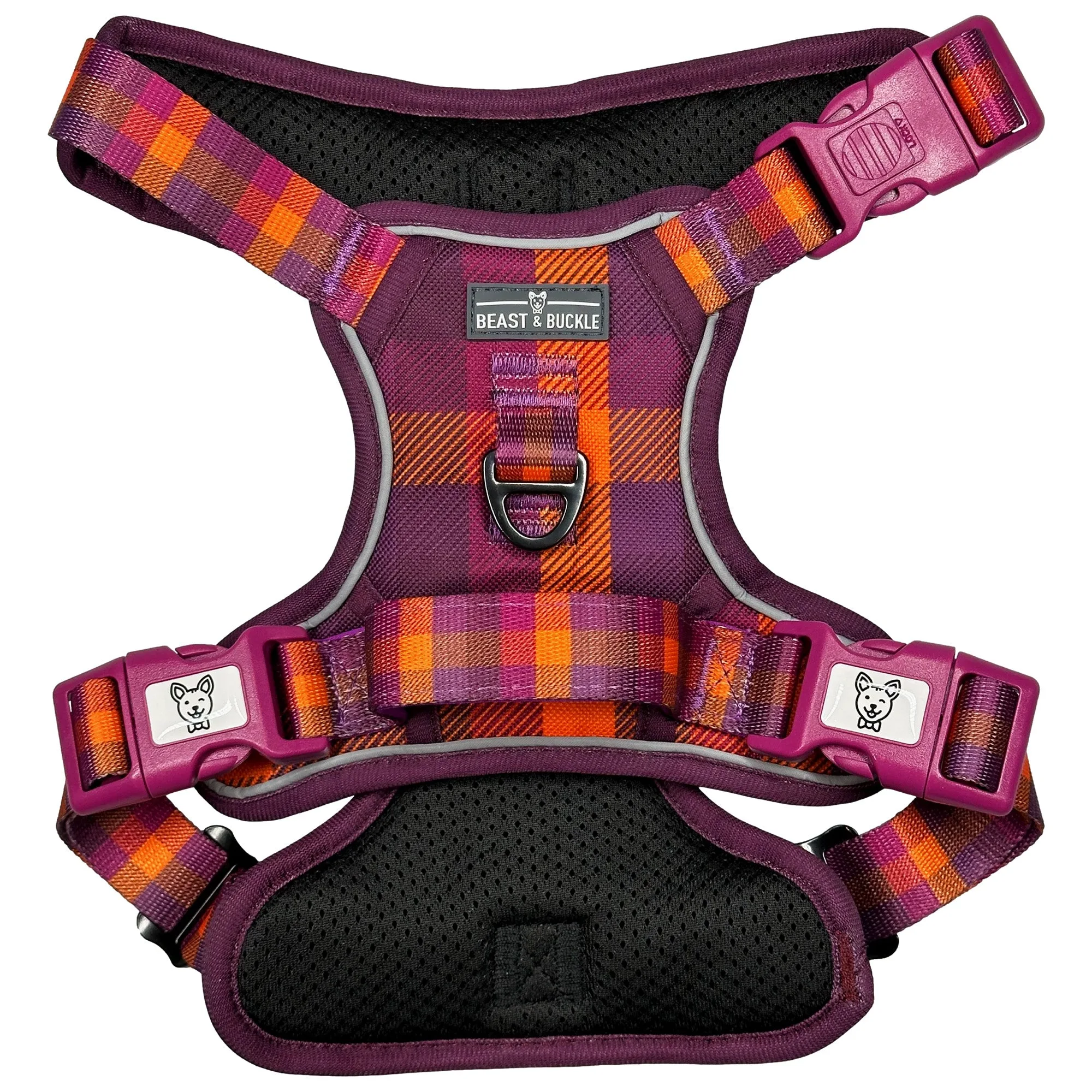
- Floral No Pull Dog Harness: The Beast & Buckle No Pull Harness is built with D-rings on both sides and a safety handle on the back, and it provides a highly customizable fit for a wide variety of dog bodies. If your priority is control and fit rather than two looks, this single-sided design gives you front and back attachment options plus an emergency handle—features a reversible harness usually doesn't include.
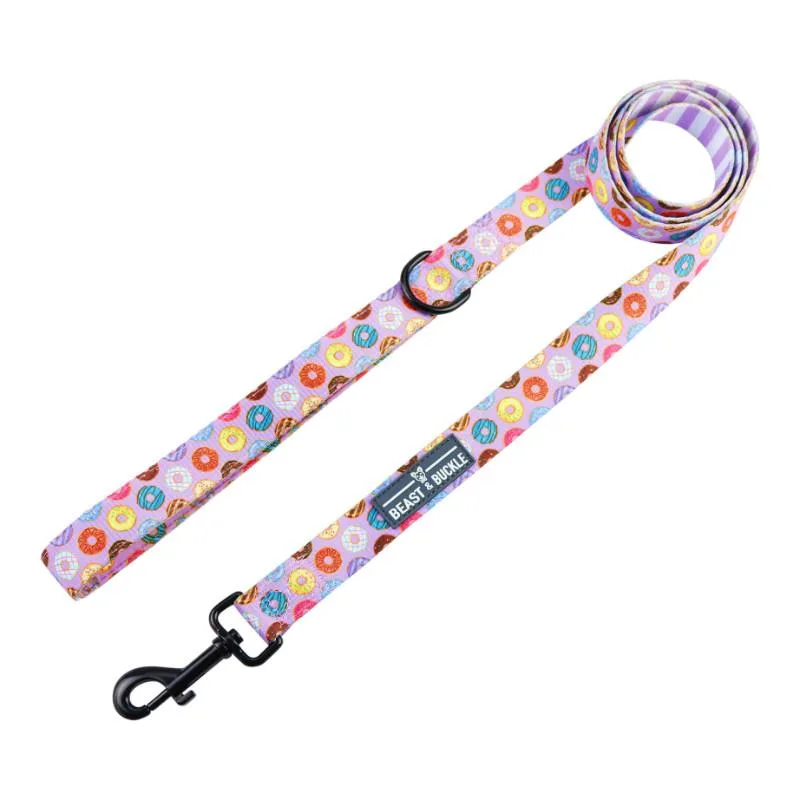
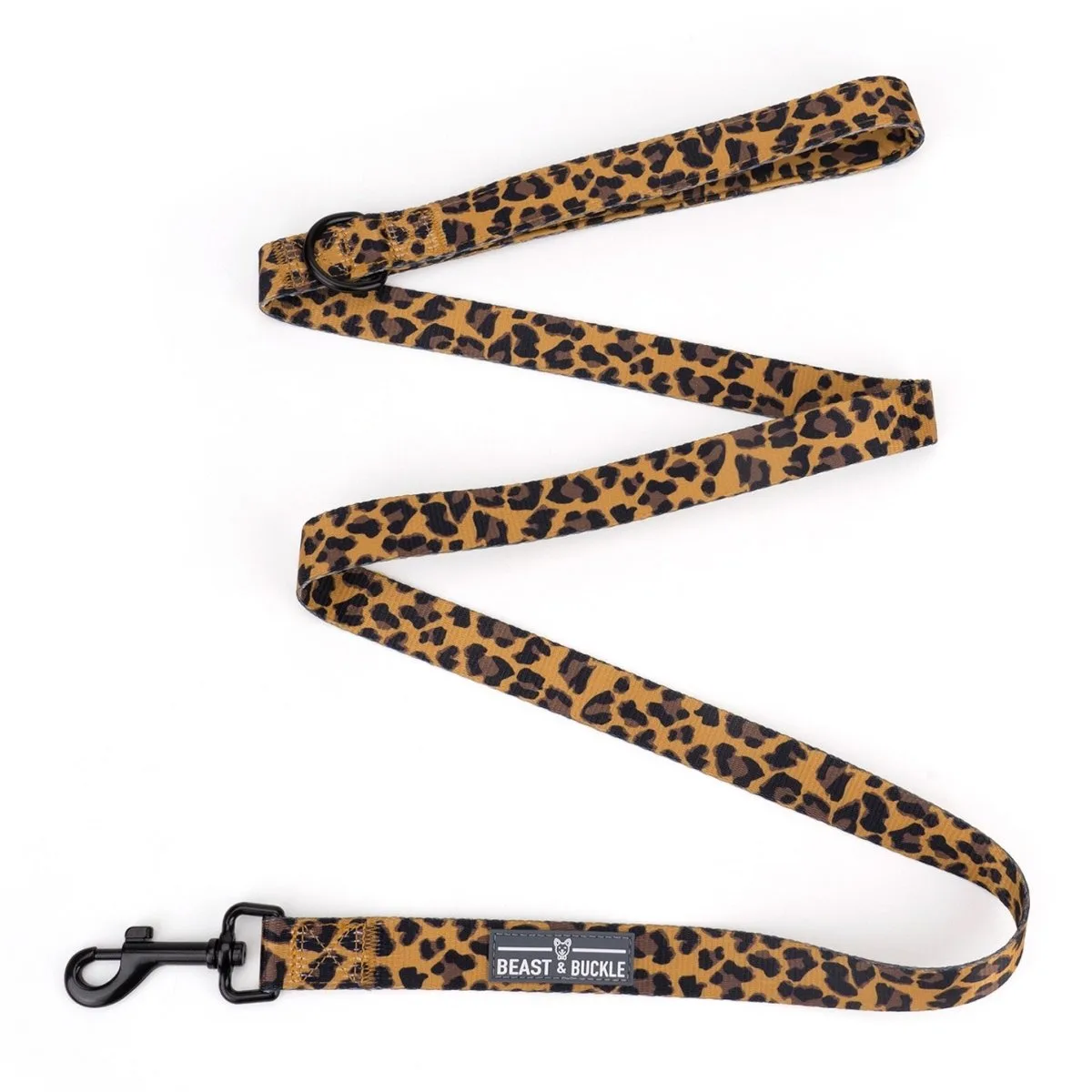
- Coral No Pull Harness & Leash Bundle: The Coral No Pull Harness & Leash Bundle pairs a matching no-pull harness and leash, and the harness is built using tough, sturdy materials that can safely handle wild walkers and strong pullers. If you want a coordinated look without the reversing routine, a matching bundle gives you the visual payoff with a harness designed for pulling control.