Quick Answer
Yes, silicone teethers are generally safe for babies when they are made from food-grade silicone and labeled BPA free. Soft silicone is gentle on sore gums, and it does not splinter the way some rigid materials can. The bigger risks are wear and tear, trapped moisture, and teethers that are not cleaned properly, so inspect and wash them regularly.
If you have ever stood in a store aisle squinting at a teether label, you are not alone. Parents ask whether silicone is actually safe, whether "food grade" means anything, and how silicone compares with wood or plastic. The short version: silicone is a common and well-accepted teething material, but the details on the package and the condition of the teether matter more than the word "silicone" by itself.
This guide answers the questions parents ask most often, with practical checks you can do at home. It focuses on what you can verify yourself: the material claim, the texture, how the teether is cleaned, and when it is time to replace it.
What does "food grade silicone" actually mean for a baby teether?
Food grade silicone is a silicone formulated to be safe for contact with food and saliva. In a teether, that matters because babies chew, drool, and mouth the same object for months. Food grade silicone is typically soft, flexible, and free of the fillers that can make cheaper silicone feel stiff or smell odd. It also tolerates repeated washing better than many soft plastics.
The phrase is not a government certification on its own, so treat it as a starting claim rather than a guarantee. Look for it alongside other clear statements such as BPA free, and buy from brands that publish material details rather than vague "baby safe" wording. If a listing never says what the teether is made of, that is a reason to keep looking.
- Check the packaging or product page for both "food grade silicone" and "BPA free" before buying.
- Silicone should feel soft and slightly grippy, not hard, waxy, or chemically scented.
Is a BPA free teether automatically non toxic?
No. BPA free is a useful starting point, not a complete safety guarantee. BPA is one chemical, and a product can be free of it while still containing other additives or fillers. That is why parents searching for a non toxic teether should look at the full material description, not just one label.
For silicone teethers, the practical question is whether the silicone is food grade and whether the teether has any painted details, loose parts, or strong odor. A plain, soft silicone teether with no small detachable pieces is easier to trust and easier to clean. If a teether arrives smelling strongly of plastic or chemicals, contact the seller rather than hoping the smell fades.
- Treat BPA free as one check among several, not the whole answer.
- Avoid teethers with peeling paint, loose beads, or parts that could detach.
How does silicone compare with wood or plastic teethers?
Silicone is soft and flexible, so it cushions gums and bends rather than cracking. Wooden teethers offer a firm, natural surface but need more care because wood can splinter or degrade if it stays wet. Hard plastic teethers are durable but feel firmer in the mouth, which some babies reject during the most tender teething days.
The right choice often comes down to your baby's preference and your cleaning routine. A baby who chews hard may do better with a firm wooden or textured teether, while a baby who wants soft pressure usually prefers silicone. Many families keep both on hand and rotate them.
- Silicone: soft, flexible, easy to rinse, good for tender gums.
- Wood: firm and natural, but keep it dry and inspect for rough edges.
- Plastic: durable, but often firmer and less forgiving on sore gums.
How should you clean and store silicone teethers?
Wash silicone teethers with warm water and mild dish soap, then rinse thoroughly and let them air dry completely. Check the manufacturer's instructions before boiling, steaming, or putting a teether in the dishwasher, because not every silicone product is rated for high heat. When in doubt, hand washing is the safer default.
Store teethers somewhere dry and open rather than sealed in a damp bag, which can encourage mildew. If a teether has a suction base or crevices, pay attention to those spots during washing. A quick squeeze and visual check after each wash helps you catch moisture or residue before your baby does.
- Rinse and air dry fully before storing.
- Skip high-heat methods unless the product instructions allow them.
When should you replace a silicone teether?
Replace any teether that is torn, sticky, discolored, or shedding bits of material. Silicone is durable, but constant chewing and repeated washing eventually take a toll, especially around seams and suction bases. A teether that no longer looks smooth and intact is a choking risk, not a bargain to keep using.
A simple routine helps: inspect teethers weekly, tug gently on any attached parts, and retire anything that fails the check. If your baby is a vigorous chewer, keep a couple of spares so you can rotate and replace without a last-minute scramble.
- Retire teethers with cracks, tears, or a tacky surface.
- Tug on attached parts to confirm they are still secure.
Silicone Teether Safety Checklist
Check the material claim
Look for food grade silicone and BPA free on the packaging or product page, not just "baby safe" wording. If the material is not stated, choose a different teether.
Inspect before each use
Look for tears, cracks, stickiness, discoloration, or loose parts, and tug gently on attached pieces. Retire any teether that fails the check.
Clean and dry fully
Wash with warm water and mild soap, then air dry completely before storing. Skip boiling or dishwasher cycles unless the instructions say they are safe.
Silicone Teethers That Match These Safety Checks
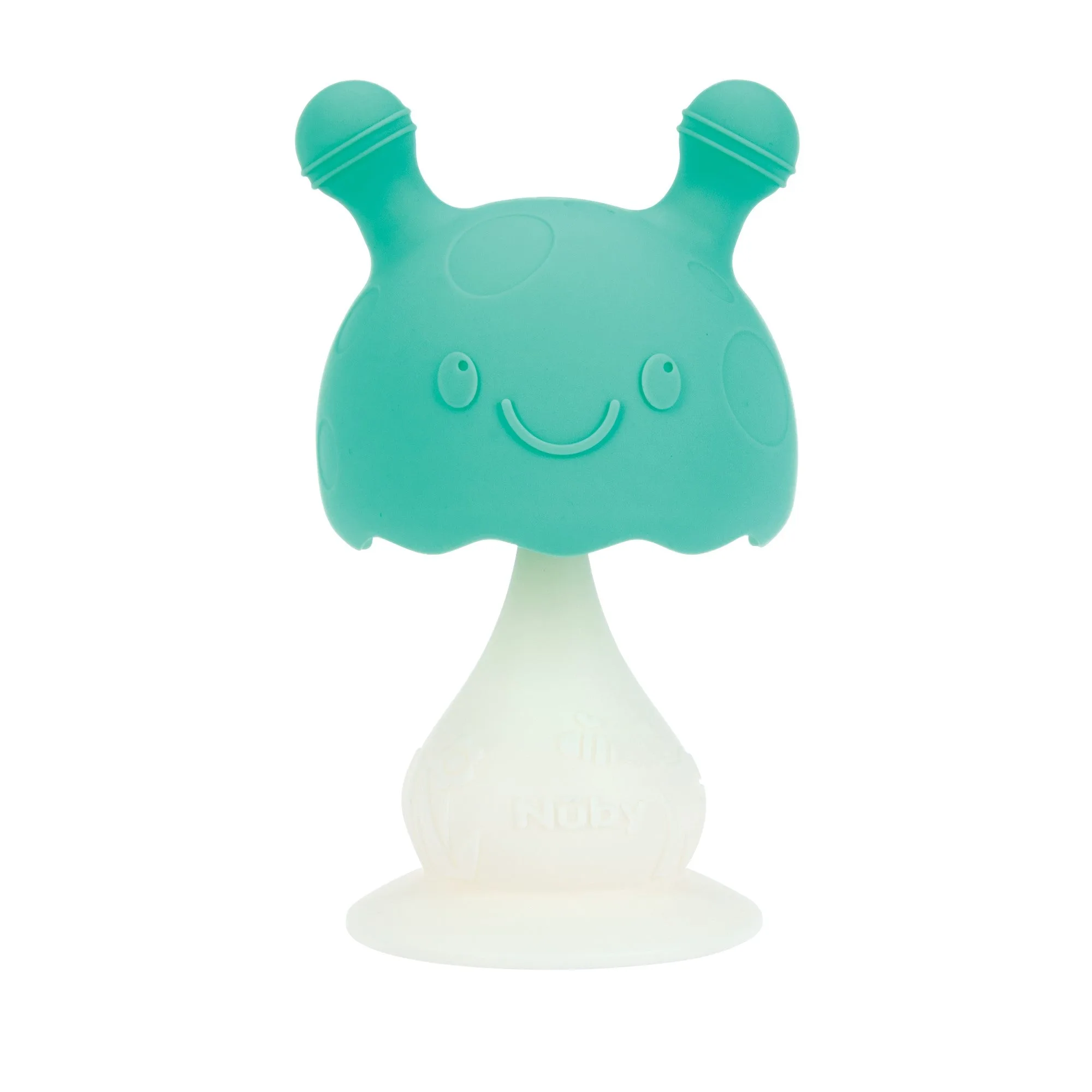
- Mushroom Bobble Head Teether Toy: Made of super soft silicone that is gentle on sensitive gums, with a suction base that sticks to most surfaces and antennae shaped to resemble mom's nipple for soothing. The soft silicone and suction base make it a good fit for fussy teething moments when your baby wants steady, gentle pressure without holding the teether themselves.
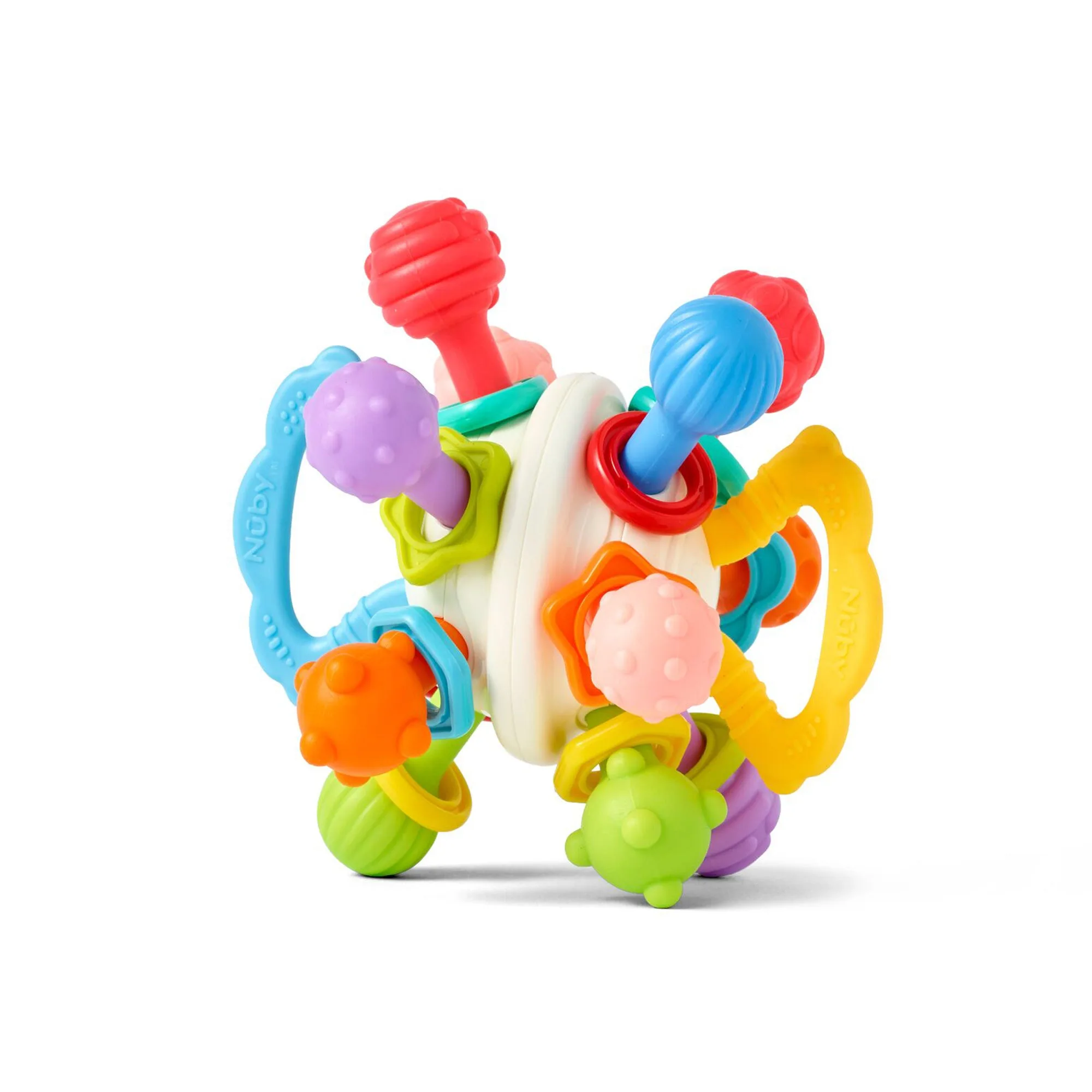
- Twist Ball Teether: Features bright colors, fun sounds, and textured surfaces that provide relief during teething while helping develop dexterity and hand-eye coordination. The textured surface gives sore gums something to work against, and the easy-to-grasp shape supports motor skills as your baby chews.
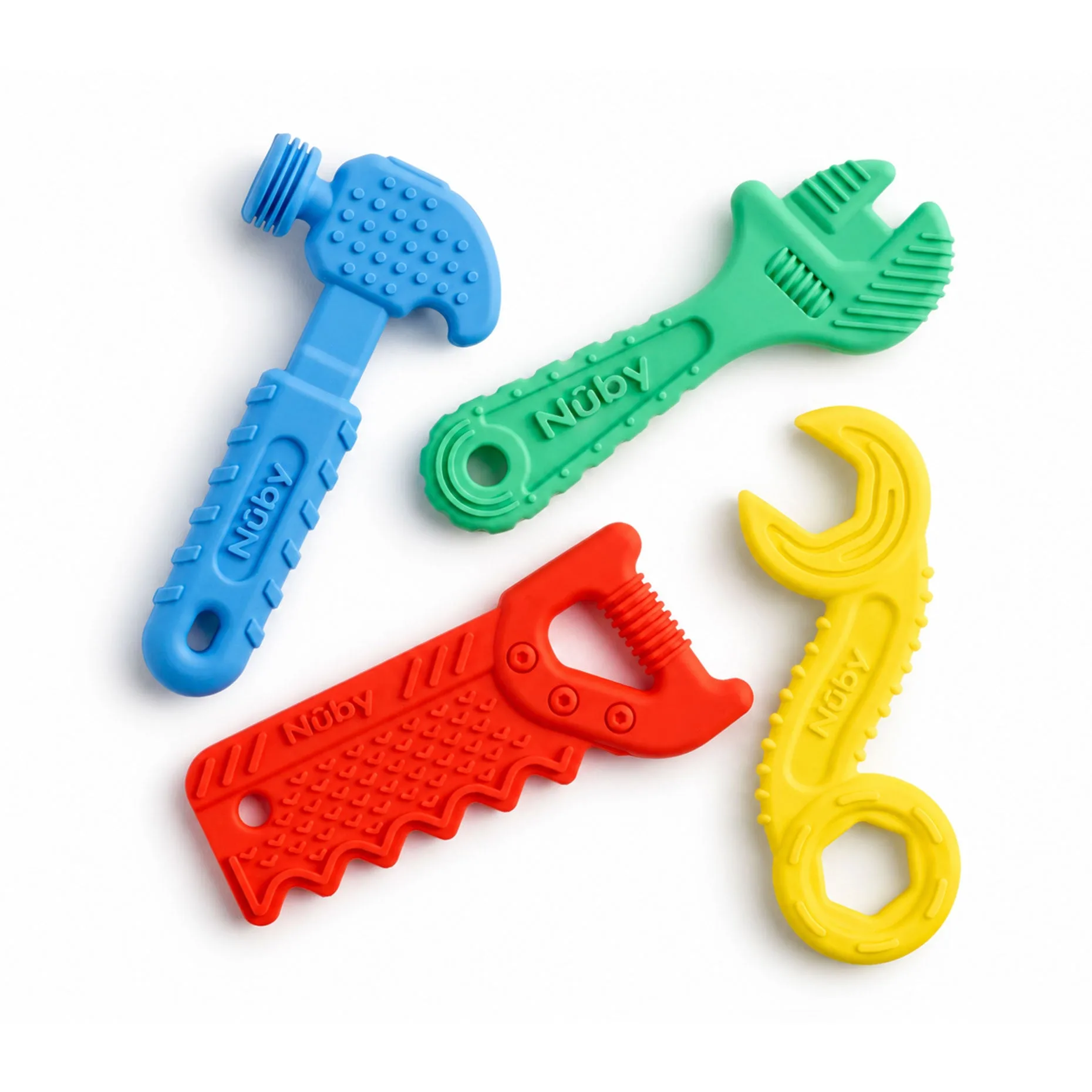
- Tool Teethers (4 Pack): Made from soft, easy-to-clean silicone with multiple textured surfaces, sized for little hands to grasp, chew, and pretend to help like Dad. A four-pack lets you keep one clean and ready while others dry, and the simple silicone design is straightforward to inspect for wear.
Silicone teethers are a practical, generally safe choice when they are food grade, BPA free, and in good condition. Buy from brands that state their materials clearly, clean and inspect regularly, and replace anything that shows wear. If you are unsure about a specific teether, ask the manufacturer directly before giving it to your baby.