Quick Answer
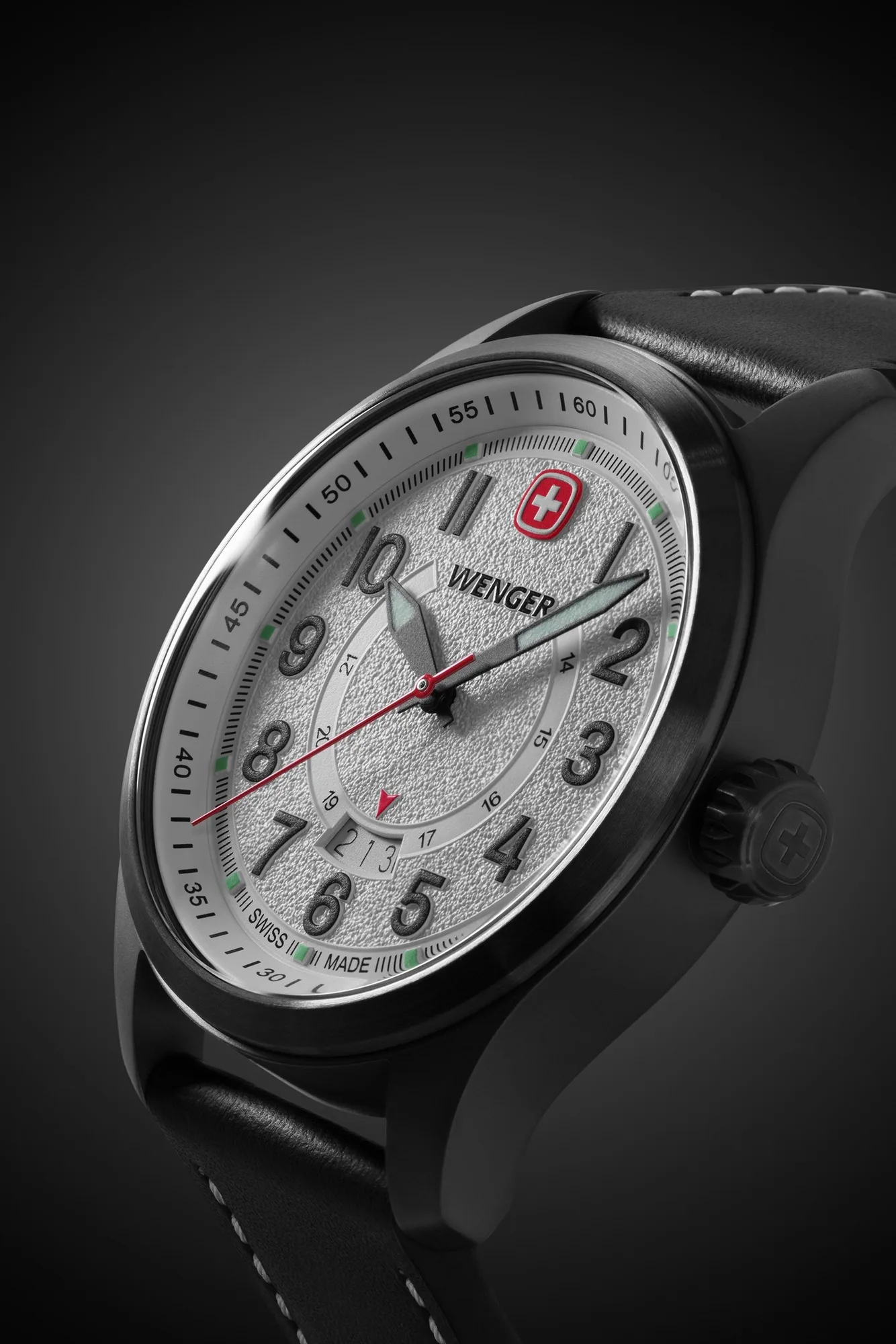
For most people, a Swiss-made quartz watch with 50–100 m water resistance, a sapphire or mineral crystal, and a comfortable leather or steel strap delivers the best value. Pay extra for automatic movements or high water resistance only if you will actually use them. If you want a dressier everyday watch, the Wenger Terragraph Swiss Watch in Stainless Steel with White Dial and Dark Brown Leather Strap is a strong starting point.
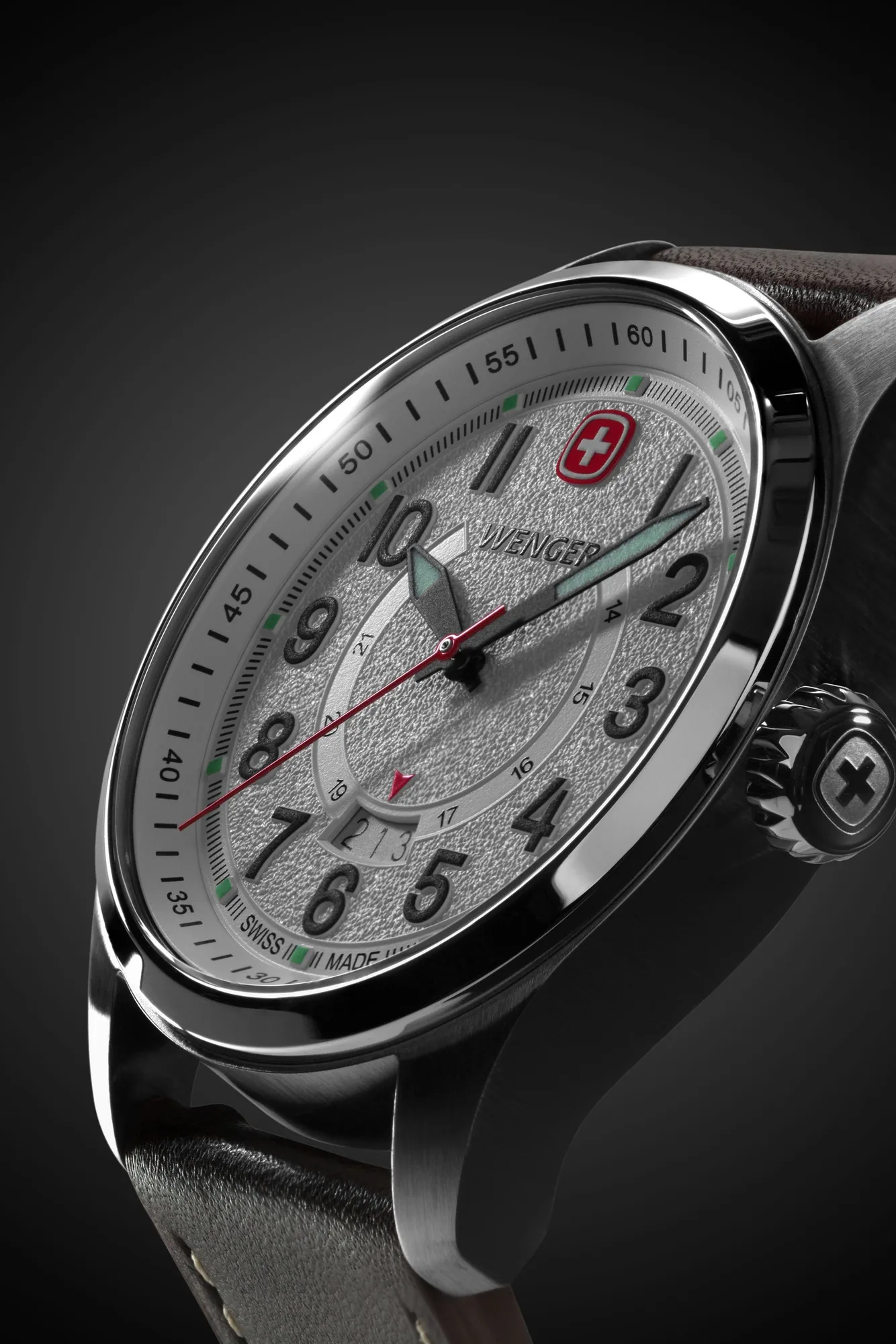
Wenger Terragraph Swiss Watch in Stainless Steel with White Dial and Dark Brown Leather Strap
Swiss watch features can feel like a maze of jargon. You see terms like quartz, automatic, sapphire crystal, and 100 m water resistance, and it is hard to tell which ones actually change your daily experience. This guide cuts through the noise with clear decision rules so you can choose a watch that fits your routine without overpaying for features you will never use.
The truth is that not every Swiss feature is worth the premium for every buyer. A frequent traveler may value a second time zone, while a desk worker mostly needs a reliable, comfortable watch that looks good. We will break down movements, water resistance, crystals, and straps, then give you a simple framework to decide what matters for you.
Movement: Quartz vs Automatic
Swiss quartz movements are battery-powered and typically accurate to within a few seconds per month. They are lighter, thinner, and require almost no maintenance beyond a battery change every couple of years. Automatic movements are mechanical, powered by the motion of your wrist, and they carry a romantic appeal for enthusiasts. However, they are less accurate, heavier, and need servicing every few years, which can cost a significant fraction of the watch price.
For everyday wear, quartz is the practical choice. You can pick up a watch, and it will still be running accurately weeks later. Automatic watches appeal to people who enjoy the ritual of winding and the smooth sweep of the second hand. If you are buying your first Swiss watch, quartz gives you more reliability for less money, leaving budget for better materials elsewhere.
- Choose quartz if you want grab-and-go accuracy and low maintenance.
- Choose automatic if you appreciate mechanical craftsmanship and do not mind periodic servicing.
Water Resistance: What the Numbers Really Mean
Water resistance ratings are often misunderstood. A 30 m rating means splash-resistant, not swimmable. 50 m is fine for hand washing and rain but not for swimming. 100 m is suitable for swimming and snorkeling but not high-impact water sports or diving. 200 m and above are for serious water activity. The rating is tested under static pressure, so dynamic movement in water can exceed the stated limit.
If you plan to wear your watch every day, including in the shower or pool, aim for at least 100 m. For office and casual wear, 50 m is usually enough. Remember that water resistance can degrade over time as gaskets age, so have it checked every few years, especially before relying on it in water.
- 30 m: splashes only; avoid submerging.
- 50 m: everyday wear, hand washing, rain.
- 100 m: swimming and snorkeling.
- 200 m+: diving and water sports.
Crystal and Case Materials
The crystal protects the dial. Mineral glass is the most common and is reasonably scratch-resistant but can scratch over time. Sapphire crystal is much harder and virtually scratch-proof, but it costs more. Acrylic is the least scratch-resistant but can be polished. For a daily watch, sapphire is worth the upgrade if your budget allows, but mineral glass is perfectly serviceable for casual use.
Case material affects weight and durability. Stainless steel is the standard for Swiss watches: durable, corrosion-resistant, and available in polished or brushed finishes. Titanium is lighter but more expensive and can scratch more easily. For most buyers, stainless steel offers the best balance of toughness and value.
- Sapphire crystal: best scratch resistance; worth it for daily wear.
- Mineral crystal: good value; accept minor scratches over time.
- Stainless steel case: durable and classic; titanium is lighter but pricier.
Strap and Fit: Comfort Is King
A watch is only as good as its fit. Leather straps look dressy and mold to your wrist but are not ideal for heavy sweating or swimming. Metal bracelets are durable and adjustable but can pull hair. Rubber or silicone straps are sporty and water-friendly. The strap should sit snugly on your wrist without pinching, and the watch head should not slide around.
When trying on a watch, check that the lugs do not overhang your wrist. The case diameter should be proportional to your wrist size: 38–42 mm suits most wrists, while smaller wrists may prefer 36–40 mm. If you buy online, measure your wrist and compare against the watch's lug-to-lug distance, which often matters more than diameter for comfort.
- Leather: dressy, comfortable, not for water.
- Steel bracelet: durable, adjustable, can pull hair.
- Rubber/silicone: sporty, water-friendly, casual.
Legibility and Everyday Usability
A watch you wear daily should be easy to read at a glance. Look for high-contrast hands and markers, and consider lume if you often check the time in low light. A date window is handy for many, but it adds complexity. Arabic numerals are generally more legible than Roman numerals or minimalist stick markers.
Also think about the weight and thickness. A slim watch slides under a shirt cuff easily, while a chunky watch makes a statement but may catch on sleeves. If you wear a watch all day, comfort and legibility will matter more than any exotic feature.
- Choose high-contrast dials for easy reading.
- Lume helps in dark environments; not essential for office wear.
- Slim cases fit under cuffs; thicker cases are sportier.
Decision Rules for Buying a Swiss Watch
- If you want a no-fuss daily watch: Choose a Swiss quartz movement with at least 50 m water resistance and a mineral or sapphire crystal. You will get accuracy and durability without the maintenance of a mechanical watch. Quartz is the practical default for most buyers.
- If you swim or shower with your watch: Do not settle for less than 100 m water resistance. Check that the crown is push-pull or screw-down, and have gaskets checked annually if you swim often. 100 m is the minimum for regular water exposure.
- If you want a watch that lasts decades: Invest in sapphire crystal and a stainless steel case. These materials resist scratches and corrosion far better than mineral glass and plated metals. Sapphire and steel are worth the premium for long-term wear.
- If you have a smaller wrist: Look for case diameters between 36 mm and 40 mm and check the lug-to-lug measurement. A watch that overhangs your wrist will feel uncomfortable and look oversized. Fit matters more than specs; measure before you buy.
- If you are on a tight budget: Prioritize a reliable quartz movement, 50 m water resistance, and a comfortable strap. Skip automatic movements and high water resistance ratings you will not use. Spend on what you will actually use, not on bragging rights.
Swiss Watch Examples Worth Considering
- Wenger Terragraph Swiss Watch in Stainless Steel with White Dial and Dark Brown Leather Strap: Sporty Swiss-made quartz watch with a white textured dial, large black Arabic numerals, a date window at 6 o'clock, a Swiss-red second hand, and Super-Luminova hour and minute hands, hour markers, and Wenger cross. The high-contrast dial and lume make it easy to read day or night, while the quartz movement keeps it accurate and low-maintenance for everyday wear.
- Wenger Terragraph Swiss Watch in Black Ice with White Dial and Black Leather Strap: Sporty Swiss-made quartz watch with a white textured dial, large black Arabic numerals, a date window at 6 o'clock, a Swiss-red second hand, and Super-Luminova coated hour and minute hands, hour markers, and Wenger cross. The black leather strap gives it a slightly dressier look than the brown strap version, making it versatile for both office and casual settings.
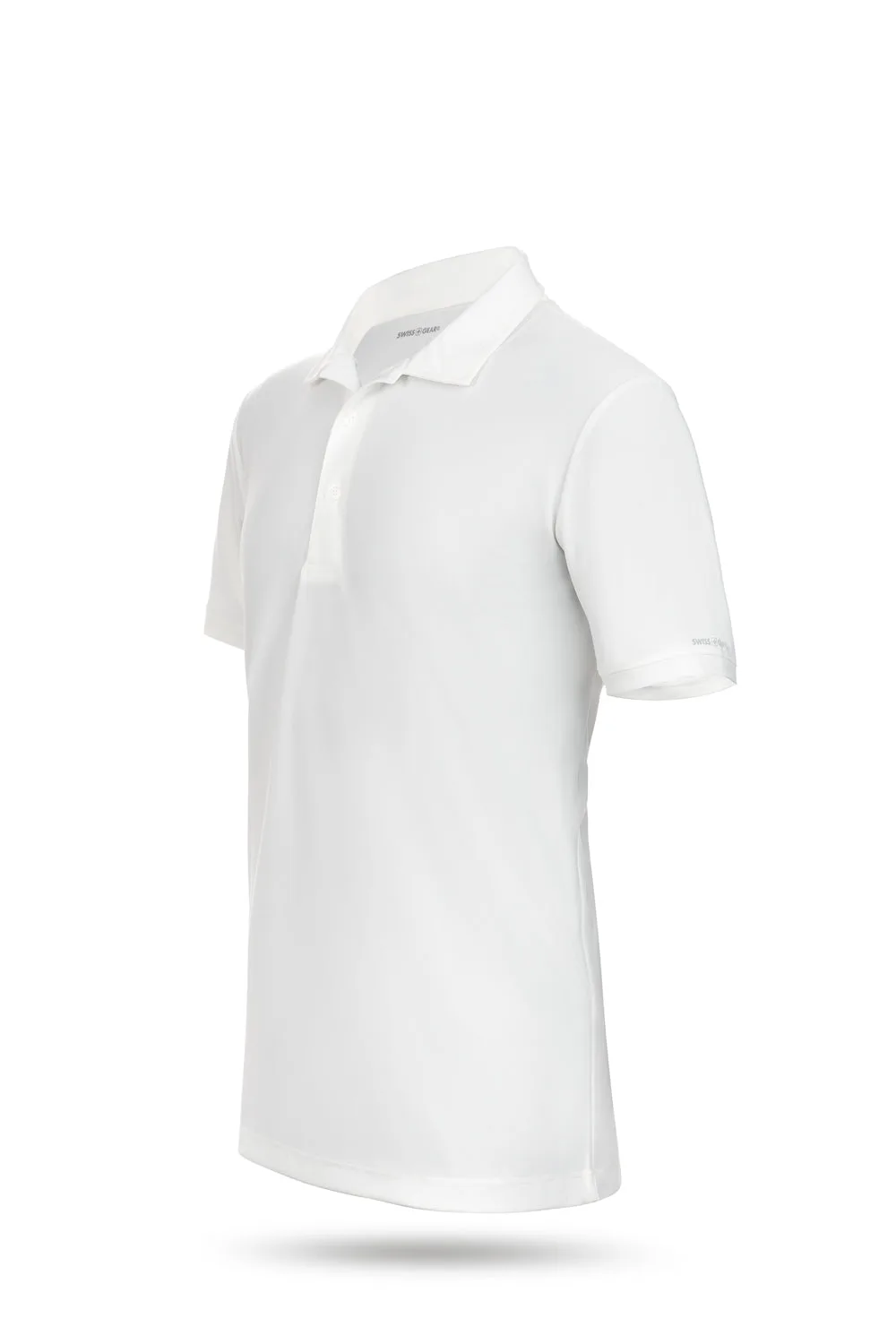
- SWISSGEAR Heritage Large Golf Polo: Athletic-style polo with moisture-wicking components and a classic three-button placket. If you wear a watch on the course, a moisture-wicking polo keeps you cool and pairs well with a sporty Swiss watch.
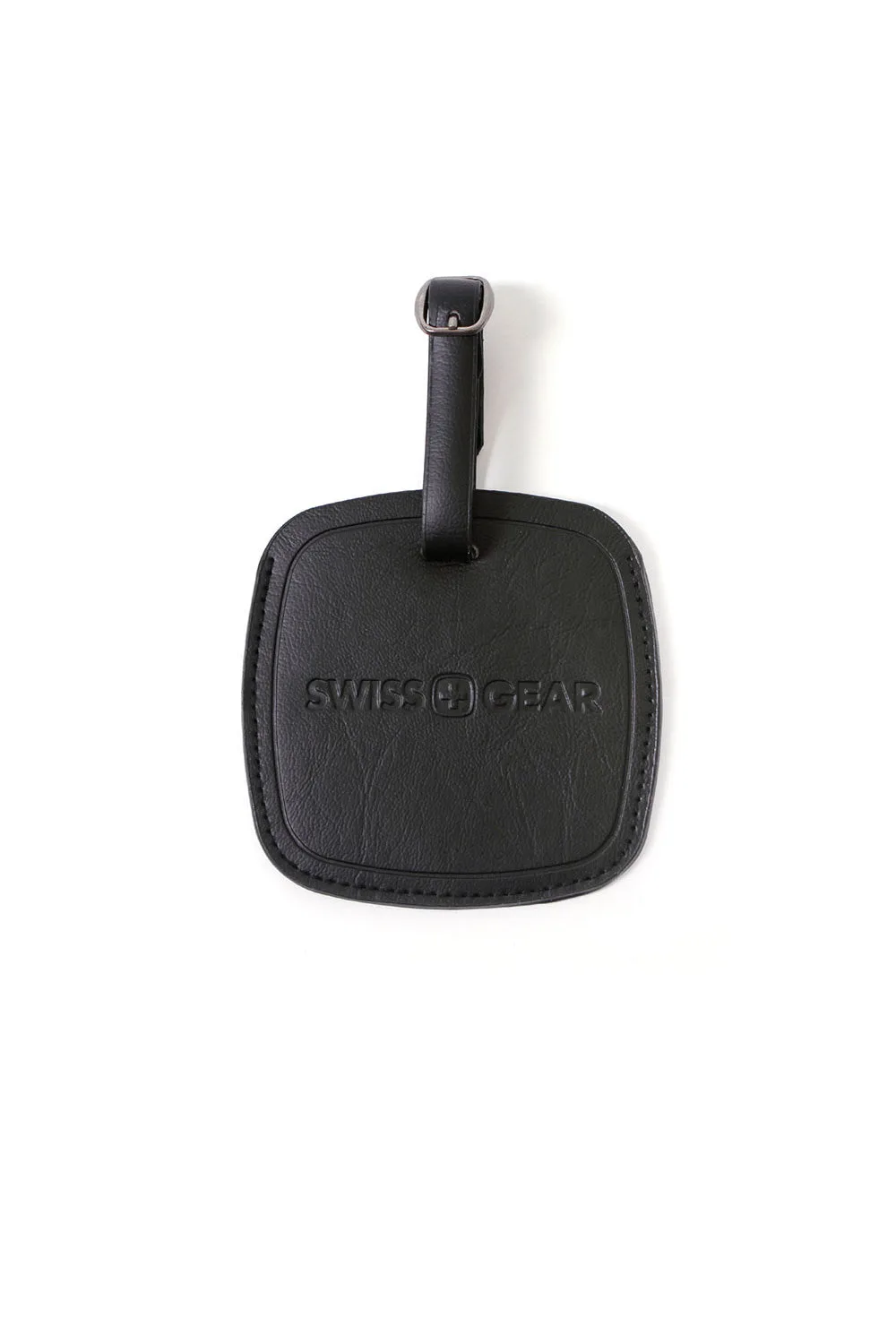
- SWISSGEAR Core Jumbo Luggage Tag: Made from rugged PVC with an adjustable metal buckle and a covered ID panel for privacy. A practical accessory for travelers who want to spot their bag quickly and keep their information private.
Who Should Buy Which Swiss Watch
Best for
- Everyday wearers who want a reliable, accurate, low-maintenance watch.
- Travelers who need a legible dial and a date window.
- People who prefer a classic leather strap and dressy-casual versatility.
Not for
- Divers or serious water sports enthusiasts who need 200 m or more.
- Collectors seeking mechanical automatic movements and complications.
- Anyone who wants a smartwatch with fitness tracking and notifications.
Swiss watch features are worth it when they match how you actually live. Focus on movement type, water resistance, crystal, and fit, and you will end up with a watch you enjoy wearing every day. The Wenger Terragraph models offer a solid blend of Swiss quartz reliability, legibility, and everyday style, making them a smart choice for most buyers.