Quick answer
Yes, third-party camera straps can be safe for heavy lenses—if you choose one with robust materials and a secure attachment system. The real risk isn't the brand; it's the strap's construction and how you use it. Look for straps with reinforced stitching and quick-release buckles, and always double-check the connection points.
What to Check Before Trusting a Strap with Heavy Gear
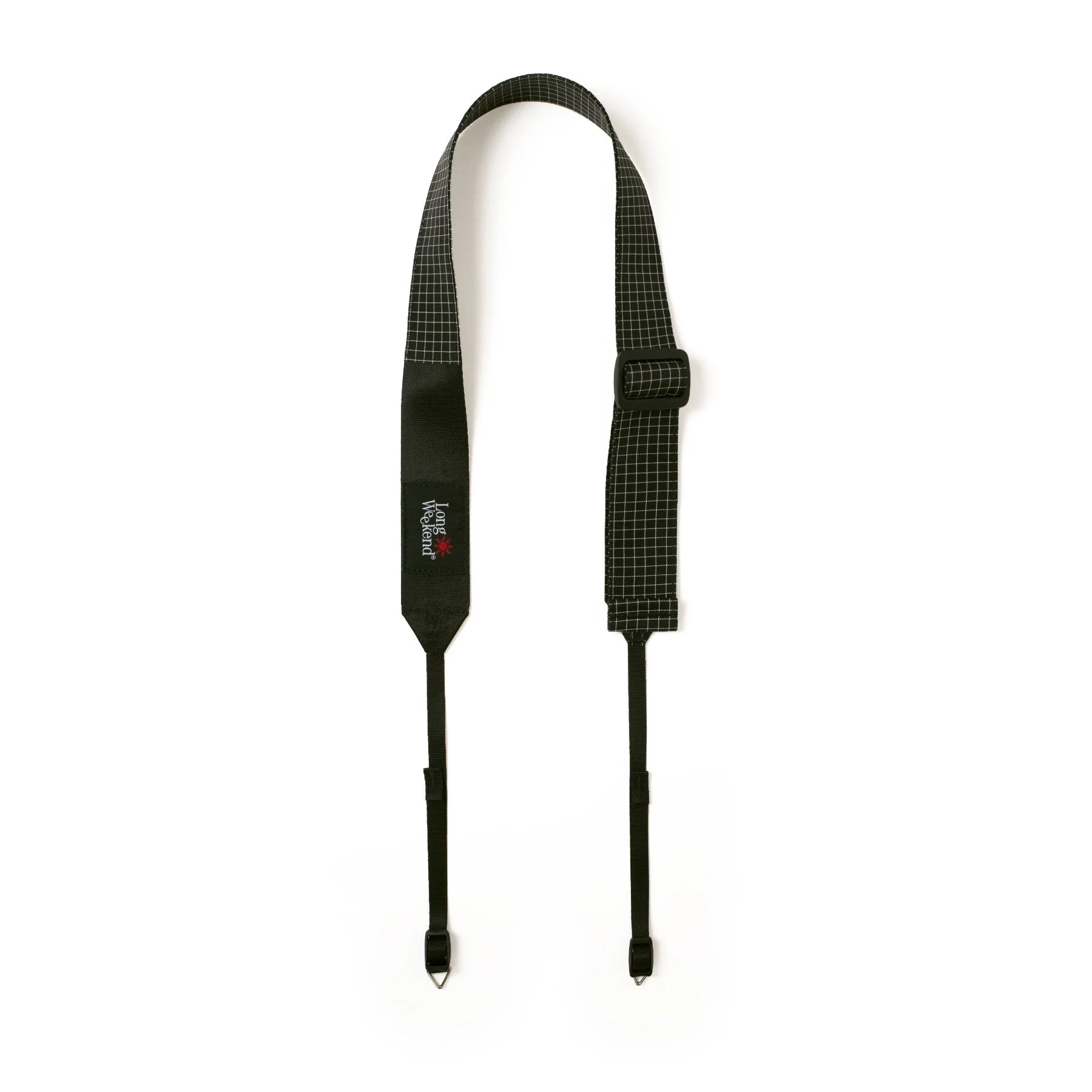
When you're carrying a body with a heavy telephoto or zoom lens, the strap's material and build quality matter more than the logo on the packaging. Ripstop nylon, for example, is a strong, tear-resistant fabric that handles weight well and is also more breathable than leather—so it won't leave you sweaty on a long shoot. Look for straps that use similar technical materials and avoid thin, flimsy webbing that can stretch or fray.
Attachment is just as critical. The strap loops on your camera are designed to hold the weight of the body and lens, but the strap's connectors—whether they're plastic buckles or metal clips—need to be secure. Before heading out, give the strap a firm tug and inspect the attachment points for any signs of wear. If a strap uses quick-release buckles, make sure they click firmly into place.
Why 'Weight Limit' Isn't the Whole Story
You might see 'weight limit' mentioned in product specs, but for camera straps, that number isn't a simple pass/fail. A strap's real-world safety depends on how the weight is distributed across your body and how the strap is attached to the camera. A well-designed strap spreads the load across your shoulder or neck, reducing stress on any single point. That's why a comfortable, adjustable strap can feel safer with heavy gear than a cheap, non-padded one—even if the latter claims a higher limit.
Instead of fixating on a weight limit, focus on the strap's construction and your own setup. For heavy lenses, consider a crossbody carry to balance the load, and always keep one hand on the camera when moving. A strap is a backup, not a replacement for careful handling.
Verdicts on Common Strap Myths
- Myth: Third-party straps are always unsafe: Safety depends on materials and build, not brand. Ripstop nylon straps with reinforced stitching can be as reliable as any OEM option. Check the material and stitching before you buy.
- Myth: A higher weight limit means a safer strap: Weight limits don't account for how the strap distributes load. A comfortable, adjustable strap can feel more secure with heavy gear than a stiff one. Prioritize comfort and adjustability over a number.
- Myth: You don't need to check the attachment points: Connectors wear out over time. A quick tug test before each shoot can prevent a costly drop. Inspect your strap regularly.
Straps Built for Real Use
- Long Weekend Adjustable Camera Neck Strap: The Long Weekend Adjustable Camera Neck Strap is a strong yet comfortable strap that can be worn around the neck or crossbody. The ripstop material used is comfortable and less sweaty than leather - perfect for the Australian climate. For heavy lenses, the ripstop material offers tear resistance and breathability, while the crossbody option helps distribute weight more evenly—reducing strain on your neck.
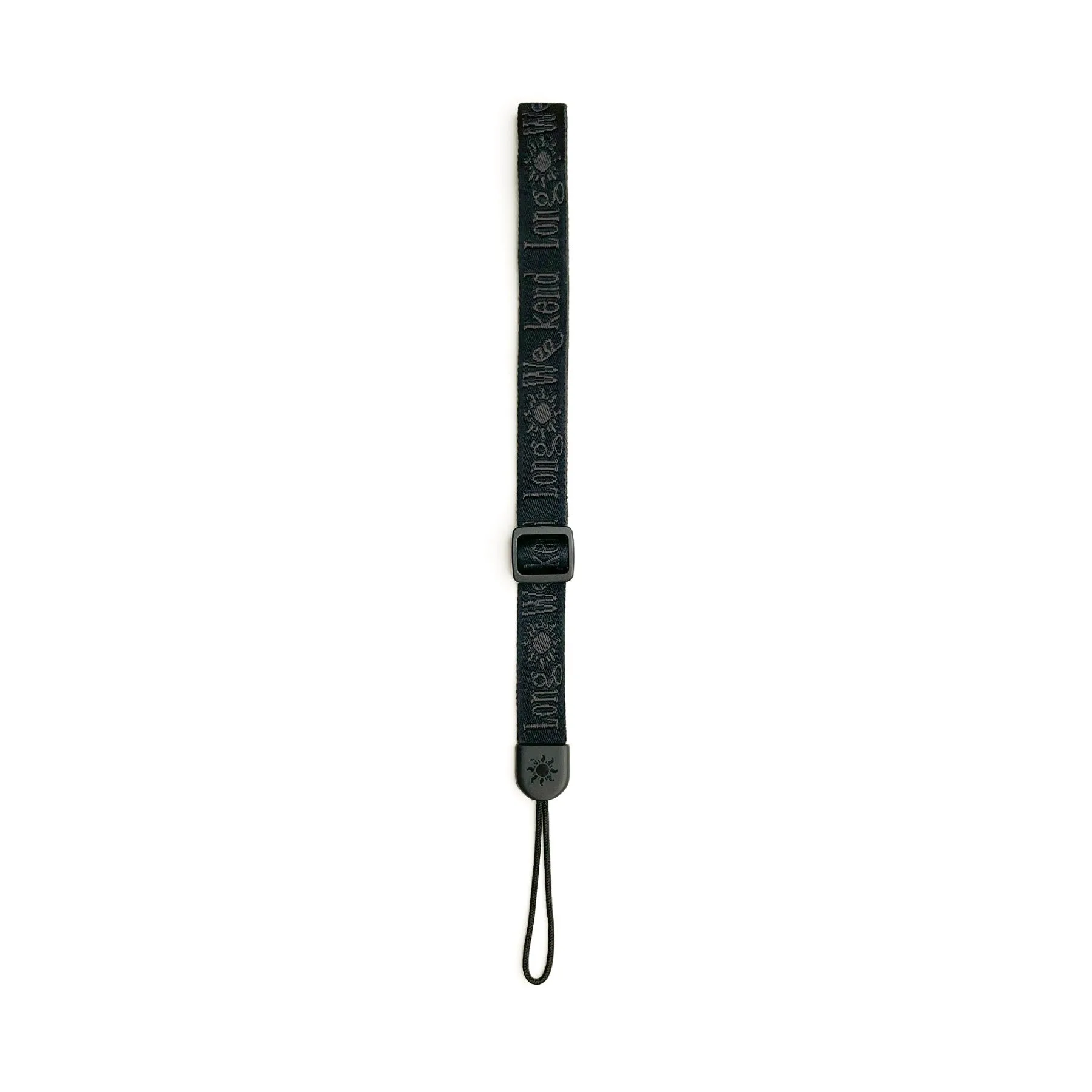
- Long Weekend Camera Wrist Strap: The Long Weekend Camera Wrist Strap is a no-nonsense wrist strap designed for point and shoot cameras. It is easy to adjust, durable and comfortable. If you're using a compact camera with a lighter lens, a wrist strap gives you a secure grip without the bulk of a neck strap—ideal for quick shots and street photography.