Quick answer
Waistpacks are genuinely useful for travel, but not for the reasons most people assume. They keep small essentials reachable and visible, which reduces the chance you leave something behind or dig through a bag in public. They are not automatically anti-theft, and they do not replace a backpack for carrying a laptop or a full day of gear. Treat a waistpack as a front-line organizer, not a vault.
Myth: A waistpack is automatically anti-theft
No bag is anti-theft by itself. A waistpack worn at the front keeps zippers and openings inside your field of view, which makes quiet access harder for someone behind you. That is a real benefit, but it only works if you wear it that way. Worn on the back or swung to the side, a waistpack offers no more protection than a small backpack.
The practical takeaway is to choose a waistpack with closures you can open and close without looking, then wear it where you can see it. If a product page claims anti-theft features, check whether those features are physical (covered zippers, a strap you can adjust tight) or just marketing language. The supplied catalog facts for the Sling Bag Pro, for example, describe an adjustable single strap and water repellent fabric, not a locking system. That tells you what the bag actually does: it stays close and sheds light rain.
Myth: A waistpack is always more comfortable than a backpack
Comfort depends on load and duration, not on bag style. A waistpack carrying a phone, wallet, passport, and a small bottle is comfortable for hours because the weight is low and centered. Add a tablet, a camera, or a water bottle on a long walk and the same bag starts to pull at the waist or bounce.
A backpack distributes weight across both shoulders and the back, which is why it wins for heavier loads. A waistpack wins for quick access and for keeping your hands free without a shoulder strap digging in. If your travel day involves a laptop or several hours of walking with gear, a backpack or a duffel with a laptop sleeve is the more sensible base, and a waistpack can supplement it for the items you need every few minutes.
Myth: Waistpacks are too small to be useful
The useful size of a waistpack depends on what you expect it to hold. For a passport, cards, phone, keys, and a compact charger, a waistpack is enough and keeps those items from scattering across a larger bag. For a 17-inch laptop, a change of clothes, or a weekend of essentials, it is not the right primary bag.
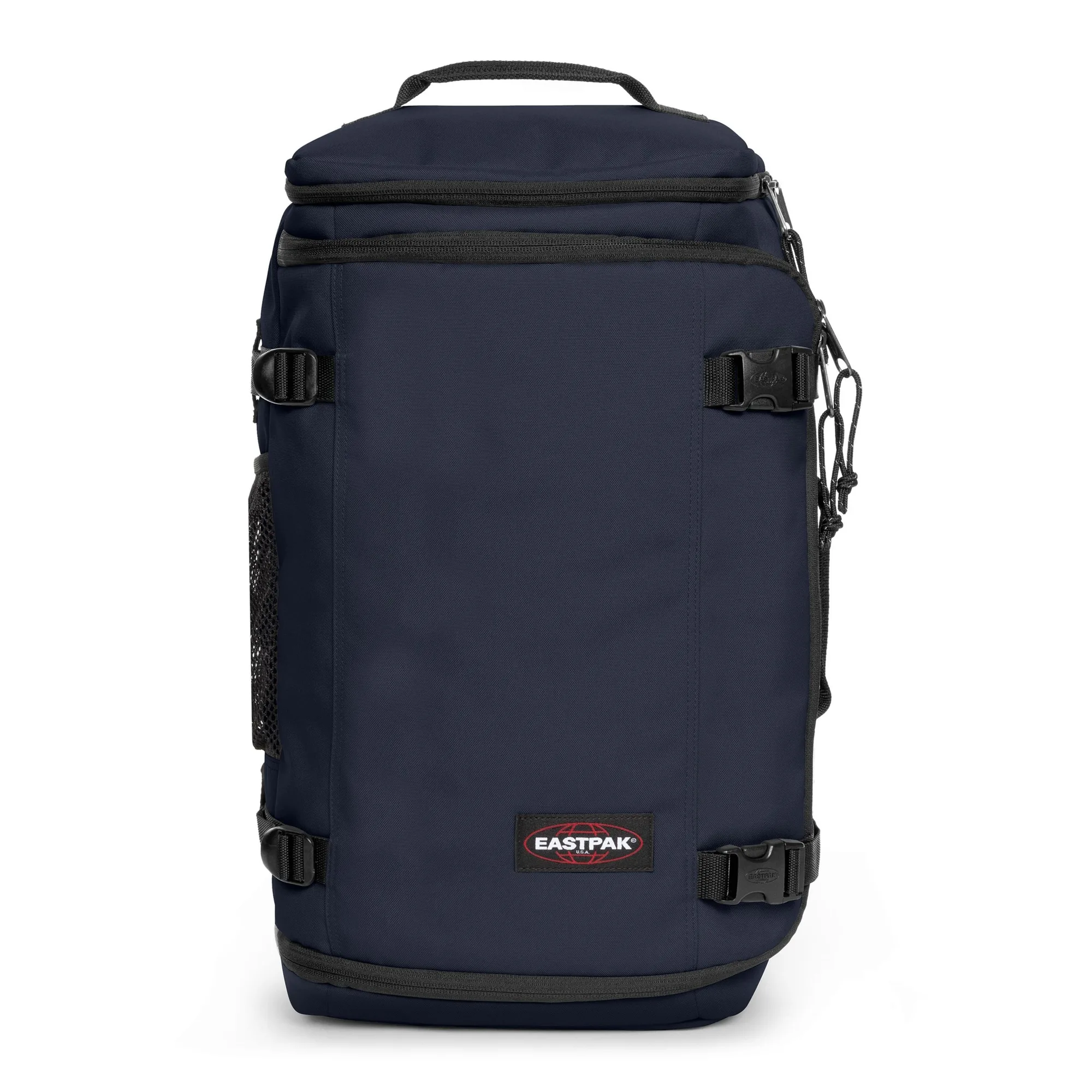
This is where the category lines matter. A duffel like the Carry Pack Ultra Marine is built around a spacious main compartment with a dedicated 17-inch laptop sleeve and a side bottle holder, and it is described as carry-on friendly for most airlines. That is a different job from a waistpack. The honest comparison is not which bag is better, but which bag matches the load you are actually carrying that day.
Myth: You should always wear a waistpack at your waist
Waist is the default, not a rule. Cross-body wear keeps the bag higher on your torso and often feels more secure in crowds because the bag sits in front of your chest and stays within view. Waist wear keeps the bag lower and can be more comfortable when you are sitting, cycling, or moving through tight spaces.
The adjustable single strap on the Sling Bag Pro is the feature that makes both options practical, because you can change the carry position without changing bags. If a waistpack has a fixed strap length or a strap that cannot be tightened quickly, you lose that flexibility. Check the strap before you buy, especially if you plan to switch between waist and cross-body wear during a trip.
Myth: Any waistpack works for any trip
Weather, airline rules, and what you carry change the right choice. A water repellent material helps in light rain, but it is not the same as waterproof, so do not treat it as protection for electronics in a downpour. If you are packing for a cabin-sized trip, a wheeled bag with a double deck compartment and compression straps may be the better primary bag, with a waistpack for the items you want on your body.
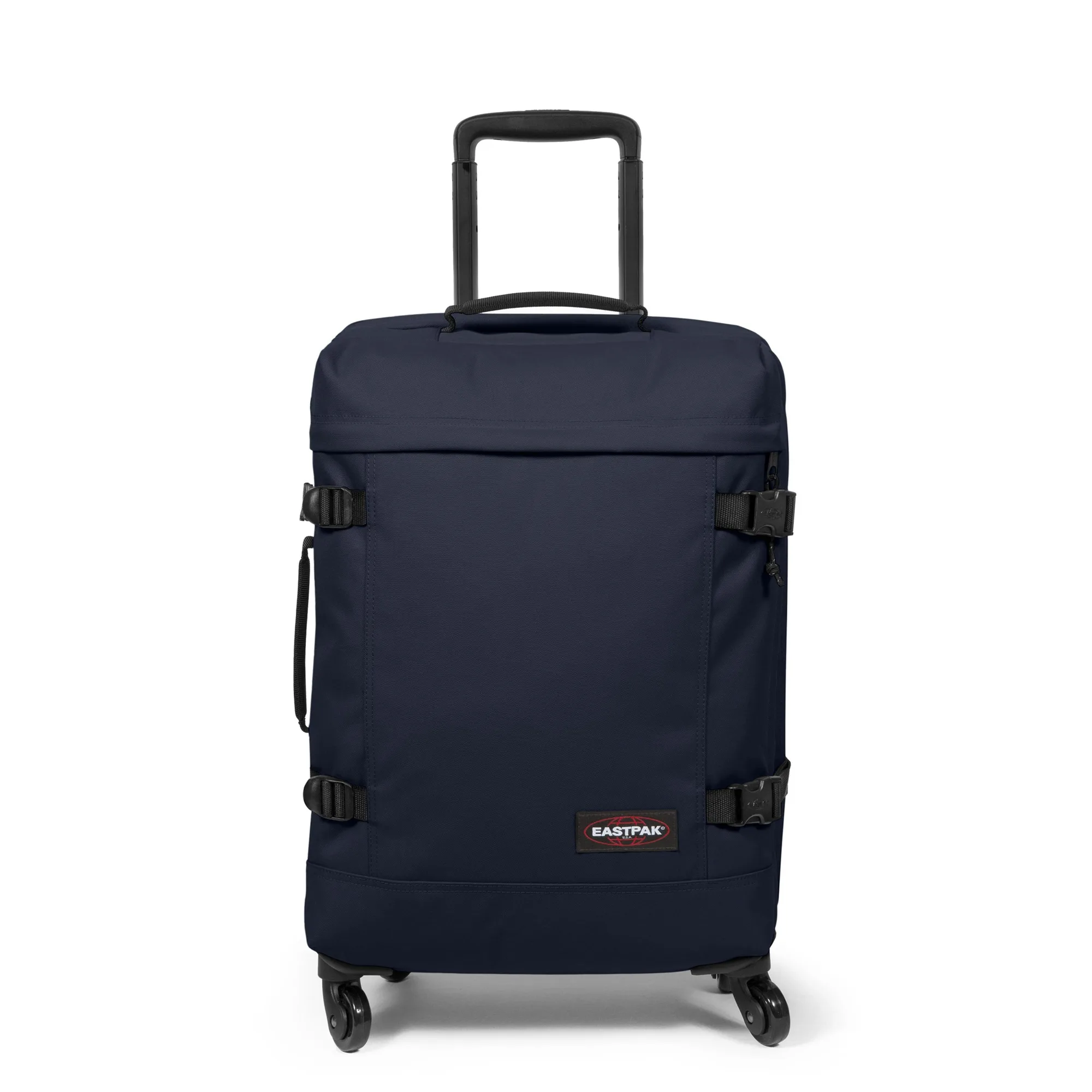
The Trans4 S Ultra Marine is described with a 21.2-inch height, 14-inch width, and 9-inch depth, 100% nylon construction, 360-degree spinning wheels, a telescopic handle, and padded top and side handles. Those facts point to a bag designed for smooth movement through airports and easy lifting onto racks or conveyors. A waistpack does not compete with that; it handles the small, frequent-access items while the wheeled bag handles the bulk.
Waistpack travel myths: verdicts
- Waistpacks are anti-theft: A waistpack worn at the front keeps openings in your view, which makes quiet access harder. It is not a locking system, and it does nothing if you wear it on your back or leave it open. Verdict: partly true, but only when worn in front and closed properly.
- Waistpacks beat backpacks for travel: A waistpack is better for small, frequently used items. A backpack or a duffel with a laptop sleeve is better for heavier loads and longer walks. The right answer is often both, not one or the other. Verdict: false as a general rule. Match the bag to the load.
- You must wear a waistpack at your waist: Cross-body carry is often more secure in crowds because the bag sits higher and stays in front of you. Waist carry can be more comfortable when sitting or moving through tight spaces. Verdict: false. Use the adjustable strap to switch positions as the situation changes.
- Water repellent means waterproof: Water repellent material keeps contents dry in light rain. It is not a guarantee against heavy rain or submersion, so protect electronics separately if the weather turns serious. Verdict: false. Treat water repellent as light-rain protection, not a dry bag.
- A waistpack is enough for any trip: A waistpack handles passport, phone, cards, keys, and a small bottle. It does not replace a cabin-sized suitcase or a duffel with a 17-inch laptop sleeve for a longer trip. Verdict: false. Use a waistpack as a front-line organizer alongside a larger bag.
Product facts that matter for waistpack travel
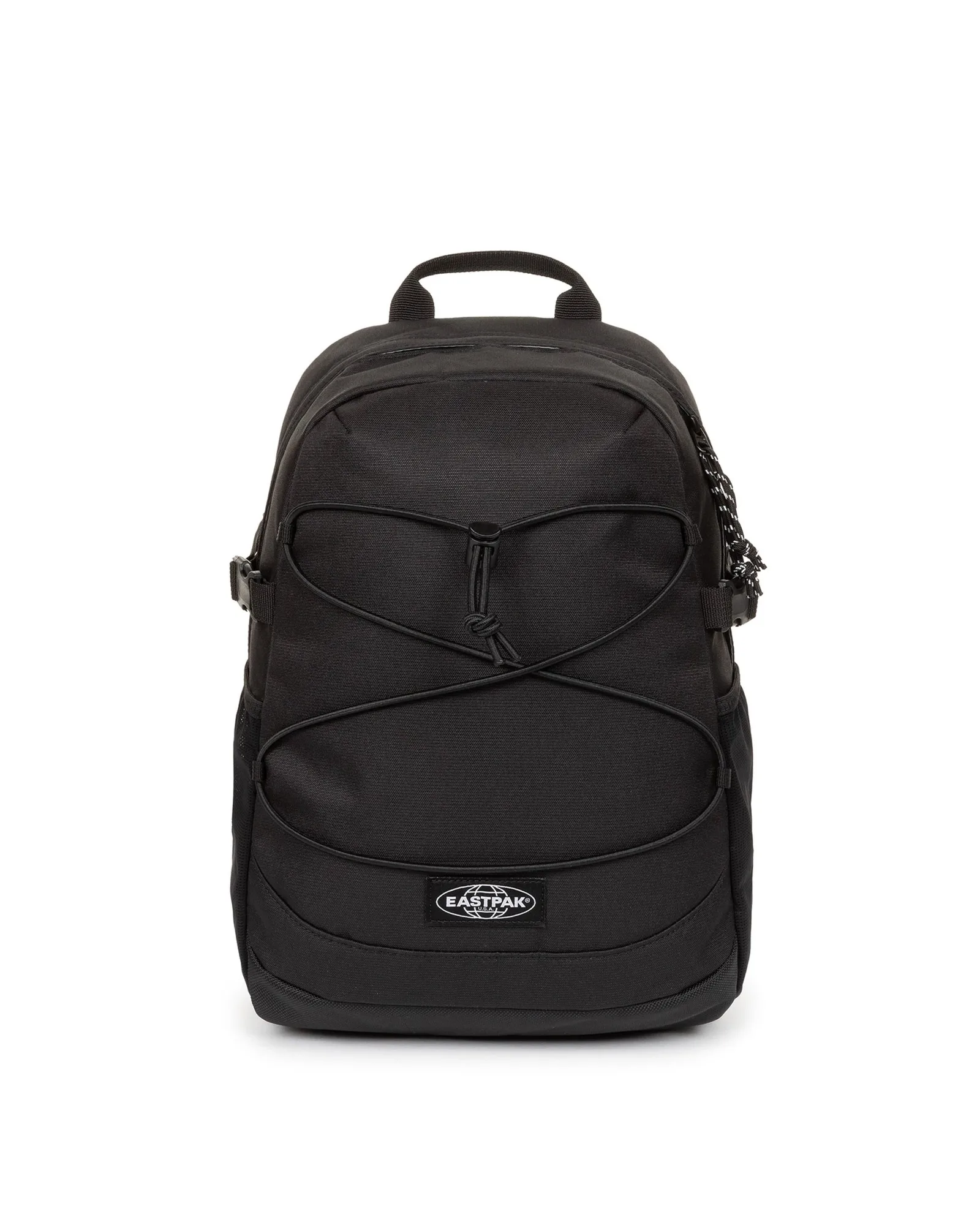
- SLING BAG PRO CS BLACK PRO: Sling Bag Pro CS Black Pro features an adjustable single strap, elastic mesh side bottle holders, and water repellent material, backed by a 30 year warranty. The adjustable strap lets you switch between waist and cross-body carry, the bottle holder keeps a drink accessible without opening the main compartment, and the water repellent fabric handles light rain. The 30 year warranty is a long-term durability signal for a bag you will use daily.
- CARRY PACK ULTRA MARINE: Carry Pack Ultra Marine is a duffel with a spacious main compartment, a 17-inch laptop sleeve, a side bottle holder, and water repellent material, and it is carry-on friendly for most airlines. If your travel load includes a laptop or a weekend of clothing, this is the bag that carries it. A waistpack can then hold the items you need during transit, so you are not opening the duffel in a queue or on a crowded platform.
- TRANS4 S ULTRA MARINE: Trans4 S Ultra Marine is a cabin-sized suitcase with a double deck compartment and zip closure, compression straps, 100% nylon construction, 360-degree spinning wheels, a telescopic handle, and padded top and side handles. Dimensions are 21.2 inches high, 14 inches wide, and 9 inches deep. This is the bulk-carry option for a trip where you want wheels and organized packing. The compression straps help keep contents from shifting, and the padded handles make lifting onto a rack or conveyor easier. A waistpack complements this by keeping your passport, phone, and cards on your body.