Quick Answer
Wooden puzzles are generally worth the price if you value durability, timeless play, and the ability to pass them down. They cost more upfront than cardboard puzzles, but they withstand rough toddler handling and often become family keepsakes. However, if budget is tight or your child is still in the mouthing stage, a cheaper alternative might be the smarter buy.
When you see a wooden puzzle priced at $15 and a cardboard one at $5, it's natural to wonder if the extra cost is justified. Wooden puzzles are a classic toy, but are they truly a better investment? This comparison breaks down the real costs and benefits so you can decide with confidence.
We'll look at durability, play value, safety, and long-term use, using real examples from Melissa & Doug's puzzle lineup. You'll also get practical guidance on when to splurge and when to save.
Durability: Wooden vs. Cardboard Puzzles
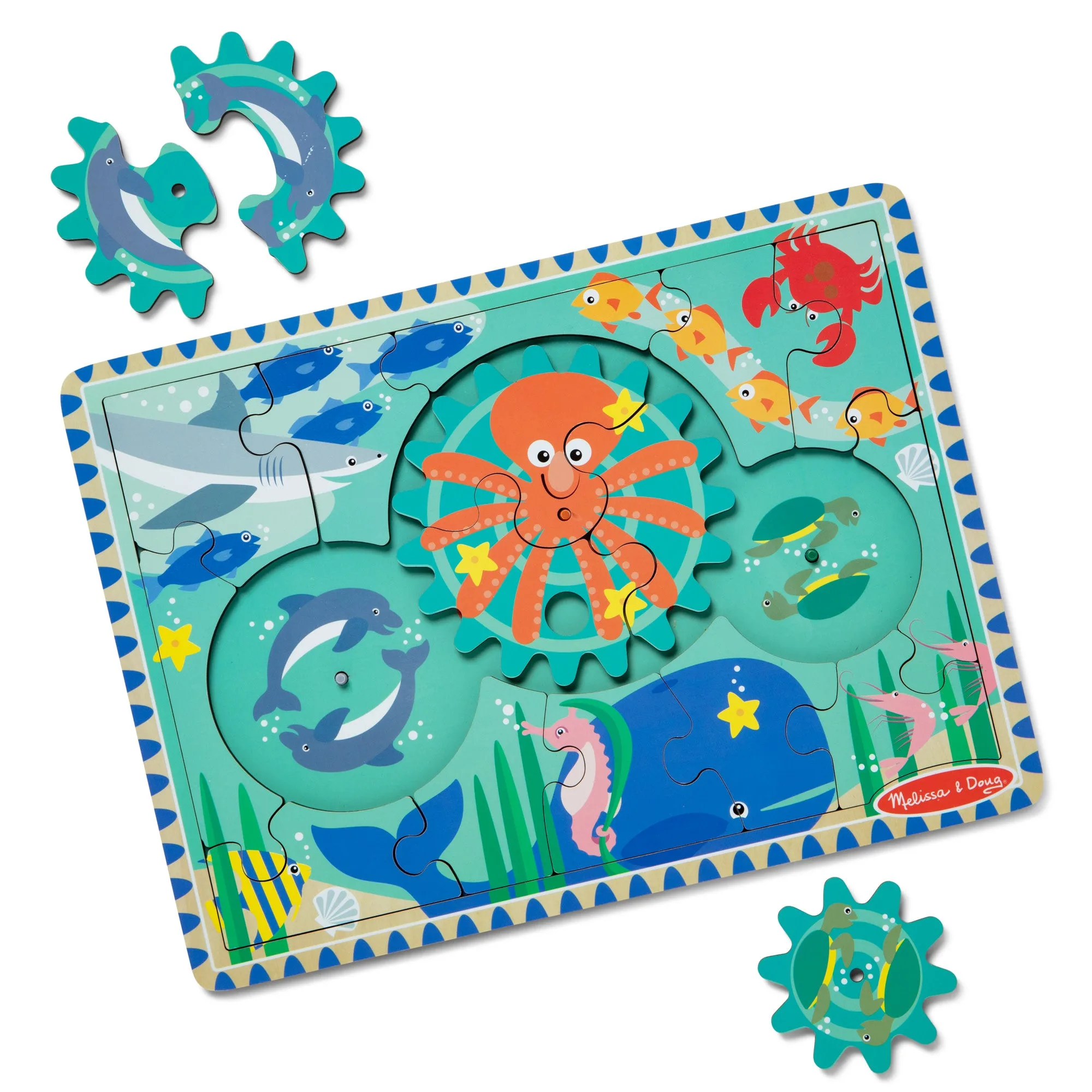
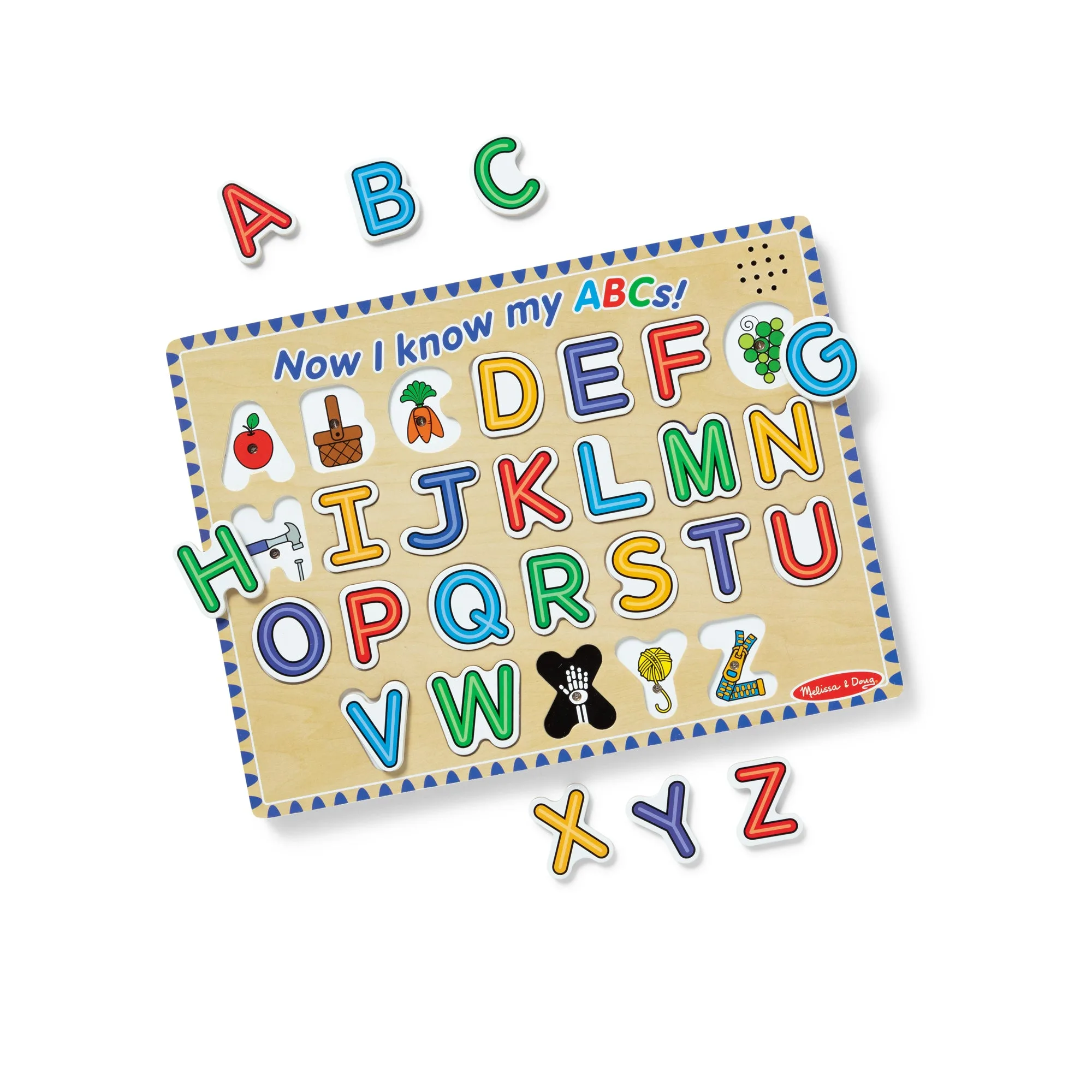
The most obvious difference between wooden and cardboard puzzles is how they hold up. Wooden puzzles, like the Melissa & Doug Safari Chunky Puzzle, feature extra-thick pieces that can survive drops, throws, and the occasional stomp. Cardboard puzzles, especially thin ones, bend, tear, or lose their shape after a few rough sessions. For toddlers who are still developing fine motor control, that durability matters.
A wooden puzzle can last through multiple children and even be handed down to younger siblings. Cardboard puzzles often end up in the recycling bin after a few months. If you plan to keep toys for years or resell them later, the higher upfront cost of wood can pay off.
- Check for chunky, easy-to-grasp pieces—they're more durable and easier for small hands.
- Look for puzzles with matching pictures under the pieces; they help kids self-correct and extend play value.
Play Value: More Than Just a Puzzle
Wooden puzzles often double as pretend-play props. For example, the Safari Chunky Puzzle pieces stand upright, so kids can create animal scenes beyond the puzzle board. Similarly, the Unicorn Chunky Puzzle features five unicorns in different colors and poses that are perfect for imaginative play. This extends the toy's usefulness far beyond puzzle-solving.
Cardboard puzzles are typically one-dimensional—once the puzzle is done, the play is over. Wooden puzzles offer open-ended play that grows with your child. That versatility adds value that isn't obvious from the price tag alone.
- Encourage your child to use puzzle pieces as characters in stories.
- Rotate puzzles to keep them fresh; wooden pieces handle frequent use better.
Safety and Materials: Why Wood Can Cost More
Wooden puzzles are often made from responsibly sourced materials. For instance, the Safari Chunky Puzzle is certified by the Forest Stewardship Council (FSC), meaning the wood comes from responsibly managed forests. This certification adds to the cost but gives eco-conscious parents peace of mind.
Wooden toys also avoid the thin, sharp edges that cardboard can develop when bent. The sturdy construction reduces the risk of choking hazards from broken pieces. While cardboard puzzles are generally safe, wooden puzzles offer a more robust design that can withstand rigorous play without breaking into small parts.
- Look for FSC certification if sustainability is important to you.
- Inspect wooden puzzles for splinters or rough edges before giving them to a child.
When Wooden Puzzles Are Not Worth It
There are situations where the extra cost doesn't make sense. If your child is still in the mouthing stage (under 2), they might chew on the pieces, and while wood is durable, it's not indestructible. Also, if you're on a tight budget and need to stretch every dollar, a cardboard puzzle can provide similar cognitive benefits at a fraction of the cost.
Another consideration: if you're buying for a child who shows little interest in puzzles, starting with a cheaper option might be wise. You can always upgrade to a wooden puzzle once you see they enjoy the activity.
- For babies under 18 months, consider a simple wooden pull toy instead of a puzzle.
- If budget is a concern, start with one wooden puzzle and see how it's received.
The Trade-Offs at a Glance
- Upfront Cost vs. Longevity: Wooden puzzles cost 2-3 times more than cardboard, but they last for years and can be passed down. If you plan to keep toys for multiple kids, wood wins.
- Play Value vs. Simplicity: Wooden pieces often double as toys, offering more creative play. Cardboard puzzles are usually just puzzles. For open-ended play, wood is worth the extra.
- Eco-Certification vs. Budget: FSC-certified wood adds cost but supports responsible forestry. Cheaper options may not offer this. Choose wood if sustainability is a priority.
Product Facts: What You're Paying For
- Safari Chunky Puzzle - 8 Pieces: Eight easy-grasp, chunky wild-animal pieces have full-color matching pictures underneath. The animal pieces stand upright for pretend play. This product is certified by the Forest Stewardship Council. You're not just getting a puzzle; you're getting a durable, eco-friendly toy that supports pretend play and self-correction.
- Unicorn Chunky Puzzle – 6 Pieces: Easy-to-grasp extra-thick pieces in a vibrant rainbow of colors. Features five unicorns in different colors, patterns, and poses, plus a rainbow piece, all of which stand for pretend play and fit on a sturdy wooden puzzle board. The thick pieces are built to last, and the stand-up design adds extra play value beyond the puzzle itself.
Who Should Buy Wooden Puzzles?
Best for
- Parents who want a durable toy that can be passed down to younger siblings
- Families that value eco-friendly, responsibly sourced materials
- Children who enjoy pretend play and will use puzzle pieces beyond the board
Not for
- Budget-conscious shoppers who need to minimize upfront costs
- Babies under 18 months who are still mouthing toys heavily
- Kids who show little interest in puzzles and might abandon them quickly
Wooden puzzles are a solid investment for most families, offering durability, safety, and extended play value that justify the higher price. But they're not the right choice for every situation. Assess your child's age, play habits, and your budget, and you'll know whether to spring for wood or save with cardboard. Either way, puzzles are a great way to support your child's development.