Quick answer
Wooden toys can be worth the money if you value open-ended play, durability, and timeless design. They often cost more upfront than plastic alternatives, but many families find they last longer and get passed down. The key is matching the toy to your child's interests and your budget.
If you've ever stood in a toy aisle debating between a bright plastic gadget and a simple wooden puzzle, you're not alone. The price difference can be striking, and it's fair to wonder: are wooden toys really worth it, or are you just paying for a trend?
In this article, we'll bust some of the most common myths about wooden toys—from cost and durability to play value—using real product examples. By the end, you'll have a clearer idea of whether wooden toys make sense for your family.
Myth: Wooden toys are always more expensive
It's true that many wooden toys have a higher sticker price than mass-produced plastic toys. But that's only part of the story. When you look at cost per year of play, wooden toys often come out ahead because they tend to be more durable and can be handed down to siblings or friends. A well-made wooden toy can last through multiple children, while cheaper plastic toys may break or be outgrown quickly.
Consider the Tenderleaf Tool Bench at USD 84.00 (compared to USD 167.99). It's an investment, but it's built from 19 pieces including a removable drill, circular saw, and working vice. That's a lot of play value packed into one toy, and its solid construction means it can withstand years of hammering and sawing.
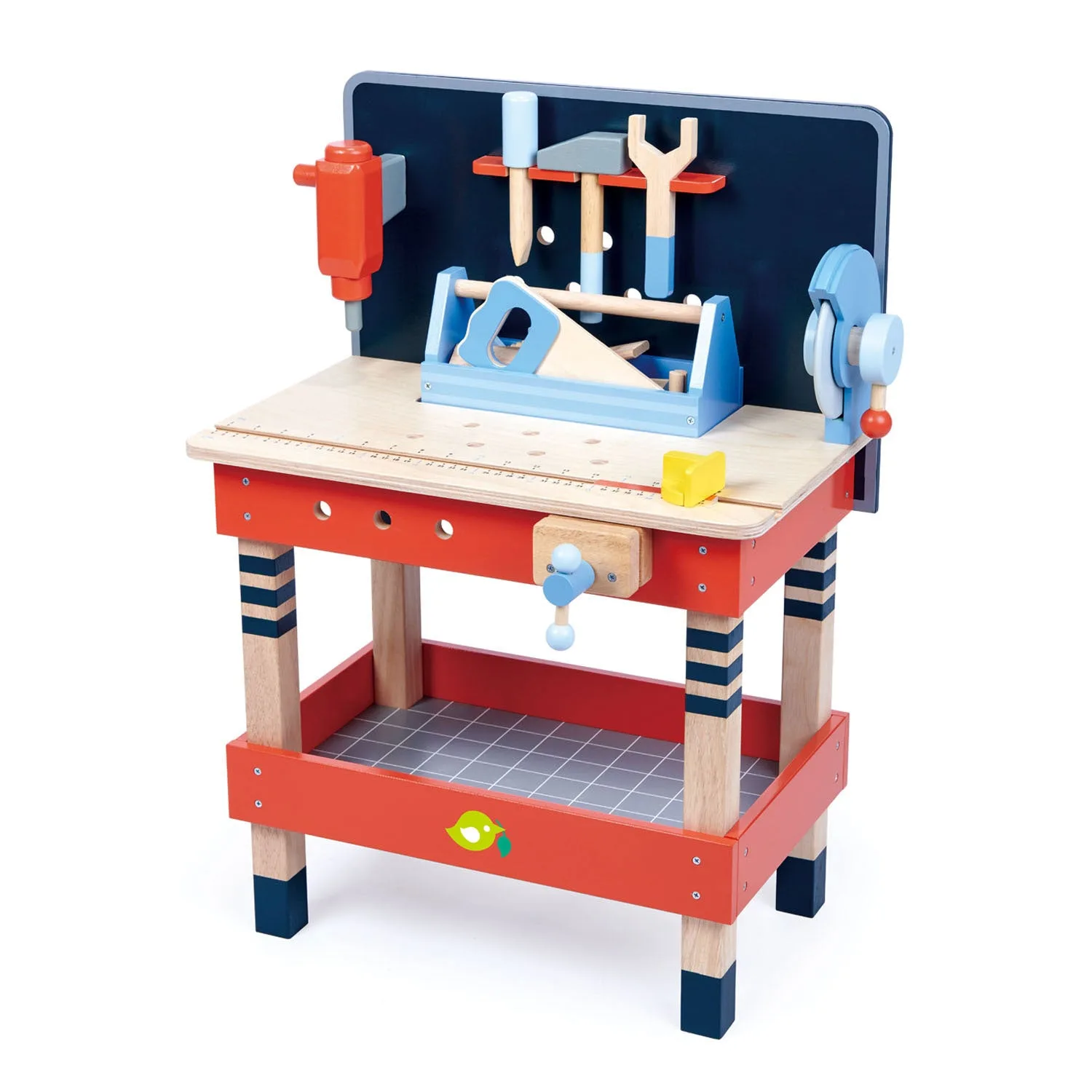
Tenderleaf Tool Bench
- Calculate cost per year: divide the price by the number of years you expect it to last.
- Look for toys that grow with your child, like construction sets that can be rebuilt.
Myth: Wooden toys are boring and limited
Some parents worry that wooden toys don't offer the same excitement as flashing, beeping plastic toys. But many wooden toys are designed for open-ended play, which actually sparks more creativity. Instead of a toy that does one thing, wooden toys often encourage children to imagine and build.
Take the Courtyard Blocks: 34 coloured and different shaped blocks that let kids construct endless garden scenes. There's no right or wrong way to play, so the toy adapts to your child's growing imagination. A canvas drawstring bag is included for easy storage and transport, making it easy to bring the fun along.
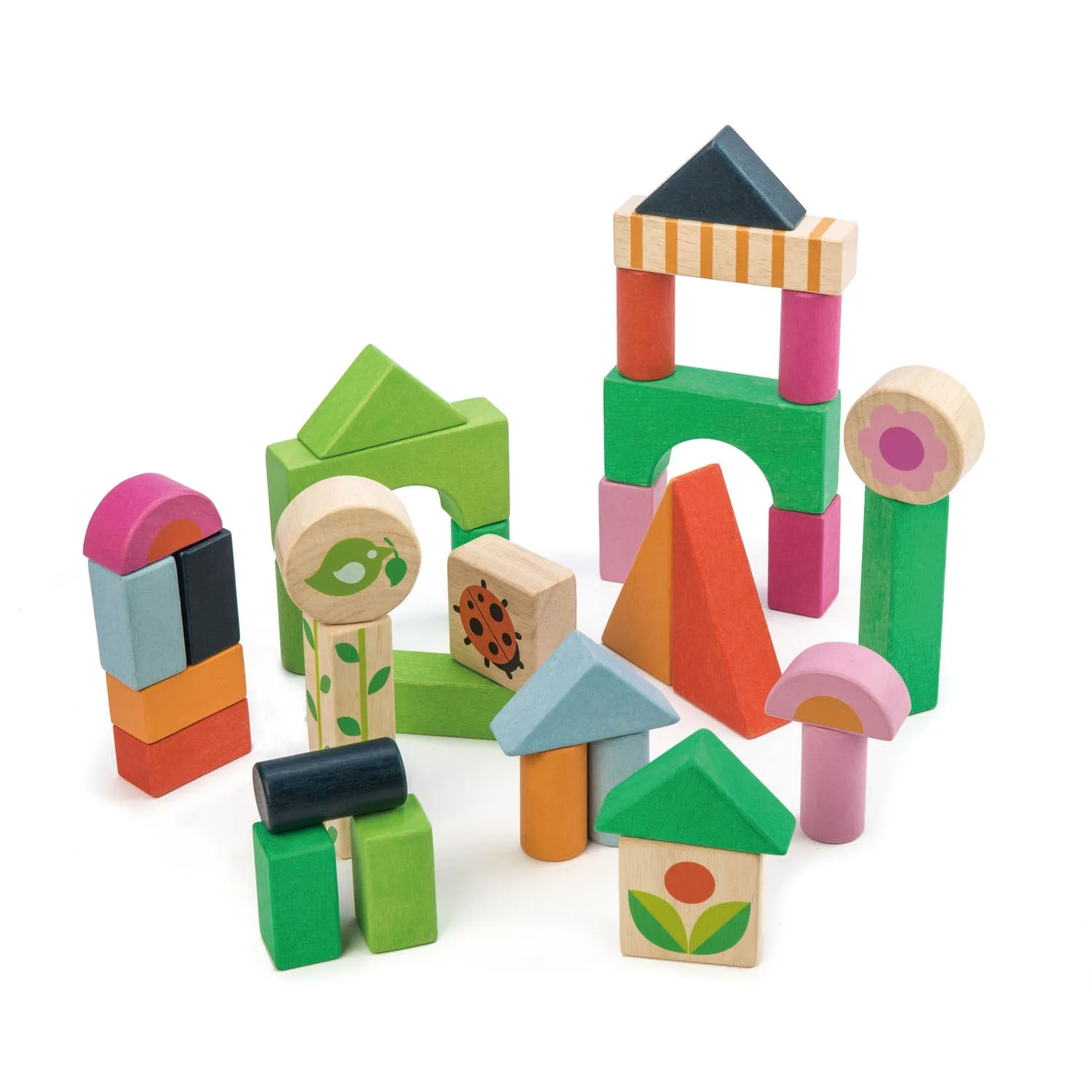
Courtyard Blocks
- Open-ended toys often hold attention longer because they can be used in many ways.
- Look for sets with multiple pieces that can be combined and reconfigured.
Myth: Wooden toys are not durable
Actually, the opposite is often true. High-quality wooden toys are built to last, and many are designed with solid wood and non-toxic finishes. They can handle rough play and still look good enough to pass down. Plastic toys may crack or fade, but wood tends to age gracefully.
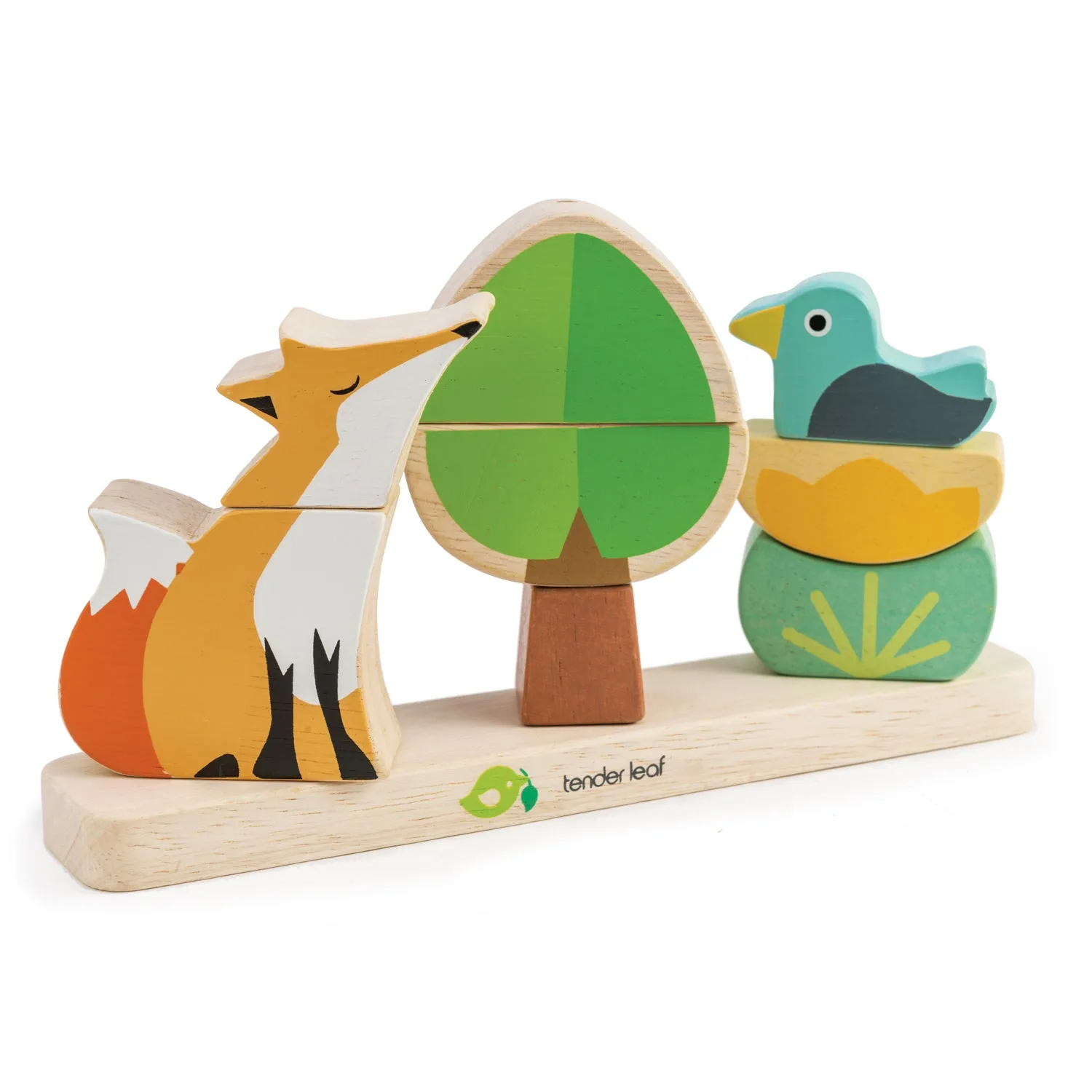
The Foxy Magnetic Stacker is a great example: eight magnetic wooden pieces including a fox, duck, and a three-piece tree. The magnetic connections make it easy for little hands to build, and the sturdy pieces can withstand repeated use. It's a first puzzle that helps develop matching and shape recognition, and it's built to last.
- Check for solid wood construction rather than particleboard.
- Magnetic pieces can be more forgiving for toddlers who are still mastering coordination.
Myth: All wooden toys are the same
Not all wooden toys are created equal. The design, craftsmanship, and included features vary widely. Some are simple blocks, while others are intricate playsets with moving parts. The value comes from how well the toy matches your child's developmental stage and interests.
For example, the Musical Table is a full forest symphony with a xylophone, mushroom bell tops, tree trunk drums, a birdie whistle, butterfly wings, and more. It's a complex, multi-sensory toy that offers a lot of different ways to play. At USD 65.00 (compared to USD 129.99), it's a substantial piece, but it's packed with features that can engage a child for years.
- Read the product description carefully to understand what's included.
- Consider whether the toy offers multiple ways to play or just one.
Myth-busting verdicts
- Wooden toys cost more upfront: True, but the cost per year of play can be lower if the toy lasts and is passed down. Verdict: Often worth it for long-term value.
- Wooden toys are less fun: False. Open-ended design often leads to more creative play and longer engagement. Verdict: Busted—wooden toys can be highly engaging.
- Wooden toys are fragile: False. Quality wooden toys are durable and can withstand rough play. Verdict: Busted—look for solid wood construction.
- All wooden toys are basically the same: False. Features, complexity, and play value vary widely between products. Verdict: Busted—research before you buy.
Real examples: what you get for your money
- Foxy Magnetic Stacker: Features 8 magnetic wooden pieces consisting of foxy, duck and a three piece tree. Magnetic pieces are easier for toddlers to connect, reducing frustration and making it a great first puzzle for developing matching and shape recognition skills.
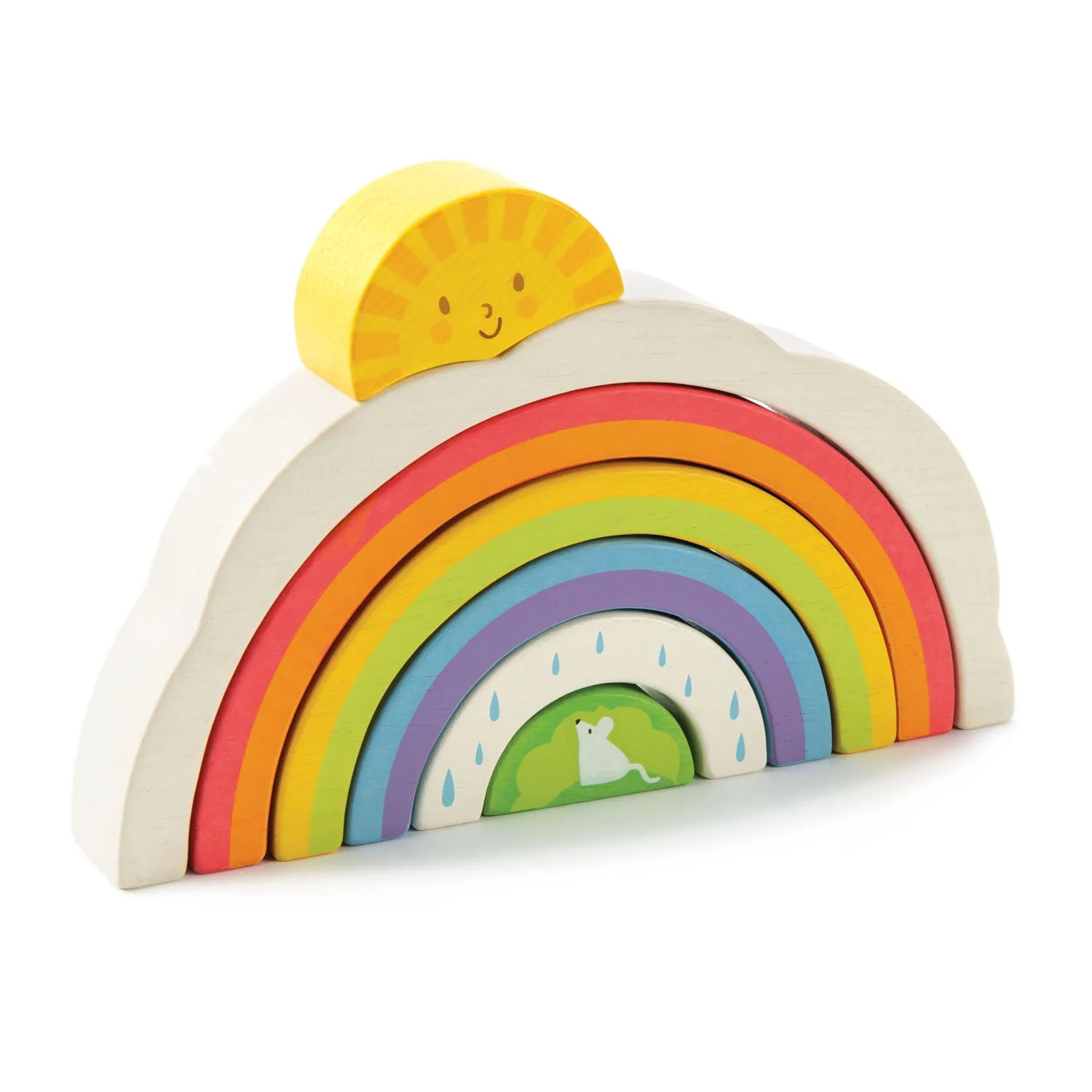
- Rainbow Tunnel: Stack these tunnel pieces together to make a real rainbow! A great first puzzle for your toddler to develop their matching skills, size and color recognition. This toy combines stacking, color recognition, and size sequencing in one simple activity, offering strong developmental value at an accessible price.
- Musical Table: Compose a forest symphony! Musical notes roll off the xylophone and the mushroom bell tops jingle as you hit them with your acorn stick - one ringing with the bright chime of metal, the other resonating with the soft knock of wood. Multiple instruments in one table means varied sensory experiences and extended play, making it a centerpiece toy that can justify its higher price.
- Space Race: Part of our Rocket Construction range, these futuristic space vehicles are made from three parts each so that they can be deconstructed and rebuilt into whacky racers. The ability to deconstruct and rebuild adds a engineering challenge that grows with your child, increasing the toy's longevity and play value.
Wooden toys aren't a magic bullet, but for many families they offer real value through durability, open-ended play, and timeless appeal. If you're considering a purchase, focus on toys that match your child's interests and offer multiple ways to play—like the ones we've highlighted. That way, you can feel confident that your money is well spent.