Quick answer
For acne-prone skin, squalane oil is the lighter, more universally tolerated choice, while argan oil offers richer nourishment and may better support scar healing. Your final pick depends on your skin's oiliness and whether acne scars are a primary concern.
Texture and absorption: why it matters for acne-prone skin
Acne-prone skin often benefits from lightweight, non-greasy hydration that won't sit heavy on the surface. Squalane oil is known for mimicking your skin's natural oils, which helps it absorb quickly and feel less greasy. Argan oil is richer and more emollient, making it better suited for drier skin types or for use as a nourishing night treatment.
If you have very oily or combination skin, a lighter oil like squalane may feel more comfortable. If your skin leans dry or you're dealing with flakiness from acne treatments, argan oil's higher fatty acid content can provide deeper moisture.
Acne scars and skin barrier support
Both oils support a healthy skin barrier, but they do so in different ways. Argan oil is rich in vitamin E and antioxidants, which can help support skin repair and may be beneficial for post-acne marks. Squalane oil is a natural antioxidant and emollient that helps maintain a youthful, healthy complexion without clogging pores.
If your main goal is to fade acne scars while keeping breakouts in check, argan oil's nutrient profile makes it a strong contender. If you're more concerned about preventing new breakouts and maintaining balanced hydration, squalane is the safer bet.
How to choose: trade-offs to consider
- Skin type: oily vs. dry: Choose squalane oil if your skin is oily or easily congested, because it is lighter and less likely to feel greasy. Choose argan oil if your skin is dry or flaky, because its richer fatty acids provide deeper moisture. Match the oil weight to your skin's current oiliness level.
- Primary concern: scars vs. breakouts: If fading acne scars is a top priority, argan oil's vitamin E and antioxidant content may support skin repair. If preventing new breakouts is more important, squalane oil's non-greasy hydration is less likely to clog pores. Prioritize scar support with argan oil, or breakout prevention with squalane oil.
- Usage context: day vs. night: Use squalane oil in your morning routine for a lightweight base under moisturizer or makeup. Use argan oil at night as a nourishing treatment, especially if your skin feels tight or dry. Layer the oils according to your skin's needs throughout the day.
Product facts at a glance
-
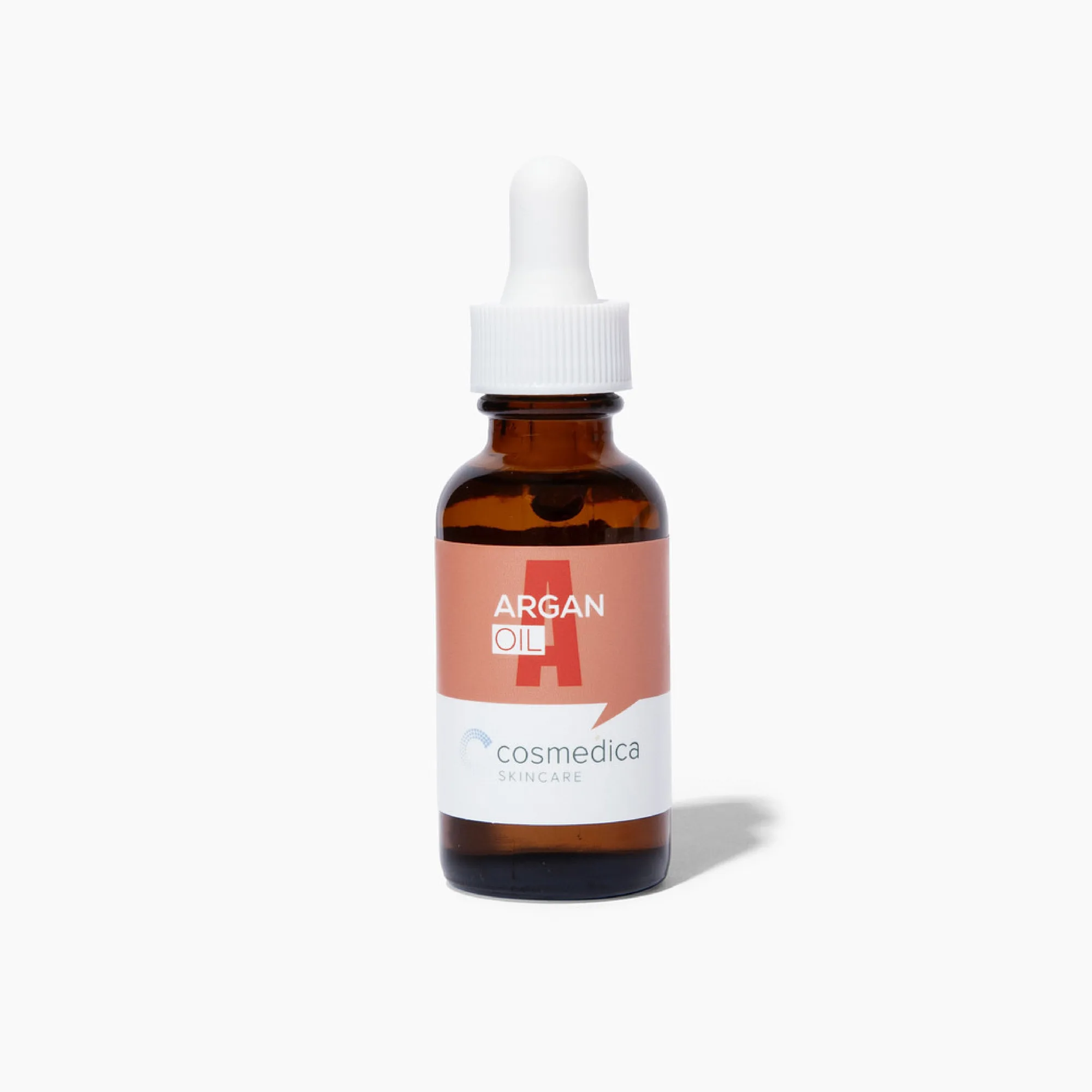
Argan Oil: 100% pure argan oil, rich in vitamin E and fatty acids, provides moisturizing and softening benefits. The higher fatty acid content makes argan oil a more nourishing option for dry or irritated skin, and the vitamin E can support the look of acne scars.
Argan Oil
-
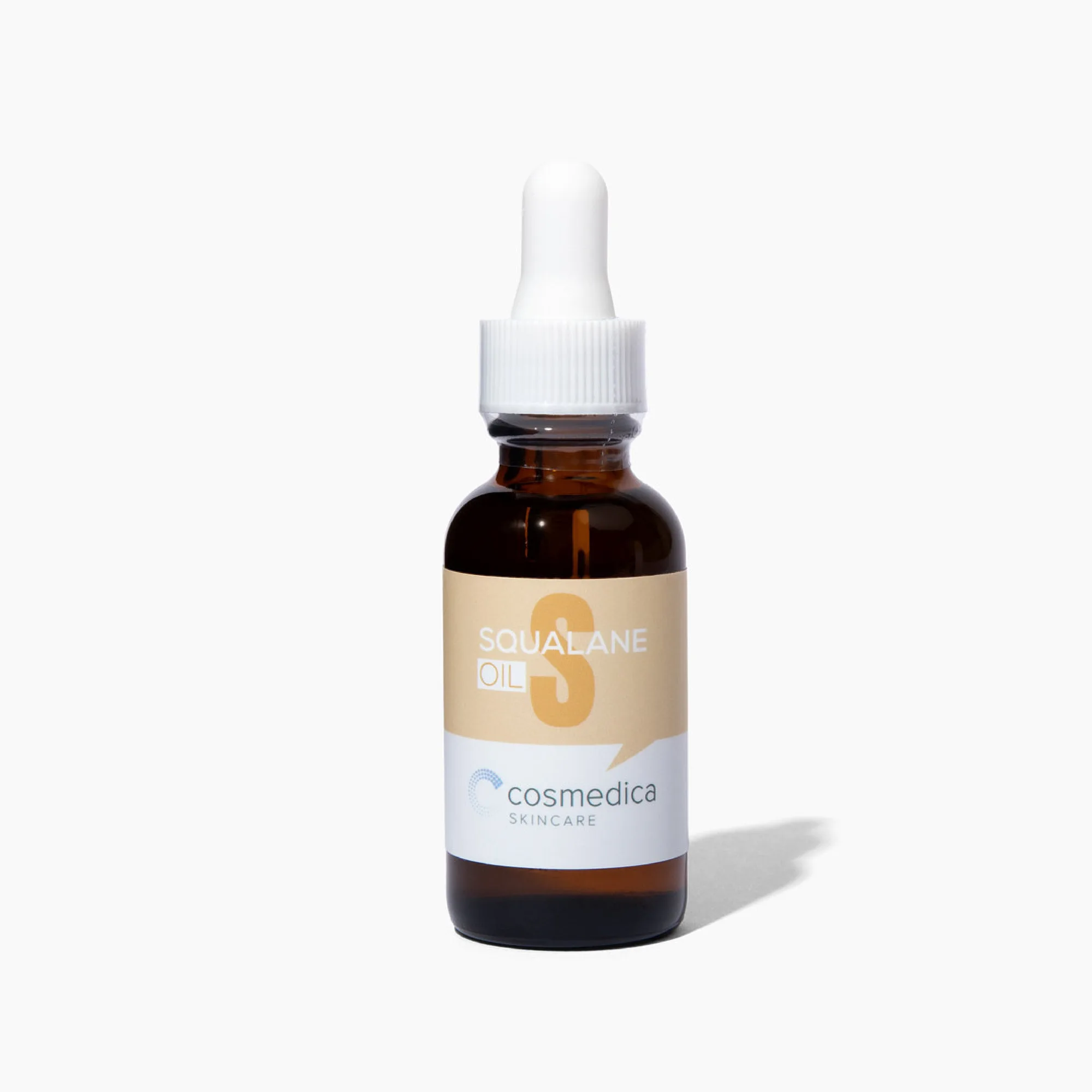
Squalane Oil: 100% pure squalane oil derived from olives, a lightweight, non-greasy emollient that mimics skin's natural oils. Its lightweight, non-greasy texture absorbs quickly, making it ideal for oily and acne-prone skin that needs hydration without heaviness.
Squalane Oil
Which oil fits you?
Best for
- Oily and combination acne-prone skin that wants lightweight, non-greasy hydration
- Those who prefer a fast-absorbing oil that mimics the skin's natural sebum
Not for
- Very dry or flaky skin that needs richer nourishment
- Those specifically targeting acne scars with a more nutrient-dense oil