Quick Answer
Hanafuda cards use flower and animal symbols to represent the twelve months of the year. Each suit has a specific meaning tied to Japanese culture and seasons. Understanding these symbols not only enriches your appreciation of the game but also helps you quickly recognize cards during play.
Hanafuda, meaning 'flower cards,' is a traditional Japanese card game known for its beautiful, intricate artwork. Each card features a specific flower or plant associated with a month, along with additional elements like animals, poems, or other motifs. For newcomers, the symbolism can seem cryptic, but learning to read these images unlocks a deeper understanding of the game's rhythm and strategy.
In this guide, we'll walk through the meanings behind each suit, how to identify key cards at a glance, and how this knowledge can improve your gameplay. Whether you're a seasoned player or just starting with a deck of hanafuda cards, this visual tour will make you fluent in the language of flowers.
The Twelve Suits: A Calendar in Cards
Hanafuda decks consist of 48 cards divided into 12 suits, each representing a month of the year. The suits are named after the flower or plant that blooms in that month, from pine (matsu) in January to chrysanthemum (kiku) in December. This calendar structure is not just decorative; it dictates the scoring combinations and the flow of many hanafuda games.
Each suit has four cards, with different point values based on the complexity of the artwork. The simplest cards feature only the flower, while the highest-scoring cards include animals, birds, or even the moon. Recognizing these distinctions is essential for calculating scores and making strategic decisions about which cards to collect.
Key Symbols and Their Meanings
Beyond the flowers, hanafuda cards feature a variety of symbolic elements. For example, the January suit includes a crane, a symbol of longevity and good fortune in Japanese culture. The August suit features the moon, representing beauty and the changing of seasons. The October suit shows a deer, which is often associated with solitude and nature.
Understanding these symbols helps you remember which cards belong to which month and what special scoring combinations they might form. For instance, the 'bright' cards (hikari) are the most valuable and typically feature the sun, moon, or a phoenix. Learning to spot these at a glance can give you a competitive edge.
- January: Pine, crane, sun – symbolizing longevity and good luck.
- March: Cherry blossom, curtain – evoking spring and celebration.
- August: Pampas grass, moon – representing the beauty of autumn nights.
How to Use Symbol Knowledge in Gameplay
Knowing the meanings and groupings of hanafuda symbols can help you predict which cards opponents might be collecting. For example, if you see a player picking up multiple cards from the same month, they might be aiming for a specific combination. This awareness allows you to block their progress or adjust your own strategy.
Additionally, many hanafuda games feature special combinations called yaku, which require specific cards from certain months. Memorizing these combinations becomes easier when you associate them with the visual themes. For instance, the 'Four Brights' combination requires the four special bright cards, which are easy to spot once you know their symbols.
Steps to Master Hanafuda Symbol Recognition
- Learn the Month-Flower Pairings: Start by memorizing which flower corresponds to each month. Create flashcards or use a reference sheet. Practice by sorting a deck by month. Checkpoint: Can you name the flower for each month without looking? If not, keep drilling.
- Identify the Point Values: Each suit has one card worth 20 points (the animal/bright card), one worth 10 (the ribbon card), and two worth 1 (plain cards). Learn to spot the high-value cards quickly. Checkpoint: When you flip a card, can you instantly say its point value? Practice with a shuffled deck.
- Recognize Special Cards: Memorize the five 'bright' cards and the nine 'animal' cards. These are the most important for scoring combinations. Checkpoint: Test yourself by finding all five brights in a shuffled deck within 30 seconds.
- Understand Symbolic Meanings: Research the cultural significance of each flower and animal. This deepens your connection to the game and aids memory. Checkpoint: Explain the symbolism of three suits to a friend. If you can, you're ready.
- Play Regularly: The best way to internalize the symbols is to play. Start with simple games like Koi-Koi and gradually add more complex rules. Checkpoint: After a few games, you'll find you no longer need to reference the chart.
Related Products
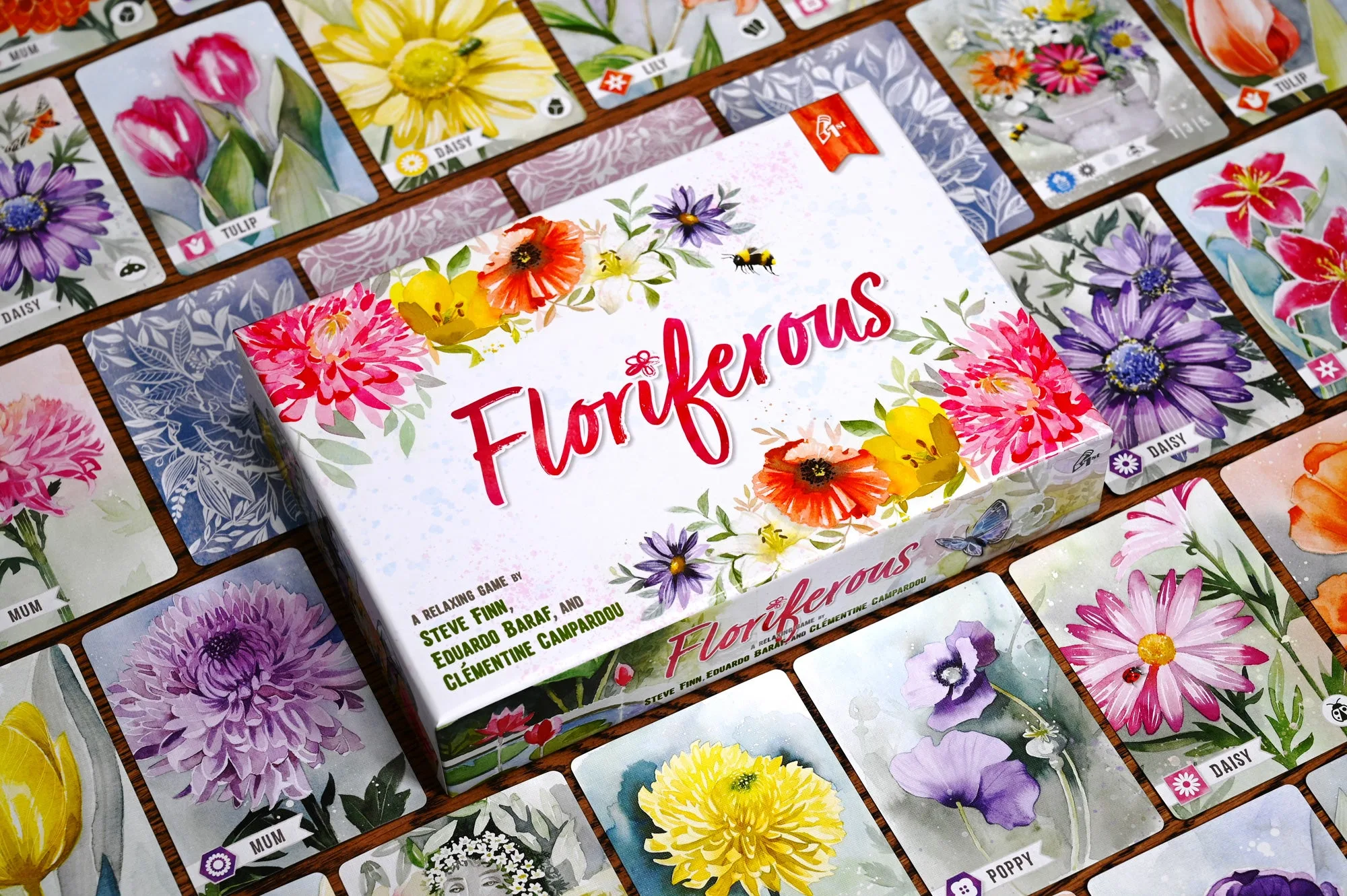
- floriferous-bundle-628719ec265da9a346f029e3-1021863">Floriferous + Expansion Bundle: This bundle includes both the base Floriferous game and the Early Spring Mini-Expansion. Players: 1-4, Playing Time: 20 Min, Ages: 14+. Explore a garden of colorful flowers as you pick arrangements. If you enjoy the nature-themed art of hanafuda, Floriferous offers a similar aesthetic with a relaxing solo or multiplayer experience.
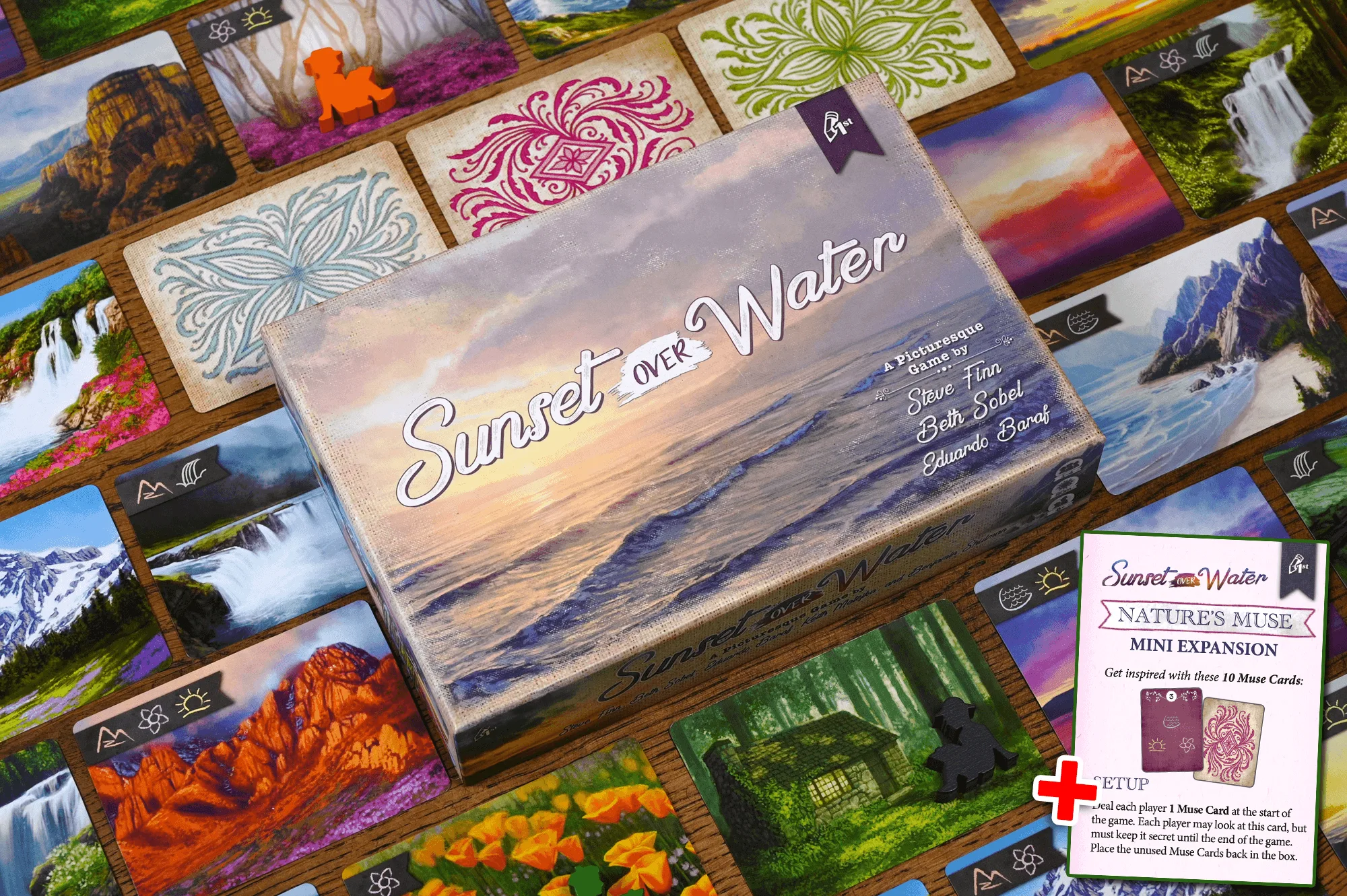
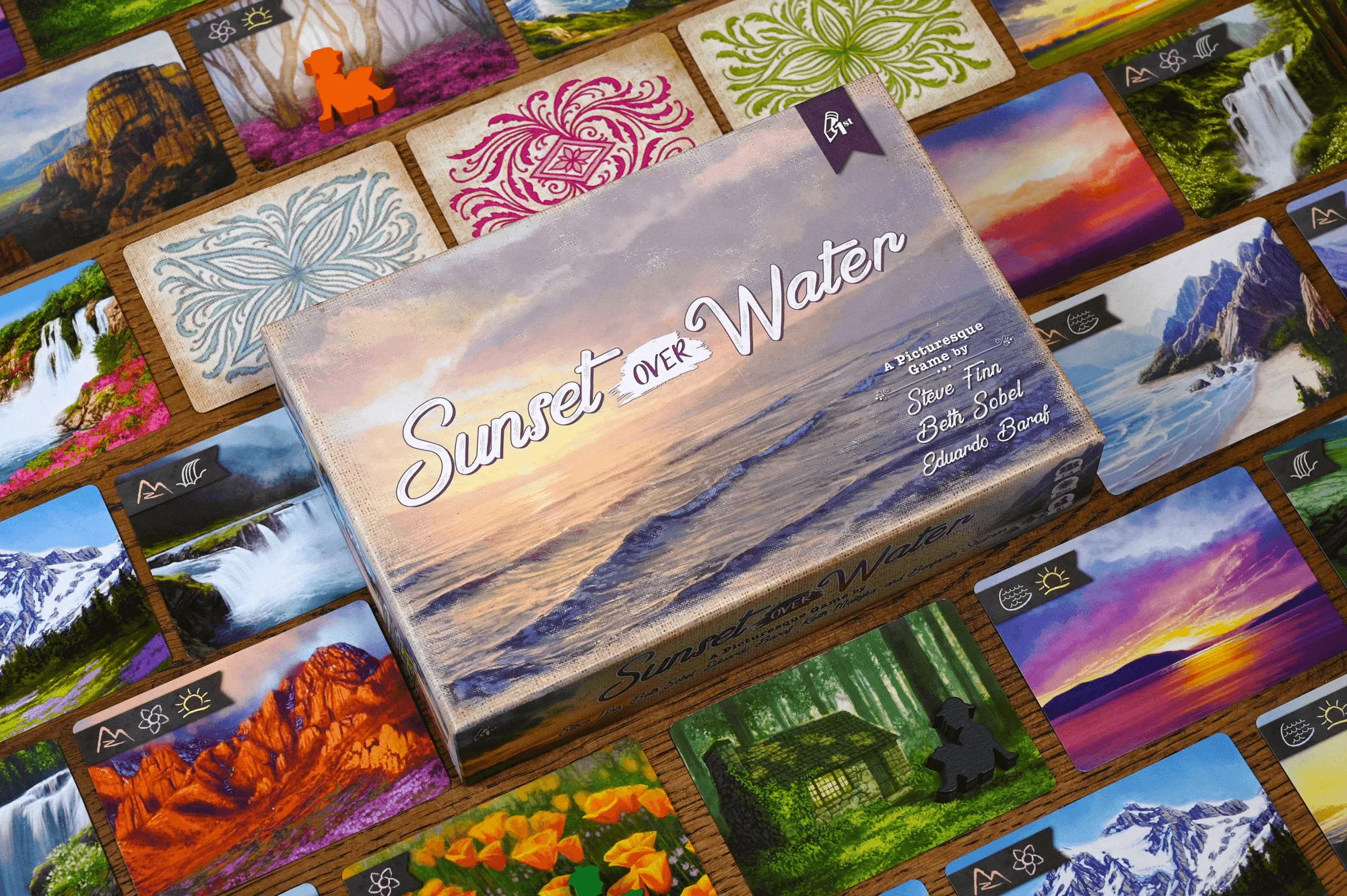
- https://pencilfirstgamesbuz.com/products/sunset-over-water-bundle-929abc57a7b7ba56e854cf61-1021860Sunset Over Water + Expansion Bundle: This bundle includes both Sunset Over Water and the Nature's Muse Mini Expansion. Players: 1-4, Playing Time: 20 Mins, Ages: 8+. Paint beautiful landscapes through forests, meadows, and mountains. For those who appreciate the artistic side of card games, this painting-themed game provides a different way to enjoy scenic artwork.
Understanding hanafuda symbols transforms the game from a simple card-matching activity into a rich cultural experience. By learning the meanings behind each suit, you'll not only improve your gameplay but also gain a deeper appreciation for Japanese art and tradition. So pick up a deck, study the cards, and let the flowers guide you.