Quick answer
Art prints are made with thicker, often textured paper and pigment inks for deeper color and longer display life. Posters use lighter paper and faster printing for a lower price. Buy art prints for rooms where you'll look closely and keep the piece for years; buy posters for bold, affordable impact and easy rotation.
Walk into any game room and you'll see both: a crisp art print framed above a desk and a poster taped near a shelf. They can show the same character, but they're made differently. That difference shows up in how they feel, how they age, and what they cost.
This comparison breaks down the real trade-offs between art prints and posters so you can pick the right one for your wall, your budget, and how long you plan to keep it.
Paper and ink: the core difference
Art prints typically use heavier paper, sometimes with a textured or matte surface, and pigment-based inks that resist fading. Posters usually use lighter paper and faster printing methods. That's why an art print can feel substantial in your hand while a poster feels closer to a magazine page.
The practical result: art prints hold fine detail and deep color better over time, while posters are built for bold graphics and lower cost. Neither is 'wrong'—they just serve different goals.
- Hold the paper: if it flops easily, it's likely poster stock; if it has some stiffness, it's closer to print stock.
How to judge quality before you buy
Since you can't always touch the paper online, look for clues. Descriptions that mention paper weight, finish, or ink type are a good sign. If a listing only says 'high quality,' treat that as marketing, not a spec.
For licensed merchandise like the items at Sanshee, quality also means accurate colors and clean edges on the artwork. A pin or plush can help you judge a brand's attention to detail—if the small stuff is sharp, the prints likely are too.
- Check the return policy: if the paper isn't described, you'll want the option to send it back.
Display and care: what each format needs
Art prints benefit from framing with a mat, which keeps the surface off the glass and prevents condensation. Posters can be framed too, but many people pin or tape them—just know that tape can stain or tear lighter paper over time.
For both, keep them out of direct sun. Even fade-resistant inks will shift after years of bright light. If you're rotating posters seasonally, store them flat or rolled in a tube, not folded.
- Use archival tape or magnetic strips instead of standard tape to avoid residue.
Cost and value over time
Posters win on upfront price. You can buy several for the cost of one framed art print. But art prints often hold up better, so you replace them less often. If you like changing your wall every few months, posters are the practical choice.
If you're building a collection around a favorite game, mixing both works: a poster for a quick seasonal display and an art print for the piece you'll keep long term.
- Set a budget per wall, not per item—it's easier to balance a poster splurge with a print investment.
Trade-offs at a glance
- Paper weight: Art prints use heavier stock; posters use lighter stock. Choose prints if you want a substantial feel; posters if you want low cost.
- Ink longevity: Pigment inks in art prints resist fading longer than typical poster inks. For a sunny room you plan to keep unchanged, lean toward art prints.
- Framing needs: Art prints benefit most from matting and framing; posters can be pinned or taped. Budget for a frame if you buy a print; posters are more flexible.
- Rotating displays: Posters are easier to swap out frequently without guilt over cost. If you change decor often, posters are the practical pick.
Collectibles that pair with wall art
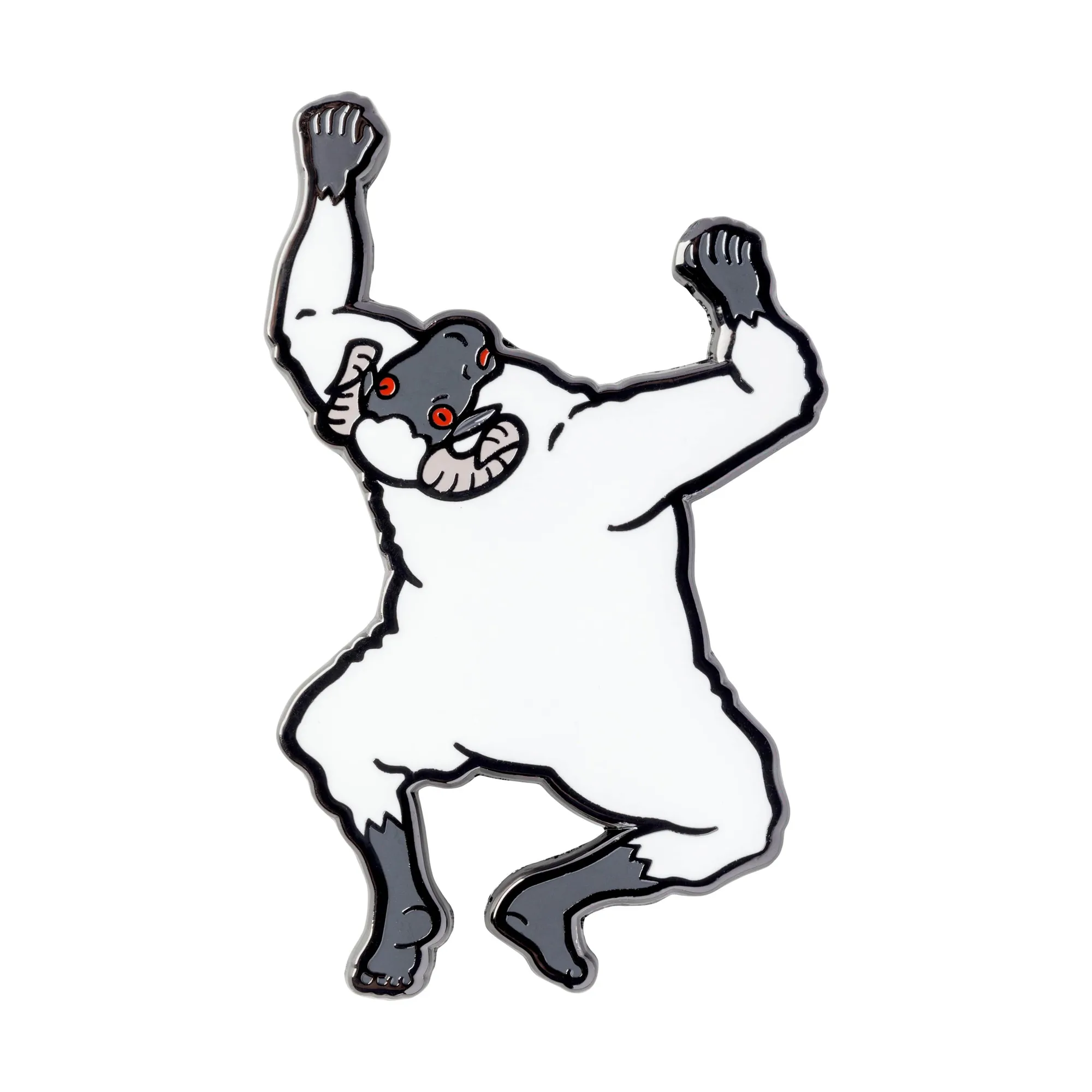
- Catherine: Full Body - Clinging Sheep Pin: Pin is approximately 2 inches tall and 1.25 inches wide, officially licensed by Atlus. A small, officially licensed pin can sit on a shelf near your art or on a bag, tying your display together without needing more wall space.
- Terraria - Snow Biome Pin: Seventh pin in the official Terraria Biome Collection, with clear and glitter enamel detail. Collectible pins like this show how licensed art can be translated into a durable, small-format item—useful when you want the same visual theme as a print but in a different medium.
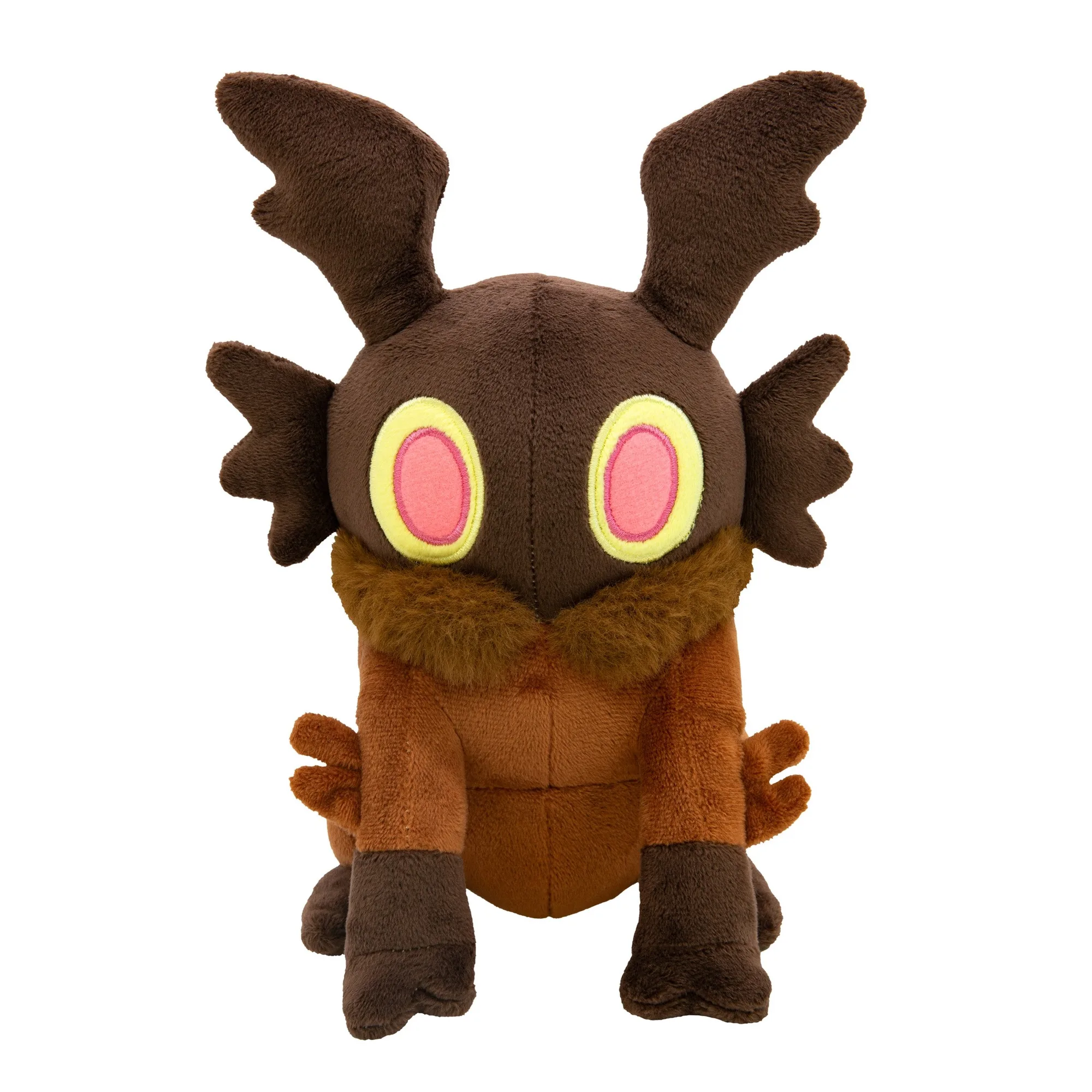
- Rain World - Brown Scavenger Plush: Officially licensed plush depicting a medium-sized quadruped with long forearms and shorter legs. A plush adds three-dimensional variety to a game-themed room, so your art prints and posters aren't the only visual element.
Which should you choose?
Best for
- Collectors who want a long-term display piece with deeper color and heavier paper.
- Rooms where you'll view the art up close, like a desk or reading nook.
Not for
- Shoppers who need the lowest possible price per piece.
- Anyone who likes to change wall art every few months and wants easy rotation.
Art prints and posters aren't rivals—they're tools for different jobs. Pick prints for the pieces you'll keep and look at daily; pick posters for bold, budget-friendly walls you can change with the season. Either way, keep them out of direct sun and you'll get more years from both.