Quick Answer
If you want the look of greenery without watering, pruning, or worrying about light, realistic artificial plants are a practical choice. If you value the natural benefits of live plants—like air purification and the joy of watching something grow—real plants are worth the effort. For many homes, a mix of both works best.
Adding greenery to your home instantly makes it feel more inviting, but the age-old question remains: should you go artificial or real? Each option has its own set of trade-offs, and the right choice depends on your lifestyle, decor goals, and how much time you can dedicate to plant care.
In this comparison, we'll break down the pros and cons of fake plants versus real plants, covering maintenance, cost, aesthetics, and health considerations. By the end, you'll know exactly which type of greenery fits your home best.
Maintenance: Time and Effort
Real plants demand regular attention: watering schedules, fertilizing, repotting, and ensuring they get the right amount of sunlight. If you travel often or have a busy schedule, keeping plants alive can become a chore. Some low-maintenance real plants, like succulents or snake plants, are more forgiving, but they still need occasional care.
Artificial plants, on the other hand, require virtually no upkeep. A quick dusting now and then is all they need to look fresh. This makes them ideal for those who want the visual appeal of plants without the commitment. However, some artificial plants can look obviously fake, so choosing realistic options is key.
- If you're new to plant care, start with low-maintenance real plants like pothos or ZZ plants—they tolerate neglect well.
- For artificial plants, place them out of direct sunlight to prevent fading over time.
Cost Over Time
Real plants typically have a lower upfront cost, but they can add up over time if you need to replace them due to neglect or seasonal changes. You'll also spend on pots, soil, fertilizer, and possibly pest control. However, many people find the process of nurturing a plant rewarding.
Artificial plants often have a higher initial price, especially realistic ones, but they last for years with zero ongoing costs. Consider them an investment in your decor. When you factor in the time saved and the lack of replacement costs, artificial plants can be more economical in the long run.
- Compare the upfront price of a realistic artificial plant to the cumulative cost of replacing real plants every few months.
Aesthetics and Realism
Real plants offer natural variation—each leaf is unique, and they grow and change over time. This organic beauty is hard to replicate. They also provide subtle movement when a breeze passes and can improve indoor air quality, a benefit that artificial plants cannot match.
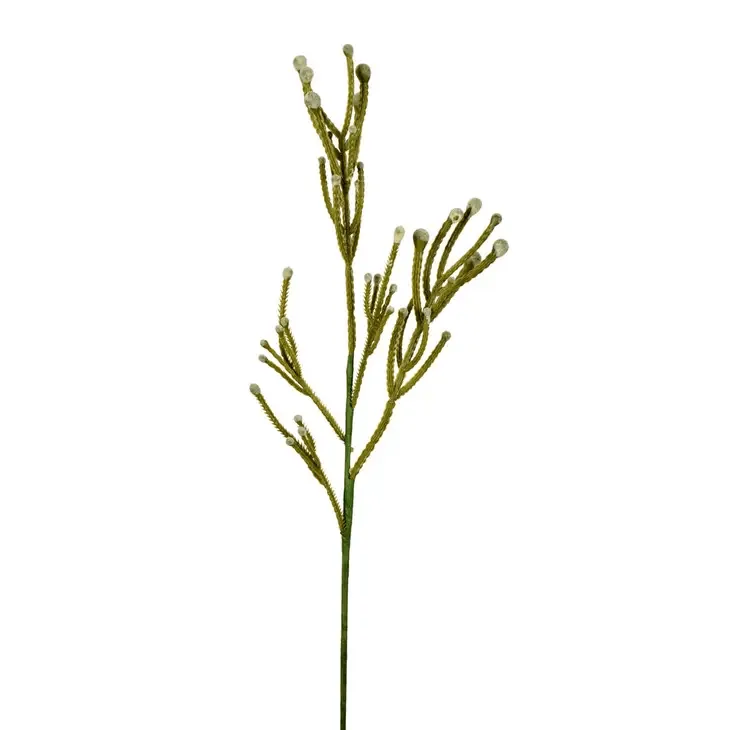
Artificial plants have come a long way. High-quality options now feature realistic textures, varied leaf shapes, and natural-looking stems. They can fill a dark corner where a real plant would struggle, and they never wilt or drop leaves. The key is to choose artificial plants that are designed to mimic their living counterparts closely.
- When shopping for artificial plants, look for ones with multiple shades of green and matte finishes—they look more natural.
Trade-Offs at a Glance
- Time Commitment: Real plants require regular watering, pruning, and light management. Artificial plants need only occasional dusting. Choose artificial if your schedule is unpredictable; choose real if you enjoy plant care as a ritual.
- Long-Term Cost: Artificial plants have a higher upfront cost but no ongoing expenses. Real plants may need replacement and supplies. Invest in quality artificial plants for lasting value; budget for real plant upkeep if you prefer the natural route.
- Visual Authenticity: Real plants offer natural growth and variation. High-quality artificial plants can look nearly identical but lack the living quality. If realism is paramount, opt for premium artificial plants or choose real plants that thrive in your space.
Related Products from Sweet Water Decor
- Merry and Bright Soy Candle - Red Matte Jar - 15 oz: Step into the festive spirit with our Merry and Bright Candle, a warm and inviting Christmas candle that fills your home with the comforting scents of the season. With fragrance notes of bayberry, clove, nutmeg, and cedar, this candle brings to life the cozy feeling of returning home after finding the perfect Christmas tree. Pair your greenery—real or artificial—with a seasonal candle to create a cozy, inviting atmosphere that engages multiple senses.
- Snow Covered Pines Soy Candle - Olive Matte Jar - 15 oz: Crisp fir and cypress blend with cool evergreen and soft amber to create a fresh, woodsy fragrance inspired by snow-covered pines. Our Fraser Fir scent captures the peaceful beauty of a winter forest, bringing the nostalgic aroma of fresh evergreens into your home for a cozy and welcoming holiday atmosphere. If you love the scent of fresh evergreens but prefer low-maintenance artificial plants, this candle delivers the fragrance without the need for a real tree or plant.
Which Should You Choose?
Best for
- Artificial plants are best for people with busy lifestyles, frequent travelers, or those who lack natural light.
- Artificial plants are also great for renters who want greenery without the commitment of maintaining a garden.
Not for
- Real plants are better for those who enjoy gardening and want the benefits of natural air purification.
- If you have pets, be cautious with real plants as some can be toxic; artificial plants are a safer alternative.
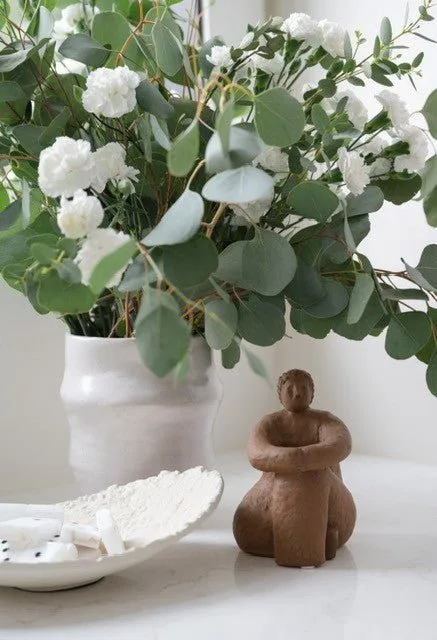
Ultimately, the choice between artificial and real plants comes down to your personal preferences and circumstances. Both can enhance your home's decor—artificial plants offer convenience and longevity, while real plants provide a living, breathing connection to nature. Consider mixing both to get the best of both worlds, and don't forget to pair your greenery with a cozy candle to complete the ambiance.