Quick answer
A 1/1 painted figure is literally one of a kind, so it's the rarest version of that specific sculpt. But 'rarest collectible' is a broader claim that confuses uniqueness with demand. A one-of-one hand-painted vinyl toy can be genuinely scarce and still sit unsold if few collectors want it, while a widely produced figure in high demand can be harder to acquire. Buy the piece you actually want to own, not the label.
The myth: one of one automatically means most valuable
The claim sounds airtight: if only one exists, nothing can be rarer. That's true about the object and false about the market. Rarity describes supply. Value depends on supply and demand together, and a 1/1 painted figure has a supply of exactly one buyer's worth of competition. If that single piece speaks to a small audience, its uniqueness doesn't create a bidding war.
This is why 'one of one collectible' gets used loosely as a value signal. It's a description of edition size, not a promise about resale. Treat it as a fact about the piece, not a forecast.
What actually makes a hand-painted figure scarce
Three things separate a genuinely scarce artist painted toy from a merely unique one. First, the artist: a named painter with a recognizable body of work carries context a no-name custom doesn't. Second, the base: a 1/1 painted over a widely available sculpt is still one of that sculpt, but the sculpt itself isn't rare. Third, the documentation: without a clear record of who painted it and that it's a one-off, uniqueness is hard to prove later.
None of these require a certificate or a grading service. They require knowing what you're looking at before you buy.
- Named artist with a traceable body of work
- Base sculpt that is itself limited or desirable
- Clear provenance: who painted it, when, and that it's a one-off
Where 1/1 pieces sit next to other collectibles
Edition size runs on a spectrum, and a 1/1 sits at one end. A standard-edition collectible card from a series like Toys on Tap is produced in larger numbers, so its scarcity comes from demand and condition rather than count. A mini rubber figure like a keshi is compact, tactile, and often collected in sets, so completeness matters more than any single piece being unique.
That doesn't make any format better. It means 'rare' means something different in each case, and comparing them by edition size alone is apples to oranges.
How to judge a 1/1 before you commit
Ask what you're actually paying for. If the answer is 'the only one,' check whether the base sculpt and the artist's name would interest you even if it weren't unique. If the answer is 'I like how it looks and who made it,' the uniqueness is a bonus rather than the whole thesis.
Also separate display value from investment value. A hand-finished piece is meant to be seen, and a one-off finish can be delicate. If you plan to handle it often, factor that in.
- Confirm the artist is named and the piece is genuinely a one-off
- Check whether the base sculpt is desirable on its own
- Decide if you'd still want it without the 1/1 label
Verdicts on common 1/1 claims
- Claim: a 1/1 is the rarest collectible, period.: It's the rarest version of that sculpt, not the rarest object in the hobby. Edition size of one describes supply only. Verdict: true about the piece, overstated as a market claim.
- Claim: hand-painted always means higher value.: Hand-painting adds a named artist and a one-off finish, but value needs demand. A known painter on a desirable base is the combination that holds up. Verdict: partly true. Artist and base matter as much as the paint.
- Claim: if it's one of one, you should buy it before someone else does.: Urgency is the weakest reason to buy a one-off. If you wouldn't want the piece without the 1/1 label, the label isn't doing the work. Verdict: false. Buy the piece, not the count.
Examples from the catalog
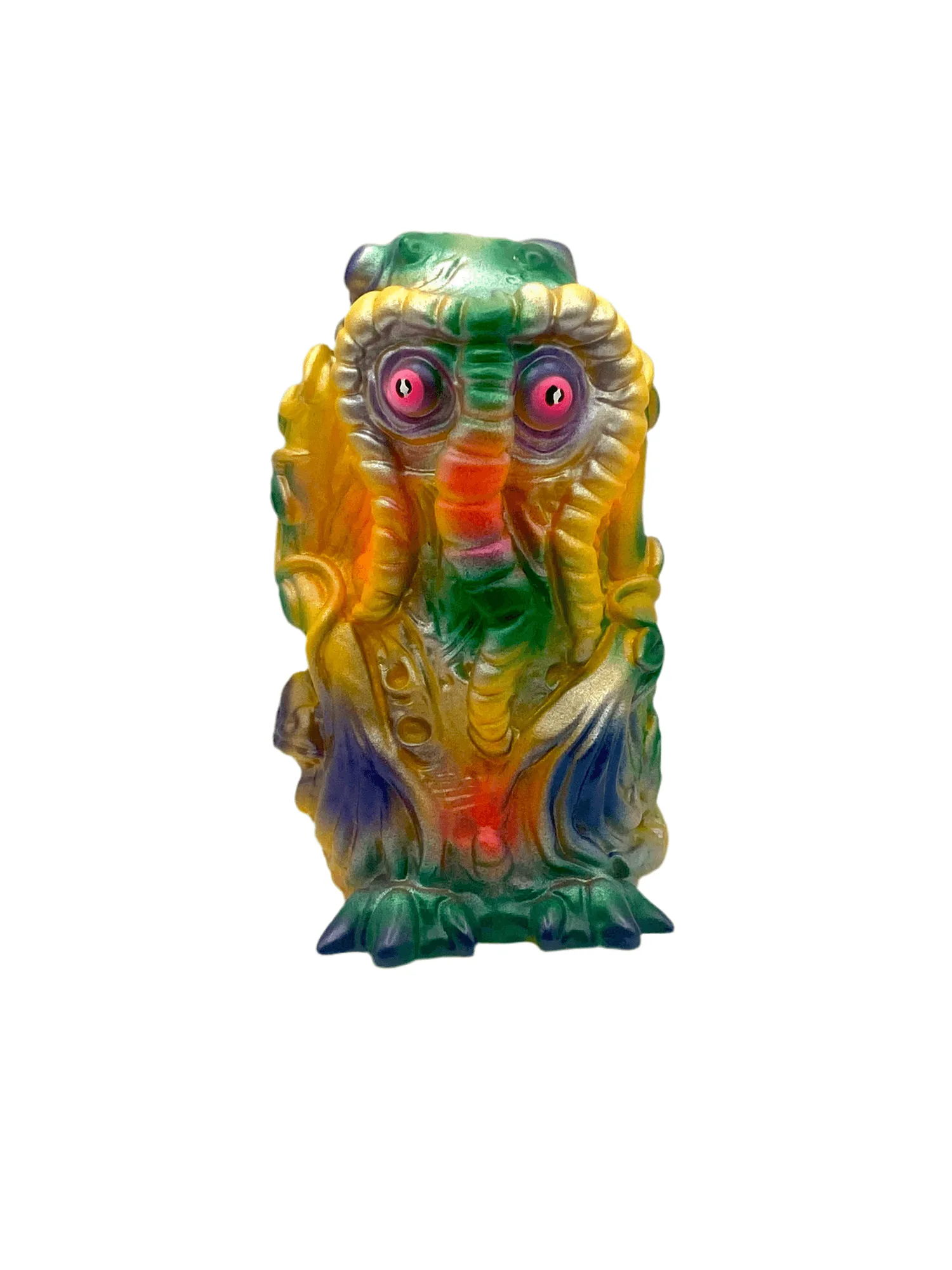
- Man-Thing Vinyl Figure 1/1 Painted by Ressinblood: A 1/1 scale vinyl figure of Man-Thing, individually hand-painted by artist Ressinblood. This is the clearest case of the 1/1 claim: a named artist, a single painted piece, and a character with an existing fanbase. The uniqueness is real, but the value still depends on whether you want that character and that painter's style.
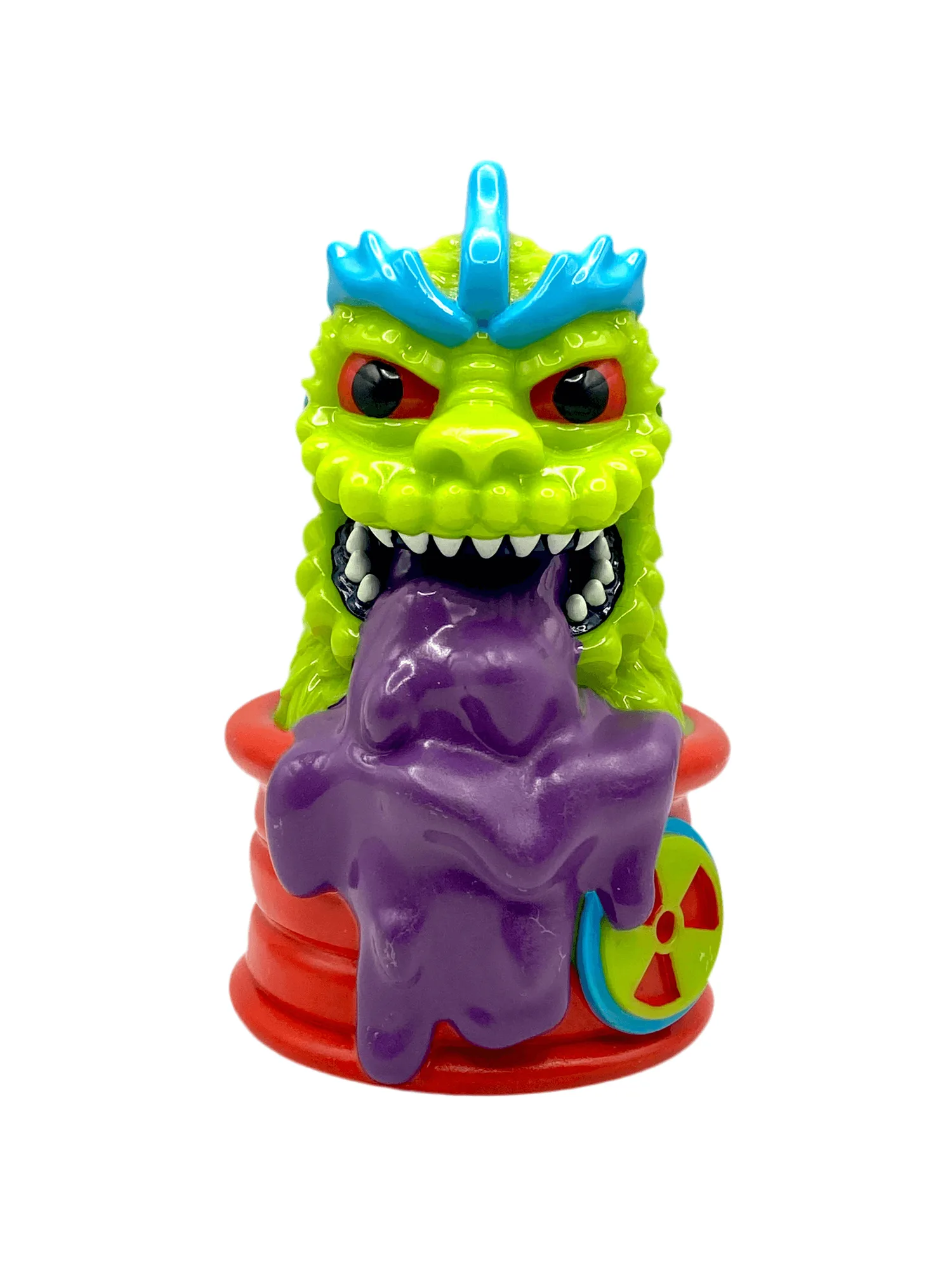
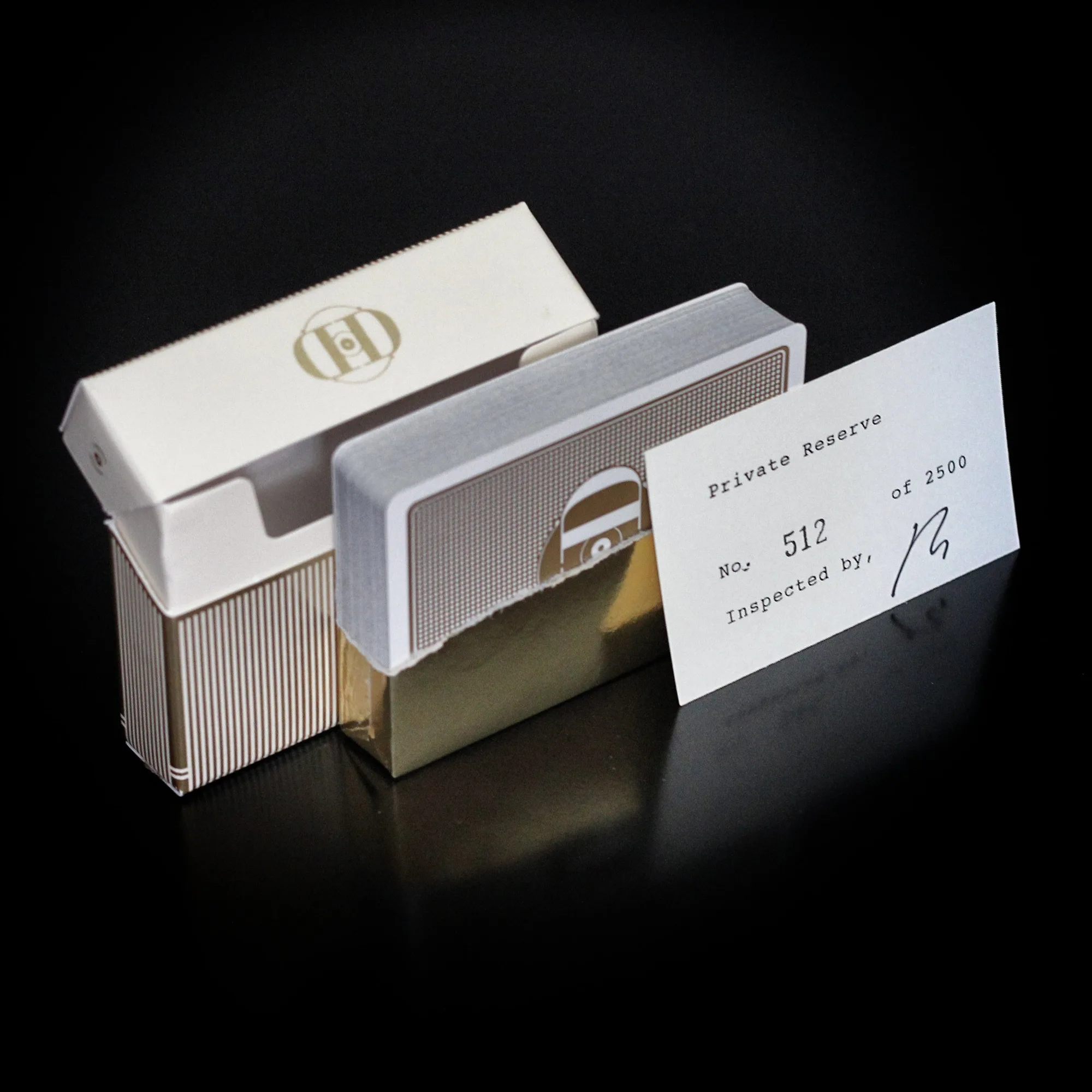
- Barfy Reptar: A standard-edition collectible card from Bootleg Toy Co's Toys on Tap series, featuring a Reptar-inspired design. A useful contrast: this is not a 1/1, so its appeal rests on the brand, the series, and the design rather than on a one-off finish. Scarcity here is about demand and condition, not edition size.
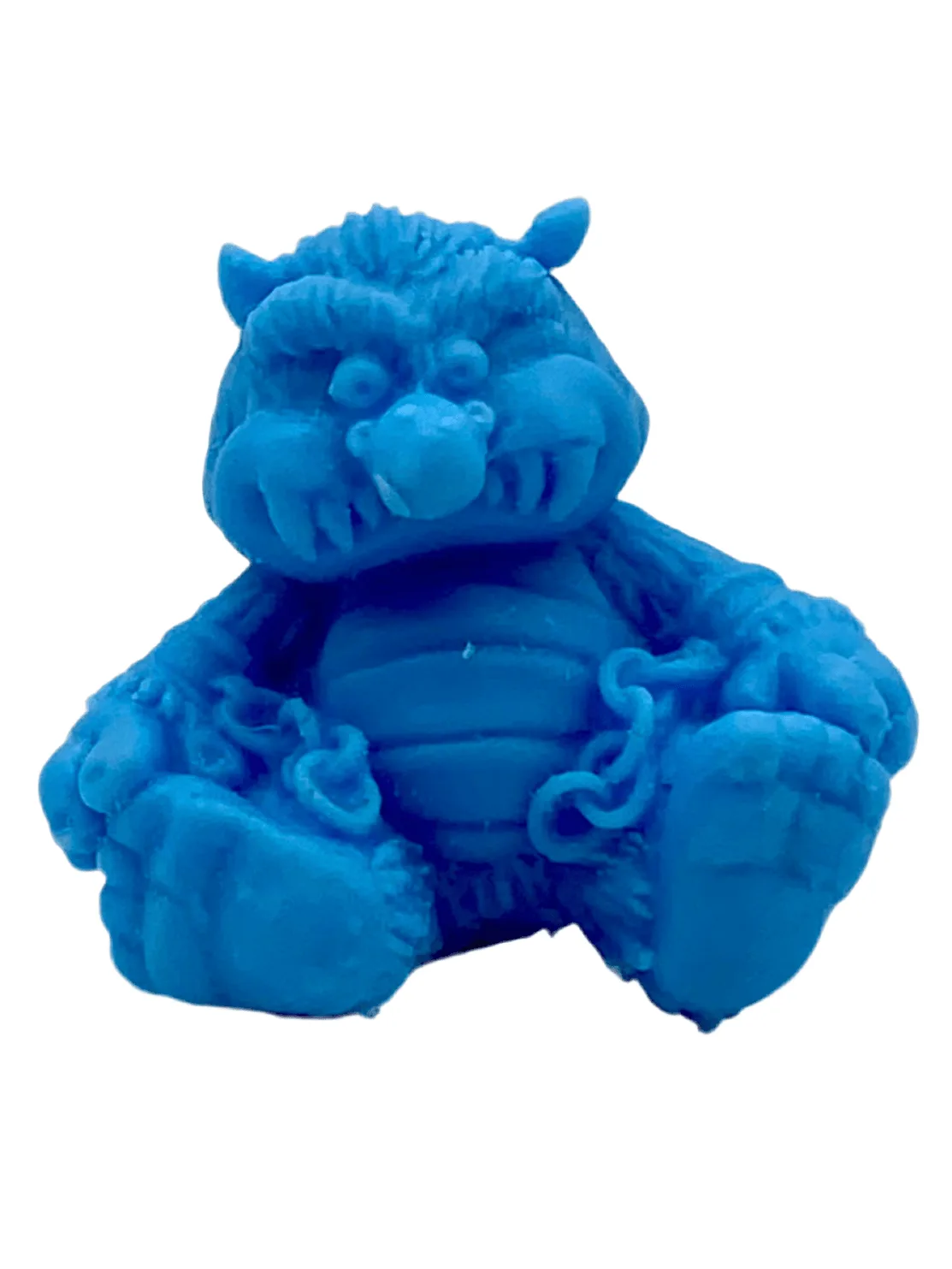
- MPM Keshi Figure: A mini My Pet Monster figure cast in rubber, branded by Eddie in the City. Shows a third kind of scarcity: small, tactile, and often collected in sets. A single piece being unique matters less than whether you can complete the group.