Quick answer
For stress relief, most adults find 300–600 mg of ashwagandha extract taken once or twice daily effective. Start with a lower dose for a week to assess tolerance, and take it consistently at the same time each day—morning or evening—based on how it affects your energy and sleep.
ashwagandha
Understanding ashwagandha dosage
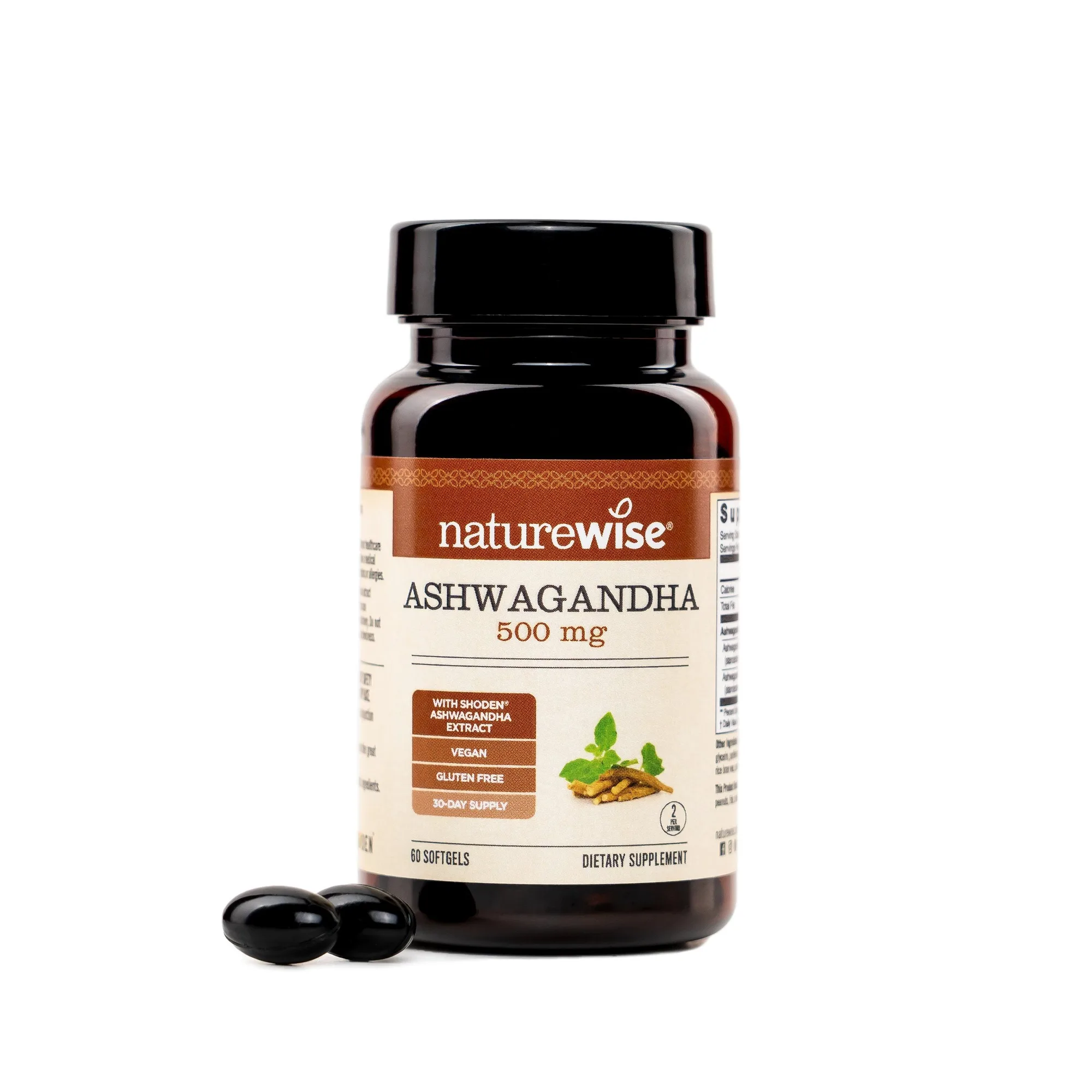
Ashwagandha is an adaptogenic herb that helps the body manage stress. Clinical studies often use doses of 300–600 mg of standardized extract per day, split into one or two servings. Some people may need up to 1,000 mg daily, but starting low and increasing gradually is safer and helps you find your effective dose with fewer side effects.
The form matters. Extracts are concentrated and require smaller doses than whole root powder. Always check the supplement label for the amount of active compounds, such as withanolides, to ensure you're getting a consistent dose. If the label only lists a raw powder weight without standardization, the effect can vary between batches.
Best time to take ashwagandha
Morning or evening? It depends on your response. Some people feel calm and focused after a morning dose, while others find it slightly sedating. If you're using ashwagandha to support sleep, an evening dose may be more beneficial. If you need daytime stress relief without drowsiness, try a morning dose first.
Consistency beats timing. Taking ashwagandha at the same time each day helps maintain steady levels in your body. Pair it with a meal to enhance absorption and reduce the chance of stomach upset. Avoid taking it with caffeine if you're sensitive to jitteriness—combining the two can feel counterproductive for stress management.
Building a sustainable routine
Set a reminder on your phone or attach it to an existing habit, like breakfast or brushing your teeth. Keep your supplement bottle visible but out of reach of children. Track your mood and stress levels in a journal for two weeks to notice subtle changes.
Give it time. Ashwagandha is not an immediate fix. Most people notice benefits after two to four weeks of consistent use. If you experience digestive discomfort, try taking it with food or switching to a different form, such as a liquid extract that may be gentler on the stomach.
Steps to start ashwagandha for stress
ashwagandha for stress
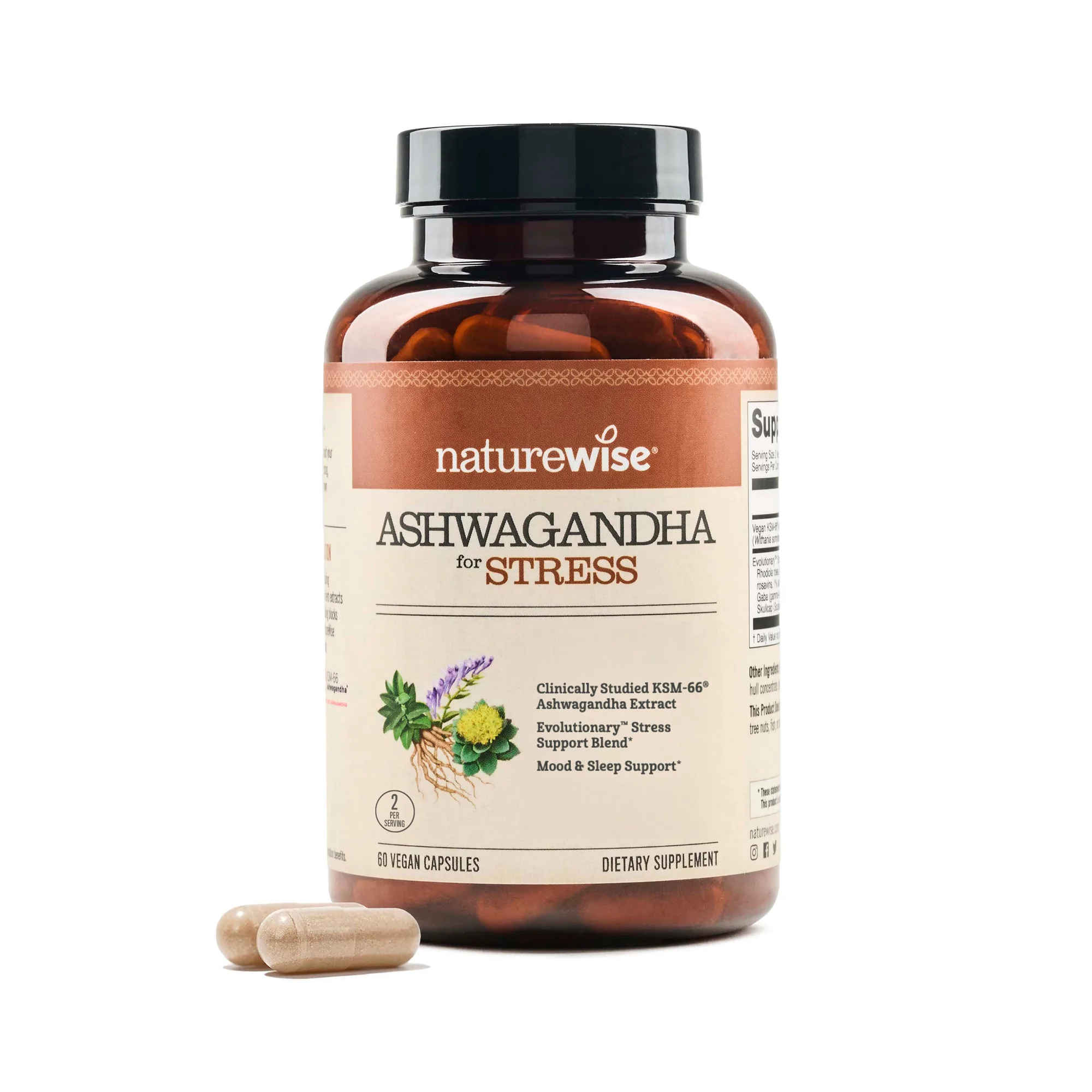
- Choose a standardized extract: Look for a product that specifies the withanolide content or extract ratio on the label. Standardized extracts give you a predictable dose, which is essential for finding what works. Checkpoint: If the label only lists root powder without standardization, consider a different product for consistent results.
- Start with a low dose: Begin with 300 mg once daily for the first week. This lets your body adjust and helps you notice any side effects like drowsiness or stomach upset. Checkpoint: If you feel fine, you can increase to 300 mg twice daily or 600 mg once daily after a week.
- Pick a consistent time and stick with it: Decide whether morning or evening works better based on your energy. Take it with food at the same time every day to build a habit and improve absorption. Checkpoint: Use a daily alarm or link it to an existing routine, and keep a simple log of your stress levels for two weeks.
Supplements to consider
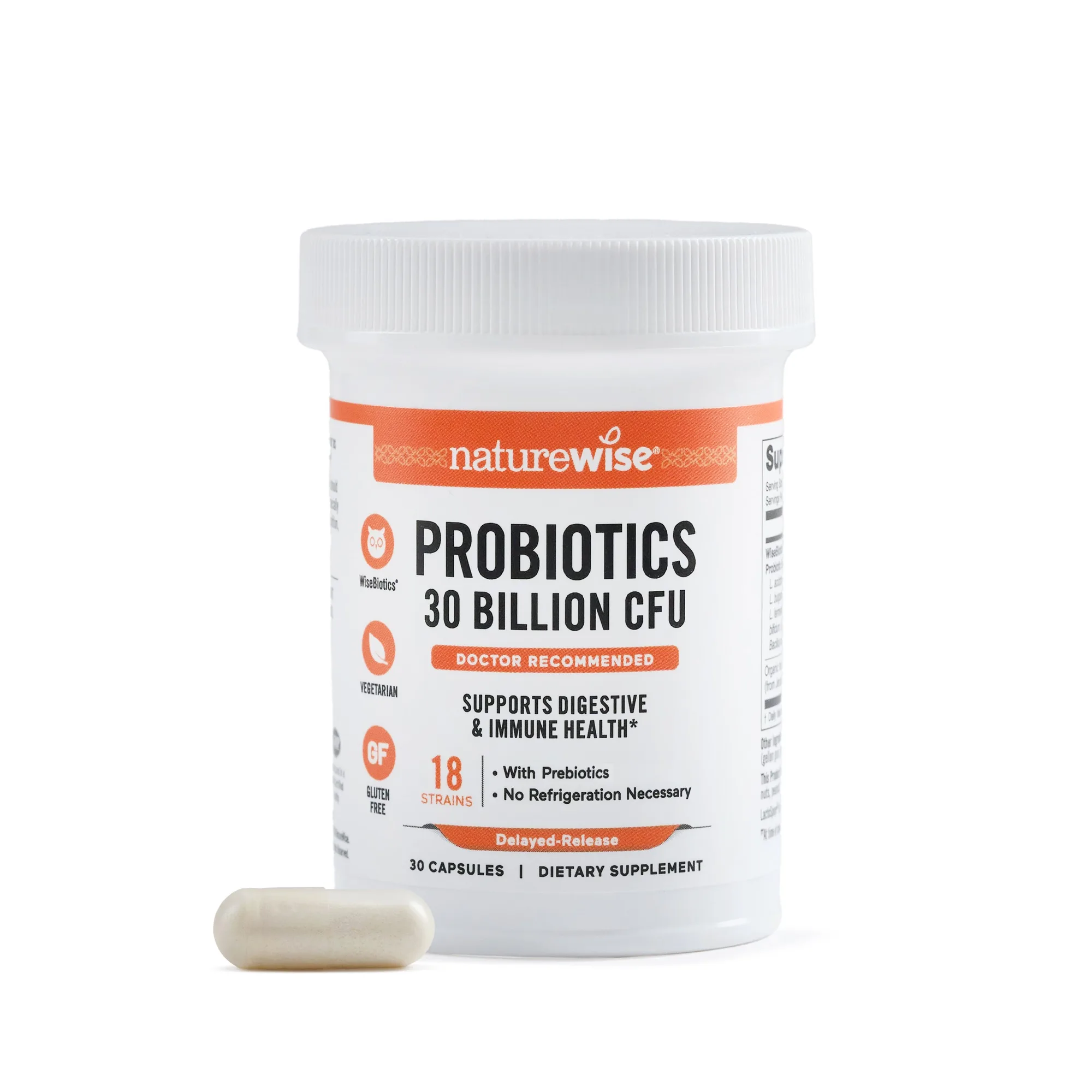
- Max Care Probiotics: Max Care Probiotics contains 30 billion CFU of 18 different live strains of gut-healthy bacteria, made with organic prebiotics in a delayed-release vegetarian capsule. Stress can disrupt gut health, and a daily probiotic supports digestion and immune function, complementing your stress-management routine.
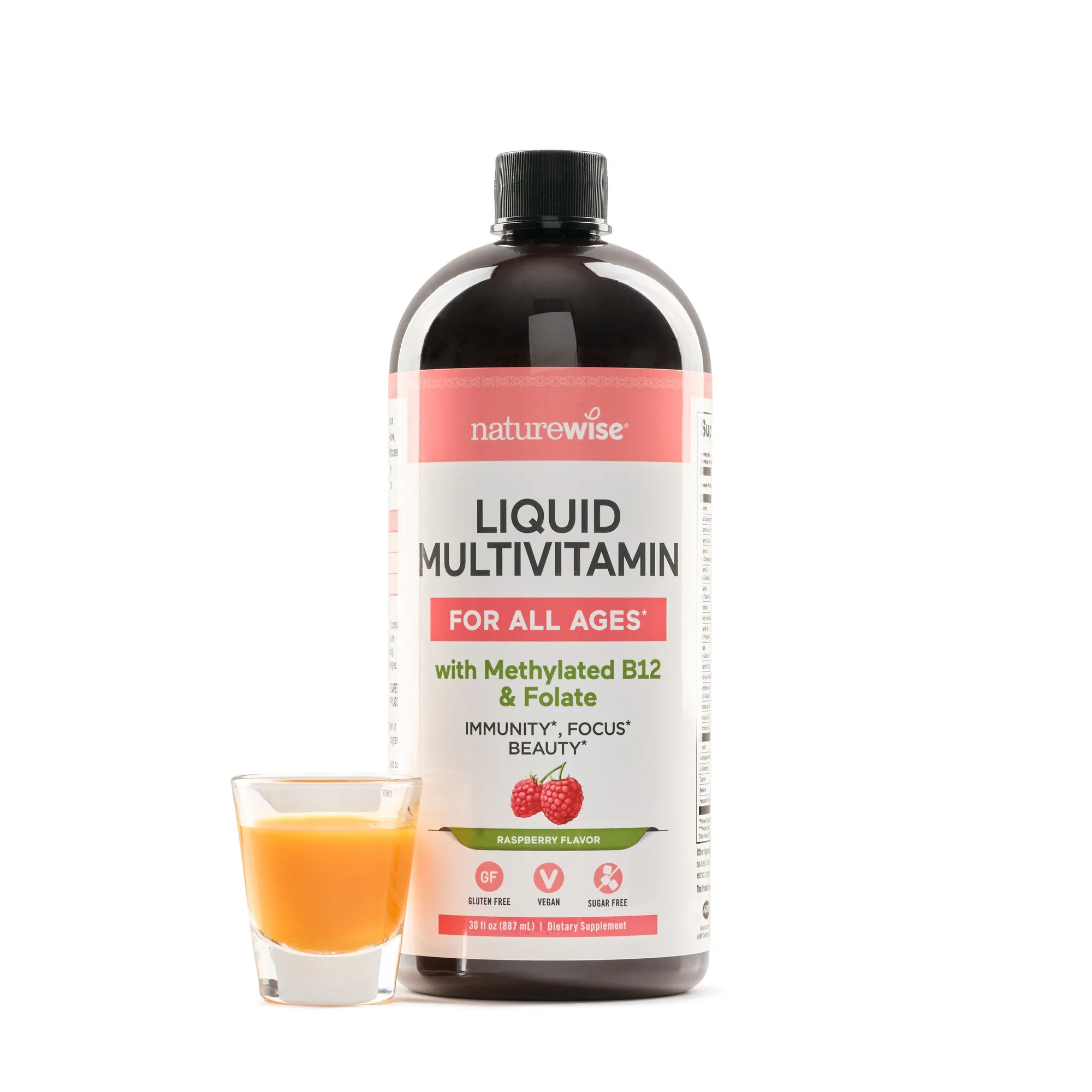
- Liquid Multivitamin: Liquid Multivitamin is a vegan, sugar-free, gluten-free raspberry-flavored formula suitable for all ages, supporting immune health, skin and hair health, and mental clarity. Chronic stress can deplete essential nutrients; a liquid multivitamin is an easy way to fill gaps and support overall resilience.