In today's fast-paced world, stress has become a constant companion for many. While occasional stress is normal, chronic stress can take a toll on your health, affecting sleep, mood, and overall vitality. Adaptogenic herbs have gained popularity as natural allies in the fight against stress, and two of the most celebrated are ashwagandha and rhodiola. But which one is better for you? In this comparison, we'll dive into the unique benefits of each herb, how they work, and how to choose the right adaptogen for your stress profile.
rhodiola
Both ashwagandha and rhodiola have been used for centuries in traditional medicine systems—ashwagandha in Ayurveda and rhodiola in Scandinavian and Russian folk medicine. Modern research supports their adaptogenic properties, but they act differently in the body. Understanding these differences is key to maximizing their stress-relieving potential.
What Are Adaptogens and How Do They Work?
Adaptogens are a unique class of herbs that help the body adapt to stress—whether physical, chemical, or biological. They work by modulating the stress response system, particularly the hypothalamic-pituitary-adrenal (HPA) axis, which controls cortisol and other stress hormones. By balancing these hormones, adaptogens can enhance resilience to stress, improve energy, and support mental clarity.
Not all adaptogens are created equal. Some, like ashwagandha, are more calming and grounding, making them ideal for those who feel wired but tired. Others, like rhodiola, are more stimulating and energizing, perfect for those who need a mental and physical boost during stressful periods. Let's explore each in detail.
- Adaptogens help normalize stress hormone levels.
- They can improve energy, focus, and mood.
- Choose based on your primary stress symptoms.
Ashwagandha: The Calming Adaptogen
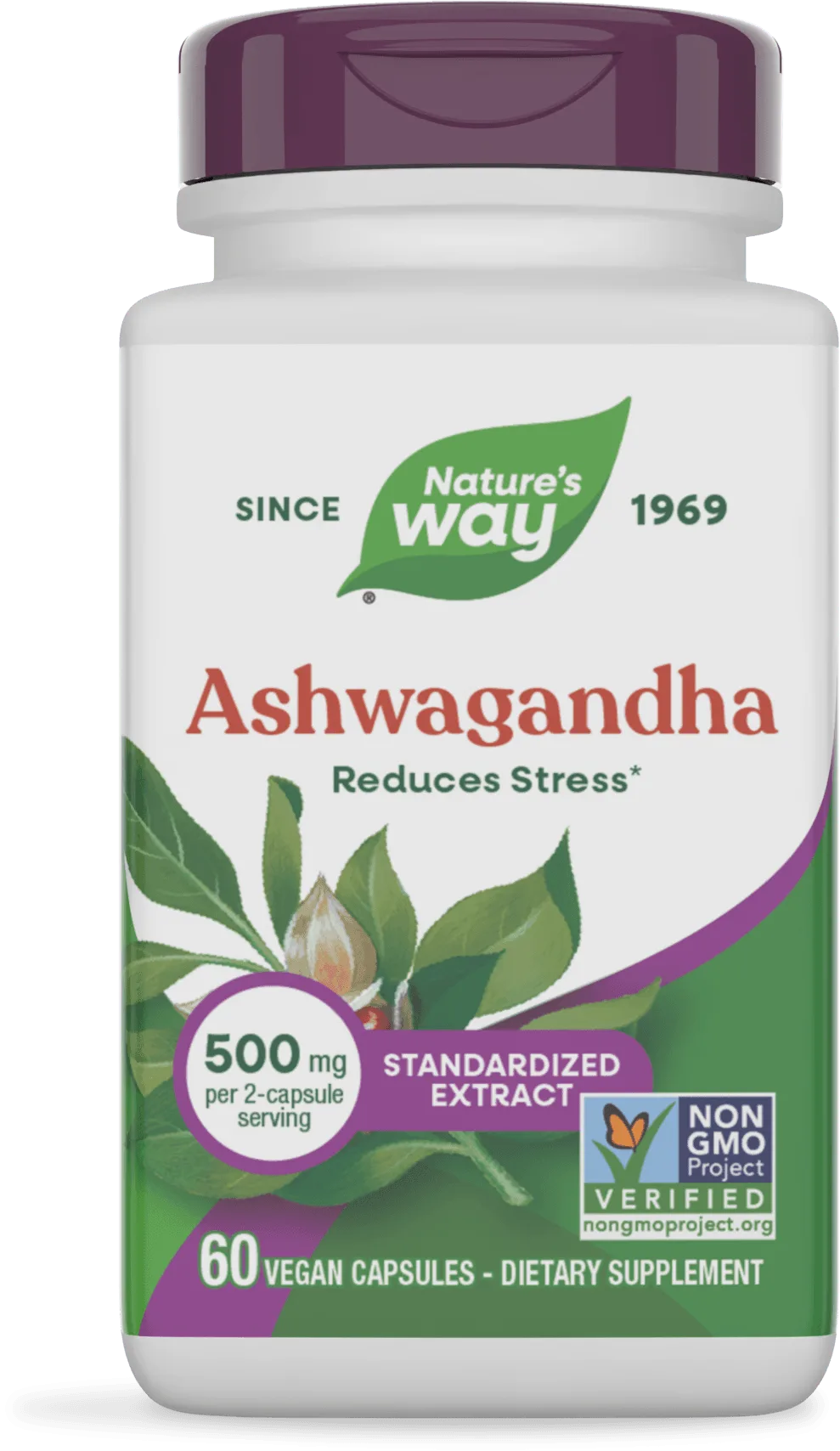
Ashwagandha (Withania somnifera) is a cornerstone of Ayurvedic medicine, often referred to as Indian ginseng. It is renowned for its ability to reduce anxiety and promote a sense of calm without sedation. Ashwagandha works by lowering cortisol levels and supporting the nervous system, making it particularly beneficial for those who experience stress as anxiety, restlessness, or difficulty sleeping.
Research suggests that ashwagandha can significantly reduce stress and anxiety scores in adults. It also supports better sleep quality and may improve overall well-being. If your stress manifests as racing thoughts, irritability, or insomnia, ashwagandha might be your go-to adaptogen.
Many users find ashwagandha helpful for balancing mood and supporting a healthy stress response. It is available in various forms, including capsules, powders, and gummies, making it easy to incorporate into your daily routine.
- Best for anxiety, stress-induced insomnia, and mood balance.
- May lower cortisol levels and promote relaxation.
- Supports healthy sleep patterns.
Rhodiola: The Energizing Adaptogen
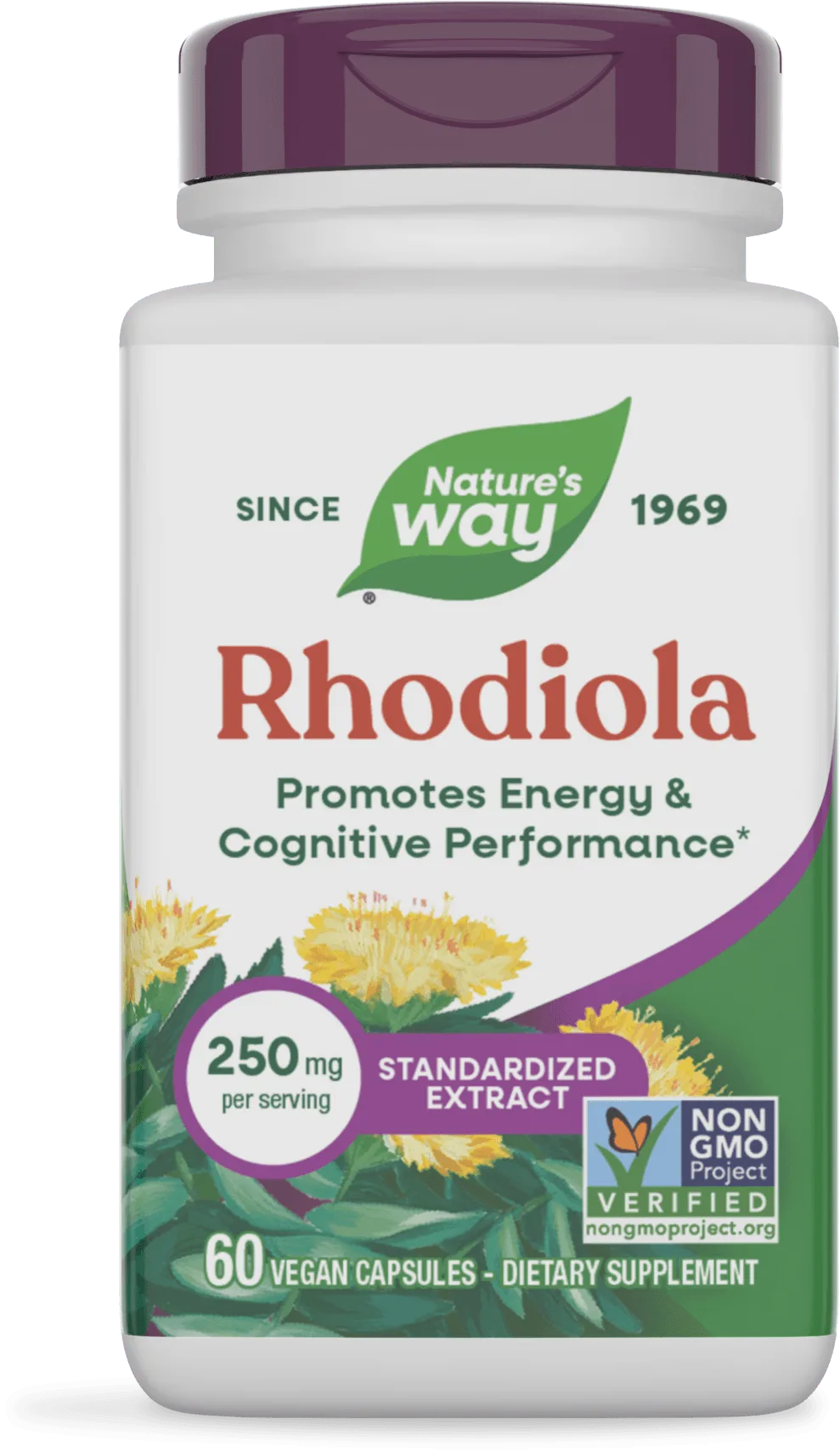
Rhodiola rosea, also known as Arctic root, is a powerful adaptogen that thrives in cold, mountainous regions. Unlike ashwagandha, rhodiola is known for its stimulating and energizing effects. It works by influencing neurotransmitters like serotonin and dopamine, which can enhance mood, focus, and mental performance during stressful situations.
Rhodiola is particularly effective for combating stress-related fatigue and burnout. It can improve physical endurance, mental clarity, and resilience to stress. If you feel exhausted but wired, or if stress leaves you feeling mentally foggy and unmotivated, rhodiola may be the better choice.
This adaptogen is often used by athletes and professionals who need to perform under pressure. It supports the body's ability to adapt to both physical and mental stress, making it a versatile addition to your wellness toolkit.
- Best for stress-related fatigue, mental fog, and low energy.
- Enhances focus, endurance, and mood.
- Supports physical performance and recovery.
Key Differences: Ashwagandha vs Rhodiola
While both are adaptogens, their effects on the body are distinct. Ashwagandha is primarily calming, making it ideal for those who need to unwind and de-stress. Rhodiola is more invigorating, helping you push through stressful periods with increased energy and focus.
In terms of timing, ashwagandha is often taken in the evening to promote relaxation and sleep, while rhodiola is best taken in the morning or early afternoon to avoid interference with sleep. Additionally, ashwagandha may be more suitable for long-term stress management, while rhodiola is often used for short-term stress spikes or demanding periods.
Your choice ultimately depends on your stress symptoms and goals. Some people even find that combining both herbs offers a balanced approach, but it's always wise to consult with a healthcare provider before starting any new supplement regimen.
- Ashwagandha: calming, lowers cortisol, supports sleep.
- Rhodiola: energizing, boosts mood and focus.
- Choose based on whether you need to relax or energize.
How to Choose the Right Adaptogen for You
To decide between ashwagandha and rhodiola, start by assessing your stress symptoms. If you experience high anxiety, sleep disturbances, or feel overwhelmed, ashwagandha may be the better fit. On the other hand, if you struggle with fatigue, lack of motivation, or mental exhaustion, rhodiola could be your ideal partner.
Consider your daily routine as well. If you need a morning boost to tackle a busy day, rhodiola is a great choice. If you want to wind down after a stressful day, ashwagandha is more appropriate. You can also experiment with cycling between the two, but always listen to your body.
Remember that adaptogens are not a quick fix—they work best when taken consistently over time. Pair them with a healthy diet, regular exercise, and good sleep hygiene for optimal results.
- Assess your stress type: anxiety vs fatigue.
- Consider timing: morning for rhodiola, evening for ashwagandha.
- Be patient and consistent with your chosen adaptogen.
Incorporating Adaptogens into Your Routine
Adaptogens are available in various forms, including capsules, tinctures, powders, and gummies. For those new to adaptogens, starting with a low dose and gradually increasing is recommended. Always follow the dosage instructions on the product label and consult a healthcare professional if you have any underlying health conditions or are taking medications.
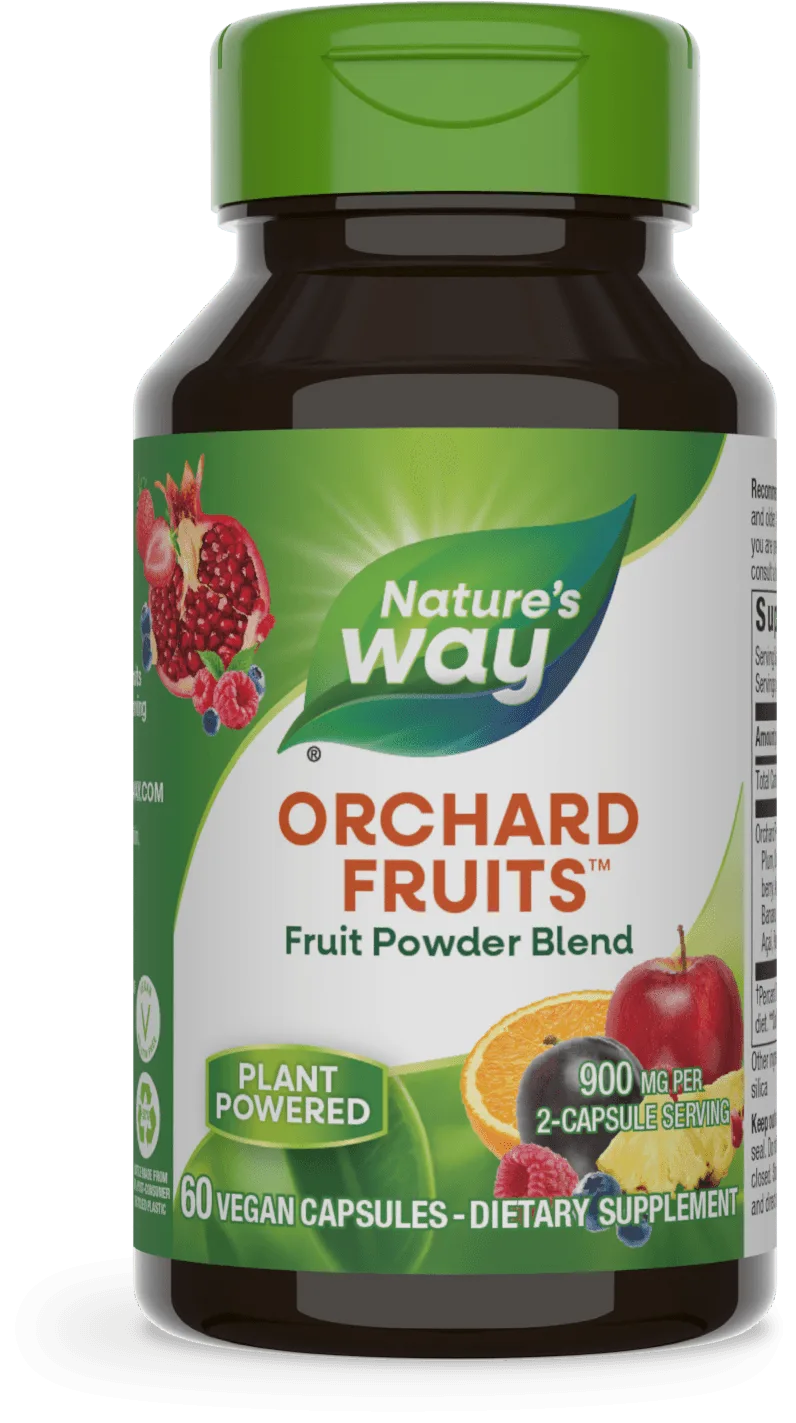
At Nature's Way, we offer a range of high-quality herbal supplements to support your wellness journey. For example, our https://natureswaybx.com/products/orchard-fruits-384717Orchard Fruits™ blend provides antioxidant-rich fruit extracts that complement a healthy lifestyle. While not an adaptogen, it can support overall vitality.
If you're looking for a calming adaptogen, consider our Sleep Tonight™ formula, which combines soothing herbs to promote restful sleep—a key component of stress management. For energy and focus, our Energizing Iron™ supplement can help combat fatigue, though it's not an adaptogen itself.
Always choose supplements from reputable brands that prioritize quality and purity. Nature's Way is committed to providing trusted herbal products backed by science and tradition.
- Start with a low dose and increase gradually.
- Choose high-quality supplements from trusted brands.
- Combine adaptogens with a healthy lifestyle for best results.
Both ashwagandha and rhodiola are powerful adaptogens that can help you manage stress more effectively. Ashwagandha is your calming companion for anxiety and sleep issues, while rhodiola is your energizing ally against fatigue and mental fog. By understanding your unique stress response, you can choose the adaptogen that aligns with your needs. Remember, consistency is key, and pairing adaptogens with a healthy lifestyle will amplify their benefits. Ready to start your journey to better stress management? Explore our selection of herbal supplements, including Sambucus Immune Elderberry Syrup, to support your overall well-being.