Quick answer
Choose the Asian Elephant figurine if you want a recognizable, large-bodied centerpiece with cultural symbolism; choose the Mountain Gorilla figurine if you prefer a compact, habitat-specific figure that teaches about endangered mountain forests. Both are part of the Papo wildlife collection and work well together as a habitat pair.
Habitat and story: two different wild settings
The Asian Elephant figure represents the forests and grasslands of Asia, while the Mountain Gorilla figure is tied to the high-altitude forests of Central Africa. That difference matters if you build dioramas or teach kids about specific ecosystems: the elephant fits a tropical Asian scene, and the gorilla belongs in a misty mountain forest setup.
Because the gorilla's thicker coat is a cold-weather adaptation, it pairs naturally with cooler, higher-elevation displays. The elephant's rounded ears and domed back are visual cues that help children tell it apart from African elephants.
Size and presence on the shelf
As the largest land mammal in Asia, the Asian Elephant figure naturally reads as a bigger, more imposing piece in a collection. The Mountain Gorilla, while powerful, is a primate and will appear smaller and more compact next to the elephant.
If you have limited shelf space, the gorilla takes up less room and can sit comfortably among smaller forest animals. If you want a focal point that anchors a wildlife display, the elephant's silhouette does that job more easily.
Play and learning value for different ages
Both figures are herbivores, which makes them safe, peaceful additions to a child's animal set. The elephant's size may appeal to younger children who gravitate toward big animals, while the gorilla's social-group behavior and mountain habitat offer a richer story for slightly older kids learning about conservation.
One trade-off: the elephant's size can make it harder to store in small bins, while the gorilla's smaller footprint is easier to pack for travel or playdates.
Trade-offs to weigh before you choose
- Display impact vs. shelf space: The Asian Elephant figure delivers a stronger visual anchor but needs more room; the Mountain Gorilla is more compact and easier to place among other forest animals. Measure your shelf or diorama base before deciding.
- Ecosystem accuracy vs. versatility: The gorilla is tied to high-altitude African forests, so it looks out of place in a savanna scene. The elephant fits Asian tropical settings but not African ones. Match the figure to the habitat you plan to build.
- Price vs. presence: The Mountain Gorilla figurine is the lower-cost option, while the Asian Elephant costs more but offers a larger, more imposing figure. Set a budget per figure if you are buying for a group or classroom.
Product facts at a glance
-
Figurine Gorille des montagnes: Mountain gorillas live in Central African highland forests and have thicker fur than other gorillas to protect against the cold. This makes the figure a good fit for mountain-forest dioramas and lessons about cold-weather adaptations.
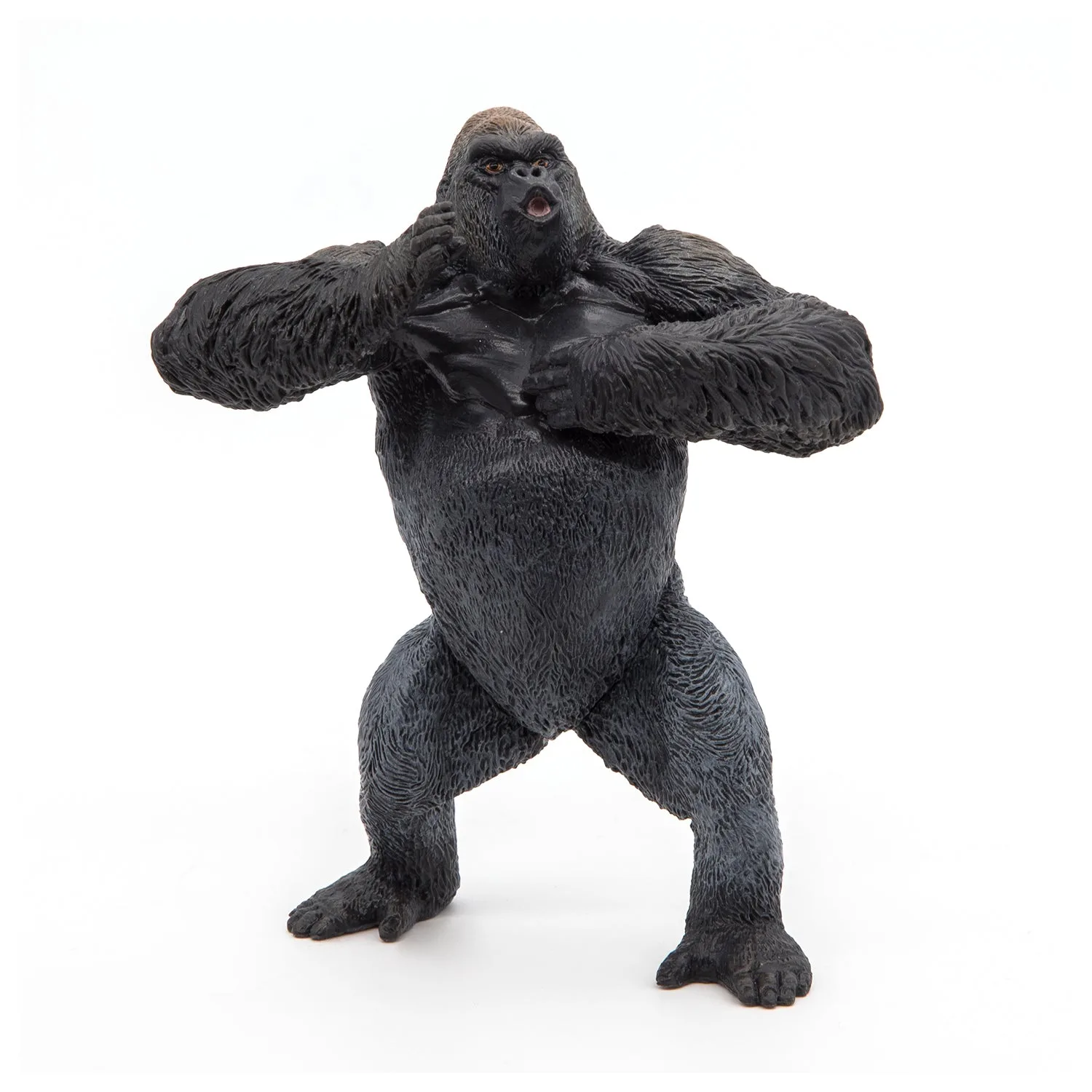
Figurine Gorille des montagnes
-
Figurine Éléphant d'Asie: The Asian elephant is the largest land mammal in Asia and is recognizable by its small rounded ears and domed back. Those features help children distinguish it from African elephants during play or study.
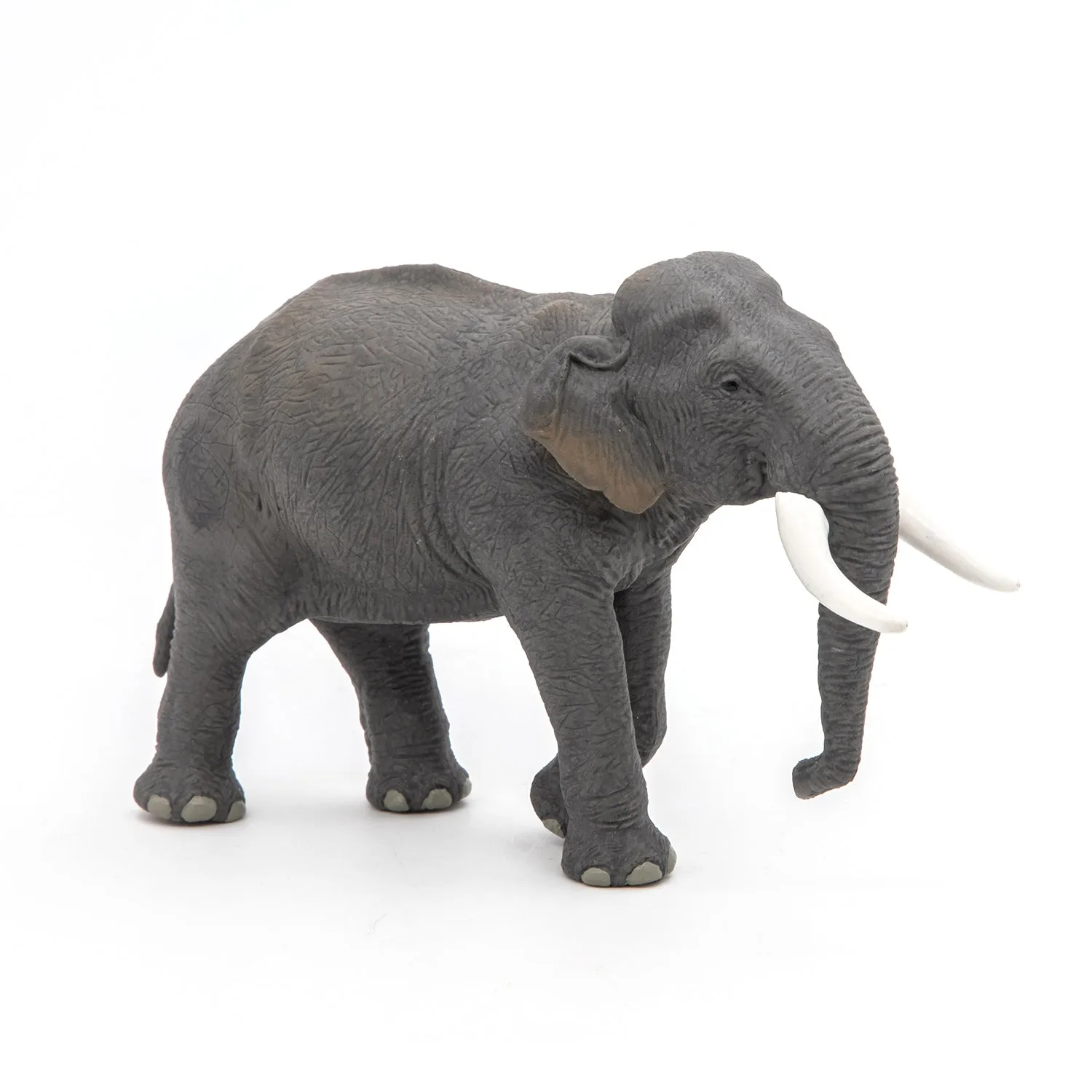
Figurine Éléphant d'Asie
Which figure fits your needs?
Best for
- Collectors who want a recognizable, large centerpiece for a wildlife shelf
- Parents or teachers introducing Asian animals and cultural symbolism
- Kids who prefer big, powerful animals for play
Not for
- Anyone building an African savanna diorama (choose an African elephant instead)
- Very small display spaces where a large figure won't fit
- Shoppers looking for the lowest-cost option in the pair