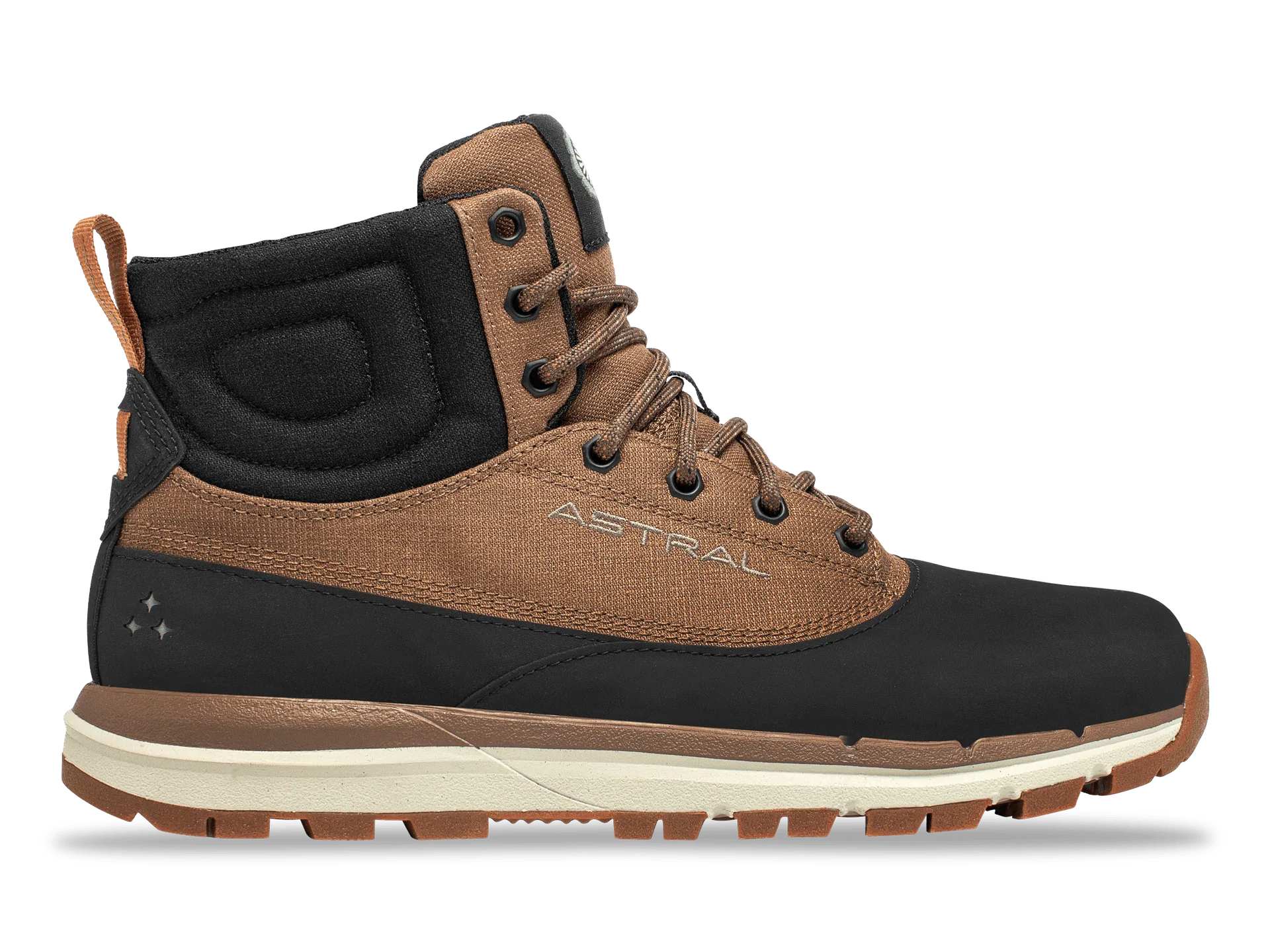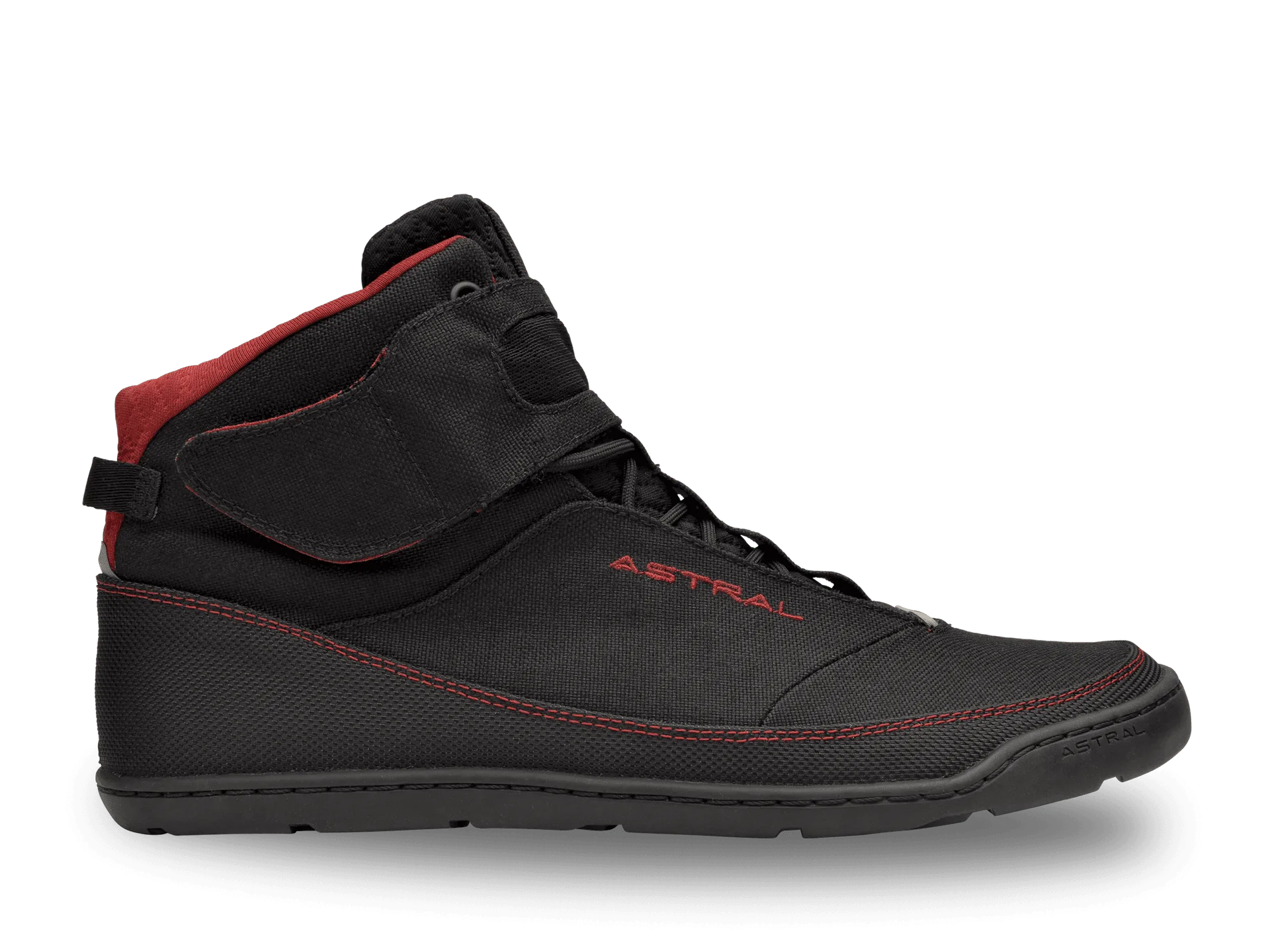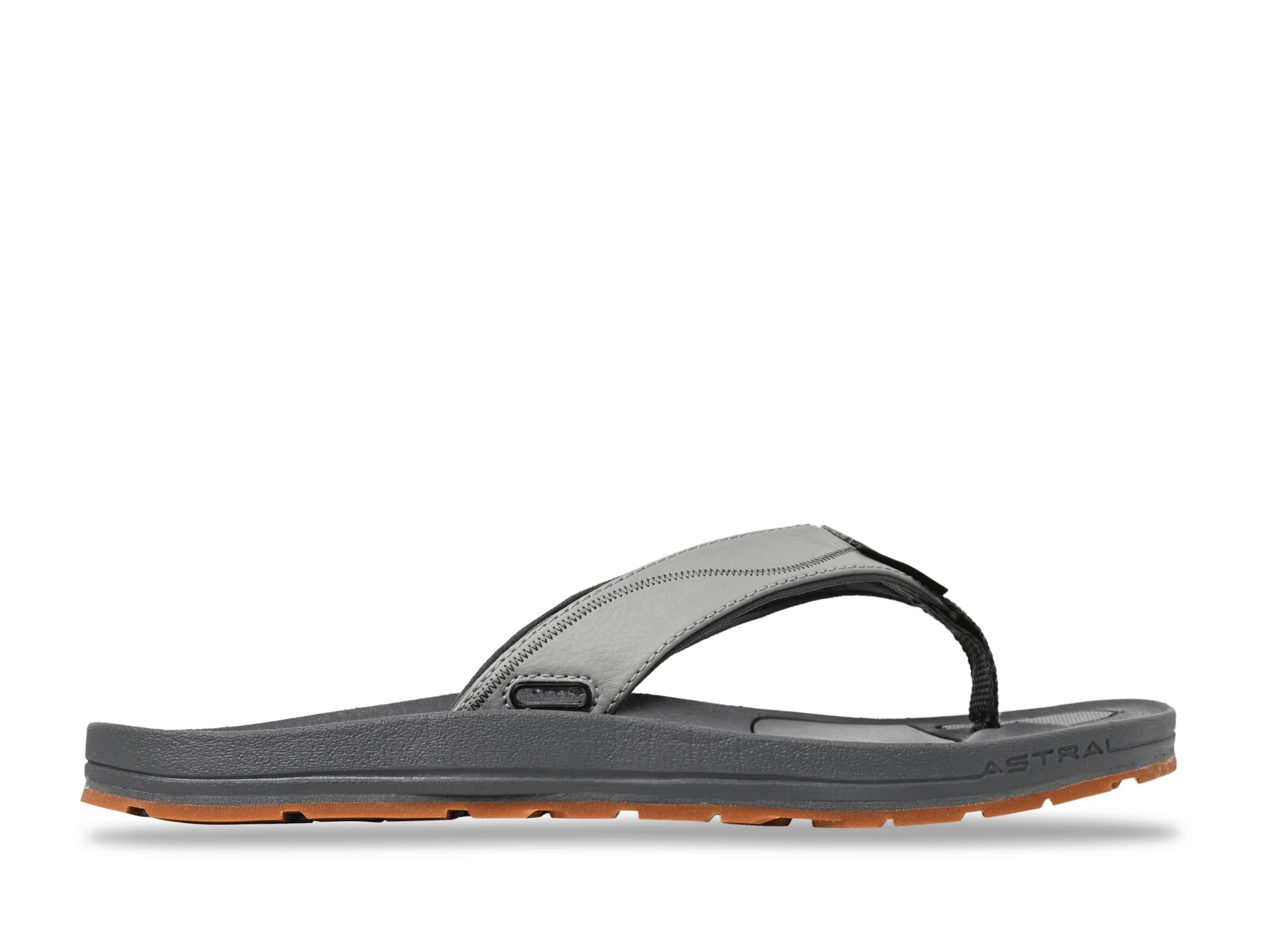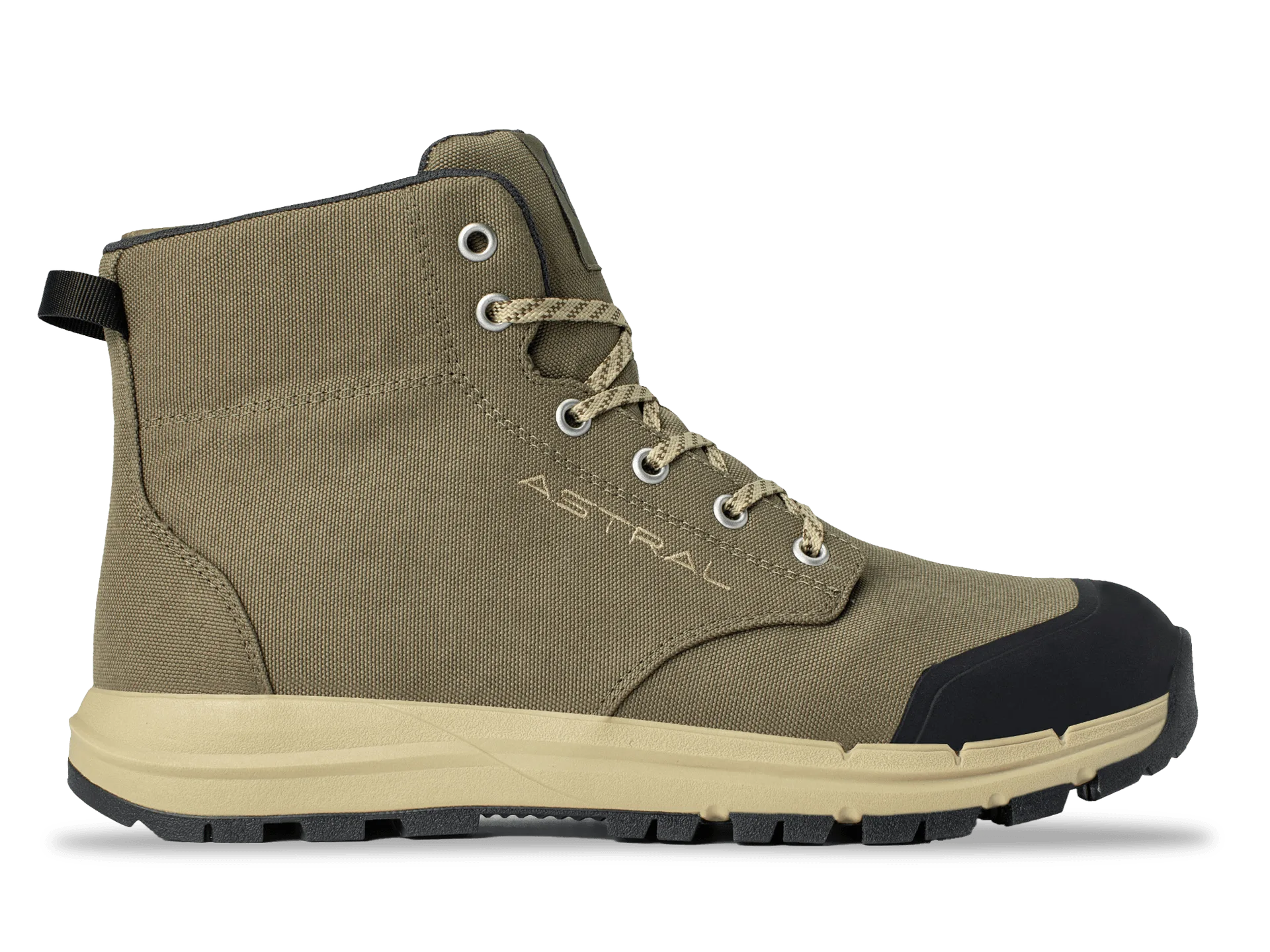
Quick answer
Choose Astral trail shoes if most of your miles are on dry, rocky trails and you only occasionally cross shallow water. Choose Astral water shoes if you spend more time in and around rivers, lakes, or the coast, or if you need a shoe that drains and dries fast. The right pick comes down to how often your feet get wet and how much grip you need on slick, submerged surfaces.
What separates an Astral trail shoe from a water shoe
Trail shoes prioritize support, protection, and traction on uneven dirt and rock. They usually have stiffer midsoles, more structured uppers, and lugs designed to bite into loose or muddy ground. Water shoes prioritize drainage, quick-drying materials, and sticky rubber that holds on wet rock. They flex more, feel lighter, and are built to be submerged without turning into a soggy brick.
Astral builds both types with the same focus on natural foot position. The Filipe, for example, uses a Zero Drop design that keeps your heel and forefoot level, which many paddlers and hikers find more stable on moving water and uneven trails. If you are used to a raised heel, expect a short adjustment period.
How to decide based on your most common outing
Think about the activity you do most, not the one you do once a year. If 80 percent of your time is on a dry trail with a single stream crossing, a trail shoe is the better investment. If you are portaging, wading, or launching from a beach, a water shoe will keep you more comfortable and safer on slick surfaces.
For mixed days, pick the shoe that matches the wettest part of the trip. Wet feet in a trail shoe can lead to blisters and heavy, cold feet. A water shoe on a dry, rocky trail may feel thin underfoot, so consider whether you need more protection than drainage.
Fit guidance: how Astral shoes should feel
Astral shoes generally fit true to size, but the shape matters as much as the length. Your toes should lightly brush the front when standing, with no hard pressure. A snug heel and a secure midfoot matter more in water shoes because a loose shoe can slip off in mud or current.
For river hiking, size for the thicker sock you will actually wear. If you are between sizes, go with the larger one for water use, since feet swell and you may want a neoprene sock. The Filipe uses a simple flip-flop construction, so fit is mostly about length and strap comfort rather than lacing. For lace-up models, replace worn laces before they fail on the trail; the Laces - TR1 Mesh set is a direct replacement for the TR1 Mesh and TR1 Junction.
PFD pairing: don't overlook safety gear
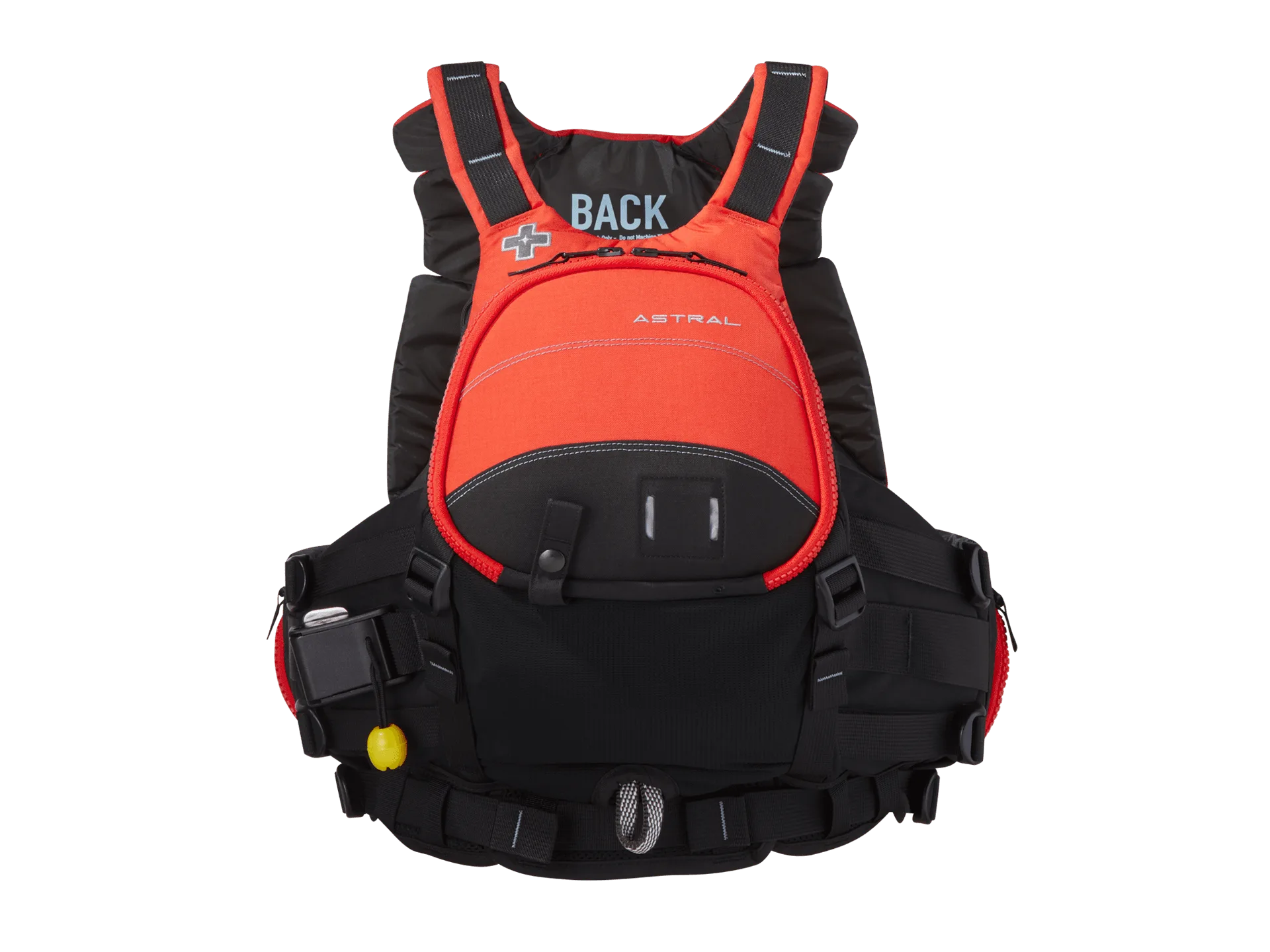
Your footwear choice does not change your need for a proper life jacket on the water. If you paddle or raft, match your PFD to the same conditions you are dressing for. The GreenJacket is a best-selling option with Foam Techtonics construction for buoyancy and mobility, and a curvy fit that stays secure. The Ceiba uses organic kapok, a natural and sustainable buoyant material, and is Bluesign approved, which matters if you want eco-friendly gear without sacrificing performance.
Decision rules for choosing your Astral footwear
- If your feet get wet on most outings: Choose a water shoe or a drainage-focused model like the Filipe. It handles kayaking, rafting, and beach days without holding water. Prioritize drainage and sticky rubber over underfoot protection.
- If you carry a loaded pack on rocky trails: Choose a trail shoe with a more supportive midsole and a protective upper. Water shoes can feel thin under a heavy load on sharp rock. Prioritize support and protection over fast drainage.
- If you do one activity 80 percent of the time: Buy for that activity first. A dedicated trail shoe or water shoe will outperform a compromise for most people. Match the shoe to your default outing, not your occasional one.
- If you are between sizes and will wear socks: Size up for water use, especially with neoprene socks. A snug heel and secure midfoot matter more than a roomy toe box in moving water. A loose water shoe can slip off in mud or current.
- If you paddle or raft, not just hike: Pair your shoes with a proper PFD. The GreenJacket and Ceiba are both built for kayaking and rafting, with different buoyancy materials. Footwear and flotation are separate decisions; get both right.
Key Astral models at a glance
- Filipe: The Filipe is a versatile flip flop designed for everyday wear and a wide range of outdoor activities, including hiking, kayaking, canoeing, fishing, rafting, sailing, SUP, and travel. It features a Zero Drop design for a more natural foot position. A good choice if you want one simple pair for camp, water access, and light trail use, but it offers less protection than a closed trail shoe.
- GreenJacket: GreenJacket is the industry standard for water safety, designed for modern adventurers who demand reliability and comfort. It combines everyday practicality with advanced features for kayaking, rafting, and rescue operations, and uses Foam Techtonics construction for dependable buoyancy without sacrificing mobility. A strong PFD pick if you paddle or raft often and want a secure, mobile fit that works across activities.
- Ceiba: The Ceiba life jacket combines comfort with sustainability, designed for water enthusiasts who value both performance and environmental responsibility. It is ideal for canoeing, kayaking, and rafting, and is constructed with organic kapok, a natural and sustainable buoyant material, and is Bluesign approved. Choose this if you want a more eco-conscious PFD for flatwater and moving-water paddling.
- Laces - TR1 Mesh: Laces - TR1 Mesh are a replacement lace set designed specifically for Astral TR1 Mesh or TR1 Junction footwear, available in Black. A cheap way to keep lace-up Astral shoes secure and extend their life instead of replacing the whole shoe.
Who should choose which
Best for
- Hikers and backpackers who mostly stay on dry, rocky trails
- Travelers who want one versatile pair for light trail and water access
- Paddlers who want a simple, quick-drying shoe for camp and launches
Not for
- Paddlers who spend most of their time submerged or on slick river rock
- Hikers carrying heavy loads over sharp, uneven terrain
- Anyone who needs a closed, protective shoe for cold or technical conditions