Quick answer
Away luggage materials are chosen for specific strengths: aluminum for maximum durability and a classic look, polycarbonate for lightweight resilience, and softside fabrics for flexibility and external pockets. There is no single best material—your choice should match your travel habits and packing style.
When you're shopping for luggage, the material is one of the most important decisions you'll make. It affects weight, durability, and how easy your bag is to maneuver. But with so many options and conflicting advice, it's easy to fall for common myths. In this article, we'll explain the materials used in Away luggage—aluminum, polycarbonate, and softside—and debunk some persistent hardside myths.
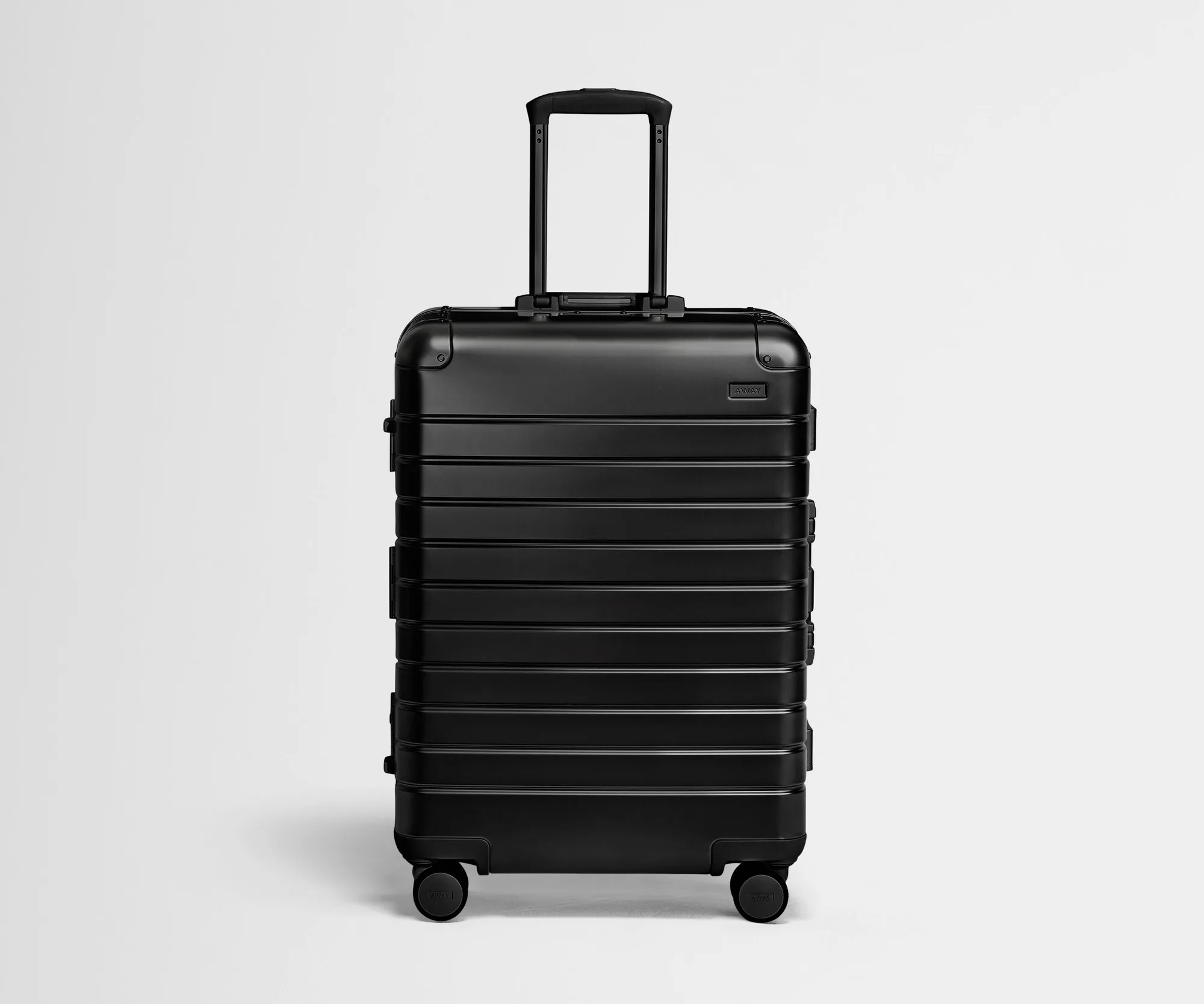
We'll look at real product examples like https://awaytravelenm.com/products/aluminum-medium-f654d62f0134c1fe4b8d36e9-1800984The Medium: Aluminum Edition and The Trunk to illustrate how material choice plays out in practice. By the end, you'll understand the trade-offs and be able to choose the right material for your next trip.
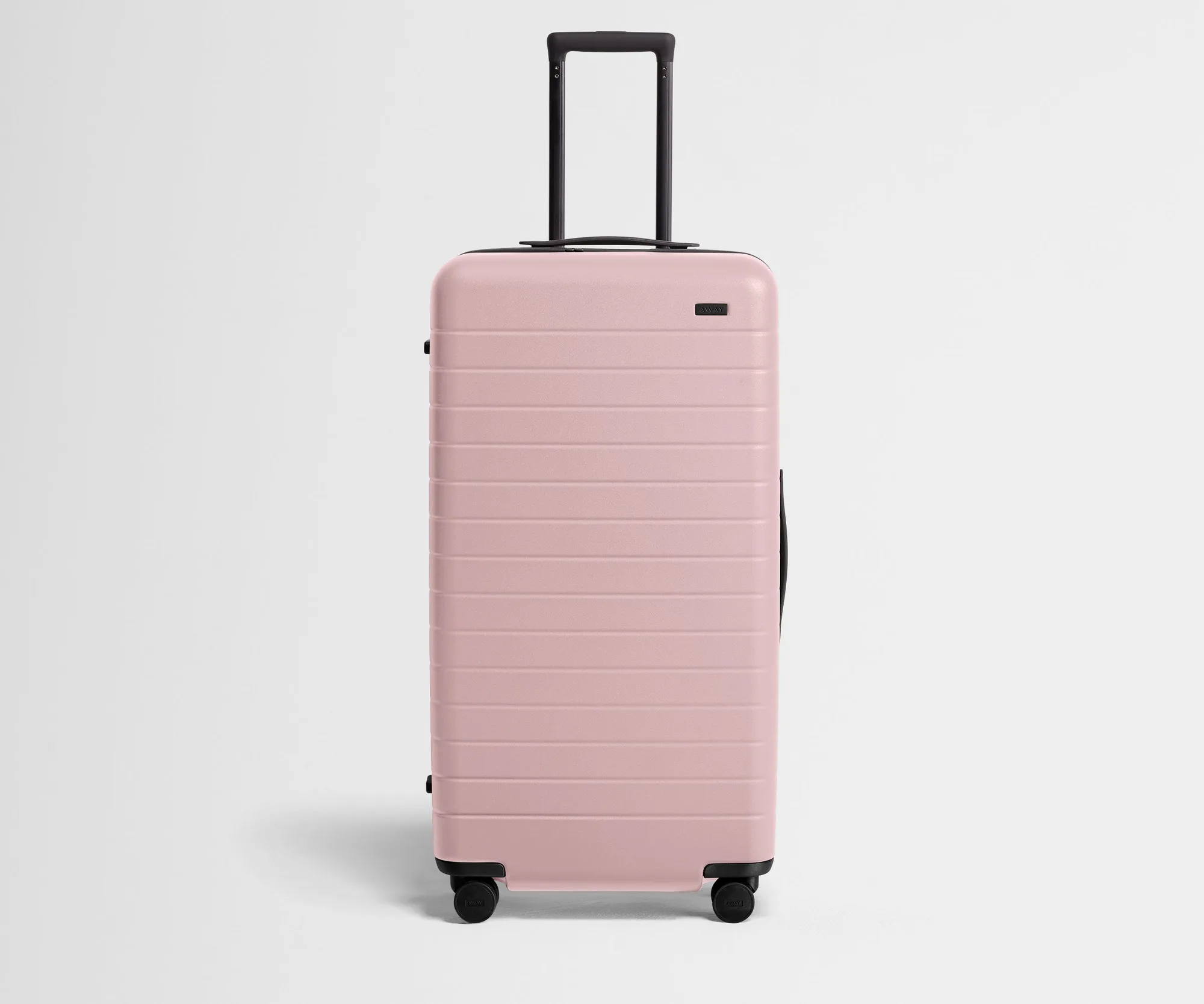
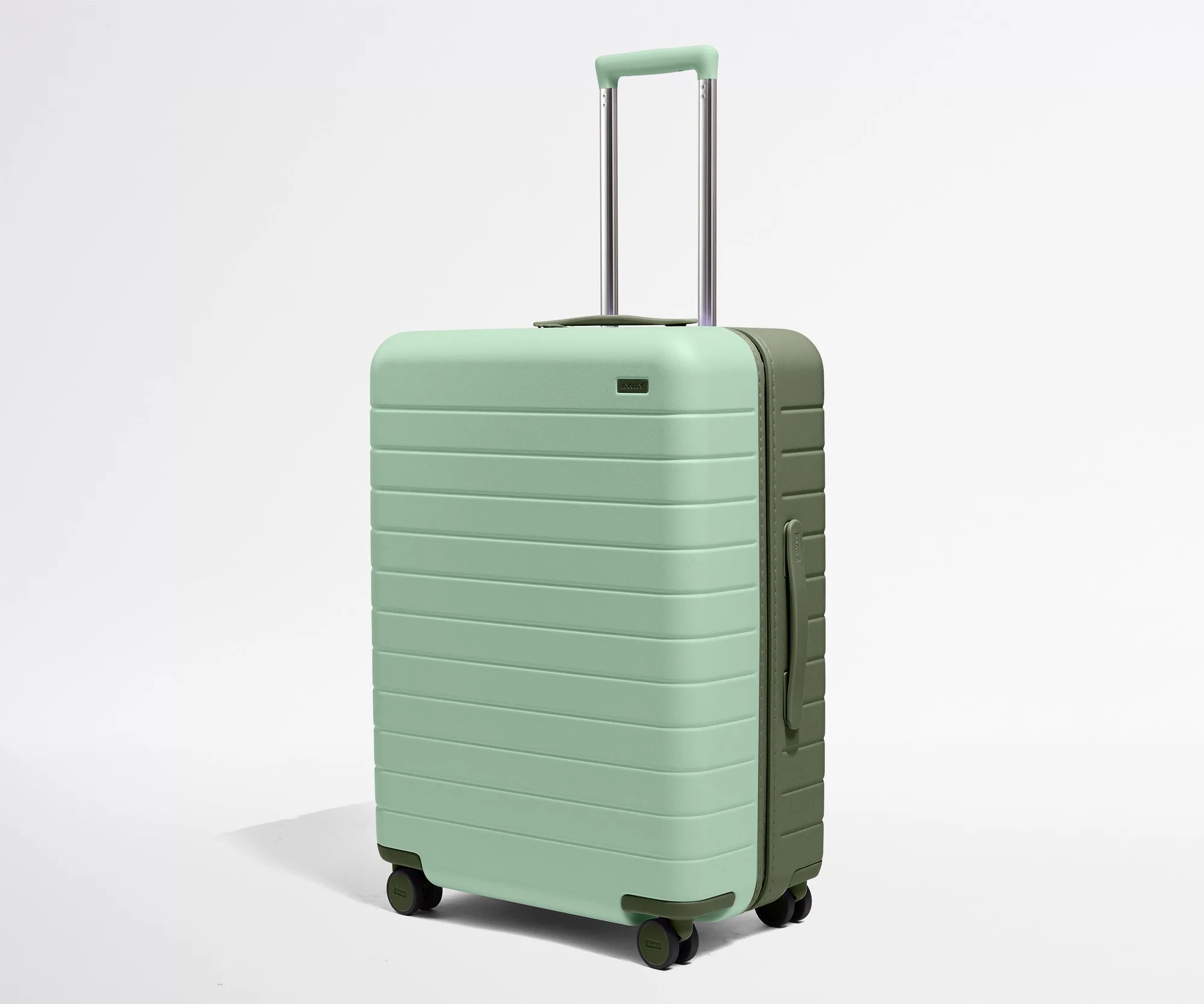
The Trunk
Aluminum: The Tough, Timeless Choice
Aluminum hard shells are known for their strength and ability to handle rough handling. The Medium: Aluminum Edition is a prime example: its striking aluminum hard shell is tough enough to handle the wear and tear of baggage handlers. This makes it a great option for checked luggage that needs to survive busy airports. Aluminum also gives a sleek, classic look that many travelers prefer.
However, aluminum is heavier than other materials, and it can dent under extreme impact. It's also prone to scratching, which some see as character and others as damage. If you prioritize durability and aesthetics over weight, aluminum is a solid choice.
- Consider aluminum if you frequently check bags and want a shell that resists cracking.
- Be prepared for potential scratches and dents; they don't usually affect function.
Polycarbonate: Lightweight and Resilient
Polycarbonate is a type of plastic known for being lightweight yet impact-resistant. The Trunk uses a lightweight, durable hard shell that's been rigorously tested, making it a good middle ground between aluminum and softside. Polycarbonate can flex slightly under pressure, which helps it absorb impacts without cracking.
One common myth is that hardside luggage cracks easily. In reality, quality polycarbonate is designed to take a beating. It may scuff, but it generally holds up well. For travelers who want a balance of weight and protection, polycarbonate is often the best bet.
- Polycarbonate is ideal if you want a hardside bag that's lighter than aluminum.
- Don't assume all hardside bags are brittle; material quality matters.
Softside: Flexibility and Organization
Softside luggage is made from fabrics like nylon or polyester. It's flexible, often lighter than hardside, and typically includes external pockets for easy access. While we don't have specific softside products in this article, the principle applies: softside bags can squeeze into tight spaces and are less likely to crack.
The trade-off is less protection for fragile items and less water resistance. Softside is a good choice for travelers who need to access items on the go or who pack irregularly shaped gear.
- Choose softside if you value external pockets and flexibility.
- Keep in mind that softside offers less structural protection than hardside.
Myth: Hardside Luggage Is Always Heavier
Many people assume hardside luggage is heavier than softside. While aluminum shells are indeed heavier, polycarbonate hardside can be surprisingly light. The Trunk, for instance, features a lightweight, durable hard shell, showing that hardside doesn't automatically mean heavy.
The truth is that weight depends on the specific material and construction. Always check the product specs rather than relying on generalizations. If weight is a priority, look for polycarbonate or other advanced plastics.
- Don't dismiss hardside based on weight alone; compare actual specs.
- Polycarbonate hardside can rival softside in weight.
Myth: Aluminum Luggage Is Indestructible
Aluminum is tough, but it's not indestructible. It can dent if dropped from a height or hit with force. The Medium: Aluminum Edition is designed to handle wear and tear, but it's not immune to damage. Scratches are also common, though they can often be buffed out.
Understanding this helps set realistic expectations. Aluminum luggage is durable, but it will show signs of travel. For many, that's part of its charm.
- Accept that aluminum will acquire scratches and possibly dents over time.
- Consider a suitcase cover if you want to minimize cosmetic wear.
Material Myths: Verdicts
- Myth: Hardside luggage cracks easily.: Quality polycarbonate and aluminum shells are designed to absorb impact. The Trunk's hard shell is rigorously tested, and The Medium: Aluminum Edition is built to handle baggage handler wear and tear. Verdict: False. Well-made hardside luggage is durable.
- Myth: Aluminum luggage is indestructible.: Aluminum can dent under extreme force and will scratch. The Medium: Aluminum Edition is tough but not immune to damage. Verdict: False. Expect some wear, but it's still very durable.
- Myth: Hardside luggage is always heavier than softside.: Polycarbonate hardside like The Trunk is lightweight. Aluminum is heavier, but not all hardside is heavy. Verdict: False. Weight varies by material; check specs.
Product facts
- The Medium: Aluminum Edition: Its striking aluminum hard shell is tough enough to handle the wear and tear of baggage handlers, and its 360° spinner wheels can speed smoothly across airports, train platforms, and cobblestoned streets. This makes it a reliable choice for frequent flyers who need a durable checked bag that rolls easily on various surfaces.
- The Trunk: It features a lightweight, durable hard shell that's been rigorously tested and a signature interior compression system that helps you pack more. The lightweight shell reduces overall luggage weight, while the compression system maximizes space—ideal for longer trips.
Choosing the right luggage material comes down to your priorities: aluminum for maximum toughness and style, polycarbonate for a lightweight hardside, or softside for flexibility. Now that you know the facts, you can pick the Away bag that fits your journey.