If you struggle with persistent redness, rosacea, or post-acne marks, you have likely encountered two powerhouse ingredients: azelaic acid and niacinamide. Both are celebrated in the skincare community for their ability to calm inflammation, fade discoloration, and improve overall skin tone. But when it comes to choosing between them — or deciding whether to use both — the answer isn't always straightforward. In this detailed comparison, we break down the science, benefits, and ideal uses of each ingredient so you can customize your routine with confidence.
Understanding Azelaic Acid: The Multitasking Redness Fighter
Azelaic acid is a naturally occurring dicarboxylic acid found in grains like barley and wheat. It is best known for its ability to reduce inflammation, kill acne-causing bacteria, and inhibit the production of melanin. Unlike stronger exfoliating acids (glycolic or salicylic), azelaic acid is gentle enough for sensitive skin and is often recommended by dermatologists for rosacea and acne-prone complexions.
- Key benefits: Reduces redness and swelling, unclogs pores, fades post-inflammatory hyperpigmentation (PIH), and has antimicrobial properties.
- Best for: Rosacea, sensitive skin with visible redness, papules, and pustules, as well as mild to moderate acne.
- How to use: Apply a pea-sized amount after cleansing and before moisturizer, typically in the evening. Start with low concentrations (5-10%) if you are new to the ingredient.
Understanding Niacinamide: The Brightening Barrier Booster
Niacinamide, a form of vitamin B3, is a water-soluble vitamin that strengthens the skin barrier, regulates sebum production, and improves uneven pigmentation. It is one of the most researched skincare ingredients and is compatible with almost every skin type — including oily, dry, and sensitive. Niacinamide is not an exfoliant; instead, it works by supporting the skin's natural repair processes.
- Key benefits: Reduces redness and blotchiness, improves skin elasticity, minimizes pore appearance, and brightens dark spots without irritation.
- Best for: Oily and combination skin, sensitive skin, and those dealing with dullness or mild hyperpigmentation.
- How to use: Can be used morning and evening after toner and before moisturizer. Most serums contain 5-10% niacinamide.
Azelaic Acid vs Niacinamide: Head-to-Head Comparison
Factor
Azelaic Acid
Niacinamide
Primary action
Anti-inflammatory, antimicrobial, melanin inhibition
Barrier repair, sebum regulation, brightening
Redness reduction
Excellent for rosacea and inflammatory redness
Good for general blotchiness and sensitivity
Hyperpigmentation
Fades dark spots from acne or injuries
Brightens overall complexion, reduces dullness
Acne
Targets bacterial acne and clogged pores
Helps regulate oil production
Skin type suitability
Very sensitive, rosacea-prone, acne-prone
All types, including oily and reactive
Pilling risk
Low (gel or cream formulas)
Medium (can pill if layered incorrectly)
Which Ingredient Should You Choose for Redness?
If your primary concern is persistent, visible redness — especially from rosacea or chronic inflammation — azelaic acid is your best bet. Its direct anti-inflammatory action reduces the appearance of broken capillaries and swollen papules. For example, our Collagen Retinol Refining Gua Sha Cream includes gentle retinol alongside soothing ingredients that can help calm redness over time, but for targeted redness, azelaic acid serums are more potent.
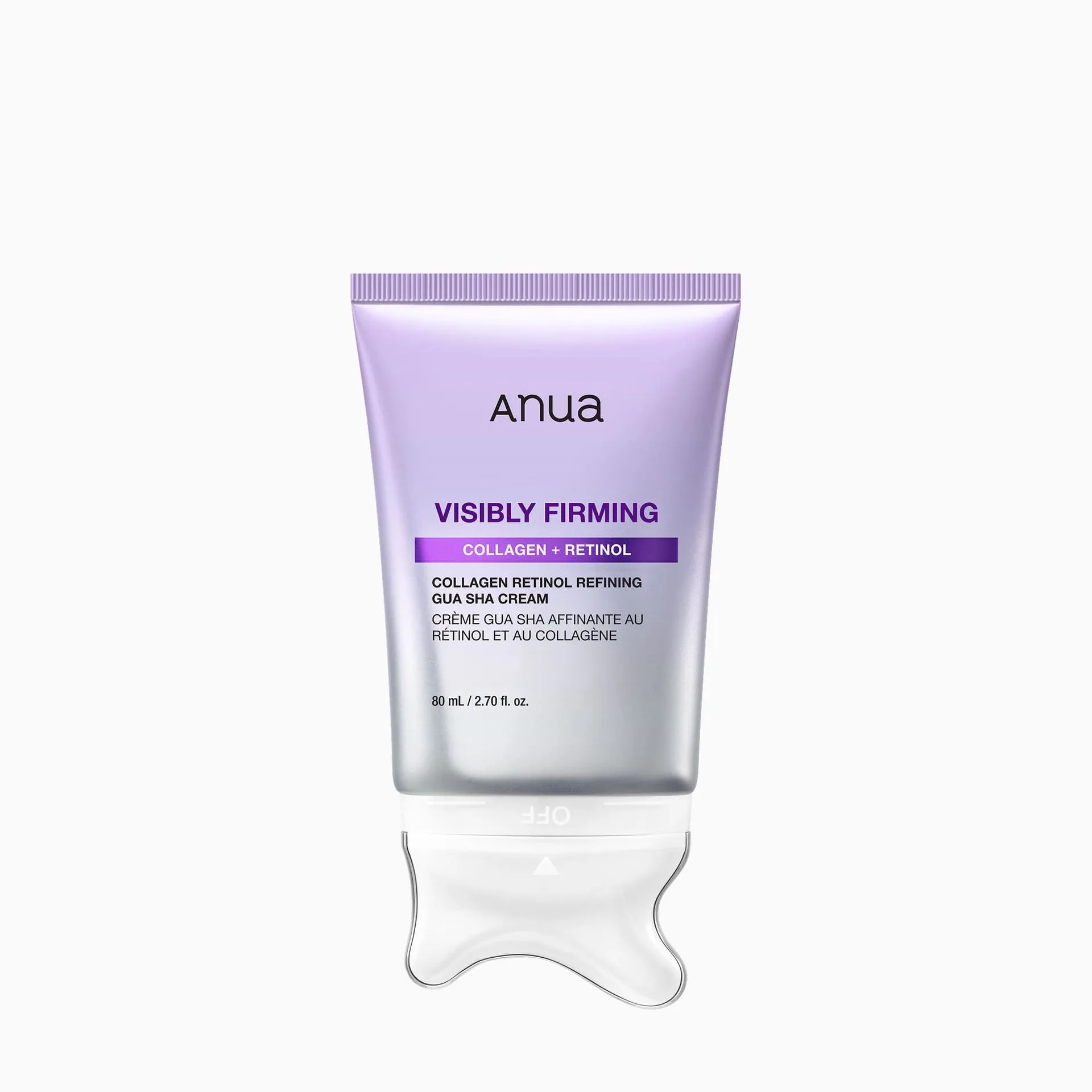
Collagen Retinol Refining Gua Sha Cream
On the other hand, if your redness is mild and accompanied by uneven texture, oily T-zone, or post-acne marks, niacinamide offers a gentler, everyday solution. A product like our Peach 77 Niacin Conditioning Milk delivers a creamy dose of niacinamide that hydrates while fading blotchiness, making it ideal for morning use under sunscreen.
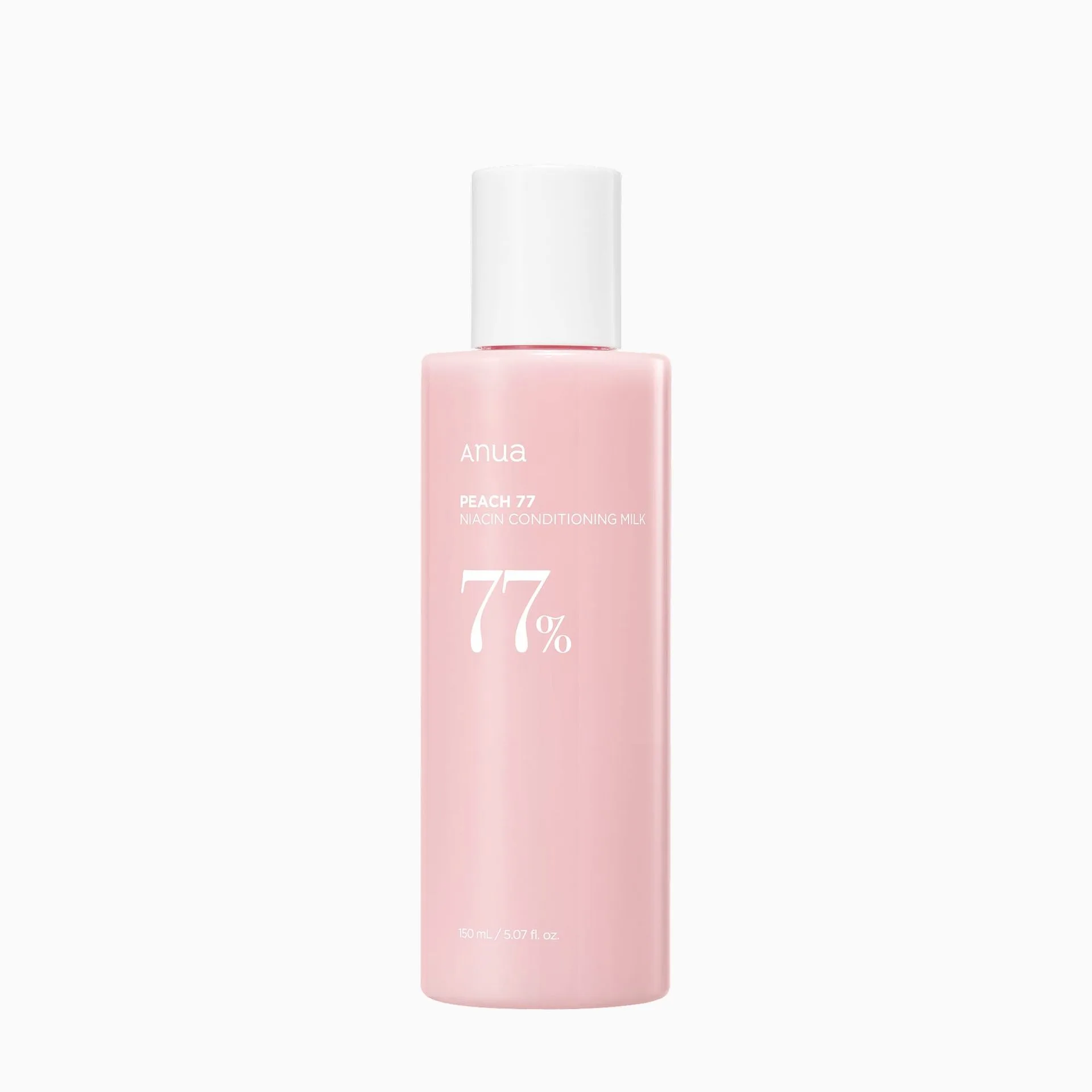
Peach 77 Niacin Conditioning Milk
Can You Use Azelaic Acid and Niacinamide Together?
Absolutely. These two ingredients are highly complementary. Azelaic acid works on the deeper layers to quell inflammation and kill bacteria, while niacinamide strengthens the surface barrier and boosts overall radiance. Use azelaic acid in your evening routine and niacinamide in the morning, or layer them with a few minutes in between — azelaic acid first (if it's a serum or cream), then niacinamide. Start with one product per routine to assess tolerance.
Redness-Reducing Routine Recommendations
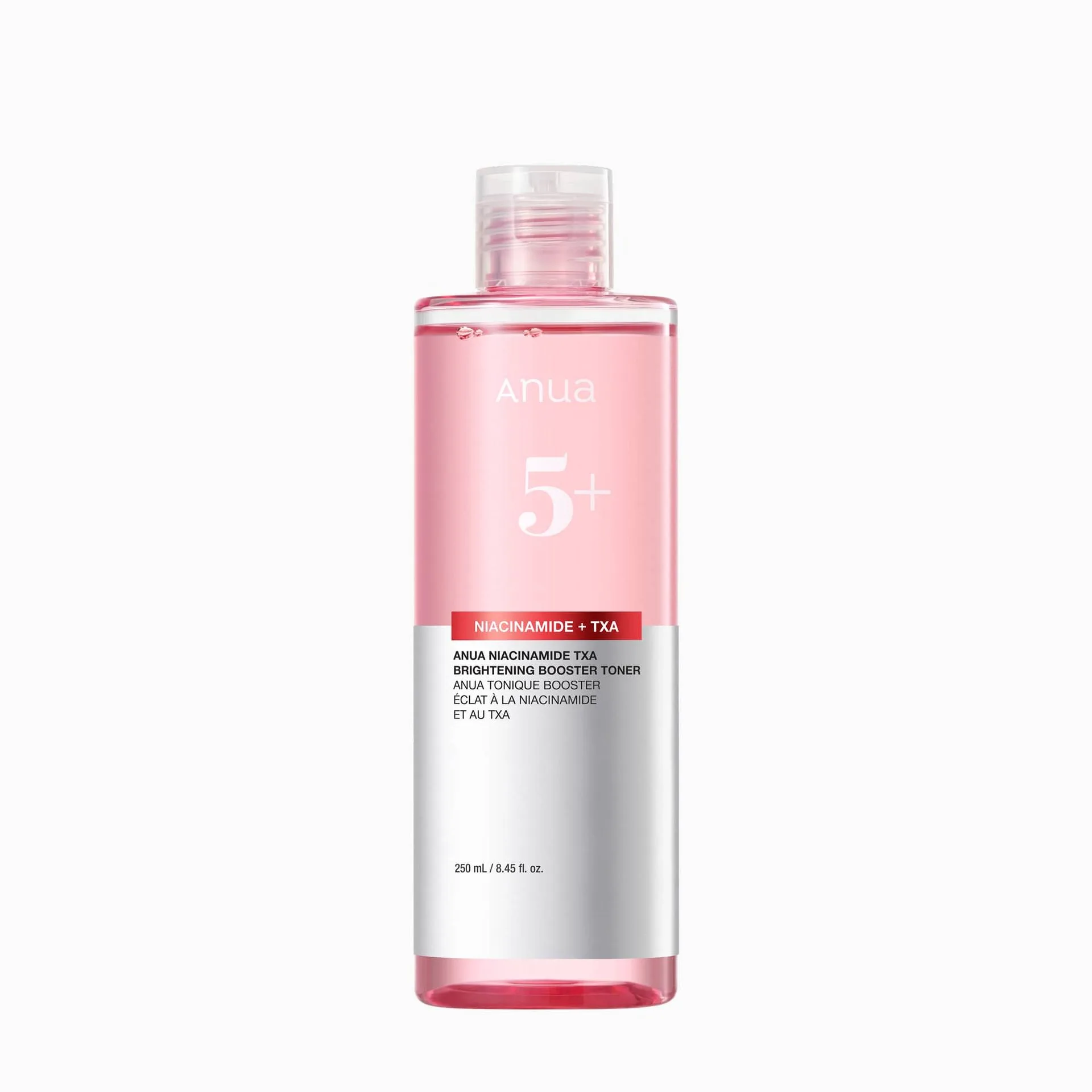
Building a redness-calming routine is about more than just active ingredients. You also need a gentle cleanser, a hydrating toner, and a protective sunscreen. For a brightening yet soothing start, try the Niacinamide Tranexamic Acid Brightening Booster Toner — it pairs niacinamide with tranexamic acid to fade redness and dark spots without irritation. Follow with a lightweight moisturizer and always finish with SPF 50+.
Morning Routine for Redness Reduction
- Gentle low-pH cleanser
- Hydrating toner (look for ceramides or centella asiatica)
- Niacinamide serum (e.g., 5% formula)
- Moisturizer with barrier-repairing ingredients
- Mineral sunscreen
Evening Routine for Redness Reduction
- Oil-based or micellar cleanser
- Water-based cleanser
- Azelaic acid treatment (start with 10% every other night)
- Niacinamide serum (optional, if skin tolerates both)
- Rich moisturizer (look for ceramides, panthenol, or squalane)
What About Other Redness-Reducing Ingredients?
Azelaic acid and niacinamide are not the only players. Centella asiatica (cica), green tea, panthenol, and ceramides also calm redness and reinforce the barrier. For example, the 3 Ceramide Panthenol Moisture Barrier Cream combines three types of ceramides with panthenol to restore compromised skin and reduce redness over time. This is a fantastic final step for anyone using azelaic acid or niacinamide.
Frequently Asked Questions
Can I use azelaic acid every day?
Yes, most people can use it daily after building tolerance. Start with three times per week and increase gradually.
Is niacinamide safe for rosacea?
Yes, niacinamide is generally very well tolerated. However, some rosacea patients may experience stinging with high concentrations (10%+).
Which ingredient fades dark spots faster?
Azelaic acid tends to show results faster on individual dark spots, but niacinamide is better for overall brightness. For stubborn pigmentation, consider the Spotless Skin Duo, which combines targeted serums for a comprehensive approach.
Final Verdict
There is no single "best" ingredient — the choice depends on your skin's unique needs. If you have rosacea, active acne, or deep redness, azelaic acid should be your priority. If your skin is more reactive, oily, or in need of brightening, niacinamide is a safer, everyday option. For the best results, use both in a well-planned routine with hydrating and barrier-repairing products.
Ready to calm your redness and reveal a more even complexion? Explore our Even Tone & Pore Refining Duo for a curated solution that pairs niacinamide with complementary actives to tackle both redness and texture concerns.