If you struggle with redness and blemishes, you’ve likely come across two powerhouse ingredients: azelaic acid and niacinamide. Both are celebrated for their calming and clarifying properties, but which one truly delivers better results for your skin concerns? In this article, we’ll break down the differences between azelaic acid vs niacinamide, how they work, and how to choose the right one—or combine them—for a clearer, more even complexion.
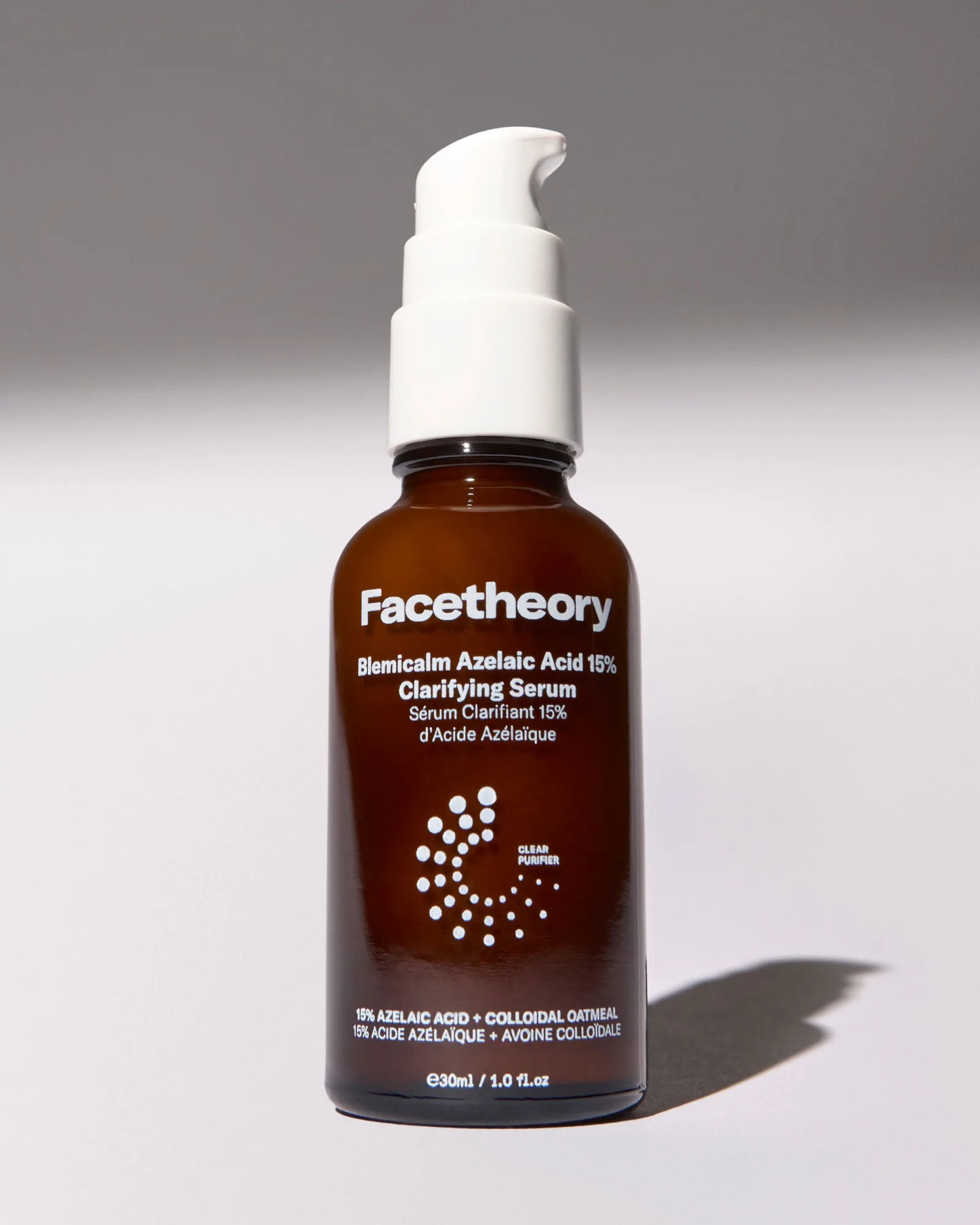
Azelaic acid is a naturally occurring dicarboxylic acid that targets acne, rosacea, and hyperpigmentation, while niacinamide (a form of vitamin B3) strengthens the skin barrier, reduces inflammation, and regulates oil production. Understanding their unique benefits will help you tailor your skincare routine for maximum redness relief and blemish control.
How Azelaic Acid Works for Redness and Blemishes
Azelaic acid is a multitasking ingredient that combats acne-causing bacteria, reduces inflammation, and fades post-inflammatory hyperpigmentation. It works by normalizing the shedding of dead skin cells, which helps unclog pores and prevent future breakouts. For redness, azelaic acid is particularly effective because it calms the inflammatory response that causes rosacea and acne-related flushing.
Clinical studies show that azelaic acid can significantly reduce papules and pustules associated with rosacea, making it a go-to for sensitive, redness-prone skin. Unlike harsh exfoliants, it’s gentle enough for daily use and can be layered with other active ingredients. For a targeted solution, consider a product like the ClariCleanse AHA & BHA Exfoliating Cleanser, which combines gentle exfoliation with soothing properties to help manage blemishes and redness without stripping the skin.
- Reduces acne-causing bacteria and inflammation
- Fades dark spots and post-acne marks
- Safe for sensitive and rosacea-prone skin
How Niacinamide Works for Redness and Blemishes
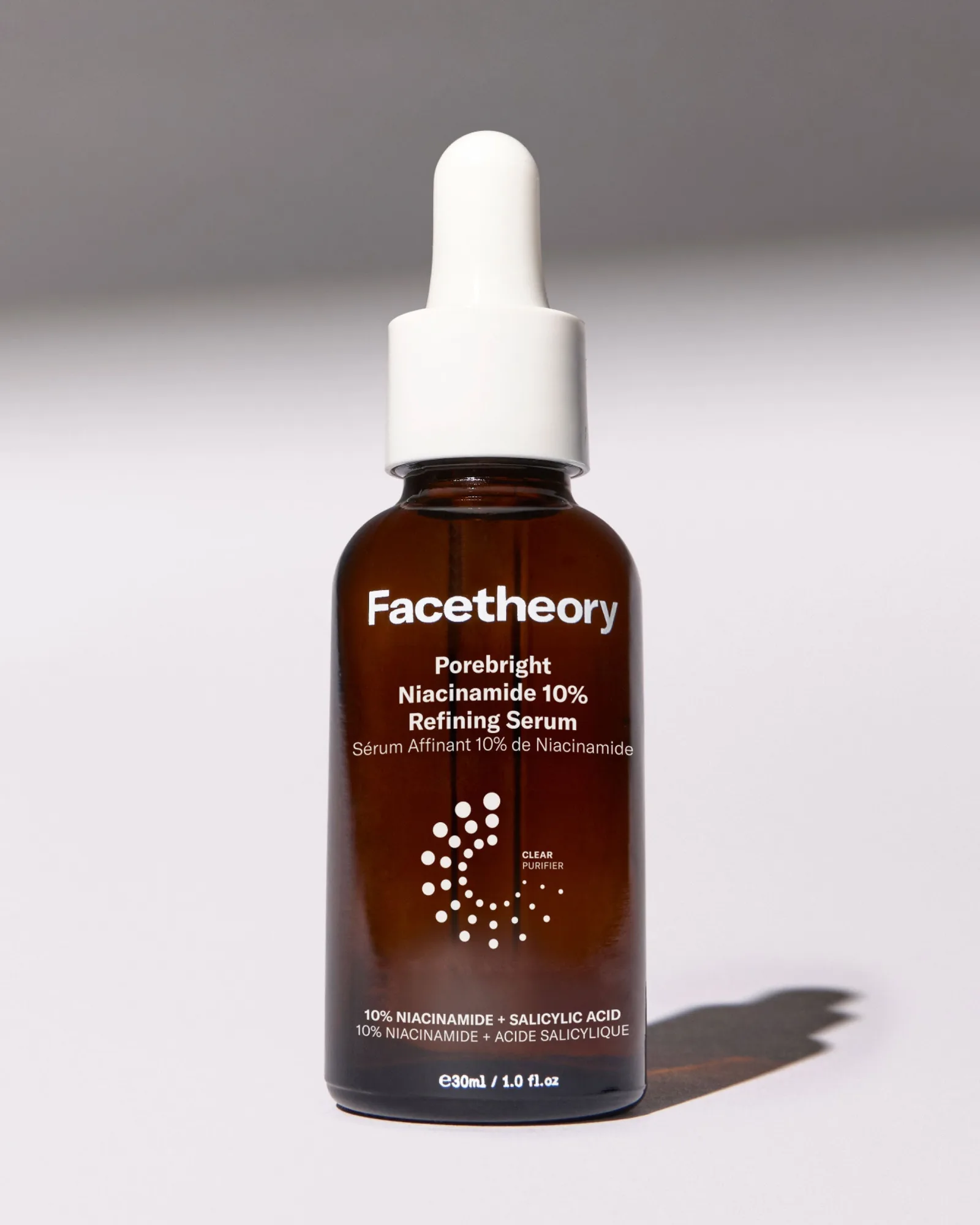
Niacinamide is a versatile vitamin that strengthens the skin barrier, improves texture, and reduces the appearance of pores. It works by boosting ceramide production, which helps lock in moisture and protect against environmental irritants that can trigger redness. For blemishes, niacinamide regulates sebum production and has anti-inflammatory properties that calm active breakouts.
One of niacinamide’s standout benefits is its ability to even out skin tone and reduce redness over time. It’s also highly compatible with other ingredients like vitamin C and retinol, making it easy to incorporate into any routine. For a hydrating boost that targets both redness and blemishes, the HydraSerene Night Cream combines niacinamide with soothing botanicals to repair the skin barrier overnight, leaving skin calm and balanced.
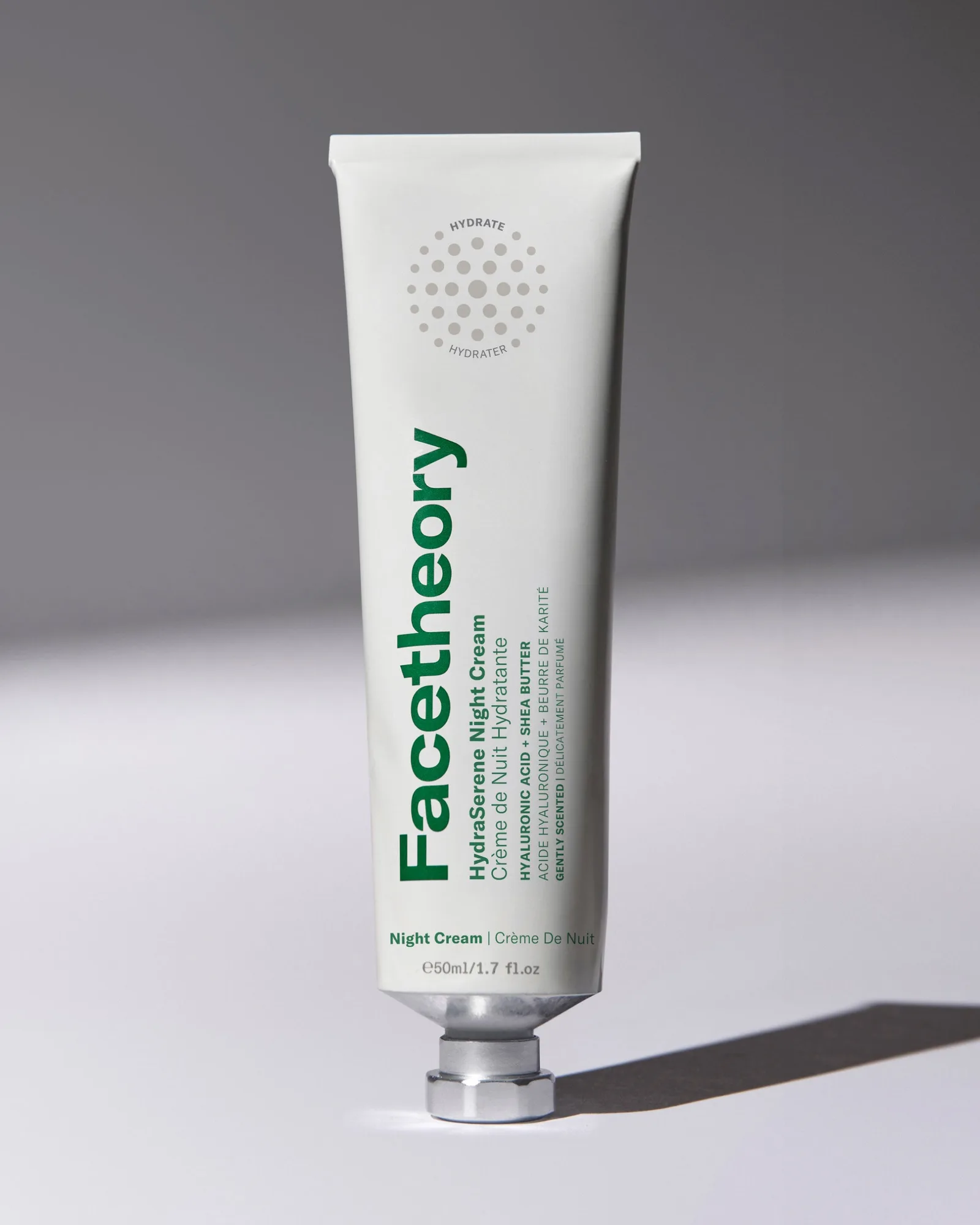
HydraSerene Night Cream
- Strengthens the skin barrier and reduces sensitivity
- Regulates oil production for fewer breakouts
- Calms redness and evens skin tone
Azelaic Acid vs Niacinamide: Key Differences
While both ingredients address redness and blemishes, their mechanisms differ. Azelaic acid is more potent for targeting active acne and rosacea-related redness, making it ideal for those with persistent breakouts or visible flushing. Niacinamide, on the other hand, excels at long-term barrier repair and prevention, making it a better choice for general sensitivity and maintenance.
Another difference is how they interact with other actives. Azelaic acid can be paired with AHAs and BHAs for enhanced exfoliation, but should be introduced slowly to avoid irritation. Niacinamide is more forgiving and can be used morning and night alongside most ingredients. For a lightweight, non-comedogenic moisturizer that supports both goals, the Supergel Oil-Free Moisturiser provides hydration without clogging pores, making it an excellent base for layering either active.
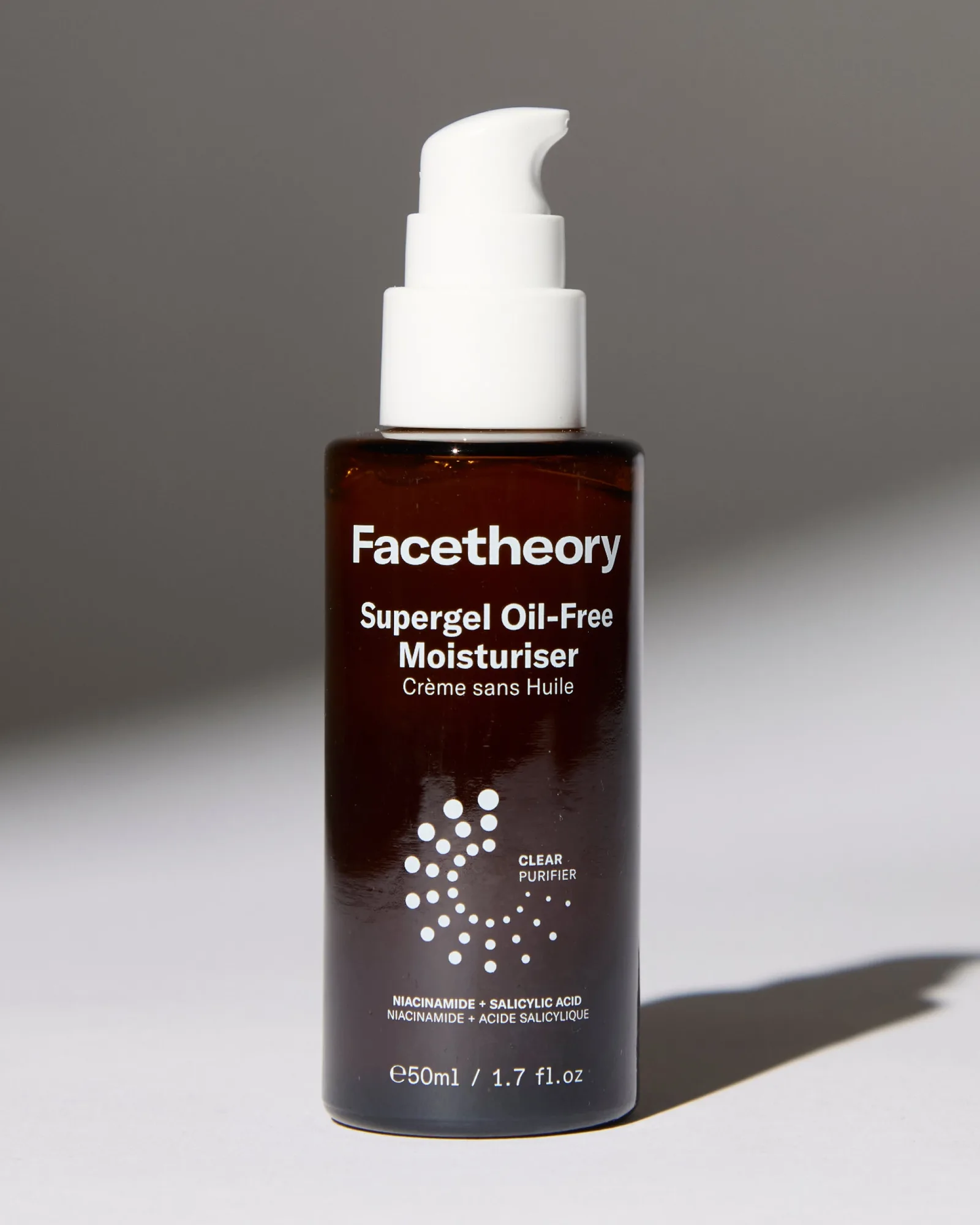
Supergel Oil-Free Moisturiser
- Azelaic acid: best for active acne, rosacea, and hyperpigmentation
- Niacinamide: best for barrier repair, oil control, and long-term redness reduction
- Both can be used together for synergistic benefits
Can You Use Azelaic Acid and Niacinamide Together?
Yes, azelaic acid and niacinamide can be used together safely and often complement each other. Azelaic acid works on the surface to exfoliate and calm inflammation, while niacinamide supports deeper barrier function and hydration. This combination can be particularly effective for those with combination or acne-prone skin who also experience redness.
To layer them, apply azelaic acid first (after cleansing and toning) to allow it to penetrate, then follow with a niacinamide serum or moisturizer. Start with lower concentrations and use each product every other day to test tolerance. If you experience dryness, incorporate a hydrating serum like the Hyaluronic Acid 2% Plumping Serum to boost moisture without interfering with the actives.
- Apply azelaic acid first, then niacinamide
- Start with lower concentrations and alternate days
- Use a hydrating serum to prevent dryness
Which One Should You Choose?
Your choice depends on your primary concern. If you have active, inflamed breakouts or rosacea, azelaic acid is likely your best bet for rapid redness reduction and blemish control. If your skin is generally sensitive, prone to oiliness, or you want to strengthen your barrier over time, niacinamide is a gentle, effective option.
For those who want the best of both worlds, a routine that includes both ingredients can deliver comprehensive results. Start with a gentle cleanser and a niacinamide-rich moisturizer, then add azelaic acid as a treatment step. Always patch test new products and consult a dermatologist if you have severe rosacea or acne.
- Choose azelaic acid for active acne and rosacea flushing
- Choose niacinamide for barrier support and general sensitivity
- Combine both for a complete redness and blemish solution
Whether you opt for azelaic acid, niacinamide, or both, the key to calming redness and clearing blemishes lies in consistency and choosing products suited to your skin type. Explore the ClariCleanse AHA & BHA Exfoliating Cleanser for a gentle yet effective start to your redness-fighting routine, and pair it with a soothing moisturizer for best results.