Quick Answer
Azelaic acid and tea tree both help acne, but they work differently. Azelaic acid is better for fading dark spots and unclogging pores without irritation, while tea tree shines as a natural antibacterial that calms redness. For most acne-prone skin, azelaic acid is the more versatile choice, but tea tree is a solid option if you prefer plant-based ingredients or need quick spot relief.
If you have acne-prone skin, you've likely seen both azelaic acid and tea tree in cleansers, toners, and spot treatments. Both are praised for fighting breakouts, but they target acne through different mechanisms. Understanding those differences can help you choose the ingredient that matches your skin's needs and your routine.
Azelaic acid is a dicarboxylic acid that exfoliates, unclogs pores, and fades post-acne marks. Tea tree oil is a natural essential oil with antibacterial and anti-inflammatory properties. Both can be effective, but they have different strengths, textures, and potential downsides. Here's how they compare.
Azelaic Acid: The Multi-Tasker for Acne and Dark Spots
Azelaic acid is a gentle exfoliant that works by loosening the bonds between dead skin cells and clearing the pores. This helps prevent blackheads and whiteheads, and it also has antibacterial effects against the bacteria that contribute to acne. Because it's less irritating than many other acids, it's often recommended for sensitive or rosacea-prone skin.
One of the biggest benefits of azelaic acid is its ability to fade post-inflammatory hyperpigmentation—the dark marks that linger after a breakout. It inhibits melanin production, so it's particularly useful if you're dealing with acne scars or uneven tone. It's also suitable for long-term use, making it a staple in many acne routines.
- Look for azelaic acid in serums or creams, and start with a lower concentration if you're new to acids.
Tea Tree: Nature's Antibacterial with Calming Power
Tea tree oil is a natural essential oil known for its strong antibacterial and anti-inflammatory properties. When applied to the skin, it can help reduce the bacteria that cause acne and soothe the redness and swelling that come with pimples. It's a popular choice for those who prefer plant-based ingredients or want a more natural approach to skincare.
However, tea tree oil can be sensitizing if used at high concentrations or without proper dilution. It's most effective as a spot treatment rather than an all-over serum, and it may not address clogged pores or dark spots as effectively as azelaic acid. It also has a distinct scent that some people find strong.
- Always use tea tree products that are formulated for the face—never apply pure essential oil directly to skin.
Comparing Them Side by Side
When you put azelaic acid and tea tree side by side, the key differences come down to action and results. Azelaic acid exfoliates and unclogs pores, making it better for preventing breakouts and fading marks. Tea tree reduces bacteria and inflammation, making it great for calming active pimples quickly.
In terms of skin type, azelaic acid is generally well-tolerated by sensitive, dry, and combination skin, while tea tree can be drying if overused. For oily and acne-prone skin, both can work, but you may need to adjust how often you use them. Azelaic acid is also more versatile—it can be used across the face, while tea tree is usually reserved for spot treatment.
- If you're prone to both breakouts and dark spots, azelaic acid may offer more comprehensive benefits.
How to Incorporate Them Into Your Routine
You don't necessarily have to choose one over the other. Some people use azelaic acid as a daily serum and tea tree as an occasional spot treatment. If you're new to both, start with one and introduce the other slowly to avoid irritation.
For azelaic acid, use it in the morning or evening after cleansing and before moisturizer. For tea tree, apply a small amount directly to blemishes after cleansing. Always follow with sunscreen in the morning, as both can increase sun sensitivity.
- Patch test any new product, especially if you have sensitive skin.
The Trade-Off at a Glance
- Exfoliation vs. Antibacterial: Azelaic acid exfoliates and unclogs pores, while tea tree kills bacteria and reduces inflammation. If your main issue is clogged pores, azelaic acid wins. If you need to calm active pimples fast, tea tree is your pick. Choose based on your primary concern.
- Dark Spots vs. Redness: Azelaic acid fades post-acne marks, while tea tree reduces redness. If you're dealing with hyperpigmentation, azelaic acid is more effective. For red, angry pimples, tea tree helps soothe. Think about what bothers you most after the breakout.
- Tolerance and Texture: Azelaic acid is generally gentler and can be used all over the face. Tea tree can be drying and is best as a spot treatment. If you have sensitive skin, azelaic acid may be safer. Consider your skin's sensitivity and how much time you have for a routine.
SKIN1004 Products That Help Acne-Prone Skin
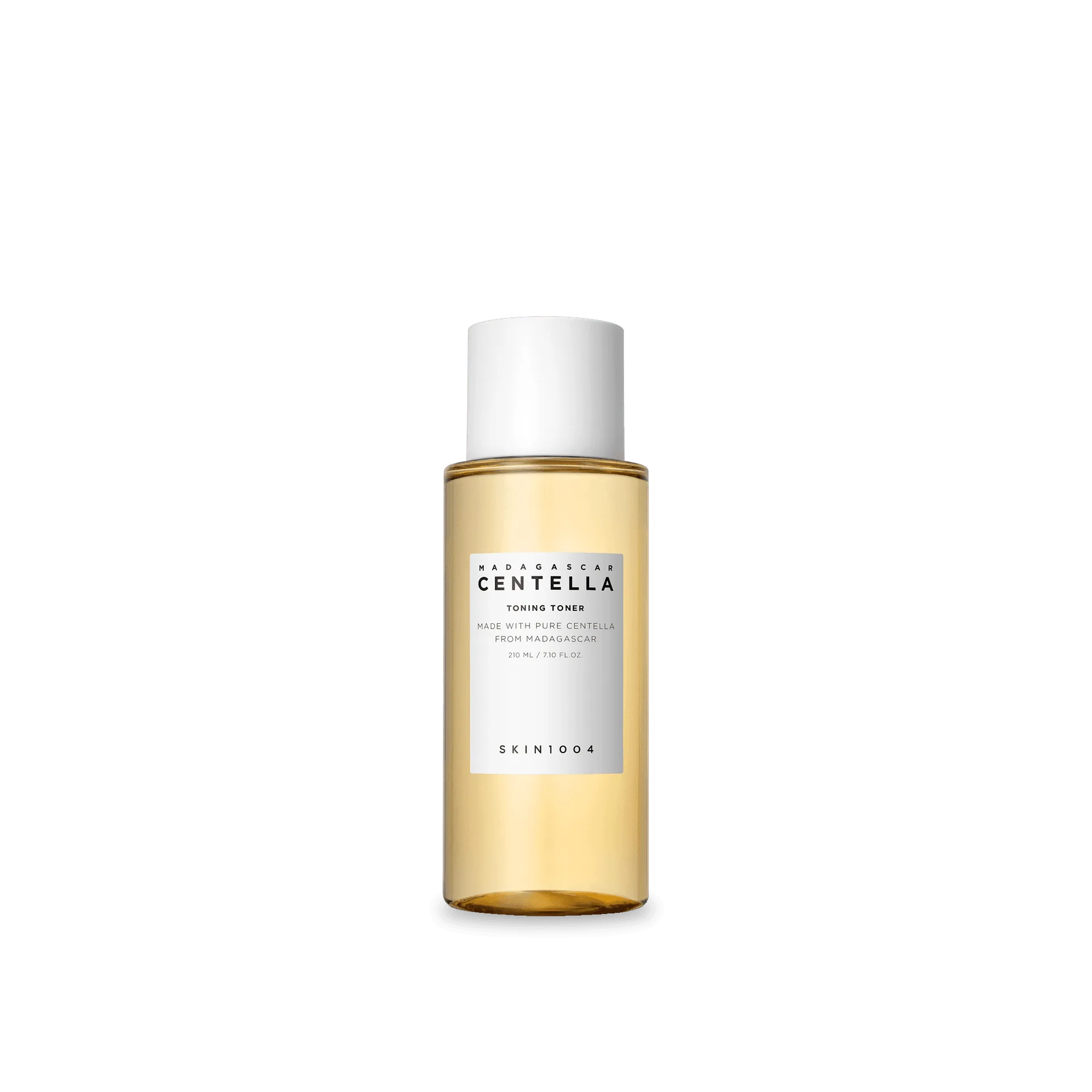
- Tea-Trica Purifying Toner: SKIN1004's Tea-Trica Purifying Toner is formulated to help address acne and blemish concerns while calming sensitive and oily skin. It targets acne and blemish-prone skin with a purifying formula and helps calm and soothe sensitive skin. This toner is a great way to incorporate tea tree benefits into your daily routine without the risk of irritation from pure essential oil. Use it after cleansing to prep your skin and reduce redness.
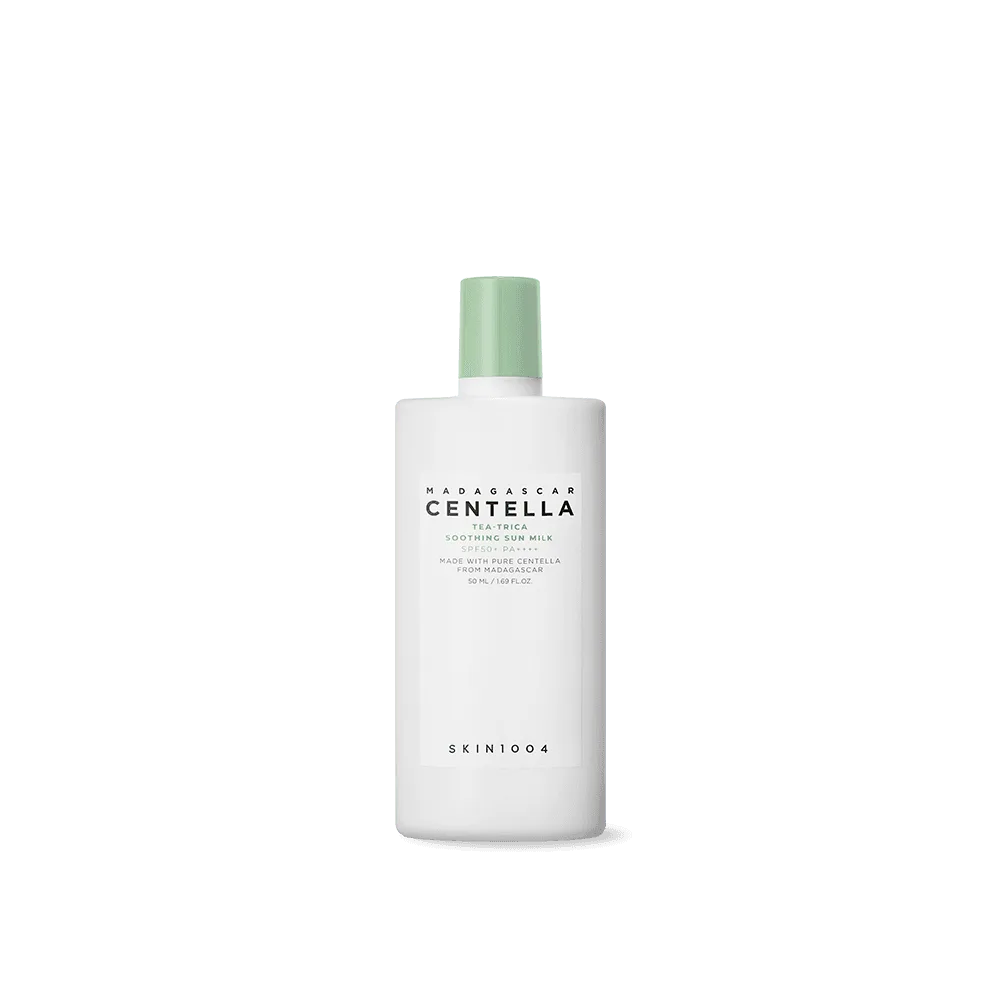
- Tea-Trica Soothing Sun Milk: SKIN1004 Tea-Trica Soothing Sun Milk offers gentle sun protection designed for acne-prone, combination, and oily skin types. It helps shield your skin from harmful UV rays while soothing irritation, without clogging pores. Sunscreen is non-negotiable when using exfoliating ingredients like azelaic acid. This lightweight milk protects your skin while calming it, making it a good pair for your acne routine.
- Tea-Trica Mild Peeling Gel: SKIN1004's Tea-Trica Mild Peeling Gel is a gentle exfoliating cleanser designed to help remove dead skin cells and impurities without irritation. It works to refine skin texture and support a clearer, more balanced complexion. If you're using tea tree or azelaic acid, gentle exfoliation is key. This peeling gel removes dead skin without stripping, so your active ingredients can work better.
- Centella Soothing Cream: SKIN1004 Centella Soothing Cream is a gentle, calming moisturizer designed to support sensitive, dry, or combination skin. Formulated with Centella Asiatica, it helps hydrate and soothe while targeting concerns like acne, blemishes, and dryness. A healthy moisture barrier helps your skin tolerate active ingredients. This cream calms irritation and keeps your skin hydrated, making it a good base for both azelaic acid and tea tree.
Which Should You Choose?
Best for
- Azelaic acid: those dealing with clogged pores, blackheads, and post-acne dark spots, especially if you have sensitive or easily irritated skin.
- Tea tree: those who prefer natural ingredients and need quick relief for inflamed pimples, or who want a targeted spot treatment.
Not for
- Azelaic acid: not ideal if you're looking for a fast-drying spot treatment or if you dislike the texture of creams/serums.
- Tea tree: not recommended for very dry or sensitive skin if used in high concentrations, or if you're prone to allergic reactions to essential oils.
Both azelaic acid and tea tree have a place in an acne-fighting routine. If you want a multi-tasking ingredient that prevents breakouts and fades marks, azelaic acid is the stronger choice. If you prefer a natural, targeted approach for active pimples, tea tree works well. You can even combine them—use azelaic acid as your daily treatment and tea tree for spot emergencies. Listen to your skin and adjust as needed.