Quick Answer
A Baader solar film filter is a safe, affordable way to see sunspots in white light, while a dedicated h-alpha solar telescope like the Coronado SolarMax III reveals solar flares and prominences. Choose based on your budget and what details you want to observe.
What Each Option Actually Shows
The biggest difference comes down to wavelength. A white-light solar filter made with Baader solar film shows the Sun's surface as we see it in visible light. That means sunspots and subtle granulation are the main targets. It will not show prominences or flares because those features emit in hydrogen-alpha wavelengths.
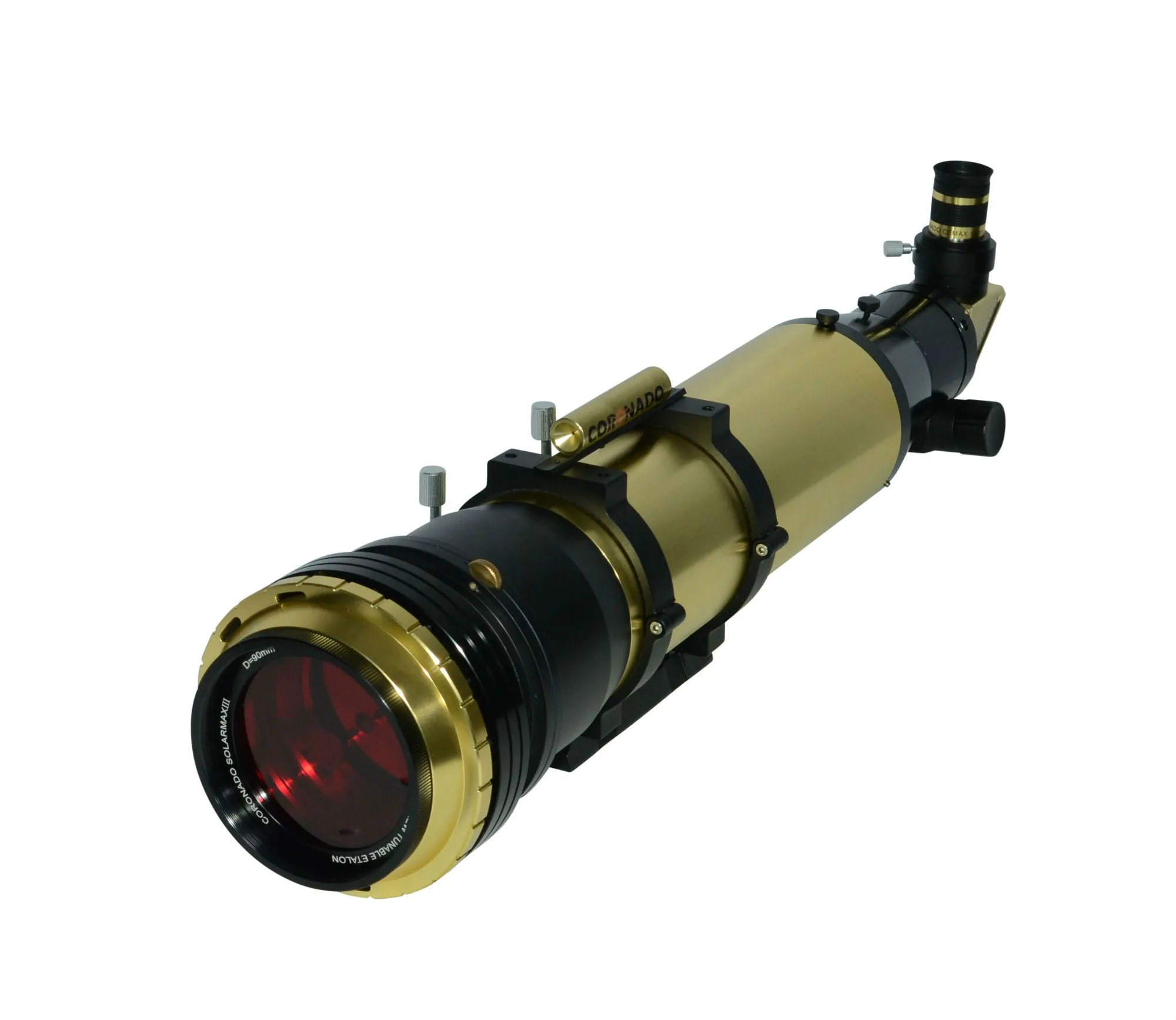
A dedicated h-alpha solar telescope, such as the Coronado 90mm SolarMax III, isolates the hydrogen-alpha line. This reveals dynamic features like prominences, filaments, and active regions that are invisible in white light. The trade-off is cost and complexity: the Coronado is a complete telescope with a built-in etalon, while the film is just the filter material you mount yourself.
Safety and Ease of Use
Both approaches are safe when used correctly, but they require different levels of setup. The AstroZap Baader Solar Film comes as a 177 mm x 177 mm sheet with instructions for making your own visual solar filter. You must mount it securely over the front of your telescope before pointing it at the Sun. This is a DIY project that demands care and attention.
A dedicated solar telescope is ready to observe out of the box. There is no filter assembly, and the built-in blocking filter ensures the h-alpha light is safe for visual use. If you want to minimize setup time and avoid DIY mistakes, a dedicated telescope is more convenient.
Cost and Commitment
The price gap is significant. The AstroZap Baader Solar Film is listed at USD 23.18, making it an entry-level way to start solar observing with a telescope you already own. The Coronado 90mm SolarMax III is a premium instrument at USD 3699.99, aimed at serious solar enthusiasts who want the full hydrogen-alpha experience.
If you are just curious about sunspots, the film is a low-cost experiment. If you are committed to solar observing and want to see the most dramatic solar activity, the dedicated telescope justifies its higher price with capability that no white-light filter can match.
Verdicts on Common Solar Observing Claims
- Claim: Baader film is unsafe for solar viewing: False. Baader solar film is specifically made for visual solar use. When properly mounted over the front of the telescope, it is a safe alternative to mounted filters. Always inspect the film for damage before each use and mount it securely.
- Claim: A white-light filter shows the same details as an h-alpha telescope: False. White-light filters reveal sunspots and granulation, but they cannot show prominences, filaments, or flares. Those require h-alpha viewing.
- Claim: A dedicated solar telescope is only for experts: Partly false. While it is a bigger investment, a dedicated h-alpha telescope is ready to use out of the box and does not require DIY assembly, making it accessible to any careful observer. If you are new to solar observing, start with a white-light filter and then decide if h-alpha is worth the upgrade.
Products Mentioned
-
AstroZap 177 mm x 177 mm Visual Baader Solar Film for Visual Use - AZ1029: The AstroZap 177 mm x 177 mm Baader Solar Film is a visual-use film that you can cut and mount to create your own solar filter. It includes instructions for simple installation. This lets you build a safe white-light solar filter for your existing telescope at a low cost, ideal for sunspot viewing.

AstroZap 177 mm x 177 mm Visual Baader Solar Film for Visual Use - AZ1029
-
Coronado 90mm SolarMax III Solar Telescope - BF15 - 324011: The Coronado 90mm SolarMax III is a 90mm hydrogen-alpha solar telescope with an 800mm focal length and a 15mm blocking filter, designed for high-contrast views of solar features. Its h-alpha etalon reveals prominences and flares that white-light filters cannot show, making it a complete solution for advanced solar observing.
Coronado 90mm SolarMax III Solar Telescope - BF15 - 324011