Quick answer
For sleep, choose a small, breathable blanket in cotton or bamboo and use it only as a tucked-in layer over a fitted sheet, never loose in the crib with a baby under one year. For stroller, car seat, and cuddle use, a slightly larger, warmer blanket in fleece or a double-layer knit works better. Buy two: one lightweight for sleep, one warmer for outings.
A baby blanket is one of the few purchases you will use every single day, often several times a day. That is exactly why it is easy to buy the wrong one: the softest blanket in the store is not always the safest for sleep, and the safest sleep blanket is usually too thin for a cold stroller walk.
This guide separates those two jobs. You will get concrete rules for choosing baby blanket fabric, matching size to use, and applying safe sleep guidance, plus honest trade-offs so you can decide quickly instead of standing in an aisle squeezing every swatch.
Start with the job, not the fabric
Most blanket mistakes happen because shoppers pick a material first. Instead, name the primary use. A sleep layer needs to be thin, breathable, and small enough to tuck under a mattress. A stroller or car seat blanket needs warmth and a size that covers legs without dragging on the ground. A tummy time or play mat blanket needs a little cushion and a surface that survives frequent washing.
If you can only buy one blanket, buy the sleep-safe lightweight option and add a warmer blanket later. Sleep safety rules are strict, while warmth is easy to layer with clothing, a sleep sack, or a car seat cover. Buying the warm blanket first often leaves parents with a beautiful blanket they cannot safely use in the crib.
- Write down the one place the blanket will be used most before you compare materials.
- Plan for at least two blankets if you use both a crib and a stroller daily.
Baby blanket materials: what each fabric actually does
Cotton is the default for a reason. It breathes, washes well, and handles repeated hot washes without pilling quickly. Muslin cotton is woven loosely, so it is extra breathable and dries fast, which makes it a strong choice for summer and for babies who run warm. The trade-off is that muslin feels thin and provides almost no warmth on its own.
Fleece and microfleece trap heat and feel soft immediately, which makes them excellent for cold-weather strollers and floor play. They are a poor choice for crib sleep because they do not breathe well and can cause overheating. Knit and jersey blankets sit in the middle: stretchy, cozy, and good for swaddling or cuddling, but often too warm and too bulky for safe sleep.
Bamboo and bamboo-cotton blends feel silky and are naturally temperature regulating, which helps babies who overheat easily. They usually cost more and can be more delicate in the wash. Wool is warm and durable but can irritate sensitive skin and requires careful laundering. If a material claim is not listed on the product page, treat it as unknown rather than assuming softness equals breathability.
- Hot sleepers and summer babies: muslin or bamboo-cotton.
- Cold stroller walks: fleece or a double-layer knit.
- Sensitive skin: cotton or bamboo, and check for a smooth, low-pill finish.
Baby blanket sizes and how they fit each use
Receiving blankets are the smallest, usually around 30 by 30 inches, and work as a light layer, burp cloth, or stroller cover. Swaddle blankets run roughly 40 by 40 inches, which gives enough fabric to wrap securely. Crib blankets are larger, often 30 by 40 inches or more, and are best used as a tucked-in layer or a decorative top layer, not as a loose covering.
Fit matters more than the number on the label. A sleep blanket should tuck under the mattress on all sides with no excess fabric near the face. A stroller blanket should reach from chest to feet without trailing near wheels. A play blanket should extend at least a foot beyond your baby in every direction so there is room to roll.
- Measure your crib mattress before buying a crib-size blanket.
- For strollers, check that the blanket cannot slip into the wheel area.
Safety rules that override every other choice
For babies under one year, the safest sleep space is a firm mattress with a fitted sheet and nothing else: no loose blankets, pillows, bumpers, or stuffed animals. A blanket can be used as a tucked-in layer only if it is secured under the mattress and cannot come loose. If you are unsure whether it is secure, leave it out.
Avoid weighted blankets entirely for infants and toddlers. Weighted sleep products are not recommended for young children because they can restrict movement and breathing. Also skip blankets with long ribbons, beads, or loose appliques that can detach. When in doubt, choose the plainest blanket with the fewest attached parts.
- No loose blanket in the crib before the first birthday.
- No weighted blankets for babies or toddlers.
- Check seams and trim after every wash for loose threads.
Washing, durability, and how many to buy
Newborns spit up, leak, and drag blankets across the floor, so plan on washing at least twice a week. Cotton and muslin handle frequent hot washing best. Fleece holds up but can pill, and bamboo blends may need a gentler cycle and air drying to keep their softness. Always follow the care label, and wash new blankets before first use.
Two blankets is a realistic minimum: one in use, one clean. Three is comfortable if you use a blanket in the crib, the stroller, and on the floor. Buying a slightly larger size than you need today often backfires, because an oversized blanket is harder to tuck safely and harder to store.
- Pre-wash every new blanket with a fragrance-free detergent.
- Rotate blankets so no single one wears out first.
Decision rules for choosing a baby blanket
- If the blanket is for crib sleep: Choose a small, thin, breathable cotton or muslin blanket that tucks fully under the mattress, and use it only as a secured layer. If it cannot be tucked tight, it is not a sleep blanket.
- If the blanket is for stroller or car seat use: Choose a warmer fleece or double-layer knit in a size that covers the legs without touching the wheels or dragging. Warmth is fine here because the blanket is supervised and removable.
- If your baby runs hot or it is summer: Choose single-layer muslin or a bamboo-cotton blend and dress your baby in one fewer layer underneath. Breathability beats thickness for hot sleepers.
- If your baby has sensitive skin: Choose smooth cotton or bamboo, avoid wool, and wash before first use with a fragrance-free detergent. Fabric finish matters as much as fiber content.
- If you are unsure between two sizes: Buy the smaller one for sleep and the larger one only for floor or stroller use. Oversized blankets are a safety problem, not a value upgrade.
Related products worth knowing
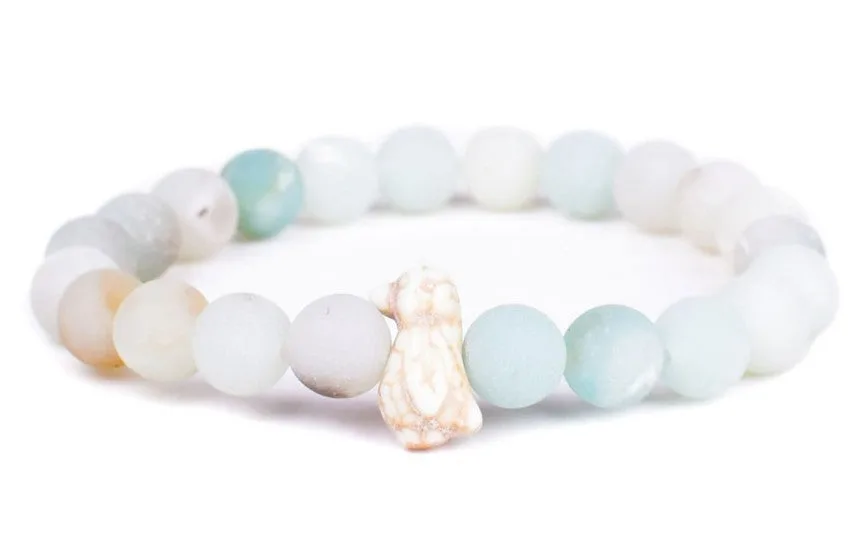
- Passage - Sky Stone Penguin: This set includes a beaded bracelet, a penguin tracking card, and access to a wildlife tracking platform, with a portion of each purchase supporting wildlife conservation. A good gift for an older sibling or a new parent who wants a keepsake rather than another blanket, and the tracking element gives it a longer life than baby-only gear.
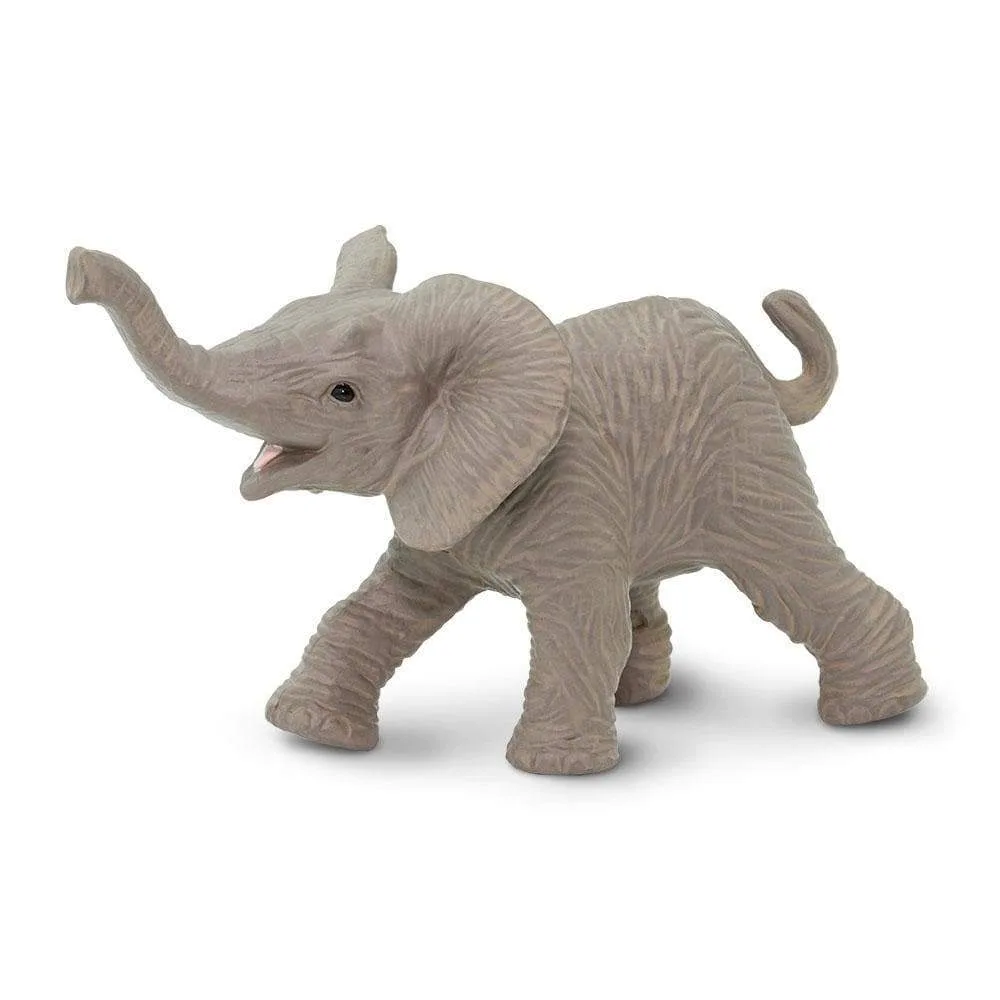
- African Elephant Baby Toy: The African Elephant can actually be two different species, including the African bush elephant and the somewhat smaller African forest elephant. A small animal figure like this pairs naturally with a wildlife-themed nursery or a toddler quiet-time basket once the blanket stage moves from sleep to play.
Who this guidance fits
Best for
- Parents and gift-givers buying a first blanket for a newborn or infant
- Families who need one blanket for sleep and another for stroller or floor use
- Shoppers comparing cotton, muslin, fleece, and bamboo options
Not for
- Anyone looking for a weighted blanket for a baby or toddler
- Shoppers who want a single oversized blanket to cover every use
- Parents seeking a loose crib blanket for an unsupervised sleep setting
Pick the blanket by its job first: a small breathable cotton or muslin layer for sleep, and a warmer fleece or knit for outings. Follow the safe sleep rules without compromise, wash before first use, and buy two so you are never caught with a wet blanket at bedtime.