Quick answer
A safe baby carrier fit keeps your baby high, visible, and close enough to kiss. The carrier should be snug with no slack, the seat should support a seated hip position with knees slightly higher than the bottom, and your baby's face must stay clear and uncovered. Always follow the carrier's weight and age limits, and check the fit every time you wear your baby.
Why a carrier fit check matters more than the carrier brand
Even a well-made carrier can be unsafe if it is adjusted poorly. The most common problems are a carrier that is too loose, a seat that lets the legs dangle straight down, or a panel that rises high enough to press on the baby's face. A two-minute check before every use catches these issues early. If you are switching between caregivers, treat each person's first wear as a new fit check rather than assuming the last setting still works.
How to check the fit step by step
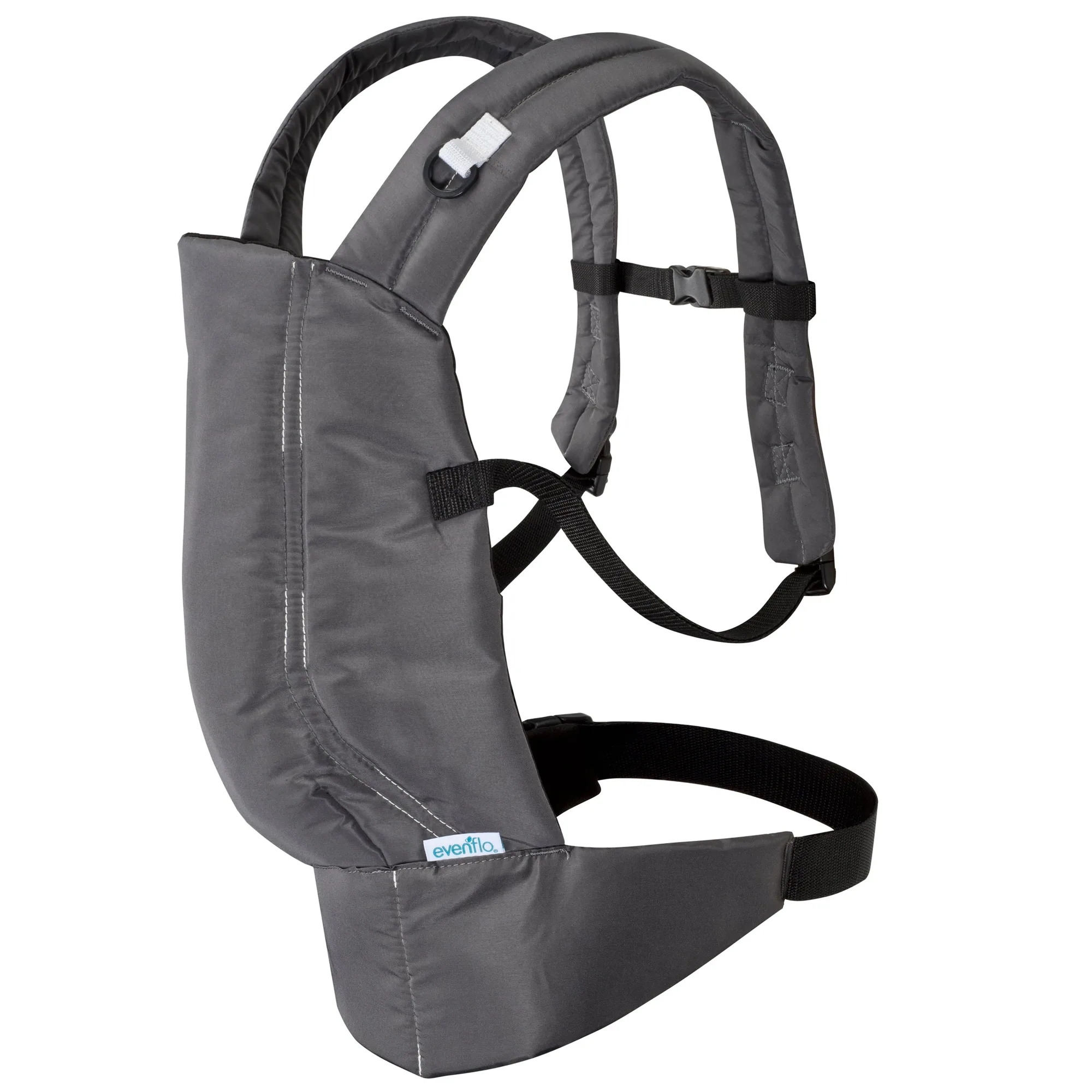
Start by putting the carrier on before you pick up your baby, then tighten the waistband so it sits snug around your natural waist or slightly above your hips. Fasten the shoulder straps and adjust them so the carrier's body panel sits flat against your chest. When you place your baby in, aim for the head to rest near your collarbone, not down at your stomach. Tighten any remaining straps until the carrier holds your baby against you without pressing into their back. You should be able to slide two fingers between the carrier and your baby's back, but not a whole hand.
- Baby's face is always visible and never pressed into your chest or the carrier fabric.
- The carrier supports the baby in a seated position with knees at or above hip level.
- The waistband and shoulder straps stay in place when you bend or walk.
- You can kiss the top of your baby's head without straining your neck.
What to avoid when using a baby carrier
Do not let your baby's chin drop toward their chest, because that can narrow the airway. Avoid carrying your baby in a position where their face is covered by fabric, a bib, or a parent's clothing. Never use a carrier while cooking, exercising, or doing anything that could burn, bump, or crush your baby. If you are using a stretchy wrap or a carrier with a newborn insert, follow the manufacturer's instructions for that specific mode, and stop using any insert once your baby exceeds its stated limit.
Babywearing safety FAQ
How tight should a baby carrier be?
Tight enough that your baby stays pressed against your chest when you lean forward slightly, but not so tight that their back is compressed or their breathing changes. You should be able to slip two fingers under the shoulder strap, and the carrier should not gap away from your body when you move. If you can fit a whole hand between the carrier and your baby, tighten the straps before you continue.
What is the correct hip position for a baby in a carrier?
A safe seated position has the knees at or slightly above the level of the hips, with the thighs supported and the bottom lower than the knees. This is often called the M-position because the legs form an M shape. The carrier seat should be wide enough to support the thighs but not so wide that it forces the legs straight. If the legs hang straight down, adjust the seat width or switch to a carrier mode that supports the knees.
How do I know the carrier's weight limits?
Check the label or manual for the minimum and maximum weight for each carrying mode. Many carriers have a lower limit for newborns and a higher limit for back carrying. Do not guess based on your baby's age alone, because weight and height both matter. If your baby is between sizes, follow the stricter limit until they clearly meet the next mode's requirements. Write the limits on a note in your phone so every caregiver uses the same numbers.
What is the safest newborn position in a carrier?
Newborns need extra head and neck support, so use a carrier mode or insert designed for their size. Keep the head turned to the side and resting against your chest, not slumped forward. The airway should stay straight, and the face should never be covered. If your baby was born prematurely or has health concerns, ask your pediatrician before wearing them in any carrier. Do a visual check every few minutes: nose and mouth clear, head supported, chin off the chest.
Can I use a baby carrier while cooking or exercising?
No. Carriers are for hands-free carrying during calm activities like walking, shopping, or doing light chores at waist height. Cooking, hot drinks, exercise, and any activity with a fall or burn risk are not safe while wearing a baby. If you need to do those tasks, place your baby in a safe, supervised spot first. Set your baby down in a rocker or play yard before you turn on the stove or start a workout.
How do I check a carrier fit when someone else wears my baby?
Have the other caregiver put the carrier on and adjust it to their own body before you hand over the baby. Then check the same points you would check on yourself: visible face, supported hips, snug straps, and no fabric covering the nose or mouth. A carrier that fits you well may need a full readjustment for a person of a different height or build. Treat every new wearer as a new fit check, even if they have used the carrier before.
Product facts that support safe babywearing routines
- Lyra 2-in-1 Infant to Toddler Rocker: The Evenflo Lyra 2-in-1 Infant to Toddler Rocker is part of The Home Collection with SensorySoothe Technology, featuring integrated lights, music, sounds, and a toy in the technology bar, and it can be managed through the Evenflo mobile app. A calm, supervised place to set your baby down between carrier sessions makes it easier to take breaks and check your own comfort, which supports safer, shorter wearing periods.
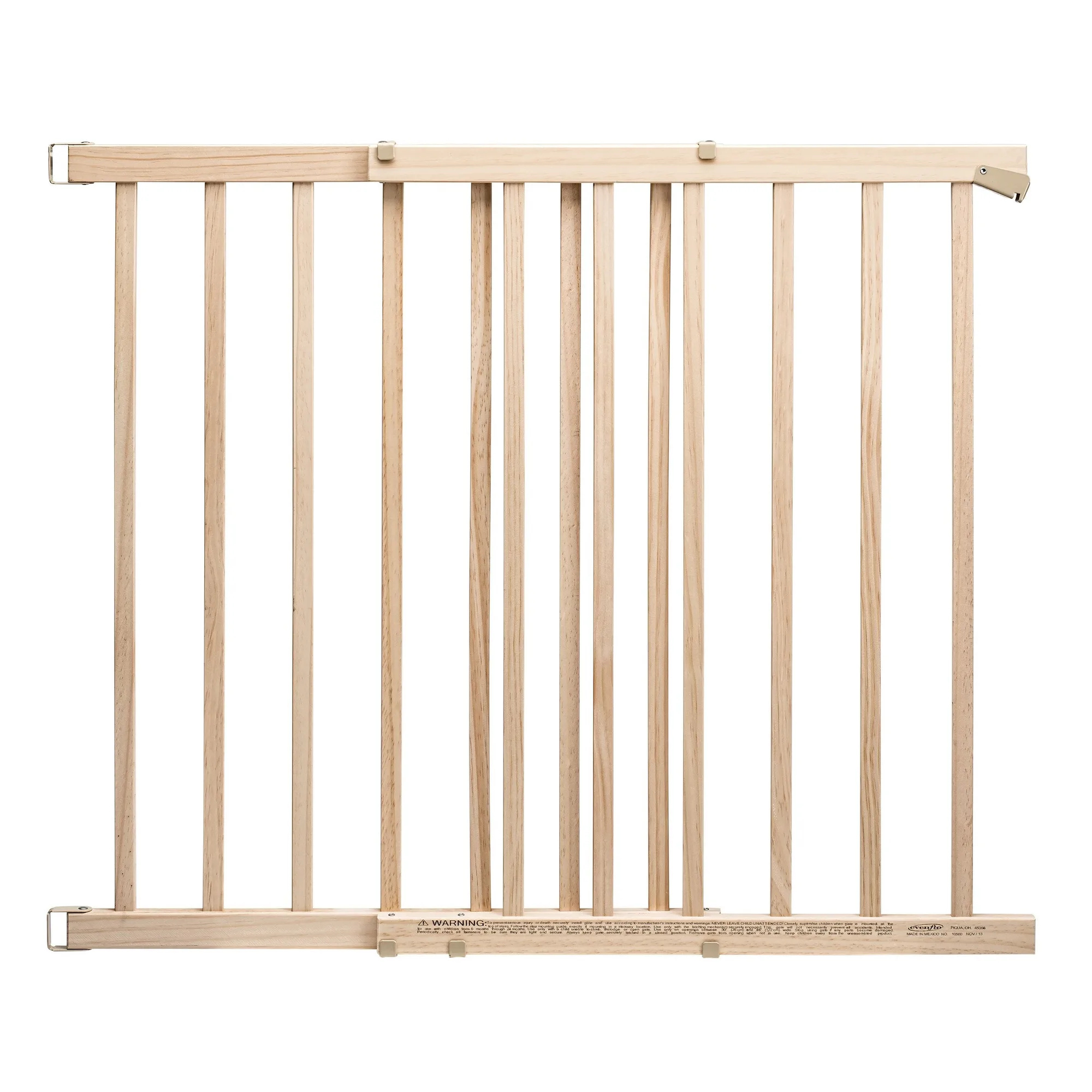
- Position & Lock Tall and Wide Value Adjustable Baby Gate: The Evenflo Position & Lock Tall and Wide Value Adjustable Baby Gate is a pressure-mounted wood gate that fits openings from 31 in to 50 in wide and stands 31 in tall. If you wear your baby while moving between rooms, a gate that matches your doorway width helps you keep older children or pets contained without putting your baby down on an unsafe surface.
- Door Lever Handle Lock Support: Evenflo Door Lever Handle Locks use an adhesive backing and accommodate most lever sizes to help keep rooms off-limits. Blocking access to a laundry room, bathroom, or garage keeps a curious toddler from following you while your hands are full with a carrier.